
If you’re thinking about buying a Chevy 5.3 with Active Fuel Management (AFM), you need to know which model years to steer clear of. Not every 5.3 engine with AFM is created equal—some have earned a reputation for costly repairs and frustrating breakdowns.
You don’t want to get stuck with a truck that drains your wallet and wastes your time. You’ll discover the specific 5. 3 AFM years to avoid, so you can make a smart choice and protect your investment. Keep reading to find out how to save yourself from headaches and expensive fixes down the road.

Credit: www.youtube.com
Afm Technology In 5.3l Engines
The 5.3L engines from Chevrolet often feature Active Fuel Management (AFM) technology. This system aims to improve fuel efficiency without sacrificing power. AFM has sparked debate among truck owners and mechanics due to its mixed reliability record.
Understanding how AFM works and its intended benefits helps explain why some model years have issues. This knowledge guides buyers on which 5.3L engines to consider or avoid.
How Afm Works
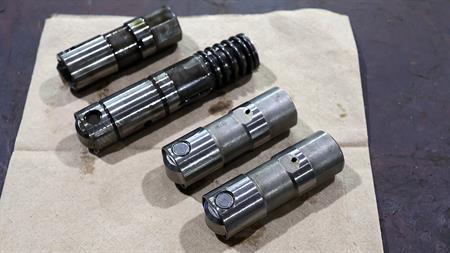
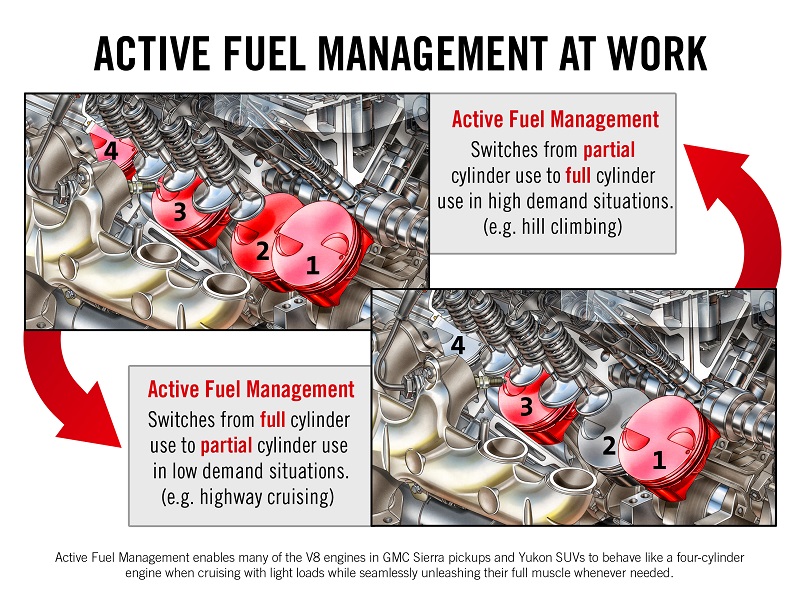
AFM disables half of the engine’s cylinders under light load. The engine switches from V8 to V4 mode to save fuel. It uses special lifters that collapse to deactivate valves. The transition is automatic and smooth to maintain performance.
This cylinder deactivation reduces fuel consumption on highways or during easy driving. When more power is needed, all cylinders reactivate instantly. The system relies on sensors and the engine control unit to manage this process.
Purpose And Benefits
The main goal of AFM is to improve gas mileage in trucks and SUVs. It helps meet stricter fuel economy standards without large engine changes. Drivers enjoy better fuel savings during everyday driving conditions.
AFM reduces emissions by using less fuel overall. It keeps engine power available when needed, preserving driving experience. This technology aims to balance power and efficiency in a single engine design.
Credit: www.speedwaymotors.com
Common Afm Issues
Active Fuel Management (AFM) technology was designed to improve fuel efficiency. It achieves this by shutting down some engine cylinders under light loads. Despite its benefits, AFM has some common issues that affect vehicle reliability. Understanding these problems helps in making informed decisions about certain model years.
Many AFM-related problems stem from mechanical parts wearing out faster than expected. These issues can lead to costly repairs and decreased engine performance. Knowing the typical AFM failures can save you time and money.
Lifter And Camshaft Failures
Lifters and camshafts are critical components in AFM engines. The lifters help switch cylinders on and off, while the camshaft controls valve timing. In AFM systems, these parts endure more stress than in regular engines.
Failures often occur due to the collapsible lifters malfunctioning. This leads to noisy lifters, loss of power, and rough engine operation. Camshaft wear can cause poor fuel economy and increased emissions. These failures usually appear after moderate to high mileage.
Symptoms Of Afm Problems
AFM issues produce clear signs that drivers can notice early. One common symptom is a ticking or tapping sound from the engine. This noise comes from failing lifters or camshaft wear.
Other symptoms include rough idling and reduced engine power. You may feel vibration or hesitation during acceleration. Sometimes, the check engine light appears due to misfires or sensor faults linked to AFM.
Fuel efficiency may drop suddenly, defeating AFM’s purpose. Early detection of these symptoms helps prevent severe damage and expensive repairs.
Model Years To Avoid
Choosing the right model year is crucial to avoid issues with Active Fuel Management (AFM). Some years had more problems due to early technology or specific engine setups. Knowing which years to steer clear of can save you money and hassle.
AFM was introduced to improve fuel economy but caused reliability concerns early on. Certain model years showed higher failure rates, especially in initial releases. These years often had lifter and camshaft problems, leading to costly repairs.
Early Afm Implementation Years
The first years of AFM use, around 2007 to 2010, showed more frequent failures. Engineers were still refining the system, which meant some engines had design flaws. These flaws caused lifters to collapse and camshafts to wear prematurely. Vehicles from these years often require expensive fixes or engine rebuilds.
Buyers should be cautious with models in this range. Many owners reported rough idling, engine noises, and reduced performance. Mechanics recommend avoiding these early AFM engines unless the vehicle has documented maintenance and repairs.
Trims And Variations With Afm
Not all trims in a model year used AFM. Some engines had it, others did not. This variation can confuse buyers because two trucks from the same year might differ greatly in reliability.
Higher-performance trims or larger engines sometimes skipped AFM to maintain power. Lower trims often included AFM to boost fuel efficiency but at the risk of durability. Always check the engine code or build sheet to confirm if AFM is present.
Trims with AFM require more attention to maintenance. Regular oil changes and timely repairs are critical to prevent lifter failures. Avoid trims known for AFM if you want fewer engine troubles and lower repair costs.
Reliable 5.3l Years Without Afm
The 5.3L V8 engine has earned respect for power and performance. Yet, some versions come with Active Fuel Management (AFM), which can cause issues. Reliable 5.3L years without AFM offer peace of mind and fewer mechanical problems. Choosing the right model year can save money and hassle over time.
Best Engine Versions
Several 5.3L engines stand out for reliability without AFM. Models from early 2000s to mid-2000s often avoid AFM technology. These engines use traditional lifters and simpler designs. This reduces the risk of lifter failure or camshaft wear. The absence of AFM means fewer moving parts that can break. Look for models like the 2003 and 2004 5.3L engines. These versions deliver strong performance with fewer maintenance headaches.
Long-term Durability
Engines without AFM tend to last longer under normal use. They avoid common AFM issues like lifter collapse and oil consumption. These 5.3L engines maintain consistent oil pressure and wear patterns. Over time, this leads to fewer repairs and rebuilds. Long-term durability makes these engines ideal for daily drivers. They hold value well and require less costly maintenance. Choosing a non-AFM 5.3L engine can offer worry-free ownership for years.
Fixes And Modifications
Fixes and modifications offer practical solutions to tackle issues with 5.3 AFM engines. These engines sometimes face problems due to their Active Fuel Management system. Owners often seek ways to improve reliability and avoid costly repairs. Simple fixes and smart upgrades can boost performance and extend engine life.
Many vehicle owners choose to remove or modify the AFM system to prevent common failures. Some fixes focus on replacing weak parts with stronger components. Preventive care also plays a key role in keeping these engines running smoothly. Understanding these options helps owners protect their investment and enjoy better driving experience.
Afm Delete Kits
AFM delete kits disable the Active Fuel Management system entirely. These kits replace the problematic lifters and camshaft with more durable parts. Removing AFM stops the engine from switching to low cylinder mode, reducing stress on components. Mechanics often recommend AFM delete kits to avoid future engine failures. Installing these kits improves engine reliability and power delivery. It is a common upgrade for those who want to keep their 5.3 engines strong.
Preventive Maintenance Tips
Regular maintenance helps avoid AFM-related engine problems. Change oil frequently using high-quality synthetic oil. Inspect lifters and camshaft for wear during service intervals. Use the correct oil viscosity to protect engine parts. Keep the cooling system in good condition to prevent overheating. Address any unusual noises or vibrations early to catch issues fast. Preventive care reduces the risk of costly repairs and keeps the engine running longer.
Buying Tips For 5.3l Trucks
The 5.3L truck offers strong performance and decent fuel economy. Many buyers want a reliable model without costly repairs. Choosing the right year and trim helps avoid issues like Active Fuel Management (AFM) failures. These tips guide you to a smart purchase.
Understanding what to check and how to balance cost with reliability makes a big difference. A careful inspection and budget planning prevent surprises down the road.
What To Check Before Purchase
Start by reviewing the truck’s service history. Look for regular oil changes and maintenance records. Check for any recalls or common problems related to the 5.3L engine. Pay special attention to the AFM system if the truck has it.
Inspect the engine for unusual noises or leaks. Test drive to feel how the truck runs at different speeds. Watch for rough idling or stalling, which may indicate AFM issues. Confirm the truck’s mileage aligns with its condition.
Look under the hood for any aftermarket parts or modifications. Some upgrades may help, but others can cause problems. Ask the seller about repairs or part replacements, especially for the lifters and camshaft.
Balancing Cost And Reliability
Older 5.3L trucks often cost less but may need more repairs. Newer models can be pricier but offer improved reliability. Decide how much you want to spend on repairs versus upfront cost.
Consider trucks without AFM if you want fewer risks. These may have a higher price but reduce long-term expenses. Budget for potential repairs like AFM delete kits if buying an AFM-equipped model.
Factor in fuel efficiency, insurance, and resale value. A well-maintained 5.3L truck with moderate mileage often gives the best balance. Take time to compare prices and condition before deciding.
Credit: www.onallcylinders.com
Frequently Asked Questions
What Years Of 5.3 Are Bad?
The 5. 3L engines from 2014 to 2017 with Active Fuel Management (AFM) often face lifter and camshaft issues. Avoid these years for better reliability.
What Year 5.3 Is The Most Reliable?
The 2014 and 2015 5. 3L engines are the most reliable. They have fewer AFM issues than other years.
What Year Does 5.3 Have An Afm?
The 5. 3L V8 engine introduced Active Fuel Management (AFM) starting in 2007 models.
What Year 5.3 To Stay Away From List Common 5.3 L V8 Engine Problems?
Avoid 2014-2015 5. 3L V8 engines due to Active Fuel Management (AFM) issues causing lifter and camshaft failure.
What Are Afm Years To Avoid In Chevy Silverado Trucks?
AFM years to avoid are models with known Active Fuel Management failures. These years often face engine lifter and camshaft problems. Avoiding them helps prevent costly repairs.
Conclusion
Choosing the right 5. 3 AFM model can save you time and money. Some years show more AFM issues than others. Research each model’s history before making a purchase. Consider models without AFM for better reliability. Staying informed helps avoid costly repairs down the road.
Take your time and pick wisely. Your truck should serve you well for many years.