
If you’re thinking about owning a BMW Z3, you want to make sure you pick the right year. Some models have hidden issues that can turn your dream car into a costly headache.
You don’t want to waste time and money fixing problems that could have been avoided. You’ll discover which BMW Z3 years to avoid and why. Knowing this now can save you from unexpected repairs and keep your driving experience smooth and enjoyable.
Keep reading to learn how to choose a Z3 that lives up to the legendary BMW reputation.
Common Issues By Model Year
The BMW Z3 is a classic roadster with a loyal fan base. Each model year has unique traits and potential issues. Knowing the common problems by year helps buyers avoid costly repairs. Below is a breakdown of frequent issues found in different production periods.
1996-1998 Early Production Flaws
The first Z3 models had some early production flaws. The cooling system showed weaknesses, causing overheating. Electrical gremlins appeared, with dashboard lights flickering or failing. Plastic seat bush clips often broke, leading to rattling noises. Engine misfires were reported, mostly due to ignition coil failures. Watch for oil leaks around the valve cover gasket. These early cars need careful inspection before purchase.
1999-2001 Mid-cycle Challenges
Mid-cycle Z3 models improved but still faced issues. Power steering fluid leaks became common, causing steering problems. The exhaust manifold sometimes cracked, creating noise and performance loss. Some sound systems developed faults or stopped working. The convertible top mechanism could malfunction, making opening or closing difficult. Regular maintenance can reduce the chance of these problems.
2002-2002 Final Year Concerns
The last production year brought a few new concerns. Engine oil leaks increased, often from the rear main seal. Suspension components wore faster, causing uneven tire wear. The alarm system occasionally triggered without cause. Some drivers reported minor interior trim rattles. Despite improvements, these cars need thorough checks before buying.
Engine And Performance Problems
The BMW Z3 is a stylish and sporty car, but some model years have engine and performance problems. These issues affect the car’s reliability and driving experience. Understanding these problems helps you avoid costly repairs and choose the best Z3 year.
Engine Misfires And Failures
Certain BMW Z3 years suffer from engine misfires. Misfires cause rough idling and loss of power. The ignition coils and spark plugs often fail early. These failures lead to poor fuel economy and stalling. Some engines also have problems with the timing chain. If ignored, this can cause severe engine damage.
Oil Leaks And Their Impact
Oil leaks are common in several Z3 model years. Leaks usually come from the valve cover gasket or oil pan. Low oil levels cause engine overheating and wear. Oil leaks also damage other engine parts and create fire hazards. Regular checks and repairs are essential to avoid severe engine problems.
Exhaust Manifold Issues
The exhaust manifold on some Z3 models can crack or warp. This leads to exhaust leaks and louder engine noise. Exhaust leaks reduce engine efficiency and increase emissions. Cracked manifolds may cause the check engine light to turn on. Replacing the manifold is often necessary to fix this issue.
Electrical And Alarm System Troubles
The BMW Z3 is a classic roadster loved by many. Despite its charm, some model years show common electrical and alarm system troubles. These issues often cause frustration and costly repairs. Understanding these problems helps buyers avoid costly mistakes and enjoy a reliable car.
Faulty Alarm Systems
Many BMW Z3 models suffer from faulty alarm systems. Owners report alarms going off without reason. This can drain the car battery quickly. Sometimes, the alarm fails to arm properly, leaving the car unprotected. Repairing or replacing the alarm system can be expensive. These problems appear mostly in early production years. Check the alarm function thoroughly before buying.
Electrical Gremlins And Wiring Faults
Electrical gremlins plague several BMW Z3 years. Wiring faults cause intermittent power loss and flickering lights. These gremlins affect dashboard instruments and engine sensors. Wiring connectors may corrode over time, causing shorts and errors. Repairing wiring faults requires skilled technicians and patience. Buyers should inspect the car’s electrical system carefully. Early detection of wiring issues saves money and prevents breakdowns.

Credit: blog.bramanbmwjupiter.com
Interior And Comfort Defects
The BMW Z3 offers a classic roadster experience, but some model years have interior and comfort issues. These defects can affect daily driving enjoyment and long-term satisfaction. Understanding common problems helps in making a smarter purchase.
Wet Seats After Rain
Many Z3 owners report wet seats after rainfall. Water can seep into the cabin through worn door seals or convertible tops. This causes discomfort and may lead to mold or unpleasant smells. Older models are especially prone to this issue. Inspect the seals and carpeting carefully before buying.
Rattling Seats And Broken Clips
The Z3’s seats may develop rattles due to broken plastic bush clips. These clips hold the seat components together. When they break, the seats wobble and create noise while driving. This problem is common in Z3s from the late 1990s and early 2000s. Replacing the clips can fix the rattling but requires some effort.
Cooling And Steering System Failures
The BMW Z3 has a loyal fan base, but some model years show issues with cooling and steering systems. These problems can lead to costly repairs if not addressed early. Understanding these common failures helps buyers avoid trouble and keeps the car running smoothly.
Cooling System Weaknesses
The Z3’s cooling system can develop leaks and blockages over time. Radiator cracks and worn hoses reduce coolant flow. This causes the engine to overheat quickly. Overheating may damage the head gasket and engine block. Thermostat failures are common, causing inaccurate temperature readings. Regular coolant checks and system flushes help prevent these issues. Early repair can save the engine from severe damage.
Leaking Power Steering Fluid
Power steering leaks are frequent in some Z3 years. The seals and hoses wear out due to heat and pressure. Fluid leaks cause the steering to feel stiff or noisy. Low fluid levels may damage the power steering pump. Leaks often appear near the steering rack or reservoir. Inspecting and replacing worn parts keeps steering smooth. Catching leaks early avoids expensive repairs and unsafe driving conditions.
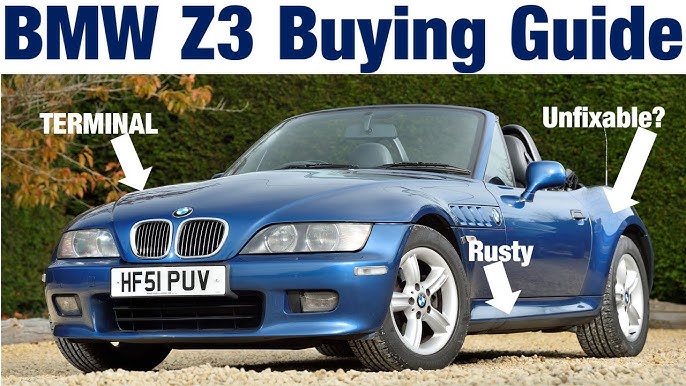
Credit: www.youtube.com
Audio And Accessory Malfunctions
The BMW Z3 is a classic sports car, but some models suffer from audio and accessory malfunctions. These problems can affect your driving enjoyment and comfort. Knowing which years to avoid helps you make a better purchase decision.
Many Z3 owners report issues with the sound system and other in-car accessories. These malfunctions often lead to costly repairs and frustration. Understanding these common problems can save you time and money.
Faulty Sound Systems
Several Z3 models have weak or faulty sound systems. Speakers may cut out or produce distorted sound. The head unit can fail to power on or lose radio reception. These issues often stem from poor wiring or aging components. Repair costs for the sound system can be high, especially if multiple parts need replacement.
Other Accessory Issues
Beyond sound, other accessories in the Z3 sometimes malfunction. Power windows may stop working or respond slowly. Central locking systems can fail, causing door lock problems. Dashboard lights and controls might flicker or stop functioning. These faults typically arise from electrical problems or faulty switches. Such issues reduce convenience and affect the overall driving experience.
Models To Avoid And Why
The BMW Z3 is a beloved classic roadster, but not all model years offer the same reliability. Some models show recurring issues that can lead to costly repairs. Knowing which years to avoid helps buyers make a smarter choice.
Specific Z3 years have earned a poor reputation due to frequent mechanical and electrical problems. These models often require more maintenance and can cause frustration for owners. Understanding the risks linked to these years is crucial for anyone considering a used Z3.
Top Problematic Years Summarized
The 1997 and 1998 BMW Z3 models face the most criticism. Early production flaws cause issues with the cooling system and engine. Models from 1999 to 2000 also show problems but to a lesser extent. The 2001 Z3 has complaints about electrical faults and power steering leaks. These years tend to have higher repair costs and lower overall reliability.
What Makes These Years Risky
Early Z3 models suffer from cooling system failures that can cause engine overheating. Electrical gremlins plague some years, leading to dashboard and alarm malfunctions. Power steering fluid leaks are common, affecting drivability. Also, worn-out suspension parts cause rattling and poor handling. These problems often appear due to rushed manufacturing and aging components.

Credit: www.bmwblog.com
Tips For Buyers And Owners
Owning a BMW Z3 can be a joy, but some years have more issues than others. Proper care helps avoid common problems and keeps your car running smoothly. Here are essential tips for buyers and owners to consider before making a purchase or maintaining the vehicle.
Inspection Checklist
Check the cooling system for leaks or damage. Inspect the engine for oil leaks and strange noises. Test the electrical components, including lights and dashboard functions. Look for worn-out suspension parts and bushings. Verify the condition of the convertible top for tears or leaks. Examine the brakes and tires for wear. Take a thorough test drive to spot misfires or unusual vibrations.
Maintenance Advice To Prevent Problems
Change the oil regularly to protect the engine. Flush the cooling system every two years to avoid overheating. Replace worn bushings and suspension parts promptly. Keep the convertible top clean and lubricated to prevent damage. Service the brakes and tires on schedule for safety. Check power steering fluid and fix leaks immediately. Address electrical issues early to avoid bigger repairs later.
Frequently Asked Questions
What Is The Best Z3 Engine?
The best BMW Z3 engine is the 2. 8-liter inline-six from the 2. 8 and M models. It offers strong power and reliability.
Which Car Is Called Poor Man’s Bmw?
The BMW Z3 is often called the “poor man’s BMW” due to its sporty design and affordable price compared to other BMW models.
What Is The Most Common Problem With The Bmw Z3?
The most common problem with the BMW Z3 is oil leaks, especially from the valve cover gasket. Cooling system failures also occur frequently. Electrical issues and worn suspension components often cause additional trouble for owners.
Which Z3 Should I Buy?
Choose a Z3 based on your budget and needs. The 2. 5L offers good balance; the 3. 0L delivers more power. For daily use, pick reliability and condition.
Which Bmw Z3 Model Years Have The Most Issues?
The 1996 and 1997 BMW Z3 models often show cooling system problems. Early models also face electrical faults and worn parts.
Conclusion
Choosing the right BMW Z3 year matters for a smooth driving experience. Some model years show more problems than others. Avoiding those years can save you time and money. Always check the car’s history and condition before buying. Doing research helps you find a reliable Z3 that fits your needs.
Enjoy the thrill of driving without unexpected repairs. A careful choice leads to more fun on the road.