
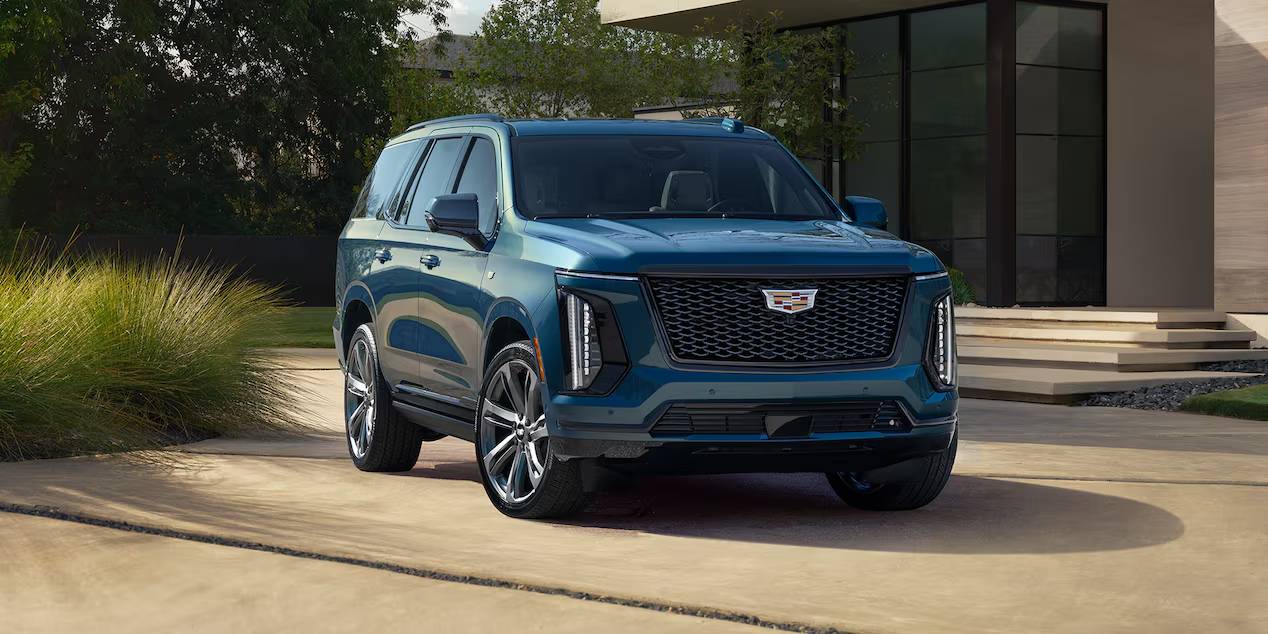
The Cadillac Escalade stands as an icon in the luxury SUV market. For many owners, it represents both status and reliability. But what keeps this luxury machine running smoothly year after year? One of the most important maintenance details is the Cadillac Escalade oil capacity. Using the correct amount and type of oil is essential for engine health, performance, and longevity. Yet, this topic is more complex than it seems. Different Escalade models, engine types, and years all play a role in determining the right oil capacity. If you want to keep your Escalade in top shape, understanding oil capacity is not optional—it’s a must.
Let’s dive deep into everything you need to know about Cadillac Escalade oil capacity. Whether you’re a new owner, a DIY enthusiast, or someone just curious about car maintenance, this guide will give you the details you need. We’ll cover model-by-model oil capacities, explain why the right oil amount matters, highlight common mistakes, and provide actionable tips for oil changes.
By the end, you’ll have the confidence to handle Escalade oil maintenance like a pro.
Understanding Oil Capacity: Why It Matters
Oil is the lifeblood of your Escalade’s engine. But why is oil capacity so important? Simply put, the right amount of oil ensures every moving part in your engine is properly lubricated. Too little oil can lead to overheating, increased friction, and serious engine damage. Too much oil is just as risky—it can cause foaming, leaks, and even damage seals and gaskets.
Manufacturers spend significant time testing and recommending the optimal oil capacity for each engine. For the Escalade, these numbers are not random—they’re based on engine design, oil pan shape, and expected usage. Using the correct capacity:
- Ensures maximum lubrication
- Keeps engine temperatures stable
- Helps with efficient fuel burning
- Extends the engine’s life
Ignoring oil capacity is a common beginner mistake. Many new owners assume “more is better” or “a little less won’t hurt. ” In reality, even small errors can have long-term effects. If you want your Escalade to perform at its best, oil capacity is something you can’t afford to guess.
Cadillac Escalade Oil Capacity By Model Year And Engine
Every Escalade generation introduced new engines and sometimes different oil pan designs. Here, we break down the oil capacities for each model year and engine type, so you can find the exact number for your SUV.
First Generation (1999–2000)
The first Escalade was based on the GMC Yukon Denali and came with a 5.7L V8 engine.
- 5.7L V8 (L31): 5.0 quarts (with filter)
This capacity includes the oil filter, which is standard for most oil change intervals.
Second Generation (2002–2006)
The second generation introduced more engine options.
- 5.3L V8 (LM7): 6.0 quarts (with filter)
- 6.0L V8 (LQ9): 6.0 quarts (with filter)
Both engines require the same oil amount, making it simple for owners of this generation.
Third Generation (2007–2014)
This generation brought more powerful and advanced engines.
- 6.2L V8 (L92, L9H, L94): 6.0 quarts (with filter)
- 6.0L Hybrid V8 (LFA, LZ1): 6.0 quarts (with filter)
The hybrid engine, though different in operation, uses the same oil capacity as its gasoline counterpart.
Fourth Generation (2015–2020)
The Escalade went all-in on the 6.2L EcoTec3 V8 (L86, L87) for both standard and ESV models.
- 6.2L V8 (EcoTec3): 8.0 quarts (with filter)
This was a significant increase compared to past generations, reflecting the engine’s larger oil pan and advanced design.
Fifth Generation (2021–present)
The latest Escalade continues with the 6.2L V8 and introduces a new 3.0L I6 Duramax Diesel engine.
- 6.2L V8 (L87): 8.0 quarts (with filter)
- 3.0L I6 Diesel (LM2): 7.0 quarts (with filter)
The diesel engine has a slightly lower capacity but still requires more oil than older V8s.
Quick Reference Table: Escalade Oil Capacity By Year And Engine
For easy comparison, here’s a summary of oil capacities across Escalade generations:
| Model Year(s) | Engine | Oil Capacity (Quarts, with filter) |
|---|---|---|
| 1999–2000 | 5.7L V8 | 5.0 |
| 2002–2006 | 5.3L V8 / 6.0L V8 | 6.0 |
| 2007–2014 | 6.2L V8 / 6.0L Hybrid V8 | 6.0 |
| 2015–2020 | 6.2L V8 EcoTec3 | 8.0 |
| 2021–Present | 6.2L V8 / 3.0L I6 Diesel | 8.0 / 7.0 |

Oil Types For Cadillac Escalade
Knowing the oil capacity is not enough. The type of oil is just as important as the quantity. The wrong oil can cause poor lubrication, increased wear, and even engine failure.
Recommended Oil Types By Generation
- 1999–2006 (5.7L, 5.3L, 6.0L V8): SAE 5W-30
- 2007–2020 (6.2L V8): SAE 0W-20 full synthetic (GM dexos1 approved)
- 2021–Present (6.2L V8): SAE 0W-20 full synthetic (GM dexos1 Gen 2)
- 2021–Present (3.0L I6 Diesel): SAE 0W-20 synthetic diesel oil (GM dexosD)
Choosing the right specification is crucial. For modern Escalades, using oil that meets GM dexos1 or dexosD specifications is non-negotiable. These oils are formulated for better fuel economy and engine protection.
Synthetic Vs Conventional Oil
Older Escalades (pre-2007) can use conventional oil, but many owners switch to synthetic oil for better protection, especially in extreme temperatures. Newer models require synthetic oil by design. Synthetic oil lasts longer, handles heat better, and protects engines under more conditions. While it costs more, it can actually save money by extending engine life and service intervals.
How To Check And Change Your Escalade’s Oil
Proper oil maintenance goes beyond just knowing the numbers. Here’s a practical guide to checking and changing oil in your Escalade.
Checking The Oil Level
- Park on a Level Surface: Always check oil after the car has been off for 5–10 minutes, so oil has settled.
- Pull the Dipstick: Wipe it clean, reinsert fully, then remove again to check the level.
- Read the Dipstick: The oil should be between the “min” and “max” marks. Too low or too high? Time for a correction.
- Check Oil Color and Smell: Healthy oil is amber and clear. Black, gritty, or burnt-smelling oil means it’s time to change.
Changing The Oil: Step-by-step
- Gather Supplies: Correct oil and filter, socket set, drain pan, funnel, gloves, and rags.
- Warm Up the Engine: Run for 3–5 minutes to thin the oil, making it easier to drain.
- Lift the Vehicle: Use ramps or a jack and stands for safety.
- Remove the Drain Plug: Place the pan below and let oil drain completely.
- Replace Oil Filter: Some oil will spill, so keep the pan under the filter.
- Install New Filter and Plug: Tighten to manufacturer’s specs.
- Add New Oil: Pour in the correct amount, using a funnel.
- Run the Engine: Let it idle 1–2 minutes, check for leaks.
- Recheck Oil Level: Top off if needed, but avoid overfilling.
Oil Change Intervals
GM recommends changing oil every 7,500 miles or 12 months for most Escalades, but real-world factors matter:
- Frequent towing/hauling: Change every 5,000 miles
- Extreme temperatures: Change more often
- Mostly short trips: Oil breaks down faster
Always follow the Oil Life Monitor system in newer Escalades—it’s designed for your exact engine and driving style.
Common Mistakes And How To Avoid Them
Even experienced car owners make oil mistakes. Here are the most frequent errors with the Escalade:
1. Overfilling Or Underfilling
Going above or below the recommended capacity can lead to engine damage. Always check the dipstick after filling and before driving.
2. Using The Wrong Oil Type
Modern engines are sensitive to oil specs. Using 5W-30 in a 2021 Escalade can void your warranty and reduce engine life.
3. Ignoring The Oil Life Monitor
The system adapts to your driving style. Reset it after every oil change to get accurate reminders.
4. Not Replacing The Oil Filter
A clogged filter can starve your engine of oil. Always use a new filter with each oil change.
5. Waiting Too Long Between Changes
Oil degrades, even if you don’t drive much. Stick to the 12-month rule, even for low-mileage vehicles.
6. Using Low-quality Oil Filters
Cheap filters can leak or fail. Always choose OEM or premium aftermarket brands.
Beginners often think “close enough” is good enough, but with modern engines, precision is key. Double-check every step and use the best parts you can afford.
Special Considerations For High-mileage And Severe Use Escalades
Not all Escalades are used the same way. High-mileage vehicles and those that tow, haul, or face extreme conditions need special attention.
High-mileage Escalades
Engines with over 100,000 miles may benefit from “high-mileage” oil. These oils have additives to:
- Recondition aging seals
- Reduce leaks and oil burn-off
- Enhance cleaning power
Switching to high-mileage oil isn’t mandatory, but it can help older engines stay healthy.
Severe Use Cases
If you frequently:
- Tow heavy loads
- Drive in extreme heat or cold
- Spend lots of time idling
- Make mostly short trips
Then your oil will break down faster. Consider changing oil every 5,000 miles or even 3,000 miles in the most severe cases. Using full synthetic oil and premium filters is a wise investment here.
Comparing Escalade Oil Capacity With Other Suvs
It’s useful to see how the Escalade’s oil capacity compares to other large SUVs. Here’s a quick comparison:
| Vehicle | Engine | Oil Capacity (Quarts) |
|---|---|---|
| Cadillac Escalade (2021) | 6.2L V8 | 8.0 |
| Lincoln Navigator (2021) | 3.5L V6 Twin Turbo | 6.0 |
| Chevrolet Tahoe (2021) | 5.3L V8 | 8.0 |
| GMC Yukon Denali (2021) | 6.2L V8 | 8.0 |
| Toyota Sequoia (2021) | 5.7L V8 | 7.4 |
You’ll notice the Escalade’s oil capacity is at the higher end. This larger oil volume helps with cooling and durability, especially given the engine’s size and power.
Signs Of Oil Problems In Your Cadillac Escalade
Oil issues can lead to big problems if ignored. Watch for these warning signs:
- Low Oil Level Light: This means you’re running low. Add oil immediately and check for leaks.
- Engine Ticking or Knocking: Low oil or old oil can cause strange noises.
- Burning Oil Smell: This can mean leaks or excess oil burning off.
- Dirty or Black Oil: Oil that’s dark or gritty is past its prime.
- Smoke from the Exhaust: Blue or gray smoke can signal oil burning inside the engine.
If you notice any of these, check your oil level and quality right away. Persistent problems? Visit a trusted mechanic.
How To Choose The Right Oil Filter
The oil filter is just as important as the oil itself. The wrong filter can allow dirt into your engine or restrict oil flow.
Oem Vs Aftermarket Filters
- OEM (Original Equipment Manufacturer): Guaranteed fit and quality. Recommended for peace of mind.
- Premium Aftermarket: Brands like WIX, K&N, and Bosch offer high filtration and durability.
Avoid the cheapest filters—they often use poor materials and can even void your warranty.
Filter Size And Fit
Each Escalade engine uses a specific filter size. Always check your owner’s manual or parts guide. Using the wrong size can cause leaks and poor filtration.
Escalade Oil Pan And Drain Plug: What Owners Should Know
The oil pan holds the engine oil and is fitted with a drain plug for oil changes. Over time, the drain plug gasket can wear out, leading to leaks. Here’s what every owner should know:
- Always replace the drain plug washer when changing oil, especially on older models.
- Check for leaks after every oil change.
- Torque the drain plug to the manufacturer’s spec—usually 18–25 ft-lbs for most Escalades.
- Inspect the pan for dents or rust, which can affect capacity and cause leaks.
Some Escalades have a “crush washer” that needs replacing every time you change oil. Skipping this step is a common source of oil drips.

The Role Of The Oil Life Monitoring System
Newer Escalades (2007 and later) use a smart Oil Life Monitoring (OLM) system. Instead of a fixed mileage, it considers:
- Engine temperature
- Driving habits
- Engine load
- Trip length
This system is more accurate than a simple mileage schedule. But it only works if you reset it after every oil change. If you forget, you could run your oil too long and risk damage. Always follow the OLM’s guidance, but check oil manually as a backup.
Winter And Summer Oil Considerations
Extreme temperatures affect oil performance.
- Winter: Cold weather can thicken oil, making it harder to flow. Always use the recommended viscosity, such as 0W-20, which flows well in cold starts.
- Summer: High heat can thin oil. Again, stick to manufacturer specs, as modern oils are engineered for wide temperature ranges.
Some owners in very cold climates switch to synthetic oil for better flow. In extreme heat, regular checks are important, as oil can break down faster.
Diy Vs Professional Oil Changes
Should you change your Escalade’s oil yourself or visit a shop? Both have pros and cons.
Diy Benefits
- Save money
- Control over oil and filter quality
- Learn more about your vehicle
Diy Drawbacks
- Messy and time-consuming
- Need tools and space
- Risk of mistakes (wrong oil, loose plug, etc.)
Professional Service
- Fast and convenient
- Includes inspection for leaks and issues
- Certified techs can spot early problems
However, some shops use lower-quality oil or filters unless you ask for upgrades. Always specify your preferences.
Environmental Impact And Disposal
Used oil is hazardous. Never dump it down drains or on the ground. Here’s how to dispose of oil and filters properly:
- Collect used oil in a sealed container
- Take to a recycling center or auto parts store (many accept oil for free)
- Store used filters in a plastic bag and recycle them too
Proper disposal protects the environment and avoids legal trouble.
Real-world Tips For Escalade Owners
Here are some insights that even experienced owners sometimes overlook:
1. Always Check Oil After A Change, Not Just Before
The oil level can settle after running the engine. Top off if needed.
2. Buy Oil In Bulk For Savings
With Escalades needing 6–8 quarts, buying a 5-quart plus a single quart is often cheaper.
3. Keep A Quart Of Oil In Your Vehicle
Long trips, towing, or leaks can lower your oil unexpectedly.
4. Document Every Oil Change
This helps with warranty claims and resale value.
5. Don’t Trust “quick Lube” Shops Blindly
Double-check they’ve added the correct amount and type of oil before leaving.
Frequently Asked Questions
What Is The Oil Capacity For The 2021 Cadillac Escalade 6.2l V8?
The 2021 Escalade with the 6.2L V8 engine requires 8.0 quarts of oil, including the filter. Always use SAE 0W-20 full synthetic oil that meets GM dexos1 Gen 2 specifications.
How Often Should I Change The Oil In My Escalade?
Most Escalades need oil changes every 7,500 miles or 12 months, whichever comes first. If you tow, drive in harsh conditions, or do a lot of city driving, change oil every 5,000 miles. Always follow the Oil Life Monitor for the best results.
Can I Use Conventional Oil In My Newer Escalade?
No. All Escalades from 2007 onward require full synthetic oil. Using conventional oil can reduce engine protection and may void your warranty. Always use oil that meets GM dexos1 or dexosD standards.
What Happens If I Overfill Or Underfill My Escalade’s Engine Oil?
Overfilling can cause foaming, leaks, and damage to seals. Underfilling leads to poor lubrication, overheating, and engine wear. Always fill to the recommended capacity, check the dipstick, and adjust as necessary.
Where Can I Find More Detailed Oil Specifications?
For the most reliable and detailed information, consult your owner’s manual or visit the official Cadillac Owner Center. These sources provide up-to-date specs for your exact model and engine.
A well-maintained Escalade can last for hundreds of thousands of miles. By paying attention to oil capacity, type, and change intervals, you’re investing in both performance and peace of mind. Whether you service your vehicle yourself or trust a professional, knowledge is your best tool for keeping your Cadillac on the road for years to come.