
If you own a circular saw, you probably know how useful it is for cutting wood. But maybe you have wondered: Can a circular saw cut metal? This question is common for both beginners and experienced DIYers. The answer is not simple. It depends on the type of saw, blade, metal, and safety steps. Let’s explore everything you need to know about using a circular saw for metal cutting. By the end, you’ll understand what’s possible, what’s safe, and what tips matter most.
How Does A Circular Saw Work?
A circular saw is a power tool with a round spinning blade. You hold the saw and push it through the material you want to cut. The blade spins fast, cutting as it moves. Most circular saws are made for wood. However, some can cut other materials, including plastic, tile, and even metal.
Circular saws come in many sizes, but the most common are 7-1/4 inch and 6-1/2 inch models. They are powered by electricity, batteries, or sometimes gasoline. The important part for metal cutting is the blade and speed.
Types Of Metal And What Matters Most
Before you try cutting metal, you need to know the type of metal you want to cut. Metal is not all the same. Some are soft; some are hard. Each needs a different approach.
Common Metals People Cut
- Aluminum: Soft, easy to cut, but can gum up blades.
- Steel: Hard, strong, needs special blades.
- Copper: Softer than steel, but still needs care.
- Brass: Medium hardness, cuts easier than steel.
- Sheet Metal: Thin, often aluminum or steel, can be cut by many tools.
- Rebar and Pipes: Usually steel, thick and tough.
Metal Thickness
- Thin sheets (under 1/8 inch): Easier for most saws.
- Thick bar or pipe (over 1/4 inch): Needs more power and special blades.
Why This Matters
The hardness and thickness of metal affect the cutting process. Harder or thicker metals need slower cutting speeds, stronger blades, and more safety steps. Trying to cut thick steel with a regular wood blade can break the saw or cause injury.
Choosing The Right Blade For Metal Cutting
The blade is the most important part of a circular saw when cutting metal. Wood blades will not work for metal. You need a blade made for metal.
Types Of Blades
- Abrasive Blades
- Made from composite material.
- Cut by grinding instead of slicing.
- Good for steel and thick metals.
- Wear out quickly and make a lot of sparks.
- Carbide-Tipped Blades
- Teeth are coated with carbide.
- Stay sharp longer.
- Can cut aluminum, thin steel, and other metals.
- Less sparks, cleaner cut.
- Diamond Blades
- Used for hard metals and materials.
- Last longer but are expensive.
- Ferrous vs Non-Ferrous Blades
- Ferrous blades: For steel and iron.
- Non-ferrous blades: For aluminum, copper, brass.
Blade Specifications
- Tooth Count: More teeth means smoother cuts but slower progress.
- RPM Rating: Blades must match the saw’s speed.
- Size: Must fit your saw.
| Blade Type | Best For | Sparks | Lifespan |
|---|---|---|---|
| Abrasive | Steel, thick metal | High | Short |
| Carbide-tipped | Aluminum, thin steel | Medium | Long |
| Diamond | Hard metals | Low | Longest |
Common Mistake
Many beginners try using wood blades for metal. This is dangerous. Wood blades can break or melt when used on metal. Always use a blade made for metal.
Can All Circular Saws Cut Metal?
Not every circular saw can cut metal, even with the right blade. Some saws are built for wood only. Others are designed for multi-material use.
Standard Vs Metal-cutting Saws
- Standard Circular Saw: Made for wood. Can cut thin metal sheets with proper blade, but not ideal.
- Metal-Cutting Circular Saw: Built for metal. Has lower RPM, stronger motor, and extra protection.
Features To Look For
- Lower speed: Metal cutting needs slower blade speed (around 3,500 RPM).
- Extra safety covers: Protect from sparks and flying metal.
- Strong motor: Cutting metal needs more power.
- Stable base: Metal is harder to cut, so stability matters.
| Saw Type | RPM | Suitable Metals | Safety Features |
|---|---|---|---|
| Standard | 5,000+ | Thin sheets | Basic |
| Metal-cutting | 3,000-3,800 | Thick bars, pipes | Advanced |
Example
If you have a DeWalt DCS573, it is designed for wood, but with a carbide-tipped blade, you can cut aluminum sheets. For thick steel pipes, you need something like the Makita 4131, which is made for metal.

Credit: toolguyd.com
Safety Precautions When Cutting Metal
Cutting metal is much more dangerous than cutting wood. Metal pieces can fly, sparks can burn, and the saw can jam. You must use proper safety steps.
Essential Safety Gear
- Eye protection: Always wear safety goggles.
- Gloves: Protect your hands from sharp metal and sparks.
- Ear protection: Metal cutting is loud.
- Face shield: For extra protection.
- Fire-resistant clothing: Sparks can burn regular clothes.
Work Area Safety
- Keep flammable items away.
- Work in a well-ventilated area.
- Secure the metal before cutting.
- Never force the saw; let the blade do the work.
Practical Tip
Always check the blade for damage before you start. A cracked or chipped blade can break and cause injury.
Common Mistake
Many people forget to secure the metal. If the metal moves while cutting, the blade can grab and throw it. Use clamps or a vise.
Step-by-step Guide: Cutting Metal With A Circular Saw
If you want to cut metal using a circular saw, follow these steps:
- Choose the right blade for the type and thickness of metal.
- Install the blade safely, making sure it is tight.
- Wear safety gear: Goggles, gloves, ear protection, and fire-resistant clothing.
- Secure the metal with clamps or a vise.
- Mark your cut line clearly with a marker or chalk.
- Set saw speed (if possible) to a lower RPM.
- Start the saw and let it reach full speed.
- Begin the cut slowly, letting the blade do the work.
- Keep steady pressure but do not force the saw.
- Watch for sparks and hot metal pieces.
- Finish the cut and turn off the saw.
- Let the metal cool before touching it.
Practical Example
Suppose you need to cut a piece of aluminum sheet. You install a carbide-tipped blade, clamp the sheet, mark the line, and cut slowly. The process is easy, and the sheet stays cool. If you try this with a thick steel pipe, you will see more sparks and need to cut slower.
Two Insights Beginners Miss
- Metal gets very hot during cutting. Always let it cool before touching.
- The cut edge is sharp and can cause injury. Deburr or sand the edge after cutting.
Circular Saw Vs Other Metal Cutting Tools
Circular saws are not the only tools for cutting metal. Sometimes, other tools work better or safer.
Common Metal Cutting Tools
- Angle grinder: Good for small cuts, flexible, but less precise.
- Metal chop saw: Made for metal, fast, clean cuts.
- Band saw: Slow, very accurate, good for thick metal.
- Reciprocating saw: For cutting pipes and odd shapes.
| Tool | Precision | Speed | Best For |
|---|---|---|---|
| Circular saw | Medium | Fast | Sheets, straight lines |
| Angle grinder | Low | Fast | Small cuts, curves |
| Chop saw | High | Very fast | Pipes, bars |
| Band saw | Very high | Slow | Thick metal |
When To Use A Circular Saw
- Cutting long, straight lines in sheet metal.
- When other tools are not available.
- For quick jobs on aluminum or thin steel.
When Not To Use A Circular Saw
- Cutting thick steel pipes.
- When precise curves are needed.
- For high-volume, professional work.
Non-obvious Insight
Circular saws can sometimes warp thin metal sheets because of heat. To avoid this, cut slowly and use cooling spray.
Pros And Cons Of Cutting Metal With A Circular Saw
Let’s look at the benefits and drawbacks.
Pros
- Fast cuts for straight lines.
- Easy to use for simple jobs.
- Affordable blades for many metals.
- Portable for onsite work.
Cons
- Not as precise as some other tools.
- Creates sparks and heat.
- Blade wear is fast when cutting hard metals.
- Safety risks are higher.
Real-world Data
According to tool manufacturers, carbide-tipped blades can cut up to 50 feet of aluminum before needing replacement. Abrasive blades last only 10-15 feet of steel cutting.
Maintenance And Blade Care
Cutting metal is hard on blades and saws. Proper maintenance keeps your tools working and safe.
Blade Cleaning
- Remove metal shavings after each cut.
- Clean blade teeth with a wire brush.
- Check for damage before every use.
Saw Maintenance
- Lubricate moving parts.
- Check power cords and battery.
- Tighten bolts and nuts.
Blade Replacement
- Replace blades when teeth are worn or chipped.
- Store blades in dry area to prevent rust.
Common Mistake
Many users forget to clean blades after cutting metal. Metal shavings can dull the blade and cause rust.
Advanced Tips For Better Metal Cutting
If you want cleaner and safer cuts, use these advanced tips:
- Use cutting fluid: Reduces heat and wear.
- Score the cut line: Makes starting easier.
- Cut in stages: For thick metal, make shallow passes.
- Check blade RPM: Match blade rating to saw speed.
Example
A professional metalworker uses cutting fluid and scores lines before cutting steel sheets. The result is a cleaner edge and longer blade life.
Two Insights Beginners Miss
- Using too much force will dull the blade faster and can cause kickback.
- Blades for non-ferrous metals are not safe for steel. Always match blade type to metal.
How To Choose The Best Circular Saw For Metal
If you plan to cut metal often, buying the right saw is important.
Key Features
- Power: At least 1,500 watts for thick metal.
- RPM control: Adjustable speed helps match metal type.
- Blade compatibility: Can fit metal blades.
- Safety covers: Protect from sparks and debris.
Comparison Of Popular Models
| Model | Power (Watts) | RPM | Blade Size | Metal Cutting |
|---|---|---|---|---|
| Makita 4131 | 1,300 | 3,500 | 7-1/4 in | Yes |
| DeWalt DCS573 | 1,800 | 5,500 | 7-1/4 in | Limited |
| Evolution S185 | 1,600 | 3,900 | 7-1/4 in | Yes |
Mistake To Avoid
Do not use high-speed wood saws for thick metal. The motor can burn out, and the blade can break.
Environmental And Health Effects
Cutting metal creates dust, fumes, and noise. These can harm health and the environment.
Dust And Fumes
- Metal dust can irritate lungs.
- Sparks can cause fires.
- Cutting fluid can create fumes.
Noise
- Metal cutting is loud (up to 110 dB).
- Use ear protection to avoid hearing loss.
Disposal
- Collect metal shavings and dispose safely.
- Recycle metal waste when possible.
Practical Tip
Work outdoors or in a ventilated area to reduce risks.
Circular Saw Metal Cutting In Industry
Circular saws are used in many industries for metal cutting.
Construction
- Cutting rebar, steel studs, and pipes.
- Fast, portable, but not for thick beams.
Manufacturing
- Cutting aluminum sheets for products.
- Used for quick prototypes.
Automotive
- Cutting exhaust pipes and metal panels.
- Used for repairs.
Example
In construction, workers use metal-cutting circular saws to cut rebar quickly. For thick beams, they switch to chop saws.
Alternatives To Circular Saw For Metal Cutting
Sometimes a circular saw is not the best choice. Here are other options.
- Plasma cutter: For thick and complex shapes.
- Hydraulic shear: For large sheets.
- Laser cutter: For precision and speed.
Each tool has its place. Plasma and laser cutters are expensive but give perfect cuts.

Cost Factors: Blades, Saws, And Metal Cutting
Cutting metal with a circular saw is not free. Let’s look at the costs.
Blade Prices
- Abrasive blades: $3-$10 each.
- Carbide-tipped blades: $30-$80 each.
- Diamond blades: $100+ each.
Saw Prices
- Standard saws: $80-$150.
- Metal-cutting saws: $200-$400.
Maintenance
- Blades must be replaced often when cutting metal.
- Saw repairs cost more after heavy metal cutting.
Example
If you cut steel pipes often, expect to buy new abrasive blades every week. For aluminum sheets, carbide-tipped blades last longer.
Real-life Success Stories
Many professionals use circular saws for metal. Here are some examples.
Homeowner
A homeowner needed to cut aluminum siding for a renovation. Using a standard circular saw with a carbide blade, the job was finished in one afternoon. No blade changes were needed.
Construction Worker
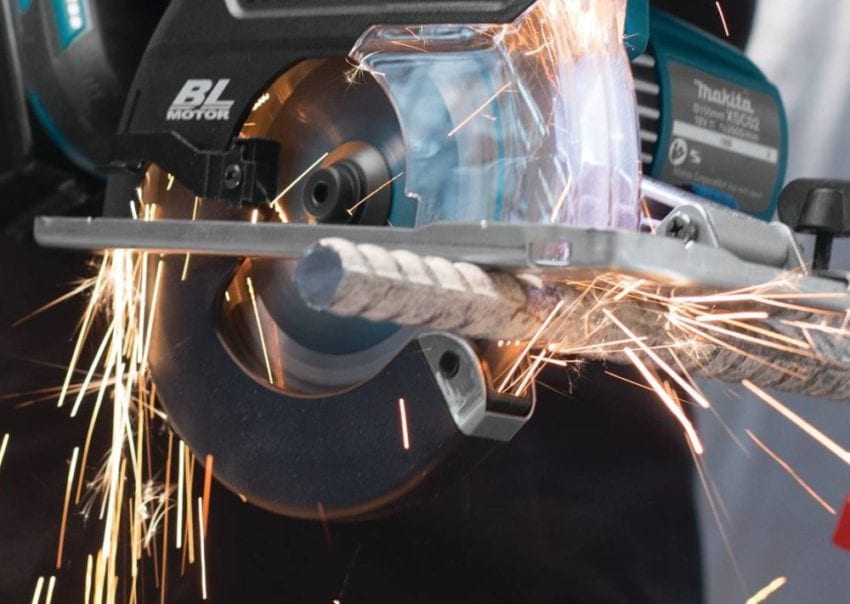
A worker used a metal-cutting circular saw to cut steel rebar on a job site. The saw made fast, clean cuts, and safety gear prevented injuries.
Mechanic
A mechanic needed to cut exhaust pipes for custom repairs. With a metal-cutting blade, the circular saw made precise cuts, saving hours compared to hand tools.
Circular Saw Metal Cutting: Myths And Facts
Many myths surround metal cutting with circular saws. Let’s clear up some facts.
Myth 1: All Circular Saws Can Cut Metal
Fact: Only saws with proper blades and safety features can do it safely.
Myth 2: Metal Cutting Is Just Like Wood Cutting
Fact: Metal is harder and produces heat and sparks. It needs different blades and safety steps.
Myth 3: Metal Blades Last Forever
Fact: Metal blades wear out fast, especially on hard metals.
Myth 4: Sparks Mean A Good Cut
Fact: Sparks show blade wear and can be dangerous. Less sparks usually means cleaner cutting.
Myth 5: Safety Gear Is Optional
Fact: Safety gear is always required. Metal cutting is risky.
Frequently Asked Questions
Can I Use A Wood Blade To Cut Metal?
No, wood blades are not safe for metal. They can break, melt, or cause injury. Always use a blade made for metal.
What Metals Can I Cut With A Circular Saw?
With the right blade, you can cut aluminum, steel, copper, and brass. Thicker or harder metals need stronger saws and blades.
Is Cutting Metal With A Circular Saw Dangerous?
Yes, it can be risky. Sparks, sharp edges, and hot metal can cause injury. Always use safety gear and follow safety steps.
How Long Does A Metal-cutting Blade Last?
It depends on the metal and blade type. Carbide-tipped blades last much longer than abrasive blades. Cutting harder metals or more often wears blades faster.
Are There Better Tools Than A Circular Saw For Metal Cutting?
Yes. For thick, hard metals or precise work, tools like chop saws, band saws, and plasma cutters are better choices. Circular saws are best for quick, straight cuts on thin metal.
If you’re thinking about cutting metal with your circular saw, remember: it can be done, but only with the right blade, safety steps, and proper saw. For thin metals and quick jobs, a circular saw is a handy tool. For thick or hard metals, consider other tools. Always check your equipment, wear safety gear, and follow all steps for a safe and successful cut. For more technical information on metal cutting, check out Wikipedia’s Metalworking page. With the right approach, you can get clean cuts and avoid danger.