
Winter mornings bring a special kind of challenge—snow piling up on your driveway, porch, and car. Many people dread reaching for the heavy shovel or waiting for a snow blower to clear a light dusting. This is when the question pops up: Can you use a leaf blower for snow? It sounds clever, but is it practical, safe, and effective? The answer is not as simple as you might think.
This guide explores everything you need to know. You’ll learn what works, what doesn’t, and how to avoid common mistakes. Whether you want to save time or just avoid buying another expensive tool, let’s dig into the facts about using a leaf blower for snow.
How Leaf Blowers Work
Before deciding if a leaf blower can handle snow, you need to understand how these machines function. A leaf blower uses a fan powered by electricity, battery, or gasoline to create a high-speed air flow. This air pushes leaves, grass clippings, and other light debris across your yard.
There are three main types of leaf blowers:
- Corded electric – Plugged into an outlet, they offer unlimited runtime but limited range.
- Cordless (battery-powered) – Convenient but usually less powerful and limited by battery life.
- Gas-powered – Heaviest and most powerful, best for large areas.
Leaf blowers come with air speeds ranging from 100 to 250 MPH and air flow (measured in CFM—cubic feet per minute) from 150 to over 600 CFM in strong models. These numbers matter, as you’ll see when using them on snow.
Why Consider Using A Leaf Blower For Snow?
People ask about using leaf blowers for snow for simple reasons:
- Light snow is easy to remove, and shovels seem like overkill.
- Leaf blowers are already in most garages.
- No heavy lifting or back pain.
- Quick clean-up for cars, decks, and steps.
- Saves money—no need to buy a snow blower for a few light snowfalls.
But there are important limits and safety issues. Let’s look at when a leaf blower works—and when it doesn’t.
What Types Of Snow Can A Leaf Blower Handle?
Not all snow is the same. The type and amount of snow makes a big difference.
Light, Powdery Snow
This is where a leaf blower shines. If the snow is fluffy, dry, and less than two inches deep, most leaf blowers can push it off hard surfaces easily. Airflow lifts the snow and blows it away, just like dry leaves.
Wet, Heavy Snow
This kind of snow is much harder. Wet snow is sticky and clumps together. Most leaf blowers, especially electric or battery types, struggle to move it. Even gas blowers have a tough time with thick, wet layers.
Packed Or Icy Snow
Once snow melts a bit and refreezes, it gets heavy and forms ice. Leaf blowers are almost useless here. The air simply cannot break up or move solid ice or packed snow.
How Deep Is Too Deep?
A general rule: if snow is deeper than 2–3 inches, a leaf blower will struggle. For deeper snow, traditional snow shovels or snow blowers are much more effective.
When And Where A Leaf Blower Works Best On Snow
Using a leaf blower for snow is not for every situation. Here’s where it works well:
- Clearing cars and windshields before driving.
- Removing snow from decks, steps, and porches where shovels can damage the surface.
- Walkways and driveways after a light dusting.
- Garage doors and mailboxes.
- Outdoor furniture and garden paths.
But if you live in a place with heavy winter storms, don’t expect a leaf blower to replace your snow blower or shovel.
Choosing The Right Leaf Blower For Snow Removal
If you want to try using your leaf blower for snow, some features matter more than others.
Air Speed (mph) And Air Volume (cfm)
Higher air speed and volume mean more power to move snow.
| Type | Typical MPH | Typical CFM | Effectiveness on Snow |
|---|---|---|---|
| Corded Electric | 150–200 | 180–400 | Good for light snow |
| Battery-Powered | 100–150 | 200–350 | Okay for very light snow |
| Gas-Powered | 180–250 | 400–600 | Best for snow, still limited |
Nozzle Shape
A narrow, focused nozzle is better for snow. It directs air and creates more force in a small area. Wide nozzles spread the air too much.
Weight And Handling
Snow removal can take longer than leaves. Choose a model that is not too heavy, especially for stairs and cars.
Cold Weather Durability
Not all leaf blowers are designed for winter. Cold can damage batteries, crack plastic parts, or freeze motors. Gas models are less affected but may be hard to start in very cold weather.
Step-by-step: How To Use A Leaf Blower For Snow
Clearing snow with a leaf blower takes a bit of technique. Here’s how to do it right:
1. Check The Weather
Try to blow snow soon after it falls, before it melts and refreezes.
2. Dress For Safety
Wear gloves, boots, and eye protection. Snow can fly back into your face.
3. Clear A Test Area
Start on a small patch to see if the snow is too heavy or wet.
4. Hold The Blower At An Angle
Aim the nozzle just above the surface. Don’t point straight down—this can blow up dirt or damage the ground.
5. Move In Rows
Work in straight lines, pushing snow to one side. Overlap each pass a little for even clearing.
6. Clear Edges And Corners
Be careful not to blow snow into roads or neighbor’s property.
7. Repeat If Needed
For stubborn patches, make a second pass. But if it doesn’t move after a few tries, switch to a shovel.
Pro Tips
- Start before the snow gets deep. Don’t wait for several inches to pile up.
- Keep the blower dry. Water inside the motor or battery can ruin it.
- Charge batteries fully before starting.
- Store your blower indoors after use to avoid cold damage.
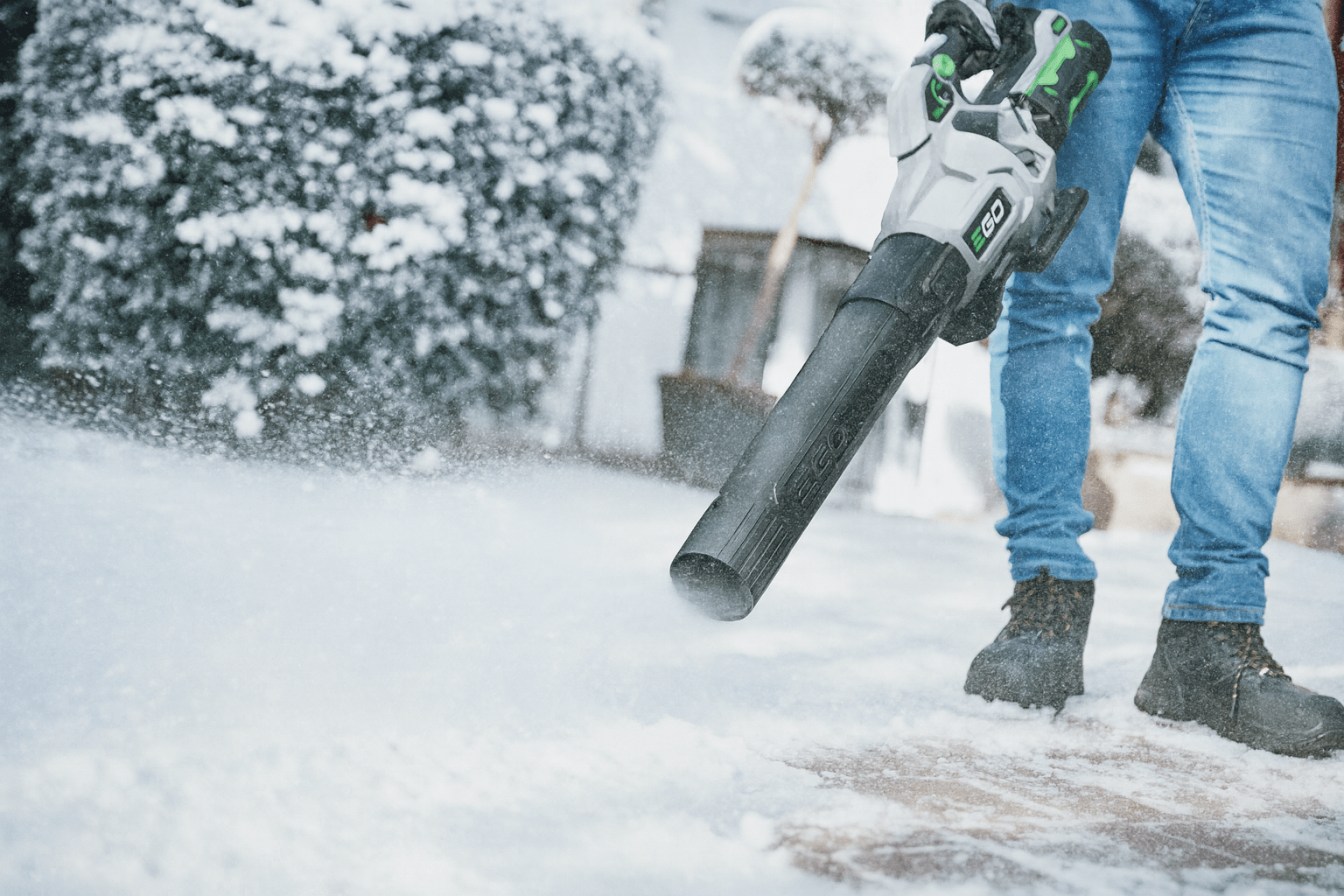
Advantages Of Using A Leaf Blower For Snow
Many homeowners find leaf blowers surprisingly useful for snow in the right conditions. Some benefits include:
- Fast clearing for light snow—no need to drag out a heavy machine.
- No scraping—good for wood decks or painted surfaces.
- Gentle on your body—no lifting or twisting.
- Multi-use tool—no need for separate machines for every season.
- Saves time on short driveways and small walkways.
Limitations And Risks
Leaf blowers are not miracle tools. There are important downsides and risks to know:
- Not effective for heavy or wet snow—you’ll just waste time and battery.
- Freezing weather can break parts—especially batteries and plastic.
- Limited range for corded models—extension cords can be dangerous on wet snow.
- Noise—leaf blowers can be very loud, which may bother neighbors.
- Possible safety issues—flying snow can hide objects that become projectiles.
- Not for ice—they cannot break up or remove ice at all.
Safety Precautions
Using a leaf blower for snow is not dangerous if you follow some basic rules:
- Never use in rain or wet snow—water and electricity do not mix.
- Wear eye protection—even light snow can carry sand or debris.
- Watch for hidden objects—rocks, sticks, or ice chunks can fly and cause injury or damage.
- Keep hands and feet away from the nozzle and moving parts.
- Do not use on ladders or rooftops—leaf blowers can throw you off balance.
- Be careful with extension cords—they can cause trips or shocks when wet.
Gas Vs. Electric Leaf Blowers For Snow
Which type is better for snow? Both have pros and cons.
| Feature | Gas Blower | Electric/Battery Blower |
|---|---|---|
| Power | High | Medium to Low |
| Cold Start | Can be hard | Instant on |
| Weight | Heavy | Lighter |
| Maintenance | More (fuel, oil, filters) | Less (mainly battery care) |
| Noise | Louder | Quieter |
| Best Use | Large areas, heavier snow | Small areas, powder snow |
Common Mistakes When Using A Leaf Blower For Snow
Even experienced users make mistakes. Here are a few to avoid:
- Waiting too long – Once snow settles or packs down, it’s much harder to move.
- Trying on wet snow – You’ll waste battery or fuel and still have to shovel.
- Ignoring wind direction – Blowing against the wind just sends snow back in your face.
- Using the wrong nozzle – Wide nozzles lose force; use a narrow tip for best results.
- Overheating the blower – Running a blower too long in cold weather can cause damage.
- Not clearing often – If you let snow build up, the blower becomes useless.
- Forgetting safety gear – Always protect your eyes and hands.
Maintenance Tips For Using Leaf Blowers In Winter
Winter weather is tough on tools. Proper care keeps your leaf blower running for years.
For Electric And Battery Blowers
- Dry storage: Always keep your blower and batteries indoors.
- Charge in warm conditions: Cold can damage batteries or make them charge slowly.
- Clean after use: Remove any snow or moisture from vents and moving parts.
- Check for cracks: Cold plastic can break; inspect before and after every use.
For Gas Blowers
- Use fresh fuel: Old gas can gum up engines, especially in cold.
- Warm up gently: Let the engine run a minute before starting work.
- Check the air filter: Snow can block filters, reducing power.
- Store with care: Keep the tank empty if you won’t use the blower for months.
Alternatives To Leaf Blowers For Snow Removal
A leaf blower is not the only option for light snow. Consider these alternatives:
- Snow shovels – Simple, reliable, but hard on your back.
- Snow brooms – Wide, soft bristles for clearing cars and decks.
- Heated mats – Placed on steps or walkways to melt snow on contact.
- Snow blowers – For heavy snow, nothing beats a proper snow blower, though they are expensive and bulky.
- Ice melt products – Useful for slippery spots but should be used carefully to avoid damaging surfaces and plants.
Environmental And Legal Considerations
Not all communities allow leaf blowers, especially gas models, due to noise and emissions. Some cities ban them during certain hours or seasons. If you live in a neighborhood with noise restrictions, check local rules before starting up your blower at 6 am.
Environmentally, battery blowers are better than gas, producing less noise and no direct emissions. But batteries can lose power quickly in cold weather, which means more charging.
Real-world Examples
Let’s look at how people actually use leaf blowers for snow:
- In upstate New York, some homeowners clear their porch and car with a battery-powered blower after small snowfalls, but switch to shovels after 3 inches.
- In Colorado, people use gas-powered blowers for dry snow, especially for decks and steps, but not for driveways.
- In Chicago, residents often try using blowers for the first snow, but quickly move to shovels or snow blowers as winter gets serious.
A non-obvious insight: Professional landscapers sometimes use leaf blowers for snow at stores and offices, but only for safety on small, high-traffic spots like walkways—never for big parking lots or roads.
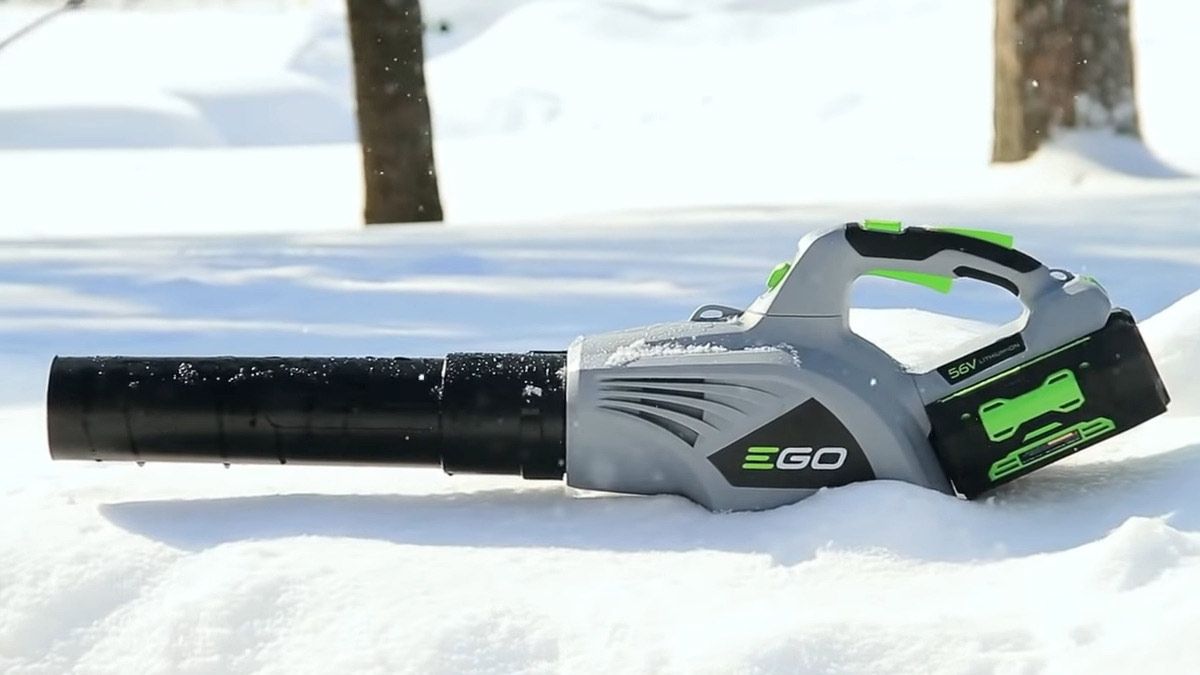
When Not To Use A Leaf Blower For Snow
There are moments when a leaf blower is the wrong tool:
- During heavy snowfall – You’ll waste time and risk damaging your blower.
- On icy mornings – Ice is dangerous and should be treated with salt or sand.
- If snow is packed or crusted – The blower won’t move it, and you may harm the surface underneath.
- When you can’t see the surface – Hidden objects can become dangerous projectiles.
How To Get The Most Out Of Your Leaf Blower In Winter
To maximize your blower’s life and effectiveness in winter:
- Act fast—clear snow as soon as it falls.
- Keep batteries charged and warm—store indoors until use.
- Use the highest air speed setting—you need max power for snow.
- Blow with the wind—let nature help you.
- Avoid blowing snow onto streets—it’s illegal in some places.
A good tip: If you’re clearing a car, start at the roof and work down, so you don’t clear the same spot twice.
Is It Worth Buying A Leaf Blower Just For Snow?
If you live where snow is rare and light, and you also deal with leaves, a leaf blower is a good investment. But if your main goal is snow removal, especially for anything heavier than a dusting, a proper snow blower or snow shovel is a better buy.
For people who already own a blower, it’s a handy bonus—not a replacement for real snow tools.
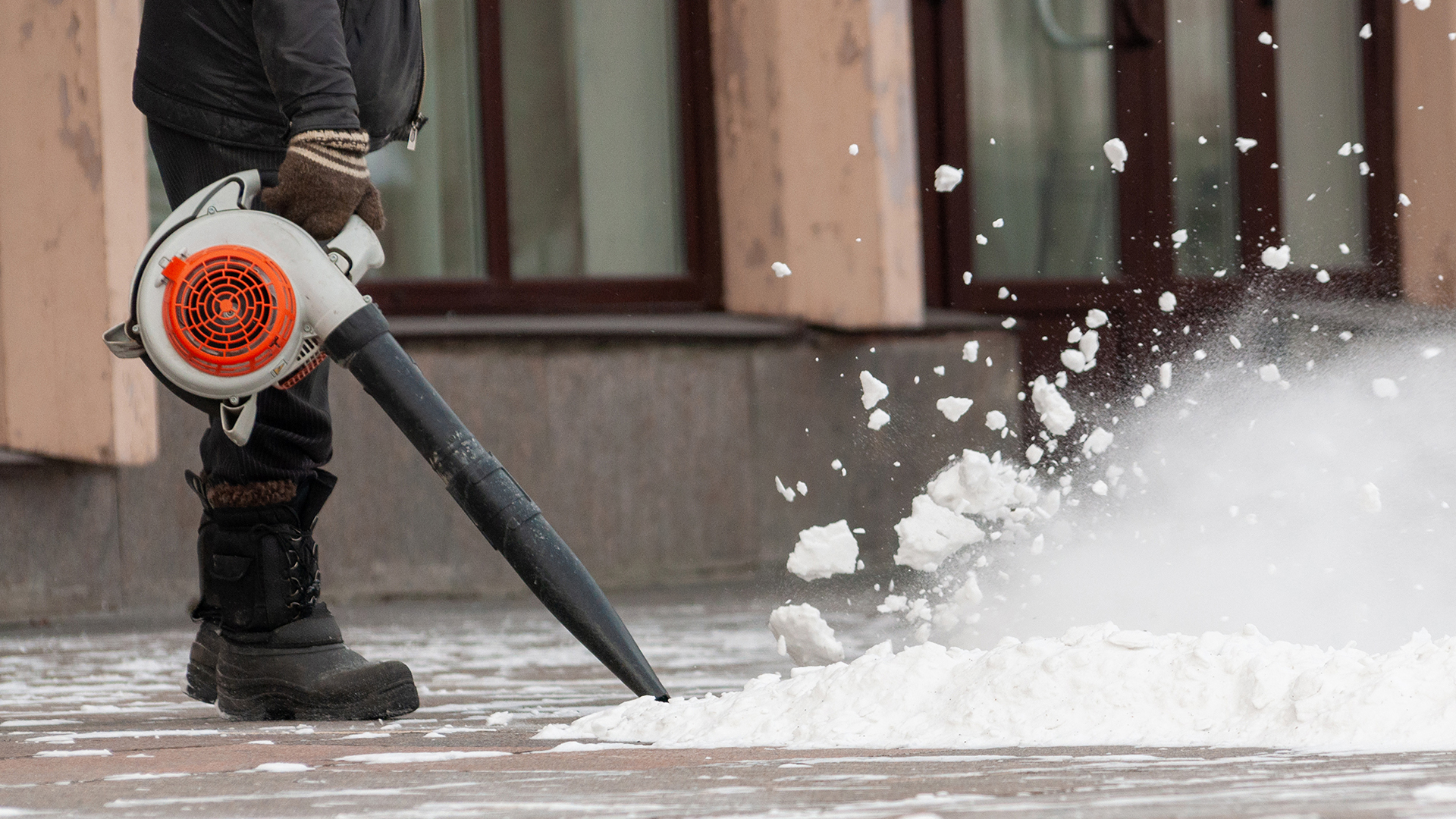
Expert Opinions And Research
Most tool experts agree: leaf blowers are useful for light, fluffy snow, but not for serious winter weather. Tool review websites and home improvement stores often recommend leaf blowers for snow only as a backup or for special cases.
A study by the University of Nebraska found that battery life dropped by 30% in temperatures below freezing, which is a big problem for winter use. Another common expert warning is about plastic nozzles becoming brittle—so avoid using the blower if it’s below 10°F (-12°C).
For deeper insights on safe snow removal, see the recommendations from the Centers for Disease Control and Prevention (CDC).
Frequently Asked Questions
Can I Use A Leaf Blower To Clear Snow Off My Car?
Yes, if the snow is light and powdery. Start at the top and work down, using a narrow nozzle. Avoid using on icy or thick snow, and don’t use the blower if your car’s paint is already damaged.
Will A Leaf Blower Work On Wet Or Heavy Snow?
No, most leaf blowers can’t move wet or heavy snow. The snow is too dense and sticky. For this type, use a shovel or snow blower instead.
Is It Safe To Use A Leaf Blower In Freezing Weather?
It’s generally safe if you protect yourself and the tool. Keep the blower dry, wear eye protection, and avoid using extension cords on wet ground. Remember, extreme cold can damage batteries and plastic parts.
How Powerful Should My Leaf Blower Be For Snow Removal?
A model with at least 180 MPH air speed and 400 CFM is best. Gas models have more power, but strong corded electrics can also work for light snow. Battery models are less effective unless used immediately after snowfall.
Does Using A Leaf Blower For Snow Damage The Machine?
Occasional use for light snow is safe if you keep the blower dry and store it indoors. Repeated use in very cold or wet conditions can damage motors, batteries, and plastic parts. Always check your user manual for temperature and weather guidelines.
Winter brings enough challenges without making snow removal harder than it needs to be. A leaf blower can be a clever tool for quick, light jobs, but know its limits. Use it wisely, protect your gear, and you’ll save time and effort on those frosty mornings.