
When you own a Chevy vehicle with a 4.3-liter engine, knowing the correct oil capacity is more than just a technical detail—it’s crucial for keeping your engine healthy, efficient, and running for years. Many drivers guess or rely on old habits, but the right oil amount matters every single time you change it. Add too little, and you risk poor lubrication; too much, and you could damage seals or cause leaks. Whether you’re a DIY mechanic or simply want to understand your vehicle better, this guide explains everything you need to know about Chevy 4.3 oil capacity. We’ll break down the specific requirements for all three main versions of the 4.3 engine, clarify why oil capacity matters, and give you hands-on advice to avoid the most common mistakes—even those seasoned Chevy owners often overlook.
Understanding The Chevy 4.3 Engine Family
The Chevy 4.3 engine has a long history. It first appeared in the early 1980s and has powered millions of Chevrolet trucks, vans, and SUVs. Its reputation for durability, simplicity, and strong performance makes it a favorite for both work and daily driving. But not all 4.3 engines are the same. There are three main types you’ll find in Chevy vehicles:
- Chevy 4.3L V6 (Vortec 4300, pre-2014)
- Chevy 4.3L V6 (EcoTec3, 2014–present)
- Chevy 4.3L V6 (Marine/Industrial variants)
Each type has its own oil capacity. Let’s dive into the details for each.
Chevy 4.3l V6 (vortec 4300, Pre-2014): Oil Capacity And Details
The Vortec 4300 is the most common 4.3 engine found in Chevy trucks and vans from the 1980s up to 2014. If you have a Chevrolet Silverado, S-10, Blazer, Astro Van, or GMC equivalent from this period, you probably have this engine under the hood.
Oil Capacity For Vortec 4300
The standard oil capacity for the Vortec 4300 is 4.5 quarts (4.3 liters) with a new oil filter. Some service manuals round this up to 5 quarts to make it easier for oil changes, but the correct fill is 4.5 quarts.
Why The 0.5 Quart Difference?
Many shops pour in a full 5-quart jug. While this usually won’t cause harm, overfilling by half a quart can create excess pressure, especially in older engines, possibly leading to leaks or foam in the oil. Always check your dipstick after filling and run the engine for a few minutes before topping up the last bit.
Recommended Oil Type
For most climates, SAE 5W-30 is the recommended oil for the Vortec 4300. In very cold regions, 0W-30 can also be used. Older engines may benefit from high-mileage blends.
Typical Oil Change Intervals
- Conventional oil: Every 3,000–4,000 miles (4,800–6,400 km)
- Synthetic oil: Every 5,000–7,500 miles (8,000–12,000 km)
Special Note For Older Engines
Many Vortec 4300s develop minor leaks with age. Using the correct oil capacity and not overfilling is especially important for high-mileage engines. Check your oil level regularly between changes.
Example Vehicles Using This Engine
- Chevy Silverado 1500 (1999–2013)
- Chevy S-10 (all years)
- Chevy Astro Van (all years)
- GMC Safari
- Chevy Blazer (all years)
Chevy 4.3l V6 (ecotec3, 2014–present): Oil Capacity And Details
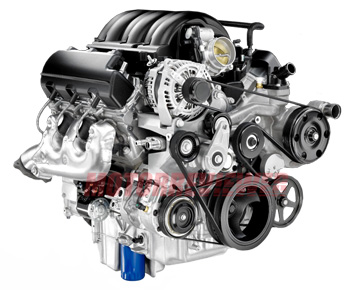
In 2014, Chevy introduced the new-generation EcoTec3 4.3L V6 engine. This engine is mostly found in newer Silverado and GMC Sierra 1500 trucks.
Oil Capacity For Ecotec3 4.3
The EcoTec3 version has a larger oil capacity than the older Vortec engine. With a new oil filter, it holds 6 quarts (5.7 liters) of oil.
Why More Oil?
The EcoTec3 engine is designed for higher efficiency and longer service intervals. The larger oil volume helps with better cooling, improved lubrication, and extended oil life.
Recommended Oil Type
Chevrolet recommends SAE 5W-30 full synthetic oil for the EcoTec3 4.3. Synthetic oil handles high temperatures and longer intervals better than conventional oil.
Typical Oil Change Intervals
- With full synthetic: Every 7,500–10,000 miles (12,000–16,000 km)
- Always follow the Oil Life Monitoring System in your truck for best results.
Practical Tips For Ecotec3 Owners
- Always use a high-quality oil filter to avoid clogging or pressure drop.
- Do not mix oil types (synthetic and conventional).
- After filling, let the engine idle for a few minutes, then recheck the oil level.
Example Vehicles Using This Engine
- Chevy Silverado 1500 (2014–2022)
- GMC Sierra 1500 (2014–2022)
- Some Chevrolet Express and GMC Savana vans (2014–2019)
Chevy 4.3l V6 (marine/industrial Variants): Oil Capacity And Details
The Chevy 4.3 is also popular in marine (boat) and industrial engines. These are often based on the Vortec engine but may have custom oil pans and cooling systems.
Typical Oil Capacity For Marine/industrial 4.3
Most marine 4.3 engines require 5 quarts (4.7 liters) of oil with filter change. However, the actual capacity can vary depending on the oil pan installed by the boat or equipment manufacturer.
Why The Variance?
Boats and industrial equipment often use custom oil pans for better oil control at extreme angles. Always check your owner’s manual or look for a label near the engine.
Recommended Oil Type
- Marine engines: Use a high-quality marine-rated 25W-40 or 10W-40 oil. Marine oil resists water contamination and handles high loads better.
- Industrial engines: Follow the specific oil type recommended by the equipment maker, but most use a heavy-duty 15W-40 or 10W-30.
Oil Change Intervals
- Marine engines: Every 50–100 hours of operation, or at least once a season.
- Industrial engines: Varies by application, but every 100–200 hours is typical.
Key Considerations For Non-automotive 4.3 Engines
- Always use oil rated for your application (marine or industrial).
- Water can contaminate marine engine oil—check for milky or foamy oil.
- Oil filters and pans may be different than automotive models.
Example Applications
- MerCruiser 4.3L V6 marine engines
- Volvo Penta 4.3 marine engines
- Industrial generators or pumps using 4.3L GM blocks

Comparing Oil Capacities: All Chevy 4.3 Engine Types
Below is a side-by-side comparison of the oil capacities for the three main Chevy 4. 3 engines. This helps you quickly reference the correct amount for your application.
| Engine Type | Model Years | Oil Capacity (with filter) | Recommended Oil |
|---|---|---|---|
| Vortec 4300 | 1985–2013 | 4.5 quarts (4.3L) | SAE 5W-30 |
| EcoTec3 4.3 | 2014–present | 6 quarts (5.7L) | SAE 5W-30 Synthetic |
| Marine/Industrial | Varies | 5 quarts (4.7L) * | Marine/Heavy Duty (see manual) |
*Always check your owner’s manual or oil pan label for marine/industrial engines.
Why Correct Oil Capacity Matters
It’s easy to think that a little more or less oil won’t make a big difference. But using the right oil capacity is one of the simplest ways to protect your engine.
Risks Of Underfilling
- Poor lubrication: Not enough oil means moving parts don’t get proper coverage.
- Overheating: Oil carries heat away; less oil means higher temperatures.
- Engine wear: Small shortages cause faster wear on bearings and camshafts.
Risks Of Overfilling
- Foaming: Too much oil can whip into foam, reducing lubrication.
- Seal damage: Excess oil increases crankcase pressure and can blow out seals.
- Catalytic converter issues: Overfilled oil may reach the exhaust and damage emissions systems.
Real-world Example
A Silverado owner added an extra quart “just to be safe. ” Within a few weeks, they noticed oil leaks and a burning smell. After draining the excess oil, the leaks stopped. The lesson? Stick to the recommended fill.
How To Check And Fill Oil Correctly
Even if you know the official oil capacity, mistakes can happen during an oil change. Here’s a step-by-step guide to get it right every time:
- Warm up the engine for a few minutes, then turn it off and wait 5 minutes for oil to drain back.
- Remove the dipstick and wipe it clean.
- Insert the dipstick fully and remove it again to check the oil level.
- Add oil slowly—start with 90% of the recommended fill, then top up as needed.
- Recheck the dipstick after running the engine for a minute.
- Never exceed the “Full” mark on the dipstick.
- Dispose of old oil properly to protect the environment.
Common Mistakes When Changing Oil In A Chevy 4.3
Many DIYers and even some mechanics repeat these errors:
- Not replacing the oil filter: An old filter can hold dirty oil and clog quickly.
- Pouring in too much oil at once: Always pour slowly and check.
- Using the wrong oil type: Vortec and EcoTec3 engines have different requirements.
- Ignoring oil pan design: Marine and industrial pans may look similar but hold more or less oil.
- Not checking for leaks after filling: Always check under the vehicle for drips.
High-mileage 4.3 Engines: Special Considerations
If your Chevy 4.3 has more than 100,000 miles (160,000 km), pay special attention to these tips:
- Use high-mileage oil: These blends contain seal conditioners to reduce leaks.
- Check for sludge: Older engines can build up sludge if oil changes were skipped.
- Monitor consumption: Some high-mileage 4.3s burn oil—check your level regularly.
Oil Filters For Chevy 4.3 Engines
Choosing the right oil filter is almost as important as picking the right oil. Here are some recommendations:
- Vortec 4300: Use AC Delco PF52 or equivalent.
- EcoTec3 4.3: Use AC Delco PF63 or equivalent.
- Marine/Industrial: Use filters rated for your application—marine filters are designed for rust resistance.
Always hand-tighten the new filter and apply a little oil to the gasket before installing.
Signs Your Chevy 4.3 Needs An Oil Change
- Engine noise: Louder ticking or knocking than normal.
- Dirty oil: Oil on the dipstick looks black or gritty.
- Oil light: Dashboard warning light comes on.
- Poor performance: Reduced power or sluggish acceleration.
Don’t wait for the oil light—this often means the oil is already too low or dirty.
Choosing The Right Oil For Your Chevy 4.3
With so many oil brands and types, the choice can be confusing. Here’s what matters most:
- Viscosity: Always match the recommended viscosity (5W-30, etc. ).
- Brand quality: Stick to trusted brands (ACDelco, Mobil 1, Valvoline).
- Synthetic vs. conventional: Newer engines (EcoTec3) need synthetic; older Vortec engines can use either, but synthetic offers better protection.
Data Comparison: Synthetic Vs. Conventional Oil (chevy 4.3)
Below is a comparison of synthetic and conventional oil performance in Chevy 4. 3 engines.
| Oil Type | Change Interval | Protection Level | Cold Start Performance | Cost per Quart |
|---|---|---|---|---|
| Synthetic | 7,500–10,000 miles | Excellent | Excellent | $6–$10 |
| Conventional | 3,000–4,000 miles | Good | Good | $4–$7 |
For most drivers, the higher cost of synthetic oil is balanced by longer intervals and better protection.
How To Find Your Chevy 4.3’s Oil Capacity
If you’re unsure which engine you have, here’s how to identify it:
- Check the VIN (Vehicle Identification Number): The 8th digit often tells you the engine type.
- Look at the engine cover: Newer EcoTec3 engines have a different design than Vortec.
- Consult your owner’s manual: The oil capacity is usually listed in the specifications section.
- Check the oil pan shape: Marine/industrial engines often have deeper or wider pans.
If you want to check specific vehicle years and capacities, reliable sources like the Chevrolet official website can help.
Practical Insights Even Experienced Owners Miss
Many Chevy 4.3 owners—even some mechanics—overlook these important points:
- Oil filter size matters: Some aftermarket filters are shorter, reducing oil capacity by up to half a quart. Always use OEM or equivalent.
- Cold weather needs: In very cold climates, thinner oils (like 0W-30) help prevent hard starts and wear during first ignition.
- High-load use: If you tow or haul often, change oil more frequently and consider synthetic for better protection.

Environmental Impact: Dispose Of Oil Responsibly
Changing your oil at home? Never pour old oil down the drain or in the trash. Most auto parts stores accept used oil for recycling. Used oil can contaminate thousands of gallons of water if dumped improperly.
Frequently Asked Questions
What Is The Oil Capacity For A 2002 Chevy Silverado 4.3 V6?
The 2002 Chevy Silverado with the 4.3L V6 (Vortec 4300) holds 4.5 quarts (4.3 liters) of oil with a filter change.
Can I Use Synthetic Oil In My Older Chevy 4.3 Engine?
Yes, you can use synthetic oil in the Vortec 4.3. It offers better protection, especially for high-mileage engines, but is not required unless specified.
How Do I Know If I Have The Ecotec3 4.3 Engine?
The EcoTec3 4.3 is found in 2014 and newer Silverado and Sierra 1500 models. The engine cover, VIN, and owner’s manual will confirm this.
What Happens If I Overfill My Chevy 4.3 With Oil?
Overfilling can cause oil leaks, foaming, seal damage, and in some cases, engine damage. Always fill to the correct level and check the dipstick after running the engine.
How Often Should I Change The Oil In My Chevy 4.3 Engine?
For Vortec 4300 (pre-2014), change every 3,000–4,000 miles with conventional oil. For EcoTec3 (2014–present), follow the Oil Life Monitor, but usually every 7,500–10,000 miles with synthetic oil.
Whether you’re maintaining a classic Chevy or a modern truck, knowing your Chevy 4.3 oil capacity and following best practices is the key to a long, healthy engine life. Proper oil changes are not just routine—they are the foundation of reliable performance. Always double-check your specs, use quality oil and filters, and treat your engine with care. That’s how you keep your Chevy running strong, year after year.