
When you need to drill holes in metal, wood, or plastic, choosing the right drill bit makes all the difference. Two of the most popular choices are cobalt drill bits and titanium drill bits. For many DIYers and professionals, it’s not always clear which one to pick for their projects. Both options look similar at first, but they have important differences in material, performance, and cost. Understanding these differences helps you save time, money, and avoid frustration on the job.
This article dives deep into the world of cobalt and titanium drill bits. You’ll learn what each type is made of, how they perform in real-world tasks, and which one matches your needs. We’ll explore the science, share helpful tips, and reveal common mistakes beginners make when buying or using these tools.
By the end, you’ll know exactly which drill bit is best for your next project—whether you’re drilling into tough stainless steel or just making holes in plastic.
What Are Cobalt Drill Bits?
Cobalt drill bits are made for heavy-duty work. They’re not solid cobalt; instead, they are high-speed steel (HSS) bits with a percentage of cobalt (usually 5% or 8%) mixed into the steel. This makes them much harder and able to withstand more heat than ordinary HSS bits.
Key Features Of Cobalt Drill Bits
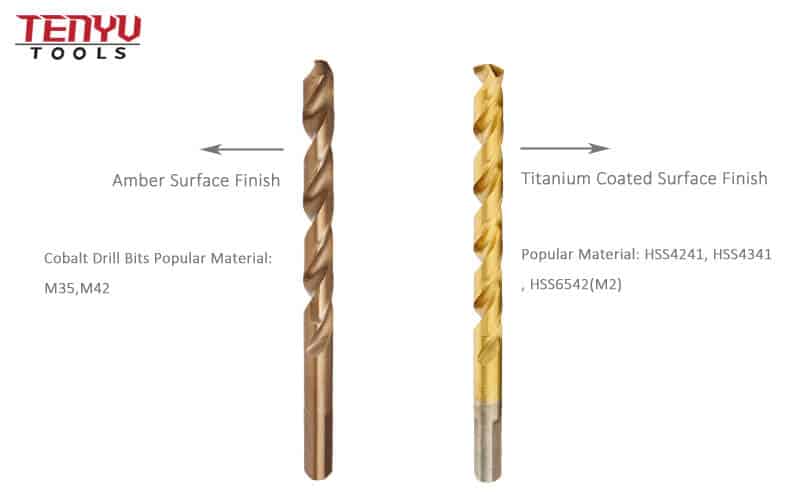
- Material Composition: These are HSS bits with cobalt alloyed (often labeled as M35 for 5% cobalt or M42 for 8% cobalt).
- Color: They usually have a dull, goldish or bronze color.
- Hardness: Cobalt increases the bit’s hardness, making it suitable for drilling hard metals.
- Heat Resistance: Can handle higher temperatures without losing their edge.
Typical Uses
Cobalt drill bits are ideal for:
- Drilling stainless steel
- Cutting through cast iron
- Working with titanium alloys
- Drilling hard plastics
Their strength means they work best in industrial settings, metalworking shops, and for serious DIY users working with tough materials.
Practical Example
Imagine you need to drill holes through a stainless steel sink. Ordinary drill bits would get dull quickly and might even break. A cobalt drill bit keeps cutting, stays sharp longer, and gets the job done without overheating.
What Are Titanium Drill Bits?
Titanium drill bits are also made from HSS but are coated with a thin layer of titanium nitride (TiN) or a similar titanium compound. This coating improves the bit’s performance, but only affects the surface.
Key Features Of Titanium Drill Bits
- Material Composition: HSS core with a titanium nitride or related coating.
- Color: Shiny, bright gold finish due to the coating.
- Surface Hardness: The titanium coating makes the surface harder and more wear-resistant.
- Friction Reduction: The coating helps bits glide through material smoothly.
Typical Uses
Titanium drill bits are great for:
- Drilling wood
- Working with plastic
- Drilling softer metals like aluminum
- General-purpose home and workshop use
They are best for users who need bits that last longer than basic HSS but don’t need heavy-duty performance.
Practical Example
If you’re assembling furniture or installing shelves on drywall or wood, a titanium drill bit will give you clean holes and last longer than a standard bit.
Cobalt Vs Titanium Drill Bit: Head-to-head Comparison
To help you see the key differences, here’s a detailed comparison of cobalt and titanium drill bits:
| Feature | Cobalt Drill Bit | Titanium Drill Bit |
|---|---|---|
| Material | HSS alloyed with 5-8% cobalt | HSS with titanium nitride coating |
| Hardness | Very high (up to 67 HRC) | High (surface only, 63-65 HRC) |
| Heat Resistance | Excellent | Good |
| Durability | Maintains edge after sharpening | Coating wears off, cannot re-coat |
| Best For | Stainless steel, hard metals | Wood, plastic, soft metals |
| Price | More expensive | Less expensive |
Performance In Different Materials
Choosing the right drill bit depends on what you plan to drill. Here’s how cobalt and titanium bits perform in common materials:
Drilling Into Metal
- Cobalt drill bits are the top choice for metals like stainless steel, cast iron, and titanium alloys. Their hardness and heat resistance keep them sharp, even after many holes.
- Titanium drill bits work well on softer metals such as aluminum, brass, and mild steel. But the coating can wear off fast when drilling harder metals.
Drilling Into Wood
- Both types can drill wood, but titanium bits are usually preferred because they are cheaper and the coating helps reduce friction. Cobalt bits are often “overkill” for wood.
Drilling Into Plastic
- Both work, but again, titanium bits are more cost-effective for plastic. Cobalt is not necessary unless you’re drilling a plastic with metal reinforcement.
Real-world Example
A professional machinist drilling hundreds of holes in stainless steel would choose cobalt bits every time. But a homeowner hanging pictures on drywall could get by with titanium bits for years.

Credit: eldoradotools.com
Durability And Longevity
One of the biggest differences is how long these bits last—and what happens when they get dull.
Cobalt Drill Bits
- Can be resharpened many times without losing performance, since the cobalt is alloyed through the entire bit.
- Withstand repeated use and high temperatures.
- Lifespan: Often last for years in professional use, especially if used properly.
Titanium Drill Bits
- Only the coating is hard. Once it wears off, the bit acts like regular HSS.
- Cannot be resharpened to restore the coating.
- Lifespan: Last longer than HSS, but not as long as cobalt bits.
Non-obvious Insight
Many beginners assume titanium bits last forever due to their shiny gold color. In reality, their lifespan depends on how quickly the coating wears away. After that, they are no better than basic HSS bits.
Cost Comparison
Price matters, especially if you’re buying a full set. Let’s see how the costs compare.
- Cobalt drill bits are more expensive, often costing 1.5 to 3 times more than titanium-coated bits of the same size.
- Titanium drill bits are affordable, making them popular for home workshops and hobbyists.
Example Pricing
A 13-piece set of cobalt bits might cost $30–$50, while a similar titanium set costs $15–$25.
Hidden Cost
If you drill hard metals often, buying titanium bits may become more expensive over time because you’ll have to replace them more often. Cobalt bits, though pricier up front, can save money in the long run for tough jobs.
Ease Of Sharpening And Maintenance
Cobalt bits can be sharpened using a bench grinder or special drill bit sharpener. Since the cobalt is throughout the bit, sharpening exposes fresh, hard material.
Titanium bits, however, lose their coating when sharpened. Once the gold color is gone at the tip, that part of the bit loses its special properties.
Maintenance Tips
- For cobalt bits: Sharpen regularly, keep them cool during use, and clean after drilling.
- For titanium bits: Avoid sharpening unless you must. Replace when dull.
Non-obvious Insight
A common mistake is using titanium bits for repeated sharpening. This quickly turns them into regular HSS bits, wasting the money spent on the titanium coating.
Heat Resistance And Overheating
Heat is the enemy of drill bits. Overheating causes bits to lose their temper (hardness), making them dull and weak.
Cobalt Drill Bits
- Excel at high temperatures.
- Suitable for dry drilling (no coolant), though coolant extends life even more.
- Hold their edge when other bits would fail.
Titanium Drill Bits
- The coating reduces friction and heat, but only as long as the coating lasts.
- Overheating can burn off the coating, reducing performance.
Pro Tip
When drilling metal, always use cutting oil or lubricant. It keeps both cobalt and titanium bits cooler, extends their life, and gives cleaner holes.
Credit: www.protoolreviews.com
Speed And Efficiency
Both bit types are designed for fast, efficient drilling. But there are differences in how they cut and how much pressure you need.
Cobalt Drill Bits
- Can cut at higher speeds in tough materials without overheating.
- Require less pressure to cut through hard metals.
Titanium Drill Bits
- Work best at moderate speeds, especially in wood and plastic.
- Using too much speed or pressure can strip the coating and dull the bit quickly.
Example
If you’re drilling multiple holes in a steel plate, cobalt bits let you keep working without stopping for frequent bit changes or resharpening.
Types And Variations
Not all cobalt and titanium bits are the same. Here are some common types you’ll find:
Cobalt Drill Bits
- M35 (5% cobalt): Good balance of hardness and toughness; most common for general metalwork.
- M42 (8% cobalt): Even harder, for the toughest jobs like hardened steel.
Titanium Drill Bits
- Titanium Nitride (TiN): The classic gold coating, good for general use.
- Titanium Carbonitride (TiCN): Blue-gray, harder than TiN, better for abrasive materials.
- Titanium Aluminum Nitride (TiAlN): Violet-gray, highest heat resistance, found in pro-grade bits.
Point Styles
Both cobalt and titanium bits come in different tip designs:
- Split point (135°): Reduces walking, starts holes easily in metal.
- Standard point (118°): Good for wood and plastic, less precise in metal.
Shank Styles
- Round shank: Fits most drill chucks.
- Hex shank: Prevents slipping, fits impact drivers.
Credit: www.tenyutool.com
Pros And Cons: Quick Summary
Here’s a side-by-side look at the advantages and disadvantages of each type:
| Aspect | Cobalt Drill Bit | Titanium Drill Bit |
|---|---|---|
| Strength | Excellent for hard metals | Good for soft metals, wood |
| Edge Retention | Very good, even after sharpening | Only as long as coating lasts |
| Price | High | Low to moderate |
| Sharpening | Easy, full performance restored | Loses coating, can’t restore |
| Best Use | Metalworking, industrial | DIY, woodworking, soft metals |
Choosing The Right Drill Bit: Factors To Consider
Picking the best drill bit depends on your project, budget, and expectations. Here are the most important factors to consider:
1. Material To Drill
- For hardened steel, stainless steel, or cast iron, always choose cobalt.
- For wood, plastic, or soft metals like aluminum, titanium bits are usually enough.
2. Frequency Of Use
- If you drill tough metals often, invest in cobalt bits.
- For occasional home projects, titanium bits offer good value.
3. Budget
- Cobalt costs more upfront but lasts longer for tough jobs.
- Titanium is cheaper, ideal for lighter tasks.
4. Ability To Sharpen
- If you know how to sharpen bits, cobalt is a better long-term investment.
- If you prefer replacing dull bits, titanium is easier and more affordable.
5. Drill Power
- Both bit types work in standard drills, but cobalt bits perform best in drills with adjustable speed and torque.
Common Mistakes And How To Avoid Them
Many users—especially beginners—make mistakes that shorten the life of their drill bits or cause poor results. Here’s what to watch for:
1. Using The Wrong Bit For The Material
Drilling stainless steel with a titanium bit burns the coating and ruins the bit quickly.
2. Drilling Too Fast
High speeds cause overheating. Always start slow, especially in metal.
3. No Lubrication
Dry drilling causes bits to overheat and wear out. Use cutting oil or a suitable lubricant for metals.
4. Forcing The Bit
Let the drill do the work. Pushing too hard dulls or breaks bits.
5. Resharpening Titanium Bits
Sharpening removes the coating, making them no better than basic HSS.
Practical Tips For Best Results
- Mark your hole with a center punch before drilling metal. This keeps the bit from wandering.
- Use the right drill speed: Slower for metal, faster for wood and plastic.
- Apply steady, moderate pressure—not too much.
- Cool the bit: Pause during long drilling, or use oil on metal.
- Inspect bits regularly: Replace or sharpen as needed.
Environmental And Safety Considerations
Drill bits may seem harmless, but there are a few things to keep in mind for safe and responsible use.
- Wear safety glasses when drilling, especially in metal, to avoid flying chips.
- Dispose of old bits responsibly. Don’t throw them in regular trash—recycle as scrap metal.
- Handle sharp bits carefully. Store them in a case, not loose in your toolbox.
- Use clamps to hold workpieces steady. Never drill freehand into small items.
Innovations And New Trends
While cobalt and titanium bits remain industry standards, some new technologies are emerging:
- Nano-coatings: Some modern bits use nano-ceramic or diamond-like coatings for even higher hardness.
- Variable-geometry tips: New tip designs start holes faster and reduce walking.
- Multi-material bits: Some bits are designed to work on wood, metal, and plastic without changing.
But for most users, cobalt and titanium bits remain the top choices due to their proven performance.
How To Tell Cobalt And Titanium Bits Apart
It’s easy to mix up cobalt and titanium bits, especially when shopping or sorting your toolbox.
- Color: Titanium bits are bright, shiny gold. Cobalt bits are darker, dull gold or bronze.
- Markings: Some bits are labeled (e.g., “M35”, “TiN”, or “HSS-Co”).
- Feel: Cobalt bits often feel heavier and sturdier.
When in doubt, check the product packaging or manufacturer’s website.
When To Replace Drill Bits
Even the best drill bits wear out. Signs you need a new bit:
- The bit squeals or smokes during drilling.
- Holes are rough or oversized.
- The bit requires much more pressure than before.
- Visible chips or cracks on the cutting edge.
Replacing worn bits saves your time, protects your drill, and gives better results.
Popular Brands And Recommendations
Many trusted tool brands offer high-quality cobalt and titanium drill bits. Some popular names include:
- DeWalt
- Bosch
- Irwin
- Milwaukee
- Makita
Always buy from reputable brands or trusted retailers to avoid counterfeit or low-quality products.
Real User Experiences
Professionals in machine shops often say cobalt bits are a must for tough metals. Home DIYers, on the other hand, often choose titanium bits for their lower price and decent performance in everyday tasks.
One surprising insight is that many beginners are disappointed with titanium bits because they use them on hard metals, not realizing the coating wears off quickly. On the other hand, some hobbyists buy expensive cobalt bits for woodwork, not realizing they’re paying for strength they don’t need.
Environmental Impact
Both bit types are made from steel alloys, which require mining and energy to produce. Cobalt mining, in particular, has raised concerns about environmental and ethical issues. For most users, the impact is small, but if you want to reduce your footprint, buy only the bits you need and recycle old bits when possible. For more information on cobalt’s impact, see the Wikipedia page on cobalt.
Frequently Asked Questions
What Is The Main Difference Between Cobalt And Titanium Drill Bits?
Cobalt drill bits have cobalt mixed into the steel, making them hard all the way through. Titanium drill bits are regular steel coated with a thin layer of titanium nitride. This means cobalt bits last longer in tough jobs and can be resharpened, while titanium bits are more affordable for lighter tasks.
Can I Use Cobalt Drill Bits For Wood?
Yes, you can use cobalt bits for wood, but it’s not necessary. They are designed for metal and are more expensive. Titanium bits or even standard HSS bits work well for wood and are more cost-effective.
Are Titanium Drill Bits Good For Stainless Steel?
No, titanium bits are not ideal for stainless steel. The coating wears off quickly, and then the bit dulls fast. For stainless steel, cobalt drill bits are the best choice.
How Do I Know If My Drill Bit Is Cobalt Or Titanium?
Cobalt bits are usually a dull gold or bronze color and are sometimes marked “M35” or “M42. ” Titanium bits are bright, shiny gold because of their coating. Packaging or product markings can also help identify them.
Do I Need To Use Lubricant With Cobalt Or Titanium Drill Bits?
Yes, it is always a good idea to use cutting oil or lubricant when drilling metal. It keeps the bit cool, reduces wear, and gives cleaner holes—especially important for both cobalt and titanium bits to maximize their life.
When you match the right drill bit to your project, you’ll get better results, save money, and avoid frustration. Whether you choose cobalt for hard metals or titanium for everyday tasks, understanding these differences gives you the confidence to work smarter and safer.