
The Cummins B6.7 engine stands as one of the most trusted and popular diesel engines in the world, especially in medium-duty trucks, buses, and a variety of industrial applications. When talking about reliability and long engine life, few things are more important than proper oil maintenance. Yet, many owners and technicians find themselves confused about the correct oil capacity, suitable oil types, and the best practices for oil changes on this engine.
If you own, operate, or maintain equipment powered by the Cummins B6.7, understanding the details of its oil capacity is more than just a technical necessity—it’s a key to extending engine life, reducing breakdowns, and saving money. This article will guide you through everything you need to know about the Cummins B6.7 oil capacity, including the six core elements that define proper oil service for this engine. Along the way, you’ll gain insights that even many experienced mechanics overlook, ensuring you can keep your engine running smoothly for years to come.
What Is The Cummins B6.7 Engine?
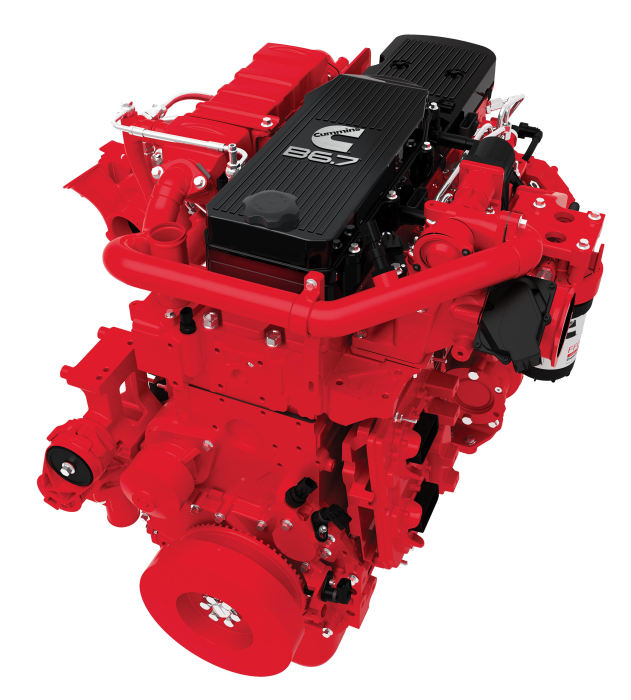
The Cummins B6.7 is a 6.7-liter, inline-6, turbocharged diesel engine. It’s the evolution of the legendary ISB series and is widely used in commercial trucks, buses, motorhomes, and even some off-highway equipment. With power output ranging from 200 to 360 horsepower, it offers the perfect blend of torque, durability, and fuel efficiency.
A unique trait of the B6.7 is its adaptability. Cummins has designed this engine for low emissions, with advanced control systems to meet strict regulations. However, these same features mean that oil quality and quantity matter more than ever. Running the engine with incorrect oil capacity can lead to costly repairs and downtime.
Another important aspect is the engine’s compatibility with modern emission systems such as EGR (Exhaust Gas Recirculation), SCR (Selective Catalytic Reduction), and DPF (Diesel Particulate Filter). These systems help the B6. 7 comply with environmental standards but also make oil choice and oil change intervals more critical.
Contaminated or degraded oil can affect not just engine parts but also these sensitive emission components, leading to larger and more expensive maintenance issues.
In addition, the B6. 7 engine is known for its robust design. Its cast iron block, forged steel crankshaft, and high-pressure common rail fuel system are built for endurance. However, even the strongest design relies on proper lubrication. For those new to diesel engines, it’s easy to overlook how much oil serves as both coolant and cleaner inside the engine, not just a lubricant.
Cummins B6.7 Oil Capacity: The Six Key Items
When it comes to oil service, there are six main factors you must understand:
- Factory-specified oil capacity (with and without filter)
- Recommended oil types and viscosity grades
- Oil change intervals and service factors
- Common mistakes with oil changes
- How oil capacity affects engine health
- Steps to check and refill oil correctly
Let’s look at each of these in detail.
Credit: www.cummins.com
1. Factory-specified Oil Capacity (with And Without Filter)
The first question most people have is: How much oil does the Cummins B6.7 really take? The answer depends on whether you’re including the oil filter or not.
- With oil filter change: 15 quarts (14.2 liters)
- Without oil filter change: 13.5 quarts (12.8 liters)
These numbers are based on the most common B6. 7 configurations found in North American trucks and buses. However, it’s important to check your specific engine’s manual, as some vocational models or off-highway applications may have slight variations in oil pan design.
| Service Type | Oil Capacity (US Quarts) | Oil Capacity (Liters) |
|---|---|---|
| With Filter Change | 15 | 14.2 |
| Without Filter Change | 13.5 | 12.8 |
It’s also worth noting that the oil capacity is carefully matched to the engine’s internal design, including passageways, galleries, and the oil cooler. If your equipment uses an auxiliary oil cooler or a remote-mounted filter, the system could need slightly more oil than the standard specification.
It’s a small detail, but overfilling or underfilling by even half a quart can matter, especially in engines operating under severe conditions.
Non-obvious insight: Many first-time owners make the mistake of filling oil only up to the dipstick “Full” mark immediately after pouring. However, after starting the engine and filling the oil filter, the level drops—so always check oil again after the engine has run for a minute.
Another overlooked detail is how oil drains from the upper parts of the engine after shutdown. If you check oil too soon, you might get a false low reading. Waiting those extra five to ten minutes can be the difference between a correct fill and an accidental overfill.
2. Recommended Oil Types And Viscosity Grades
The type of oil you use is just as critical as the amount. Cummins recommends only high-quality, heavy-duty diesel engine oils that meet the API CK-4 or FA-4 service classification.
Common Oil Viscosity Grades
- 15W-40: The most widely used viscosity for B6.7 engines, especially in moderate and warm climates.
- 10W-30: Suggested for colder environments or for fuel economy, but only if it meets the correct specifications.
Using the correct viscosity ensures proper lubrication during both cold starts and high-load operation.
| Temperature Range | Recommended Viscosity |
|---|---|
| Above -20°C (-4°F) | 15W-40 |
| Below -20°C (-4°F) | 10W-30 |
Pro tip: Never use gasoline engine oils (API SN, SP, etc.) in a B6.7. They lack the detergents and additives necessary for diesel soot control.
Synthetic Vs. Conventional
While conventional oils are acceptable, many fleet operators have switched to synthetic diesel oils for better cold weather performance and extended drain intervals. However, you must still follow Cummins’ oil change recommendations—synthetic oil does not mean you can ignore the schedule.
Example: In cold Canadian winters, a 10W-30 synthetic oil can make winter starts easier and reduce engine wear.
Another benefit of synthetic oil is its improved resistance to breakdown under high temperatures, which can be a game-changer for vehicles running in hot climates or under heavy loads. However, synthetic oil is not a solution for poor maintenance habits.
If your engine is leaking, burning oil, or often runs under severe duty, synthetic oil alone won’t prevent problems.
Non-obvious insight: Viscosity isn’t just about temperature. In modern engines with tight tolerances and high-pressure fuel systems, using oil that’s too thick or too thin can affect injector performance and even fuel economy. Always match the oil grade to your engine’s needs and your climate.
3. Oil Change Intervals And Service Factors
How often should you change the oil? This depends on both mileage and hours, as well as the application.
Standard Oil Change Intervals
- Light-duty trucks (less than 14,000 lbs GVW): Every 15,000 miles (24,000 km) or 12 months
- Medium/heavy-duty vehicles: Every 25,000 miles (40,000 km) or 12 months
- Severe duty/stop-and-go/commercial buses: 10,000 to 15,000 miles (16,000–24,000 km) or as specified by Cummins
Non-obvious insight: Oil change intervals are also based on fuel consumption. For vehicles with long idling times (like buses or delivery trucks), change oil every 500–600 engine hours, not just by miles.
| Vehicle/Application | Interval (Miles) | Interval (Hours) |
|---|---|---|
| Light-duty truck | 15,000 | 500 |
| Medium/heavy-duty truck | 25,000 | 750 |
| Severe duty/commercial bus | 10,000 | 400 |
Tip: Always change the oil filter at every oil change. The B6.7’s high-pressure fuel system can quickly contaminate oil with soot if the filter is not replaced.
Environmental factors should also influence your oil change schedule. Extreme heat, dust, or repeated short trips can shorten oil life. If your vehicle often idles for long periods—like a school bus or garbage truck—the engine can accumulate more soot and contaminants, even if the mileage is low.
Non-obvious insight: For those who use their B6.7 in mixed conditions, combining both city and highway driving, consider tracking oil condition with regular dipstick checks. If you notice the oil becoming thick, gritty, or unusually dark before the scheduled change, don’t hesitate to change it early. The price of an extra oil change is far less than the cost of engine repairs.
4. Common Mistakes With Oil Changes
Even experienced mechanics can make costly errors when servicing the B6.7. Here are the most common mistakes:
1. Overfilling Or Underfilling
Adding too much oil can cause foaming, which leads to poor lubrication and possible engine damage. Underfilling means not enough oil for proper cooling or protection.
- Check the dipstick after running the engine for a minute to allow the oil filter to fill.
- Always use the correct measuring container.
2. Wrong Oil Filter
Using a non-genuine or incorrect oil filter can cause leaks, poor filtration, or even oil starvation. Always use a Cummins-approved oil filter with the correct part number.
3. Ignoring Oil Analysis
Many fleets now use oil analysis to monitor engine health. Skipping this can mean missing early signs of fuel dilution or coolant leaks.
Practical example: If you notice the oil turning unusually black or thin before the scheduled interval, consider sending a sample for analysis.
4. Forgetting To Check For Leaks
After refilling, always inspect for leaks at the oil filter and drain plug. Even a small leak can quickly reduce oil level and pressure.
Non-obvious insight: A loose oil filter or drain plug is a leading cause of sudden engine failure after an oil change.
Another mistake is reusing old drain plug washers or not tightening the filter to the specified torque. Both can lead to leaks that may not show up until the engine is under load. To avoid this, keep a small torque wrench in your toolbox and always use new washers or gaskets where required.
A further overlooked step is priming the new oil filter. Some technicians fill the filter before installation, while others rely on the engine to do the job. For the B6. 7, pre-filling the filter can help ensure immediate lubrication on startup, especially in colder weather.
5. How Oil Capacity Affects Engine Health
The oil capacity of the B6.7 is not just a number—it is carefully calculated to:
- Provide enough oil for cooling: Diesel engines run hotter and put more stress on oil than gasoline engines.
- Allow for contaminant dilution: Soot, fuel, and other byproducts are suspended in oil. Too little oil means contaminants build up faster.
- Support longer service intervals: More oil means it takes longer for the oil to become saturated with contaminants.
What Happens If You Run Low On Oil?
Even running a quart or two low can raise oil temperature, reduce lubrication, and speed up wear on bearings and turbochargers. In some cases, the engine may shut down due to low oil pressure—but by then, damage has often started.
Real-world example: A bus fleet in Arizona found that frequent short-filling (just one quart low) led to a 30% higher rate of turbocharger failures.
Another risk of running low on oil is increased oxidation inside the engine. As oil gets hotter, it breaks down faster, forming sludge that can block oil passages and cause further damage. This is especially dangerous in engines with emission systems, as clogged oil passages can lead to DPF or EGR system failures.
What About Overfilling?
Filling above the “Full” mark can cause foaming, which reduces the oil’s ability to lubricate. Air bubbles in the oil film can lead to bearing damage and increased oil consumption.
Pro tip: Always fill to the “Full” line on the dipstick—never above.
A less obvious risk with overfilling is the potential for oil to reach the crankshaft, causing it to whip air into the oil (aeration). Aerated oil loses its ability to form a protective film, putting all moving parts at risk.
Over time, this leads to accelerated bearing wear and, in severe cases, complete engine failure.
6. Steps To Check And Refill Oil Correctly
Knowing the right amount of oil is only half the job. Checking and refilling oil on the B6. 7 must be done carefully.
Step-by-step Guide
- Warm up the engine: Run until it reaches normal operating temperature, then shut off and wait 5–10 minutes for oil to drain to the pan.
- Check the level: Pull out the dipstick, wipe clean, reinsert fully, and check again.
- Drain old oil: If changing oil, remove the drain plug and let all oil flow out. Replace the plug with a new washer if needed.
- Replace oil filter: Always install a new, lubricated filter.
- Add oil: Pour in 14 quarts (13.2 liters) to start, then check the dipstick.
- Start the engine: Let it run for 1–2 minutes to fill the new filter, then shut off and recheck the level.
- Top up: Add oil in small amounts until the dipstick reads “Full.”
Key Details
- Never fill to “Full” when the filter is empty; always check after the engine runs.
- Use a funnel to avoid spills and contamination.
- Always dispose of old oil and filters responsibly.
Non-obvious insight: It’s best to check oil in the morning, before starting the engine. This gives the most accurate reading, as all oil has drained into the pan overnight.
Another tip: if you’re working in a dusty or dirty environment, wipe the area around the dipstick and oil fill cap before opening. This helps keep debris out of the engine, which can extend oil and engine life.
The Role Of Oil Capacity In Emissions And Engine Longevity
The B6.7 engine is built to meet strict emissions regulations. Proper oil capacity is critical for this, because:
- Diesel particulate filters (DPF) rely on clean oil to reduce soot buildup.
- Excessive oil consumption or contamination can cause the DPF to clog, leading to expensive repairs.
- Low oil levels can cause higher NOx emissions and reduced fuel efficiency.
Tip: If your engine is equipped with a DPF or selective catalytic reduction (SCR), follow oil capacity and change intervals even more closely.
What’s often missed is that the right oil capacity helps keep the emission system healthy by minimizing the amount of oil that can be burned or leak into the exhaust. Burned oil creates ash that the DPF cannot remove, which eventually requires manual cleaning or replacement.
Sticking to the correct oil fill and using low-ash, approved oils helps protect both your engine and your emissions system.
Signs Of Incorrect Oil Capacity In The Cummins B6.7
Sometimes, even with careful measurement, you may end up with the wrong oil level. Watch for these signs:
- Low oil pressure warning
- Unusual engine noise
- Increased oil consumption
- Visible leaks
- Smoke from exhaust
If you notice any of these, stop the engine and check the oil level immediately.
Another subtle sign of incorrect oil capacity is a sudden drop in fuel economy or increased exhaust regeneration cycles. These can indicate that oil is either being burned or contaminated, affecting both engine efficiency and emissions.
How Oil Capacity Varies By Application
While the standard capacity for most on-highway B6.7 engines is 15 quarts, some applications may differ:
- School buses: May have different pans due to chassis packaging.
- Off-highway equipment: Sometimes uses deep-sump pans for long idle times.
- RV/motorhomes: Some models use remote oil filter setups, slightly increasing capacity.
Always check your engine serial number and the owner’s manual for the exact specification.
Also, note that international versions of the B6. 7 or those used in stationary equipment (like generators) can have unique oil sumps or filtration systems. A quick check of the engine’s build sheet or contacting Cummins support can prevent accidental mis-servicing.
Choosing The Right Oil Filter For Cummins B6.7
The oil filter is not just an add-on. The right filter keeps your oil clean and your engine safe.
- Use only filters with the correct bypass valve rating (Cummins-approved).
- Avoid cheap “will fit” filters, as they may not filter out fine soot particles.
Example: A fleet that switched to low-quality filters saw oil pressure drop and engine wear increase, even though oil changes were done on time.
In some cases, third-party filters can fit but do not offer the same filtration efficiency. Over time, this can allow abrasive soot or metal particles to circulate, increasing wear rates and possibly voiding your warranty. Always check for the Cummins certification or approval on the filter box.

Credit: spetuner.com
Frequently Asked Questions
What Is The Exact Oil Capacity For The Cummins B6.7 With A New Oil Filter?
With a new oil filter, the Cummins B6.7 requires 15 US quarts (14.2 liters) of oil. This amount ensures the engine, including the filter and all oil passages, is properly filled for safe operation.
Can I Use 10w-30 Oil In A Cummins B6.7?
Yes, you can use 10W-30 as long as it meets the API CK-4 or FA-4 classification and is approved by Cummins. It’s recommended for cold climates or if your engine is designed for improved fuel economy.
How Do I Know If I’ve Overfilled Or Underfilled The Oil?
Check the oil level on the dipstick after running the engine briefly and letting it sit for a few minutes. The level should be at the “Full” mark—not above or below. Overfilling can cause foaming and leaks, while underfilling can lead to engine wear.
How Often Should I Change The Oil In A Cummins B6.7?
Follow the mileage or hour-based interval specified for your application. For most light-duty trucks, change oil every 15,000 miles (24,000 km) or 12 months. For severe duty, every 10,000 miles (16,000 km) or 400 hours is typical. Always change the oil filter at the same time.
Where Can I Find More Technical Details On The Cummins B6.7?
The official Cummins website provides full manuals, technical specifications, and service bulletins. For more information, visit the Cummins B6.7 official page.
Keeping the Cummins B6.7 engine in top shape starts with respecting its precise oil capacity and using the right oil for your environment and workload. Whether you drive a city bus, run a delivery truck, or manage a fleet, understanding these six key oil service factors is your first defense against unnecessary wear and breakdowns. A little attention to detail—like double-checking oil levels after the filter fills, or choosing the correct viscosity for your climate—can add years of trouble-free service to your engine. Remember: with every oil change, you’re not just maintaining, you’re investing in the long life and reliability of your Cummins B6.7.
By staying consistent with these practices, you’ll not only keep your engine healthy but also support cleaner emissions, better fuel economy, and lower overall operating costs. Even small improvements—like tracking oil analysis results or investing in genuine filters—can pay off in fewer repairs and longer intervals between overhauls.
In the end, your diligence with oil capacity and quality becomes the foundation for reliable performance, trip after trip.

Credit: www.fleetequipmentmag.com