
If you own or work with heavy-duty trucks, you probably know how important engine maintenance is. The Cummins ISX is a favorite engine for many trucking fleets and owner-operators, known for its power and reliability. But to keep this engine running strong, you need to understand its oil requirements—especially the Cummins ISX oil capacity. This knowledge can save you from costly repairs and keep your rig on the road, not in the shop. Let’s break down everything you need to know, from exact oil quantities to practical advice for your ISX engine.
What Is The Cummins Isx Engine?
The Cummins ISX is a heavy-duty diesel engine first introduced in 1998, replacing the older N14 model. You’ll find it in many Class 8 trucks, such as Freightliners, Kenworths, and Peterbilts. The ISX stands out for its:
- High torque: Ideal for hauling heavy loads
- Dual overhead camshafts: Better fuel efficiency and emissions control
- Variable geometry turbocharger: Improves performance across RPM ranges
Over the years, the ISX has gone through several updates, including EPA compliance changes and technology upgrades. As a result, oil capacity can differ between model years and configurations.
Why Oil Capacity Matters For Cummins Isx
It might seem simple—just fill the oil to the line, right? But the correct oil capacity is vital for:
- Proper lubrication: Prevents engine wear and overheating
- Cooling: Oil helps carry heat away from critical parts
- Contaminant suspension: Keeps dirt and particles from causing damage
Using too little oil can starve the engine of protection. Too much oil can increase pressure, cause leaks, or foam, reducing effectiveness. Both mistakes can lead to expensive engine damage.
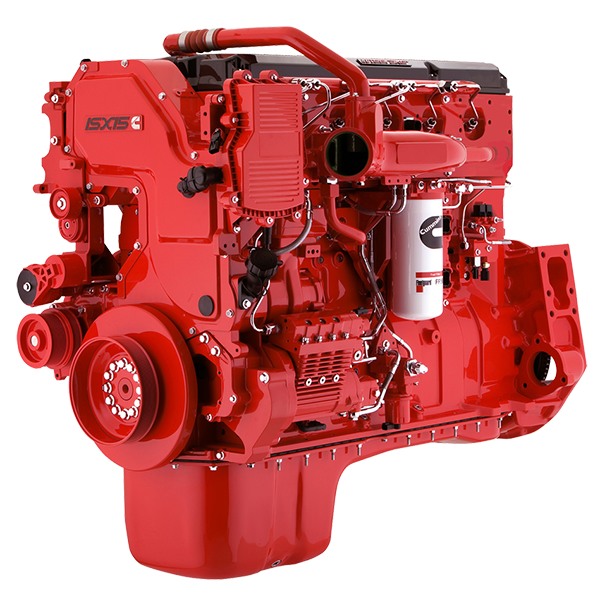
Credit: www.cummins.com
Cummins Isx Oil Capacity: Key Numbers
The ISX oil system is larger than most car engines, so you’ll need to plan ahead for oil changes and top-ups. Here’s a breakdown of the most common oil capacities you’ll encounter.
| Model Year / Version | Oil Capacity (With Filter) | Notes |
|---|---|---|
| ISX (pre-2008) | 10 gallons (37.8 liters) | Standard pan |
| ISX (2008–2010) | 10–11 gallons (37.8–41.6 liters) | Some variants have larger pans |
| ISX15 (2010+) | 11 gallons (41.6 liters) | Common in newer trucks |
| ISX12 | 9 gallons (34 liters) | Smaller displacement model |
Note: Always check your engine’s specific manual for the exact amount, as aftermarket pans or modifications can change these numbers.
How To Check And Refill Cummins Isx Oil
Even if you know the total oil capacity, you should always check the oil level manually after changing it. Here’s a practical step-by-step guide:
- Park on level ground and let the engine cool for 10–15 minutes.
- Pull the dipstick, wipe it clean, and reinsert fully.
- Remove again and check level—it should be between the “Min” and “Max” marks.
- Add oil slowly if needed, checking level after each quart or liter.
- Start the engine and let it idle for a minute, then recheck. The oil filter will fill up and drop the level slightly.
Tip: Overfilling is a common mistake. Add oil in smaller amounts and wait for it to settle before topping off.
Oil Types And Specifications For Cummins Isx
Choosing the right engine oil is as important as the quantity. The wrong oil can cause poor lubrication, excessive wear, or even void warranties.
Recommended Oil Types
Cummins recommends API CK-4 or FA-4 classified oils for ISX engines, depending on the year and emission system. Viscosity should match the climate and operating conditions:
- 15W-40: Most common, works for most North American climates
- 10W-30: Better for cold weather, improves fuel economy
- 5W-40 synthetic: For extreme cold or extended intervals
Common Brands
While many brands meet Cummins specs, some popular choices include:
- Valvoline Premium Blue (officially endorsed by Cummins)
- Shell Rotella T6
- Mobil Delvac 1300 Super
Always look for the API and Cummins approval on the bottle.
Synthetic Vs. Conventional
Synthetic oils offer:
- Longer change intervals
- Better high/low temperature performance
- Improved engine cleanliness
However, they are more expensive. Many fleet operators stick with conventional oil but change more often.
Oil Change Intervals For Cummins Isx
How often should you change the oil? This depends on:
- Driving conditions
- Type of oil
- Engine age and emissions system
Typical oil change intervals:
- On-highway trucks: 25,000 miles (40,000 km)
- Severe duty (city, stop/go, dusty conditions): 15,000 miles (24,000 km)
- Idle-heavy or short-haul: As often as 10,000 miles (16,000 km)
For engines using synthetic oil, intervals can sometimes stretch to 35,000 miles, but only with regular oil analysis.
Non-obvious tip: Many operators ignore idle time, but one hour of idling can equal 25–30 miles of driving when calculating oil change intervals. Always include idle hours in your maintenance planning.
Isx Oil System Components
Understanding the ISX oil system helps you make the best maintenance decisions.
Key Parts
- Oil pan: Where oil is stored
- Oil pump: Circulates oil throughout the engine
- Oil filter: Removes particles and contaminants
- Oil cooler: Keeps oil at safe temperature
If any of these parts fail or leak, your oil capacity and pressure can be affected.
Types Of Oil Pans
ISX engines can have different oil pan sizes:
- Standard pan: 10 gallons
- Deep sump pan: 11–12 gallons (common in ISX15)
- Aftermarket pans: Some custom pans hold more or less oil
Check for the correct pan on your engine before adding oil.
How To Change Oil On A Cummins Isx
Changing oil on a Cummins ISX is a straightforward but messy job. Here’s a detailed process for those doing their own maintenance.
What You’ll Need
- 10–11 gallons of recommended oil
- New oil filter (check your engine’s part number)
- Oil drain pan (at least 12 gallons capacity)
- Wrenches and filter wrench
- Funnel and rags
Steps
- Warm up the engine for 5–10 minutes to thin the oil.
- Park safely and set the brake.
- Remove the drain plug and let the old oil drain fully.
- Replace the oil filter (pre-fill new filter with oil if possible).
- Install the drain plug and tighten to spec.
- Add new oil through the fill port, checking capacity.
- Start the engine and let it idle, check for leaks.
- Re-check oil level after a few minutes and top off if necessary.
Tip: Always use a new crush washer or gasket on the drain plug to prevent leaks.
Common Problems With Isx Oil Capacity
Even with the right amount of oil, problems can arise. Here are some issues to watch for:
Overfilling
Adding too much oil can cause:
- Aeration (foam): Reduces lubrication
- Increased crankcase pressure: Blows out seals and gaskets
- Oil leaks
If you overfill, drain some oil immediately.
Underfilling
Not enough oil causes:
- Insufficient lubrication
- High engine temperatures
- Engine damage
Always double-check the dipstick after changing oil.
Leaks
ISX engines can develop leaks at the:
- Oil pan gasket
- Oil cooler seals
- Front/rear main seals
Leaks reduce oil level and should be repaired quickly.
Burning Oil
Some ISX engines may burn oil due to worn piston rings or valve seals. If you notice blue smoke or the oil level drops quickly, have the engine checked by a professional.
How Oil Capacity Affects Engine Performance
You might wonder if the oil capacity really affects how your ISX runs. The answer is yes.
- Full oil level: Ensures best cooling, lowest wear, and maximum power output
- Low oil: Can cause overheating, power loss, and even engine seizure
- High oil: Leads to foaming, poor lubrication, and possible emissions faults
Non-obvious insight: Modern ISX engines use sensors to monitor oil pressure and temperature. If oil capacity is wrong, you may get warning lights or derated performance.

Credit: southlandinternationaltrucks.com
Differences Between Isx, Isx12, And Isx15 Oil Capacities
Not all ISX engines are identical. Here’s how the main models compare:
| Engine Model | Displacement | Standard Oil Capacity | Notes |
|---|---|---|---|
| ISX | 14.9L | 10 gallons | Oldest version |
| ISX12 | 11.9L | 9 gallons | Lighter trucks |
| ISX15 | 14.9L | 11 gallons | Most common today |
If you’re unsure which engine you have, check the data plate on the engine block or your truck’s VIN details.
What Happens If You Use The Wrong Oil Capacity?
It’s easy to think “a little more or less won’t hurt,” but incorrect oil levels can cause:
- Premature wear
- Turbocharger failure (common in ISX engines)
- DPF and EGR issues (if oil gets into emissions components)
- Low or high oil pressure codes
Always stick to the manufacturer’s recommendation and check the dipstick, not just the amount you add.
Practical Tips For Isx Oil Maintenance
Keeping your ISX engine running long and strong is about more than just filling oil. Here are practical maintenance tips:
- Change oil and filter together: Old filters can let dirt back into clean oil.
- Use high-quality filters: Cheaper filters may fail early.
- Check oil level weekly: Especially if you drive long distances.
- Record every oil change: Track mileage, oil type, and any top-offs.
- Watch for warning lights: Low oil pressure or high temperature needs immediate attention.
- Inspect for leaks regularly: Even small drips can add up to big problems.
Experience-based tip: Many ISX owners notice better oil pressure and less consumption when using premium filters and sticking to OEM oil specs.
Signs Of Low Or High Oil In Cummins Isx
The ISX is a tough engine, but it will warn you if something’s wrong.
Low Oil Symptoms
- Oil pressure warning light
- Loud ticking or knocking from engine
- High engine temperature
- Loss of power
High Oil Symptoms
- Oil leaks at gaskets or seals
- White smoke from exhaust (if oil enters cylinders)
- Check engine light for emissions issues
If you notice any of these, check your oil level immediately.
How To Dispose Of Used Oil Safely
After changing your ISX oil, you’ll have a lot of used oil. Never dump it—this is illegal and harmful. Here’s what to do:
- Store used oil in a sealed container
- Take to a recycling center—most auto parts stores accept used oil for free
- Never mix with other fluids (coolant, fuel, etc.)
Recycling oil protects the environment and keeps you legal.
Isx Oil Capacity And Emissions Systems
Modern ISX engines have EGR (Exhaust Gas Recirculation) and DPF (Diesel Particulate Filter) systems. Oil quality and level affect these:
- Too much oil: Can cause oil to enter the DPF, leading to clogging and expensive repairs
- Low-quality oil: Produces more ash, shortening DPF life
For trucks with emissions systems, always use low-ash, API-approved oil and never overfill.
Cost Of Oil Changes For Cummins Isx
Changing oil on an ISX is more expensive than a passenger car, mainly due to the large oil volume.
- DIY oil change: $100–$200 (oil and filter only)
- Shop oil change: $250–$350 (labor included)
Synthetic oil can add $50–$100 to the cost. However, good maintenance is far cheaper than engine repairs.
Non-obvious tip: Many truck stops and fleet shops offer oil change specials for regular customers, which can save you money if you plan ahead.
How To Find Oil Capacity For Your Specific Isx Engine
If you’re not sure about your exact oil capacity, here’s how to find it:
- Check the owner’s manual: Most accurate for your engine and pan size
- Look for the engine data plate: Usually on the valve cover or side of the engine
- Ask your dealer or mechanic: They can look up by your VIN or engine serial number
- Online resources: Trusted sites like Cummins QuickServe have detailed specs
Don’t guess—different configurations can mean a difference of several quarts.

Credit: southlandinternationaltrucks.com
The Role Of Oil Analysis In Isx Maintenance
For large fleets or high-mileage trucks, regular oil analysis is a smart investment. This involves sending a small oil sample to a lab for testing. They check for:
- Wear metals: Indicates internal engine wear
- Contaminants: Dirt, coolant, or fuel in oil
- Oil breakdown: How long oil can be used safely
Oil analysis can help you safely extend change intervals and catch problems early, saving money and downtime.
Future-proofing: Isx Oil Capacity And New Technology
As emission standards get tougher and engines get smarter, oil specs and capacities may continue to change. Newer ISX and successor engines may require:
- Even lower-ash oil for advanced emissions systems
- Longer-life synthetic oils for extended service intervals
- Advanced monitoring systems to alert you before problems occur
Staying updated with Cummins bulletins and your truck’s manual is the best way to keep up.
Frequently Asked Questions
What Is The Oil Capacity For The Cummins Isx15?
The ISX15 usually holds 11 gallons (41.6 liters) of oil when the filter is changed. However, always confirm with your engine’s manual or data plate, since some configurations may vary.
Can I Use 10w-30 Oil In My Cummins Isx?
Yes, 10W-30 oil is often recommended for colder climates or for improving fuel economy. Just make sure it meets API CK-4 or newer specifications and is approved by Cummins for your specific engine.
What Happens If I Overfill My Isx Engine With Oil?
Overfilling can cause oil foaming, high crankcase pressure, leaks, and even damage to emissions systems. If you’ve added too much, drain the excess immediately and always check the dipstick after an oil change.
How Often Should I Change The Oil In My Cummins Isx?
Most on-highway ISX engines need oil changes every 25,000 miles (40,000 km). Severe duty or idle-heavy engines should change oil more often, and using oil analysis can help fine-tune your schedule.
Where Can I Find More Information About Cummins Isx Oil Specifications?
You can find detailed, official information at the Cummins QuickServe website. Always use trusted sources for technical details.
Taking care of your Cummins ISX oil capacity isn’t just about pouring in the right number of gallons—it’s about understanding your engine, using the best products, and maintaining a schedule that matches your driving. With this complete guide, you’re ready to keep your ISX running smoothly for many miles to come.