
The Cummins N14 is a legendary diesel engine, known for its reliability and power in heavy-duty trucks and industrial machines. For both owners and mechanics, understanding the oil capacity of the N14 is critical. The right oil amount keeps the engine cool, reduces wear, and extends engine life. But there’s more to oil capacity than just a number. You must know how the oil system works, what factors affect capacity, the types of oil recommended, maintenance routines, and the differences between N14 models.
If you’ve ever wondered why some N14 engines seem to use more or less oil, or you want to avoid expensive repairs caused by incorrect oil levels, this guide will answer all your questions. We will look at every aspect of Cummins N14 oil capacity, including 14 essential points you must know.
Along the way, you’ll find tips, common mistakes, and real-world examples that even experienced mechanics sometimes overlook. Whether you’re a truck owner, fleet manager, or diesel enthusiast, this article will give you the confidence to keep your N14 running strong.
Understanding Cummins N14 Oil Capacity
Knowing the oil capacity of your engine is not just about pouring in the right amount. It’s about protecting the heart of your machine. The Cummins N14’s oil system is designed to manage high loads, long hours, and extreme temperatures. If you use too little oil, the engine may overheat and wear out quickly. If you overfill, it can cause oil leaks, foaming, and damage seals.
The standard oil capacity for most Cummins N14 engines is about 10 gallons, or 37.8 liters, including the oil filter. However, there are variations depending on the specific model, oil pan design, and application. Always check your engine’s manual for the exact specification.
Let’s break down the 14 key items every N14 owner and technician should know about oil capacity.
1. Standard Oil Capacity For Cummins N14
The most common oil capacity for a Cummins N14 engine is 10 gallons (37.8 liters), which includes the oil filter and oil cooler. This figure is based on the standard oil pan used in most highway truck applications. When you do a complete oil change, including the filter, you should plan for this amount.
Some N14 engines may use slightly less—about 9.5 gallons—if they have a shallow oil pan or are used in specialized equipment. For accurate measurement, always check the dipstick after refilling, since overfilling can be as harmful as running low. Remember, oil expands when warm, so take readings when the engine is at normal temperature.
2. Oil Capacity Differences By N14 Model
The N14 family includes different models: N14 Celect, N14 Celect Plus, N14 Plus, and N14 Mechanical. While the basic engine block is similar, there can be small differences in oil pan size and oil cooler design.
- N14 Celect & Celect Plus: Usually require 10 gallons with the standard pan.
- N14 Mechanical: Sometimes use 9 to 10 gallons.
- Industrial/Off-road N14s: May use custom oil pans, so capacity can range from 8.5 to 11 gallons.
Always verify your model’s specification. Don’t assume all N14s are the same. Even within the same model, oil pan swaps are common in used engines.
3. Oil Pan Design And Its Effect On Capacity
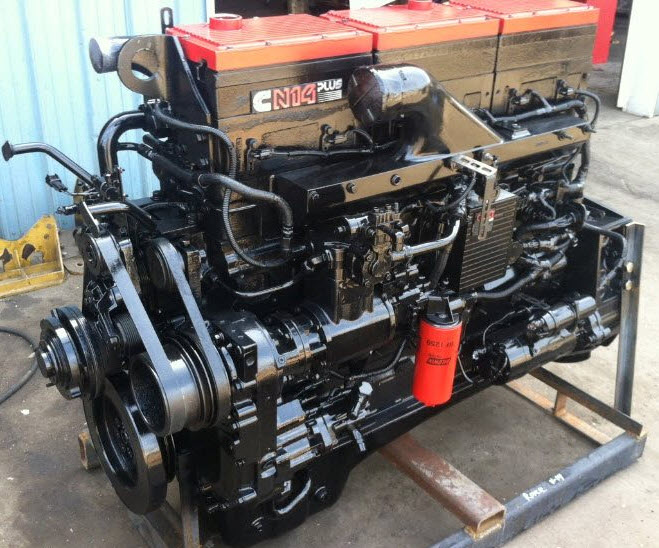
One detail that surprises many is how much the oil pan design affects the total oil capacity. Cummins N14 engines can have a standard pan, deep pan, or shallow pan. Deep pans allow for more oil, which is useful for long-haul trucks or engines that run for many hours without stopping.
- Standard pan: 10 gallons (most common)
- Deep pan: Up to 11 gallons
- Shallow pan: 9 to 9.5 gallons
If your truck was modified or rebuilt, make sure you know which pan is installed. You can check the part number stamped on the pan or compare it visually with Cummins diagrams.
Credit: www.capitalremanexchange.com
4. Oil Filter And Cooler Volume
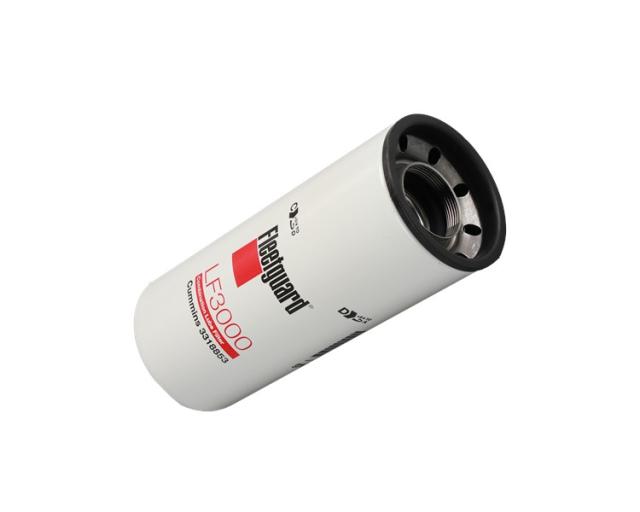
When you change the oil, it’s not just the oil in the pan that matters. The oil filter and oil cooler also hold oil. The filter typically holds about 1 quart (0.95 liters), and the oil cooler about 1–1.5 quarts.
If you only drain the pan and skip the filter, you’ll leave old oil in the system. For a full oil change, always include the filter and consider the cooler’s volume, especially after a rebuild or when the system is dry.
5. Recommended Oil Types And Viscosity
Choosing the right engine oil is as important as the amount. Cummins recommends SAE 15W-40 for most N14 engines, meeting the API CI-4 or later specification. This oil works well in a wide range of temperatures and provides good protection for both older and newer engines.
In very cold climates, you can use 10W-30 to help with cold starts, but always check Cummins’ official recommendations. Using oil outside the recommended viscosity can cause poor lubrication, especially on startup.

Credit: sadlerpowertrain.com
6. Oil Change Intervals And Impact On Capacity
How often you change the oil depends on your operating conditions:
- Highway trucks: Every 15,000 miles (24,000 km) or 500 hours, whichever comes first.
- Severe service (heavy loads, lots of idling): Every 10,000 miles (16,000 km) or 250 hours.
- Off-road/industrial: Follow the equipment manufacturer’s schedule.
Regular oil changes prevent sludge buildup and protect the engine. Skipping changes can cause oil thickening, which reduces flow and increases wear—even if you always fill to the correct capacity.
7. Checking Oil Level Correctly
Many people make mistakes when checking the oil level on an N14. For the most accurate reading:
- Park on level ground.
- Let the engine idle for 5 minutes, then shut off.
- Wait another 5–10 minutes so oil returns to the pan.
- Pull the dipstick, wipe it, reinsert, and check.
The full mark on the dipstick is set for the correct oil capacity. Never fill above this mark. Too much oil can cause aeration and leaks.
8. Overfilling And Underfilling: Risks And Symptoms
Both overfilling and underfilling have serious risks. Overfilling can lead to:
- Oil foaming: Air bubbles reduce lubrication.
- Leaking seals: Excess pressure damages seals and gaskets.
- Catalytic converter damage: Oil can burn and foul emissions systems.
Underfilling causes:
- Low oil pressure: Leads to poor lubrication and rapid wear.
- Overheating: Oil cools the engine, so less oil means higher temperatures.
- Engine seizure: In extreme cases, the engine can lock up.
If you notice high oil pressure, blue smoke, or oil leaks after an oil change, double-check the level.
9. Oil Consumption: What’s Normal For N14?
A common worry is oil consumption. Even a healthy N14 can use a small amount of oil, especially under heavy loads. Cummins considers up to 1 quart per 1,000 miles (0.95 liters per 1,600 km) as normal for high-mileage engines.
If your engine is using more oil:
- Check for leaks at the pan, filter, and turbo.
- Inspect for blue smoke, which means oil is burning.
- Make sure the crankcase breather is not clogged.
Sudden increases in oil consumption are a warning sign—don’t ignore them.
10. Oil Capacity And Engine Performance
Oil capacity affects more than just lubrication. The right amount of oil:
- Keeps temperatures stable: Oil absorbs heat from pistons and bearings.
- Maintains oil pressure: Too little oil leads to drops in pressure, especially at idle.
- Prevents sludging: More oil means contaminants are diluted.
If you use the wrong oil capacity, you may notice:
- Loss of power
- Increased engine noise
- Poor fuel economy
Always match the oil volume to the engine’s needs, especially after repairs or modifications.
11. Impact Of Aftermarket Modifications
Many N14 engines are modified with aftermarket oil pans, turbos, or coolers. These changes can raise or lower the oil capacity.
For example, a larger oil pan adds a gallon or more to the system. If you install a larger turbo, it may have its own oil lines and reservoir. When modifying your engine, recalculate the total oil capacity and mark the new full level on the dipstick if needed.
Neglecting to adjust for modifications can cause chronic overfilling or underfilling, leading to expensive repairs.
12. Oil Capacity In Extreme Climates
Operating the N14 in very hot or cold climates impacts oil choice and sometimes capacity.
- Hot climates: Stick to the upper end of the recommended viscosity (15W-40). High heat can thin oil, so never use lower grades.
- Cold climates: Consider 10W-30 or preheating systems for easier starts. Let the engine idle a few minutes before driving to avoid oil starvation.
In both cases, don’t reduce oil volume to compensate for leaks or consumption. Always keep oil at the full mark for best protection.
13. Common Mistakes When Refilling N14 Oil
Even experienced mechanics make mistakes when refilling oil in the N14. Watch out for these:
- Not draining all old oil: Always change the filter and let the engine drain fully.
- Forgetting the cooler and lines: These can trap old oil if not purged during rebuilds.
- Using the wrong dipstick: Aftermarket dipsticks may not match the original pan depth.
- Topping off when hot: Oil expands when hot—wait for cooldown to check true level.
- Mixing oil types: Stick to one brand and grade for best results.
A smart tip: after filling, run the engine for a few minutes, then recheck the level to confirm.
14. Oil Capacity And Maintenance Records
Keeping detailed maintenance records is often overlooked but very important. Record every oil change, noting:
- Amount of oil used
- Brand and viscosity
- Date and mileage
- Any leaks or issues
Good records help spot oil consumption trends and catch problems early. If you sell the truck or engine, a maintenance log boosts value and buyer confidence.
Comparing Cummins N14 Oil Capacity With Other Engines
To understand where the N14 stands, compare its oil capacity to similar engines.
| Engine Model | Oil Capacity (Gallons) | Recommended Oil Viscosity |
|---|---|---|
| Cummins N14 | 10 | 15W-40 |
| Caterpillar C15 | 10 | 15W-40 |
| Detroit Diesel Series 60 | 10 | 15W-40 |
| Cummins ISX | 10–11 | 15W-40 |
As you can see, the N14’s oil capacity is in line with other heavy-duty engines. This makes it easier to manage fleets with different brands.
Signs Of Oil-related Problems In N14
It’s important to recognize early signs of oil problems:
- Low oil pressure light: Immediate action needed. Shut down and check oil.
- Unusual engine noise: Knocking, ticking, or clattering can mean oil starvation.
- Blue smoke: Indicates burning oil.
- Oil leaks: Check under the engine and around the oil pan.
Ignoring these symptoms can lead to costly breakdowns.
How To Measure Oil Accurately
A common beginner mistake is trusting only the oil added, not the dipstick. Always use the dipstick as your final check. If you suspect the wrong dipstick is installed, measure the oil drained and compare with specifications.
For rebuilt or modified engines, you can calibrate the system:
- Drain all oil.
- Add oil in 1-quart increments, checking the dipstick each time.
- Mark the full level when the specified amount is reached.
This ensures you never run over or under the correct capacity.
Credit: www.vanderhaags.com
Oil System Components: What Affects Capacity?
The N14 oil system includes more than the pan and filter:
- Oil cooler
- Turbo oil lines
- Bypass filter (if equipped)
- Hoses and galleries
If any of these are replaced, capacity may change. For example, a larger bypass filter adds volume. Always account for the full system, not just the pan.
Practical Oil Change Example
Let’s walk through a typical oil change for an N14 with a standard pan:
- Warm up the engine for 5 minutes.
- Shut off and drain oil from the pan.
- Remove and replace the oil filter.
- Drain the oil cooler if possible.
- Add 10 gallons of 15W-40 oil.
- Start the engine, check for leaks.
- Shut off, wait 10 minutes, and check the dipstick.
If the level is below full, add oil in small amounts until the mark is reached. This method prevents overfilling.
Cost Of Oil Changes On Cummins N14
A full oil change on an N14 is not cheap, but it protects a much more expensive engine. Here’s a cost breakdown:
| Item | Cost (USD) |
|---|---|
| 10 gallons of 15W-40 oil | $100–$180 |
| Oil filter | $20–$40 |
| Labor (if not DIY) | $50–$120 |
| Total | $170–$340 |
DIY oil changes save money, but always dispose of old oil responsibly. Many auto parts stores offer recycling.
Best Practices For Long Engine Life
Keeping your N14 in top shape is about more than just filling to the right line.
- Use high-quality filters and oil.
- Follow the manufacturer’s schedule for changes.
- Inspect for leaks regularly.
- Don’t mix oil brands or viscosities.
- Record every maintenance event.
A small investment in proper oil care leads to thousands of hours of reliable service.
Real-world Insights: What Owners Miss
Two insights often missed by even experienced owners:
- Sludge can hide oil problems. If the engine has not been maintained, sludge builds up in the pan and reduces actual oil capacity. On your next oil change, check for black, thick deposits. If you find sludge, clean the pan and oil galleries.
- Altitude and engine load affect oil temperature. Long mountain climbs or heavy loads heat up the oil. In these cases, stick to the upper end of the recommended capacity and change oil more often.
Where To Find Official Cummins N14 Oil Specs
Always consult the official Cummins service manual for your engine’s serial number. You can find detailed specs and updates on the Cummins website or through authorized dealers. For a reliable reference, check the Cummins QuickServe portal.
Frequently Asked Questions
What Is The Standard Oil Capacity For A Cummins N14?
The standard oil capacity for most Cummins N14 engines is 10 gallons (37.8 liters) with the oil filter included. However, always check your engine’s manual for the exact specification, as some models may vary slightly.
Can I Use 10w-30 Oil Instead Of 15w-40 In My N14?
You can use 10W-30 in very cold climates to help with cold starts, but Cummins generally recommends 15W-40 for most conditions. Always follow the guidelines in your engine manual to avoid lubrication problems.
What Happens If I Overfill The Oil In My N14 Engine?
Overfilling can cause oil foaming, leaks, and even damage to engine seals. It can also lead to poor lubrication and increased wear. Always fill oil to the full mark on the dipstick, not above it.
How Often Should I Change The Oil In My Cummins N14?
For highway use, change oil every 15,000 miles (24,000 km) or 500 hours. For severe service, change it every 10,000 miles (16,000 km) or 250 hours. Off-road engines may need more frequent changes.
Why Does My N14 Engine Use Oil Between Changes?
Normal oil use is up to 1 quart per 1,000 miles (0.95 liters per 1,600 km) for high-mileage engines. If usage is higher, check for leaks, worn piston rings, or valve guides. Burning oil may show as blue smoke from the exhaust.
Maintaining the right oil capacity in your Cummins N14 is not difficult, but it does require attention to detail. The investment of time and care pays off in many more miles and hours of reliable service. Always use quality oil, follow maintenance schedules, and keep good records. Your N14 will reward you with the performance and longevity that made it a legend in the diesel world.