
The Dodge Durango stands as a bold, reliable SUV known for its power and versatility. Whether you own an older V6 or a modern V8, understanding your Durango’s oil capacity is more than routine maintenance—it’s the key to engine health and long vehicle life. Yet, for many owners, oil capacity can be confusing. It’s not just about pouring oil until it “looks full.” Every engine type and year has its own requirements, and even small mistakes can lead to costly repairs or performance issues.
This article will clear all confusion about Dodge Durango oil capacity. We’ll break down capacities for different model years and engines, explain why the right amount matters, and share real tips you won’t find in your owner’s manual. If you’re looking to change your Durango’s oil yourself or want to understand what your mechanic is doing, you’ll find everything you need here.
Why Oil Capacity Matters In Your Dodge Durango
Many drivers know oil is important, but few realize how critical the exact oil capacity is. Too little oil causes poor lubrication, engine overheating, and possible damage. Too much oil can raise engine pressure and lead to leaks or seal failures. Both can shorten engine life, sometimes with repairs costing thousands of dollars.
Manufacturers test engines to find the best oil amount for cooling, cleaning, and lubricating parts. The Dodge Durango, with its range of engines and towing abilities, depends on the right oil volume more than many SUVs. Using the correct oil capacity ensures:
- Consistent engine performance: Your Durango runs smoother with the right oil.
- Maximum fuel efficiency: The engine doesn’t work harder than it needs to.
- Longer engine life: Proper lubrication reduces wear and tear.
- Warranty protection: Incorrect oil changes can void coverage.
Many owners miss that oil capacity can change even for the same model, due to different trims, engine options, or changes between model years. Always check your engine code and year before adding oil.
Dodge Durango Oil Capacity By Engine And Year
The Durango has offered several engines over the years. Each one has a specific oil requirement. Below you’ll find detailed breakdowns for the most popular engines and generations.
1998–2003 (first Generation)
This period launched the Durango with several engine options. Here’s a summary:
| Engine | Years | Oil Capacity (with filter) | Recommended Oil Viscosity |
|---|---|---|---|
| 3.9L V6 | 1998–2003 | 4.0 quarts (3.8 liters) | SAE 10W-30 |
| 5.2L V8 | 1998–2000 | 5.0 quarts (4.7 liters) | SAE 10W-30 |
| 5.9L V8 | 1998–2003 | 5.0 quarts (4.7 liters) | SAE 10W-30 |
| 4.7L V8 | 2000–2003 | 6.0 quarts (5.7 liters) | SAE 5W-30 |
Insights For First Generation Owners
- The 4.7L V8 needs more oil than the other V8s, which surprises many owners.
- If you tow often or drive in hot climates, stick to the recommended oil weight for your engine.
2004–2009 (second Generation)
The second generation brought new engines and some changes in oil capacity.
| Engine | Years | Oil Capacity (with filter) | Recommended Oil Viscosity |
|---|---|---|---|
| 3.7L V6 | 2004–2009 | 5.0 quarts (4.7 liters) | SAE 5W-30 |
| 4.7L V8 | 2004–2009 | 6.0 quarts (5.7 liters) | SAE 5W-30 |
| 5.7L HEMI V8 | 2004–2009 | 7.0 quarts (6.6 liters) | SAE 5W-20 |
Second Generation Highlights
- The 5.7L HEMI V8 has a much higher oil capacity than previous engines.
- Always replace the oil filter when changing oil; the filter holds extra oil.
2011–present (third Generation)
This era sees the most diversity in engine options and oil capacities. The third generation also includes performance models like the SRT.
| Engine | Years | Oil Capacity (with filter) | Recommended Oil Viscosity |
|---|---|---|---|
| 3.6L Pentastar V6 | 2011–Present | 6.0 quarts (5.7 liters) | SAE 5W-20 |
| 5.7L HEMI V8 | 2011–Present | 7.0 quarts (6.6 liters) | SAE 5W-20 |
| 6.4L SRT HEMI V8 | 2018–Present | 7.0 quarts (6.6 liters) | SAE 0W-40 |
| 6.2L Supercharged V8 | 2021–Present | 8.0 quarts (7.6 liters) | SAE 0W-40 |
Third Generation Details
- The 6.2L Supercharged V8 (in the Durango SRT Hellcat) uses much more oil—don’t assume all V8s are the same.
- For the 3.6L Pentastar V6, the oil level can drop quickly if you tow or drive hard—check more often.
Special Editions And Diesel Models
Some markets saw special editions or diesel models. For example, the 3.0L EcoDiesel (rare in the U.S.) holds about 8.0 quarts (7.6 liters). Always double-check the owner’s manual for these less common models.
Credit: ppepower.com
How To Check And Top Off Your Dodge Durango’s Oil
Knowing the oil capacity is only useful if you check and fill oil the right way. Here’s a clear process:
- Warm up the engine: Run your Durango for a few minutes. This helps oil circulate.
- Park on level ground: An uneven surface gives a false reading.
- Wait a few minutes: After shutting off, let oil settle in the pan.
- Pull the dipstick: Wipe it clean, reinsert fully, and pull again.
- Check the level: The oil should be between the “MIN” and “MAX” marks.
- Add oil if needed: Pour slowly; check after each half-quart.
- Don’t overfill: Stop if you reach “MAX”—extra oil can harm the engine.
Pro Tips
- Always use a funnel to avoid spills near belts and electronics.
- If you run low often, check for leaks under the car or white smoke (a sign of burning oil).
- After an oil change, run the engine briefly, turn off, and check the level again—filters can hold back oil after the first pour.
Choosing The Right Oil For Your Dodge Durango
Capacity is only half the story; oil type matters just as much. Dodge recommends full synthetic oil for most modern Durangos, but you must match both viscosity and quality standard.
Understanding Viscosity
Viscosity refers to how thick or thin the oil is at different temperatures. For example, 5W-20 means the oil flows well at cold (the “5W”) and at high temperatures (the “20”).
- Thinner oil (like 0W-20) moves faster in cold weather, perfect for new engines.
- Thicker oil (like 10W-30) is better for high-mileage or older engines in hot climates.
Api Certification
Look for the API starburst or “SN Plus” rating on the bottle. This means the oil meets modern engine needs, including turbo and direct injection.
Synthetic Vs. Conventional
- Synthetic oil: Flows better in all temps, protects longer, and resists sludge. Modern Durangos require synthetic.
- Conventional oil: Cheaper, but breaks down faster and offers less protection. Not recommended for 2011+ models.
Common Mistakes
- Using the wrong viscosity. Even a “close” match can harm fuel economy or cause engine knock.
- Ignoring “dexos” or special Chrysler approvals—especially for newer V6 and SRT engines.
Oil Filter Replacement: Why It’s Not Optional
Many owners try to save money by skipping the oil filter change. This is a mistake. The oil filter traps dirt, metal shavings, and sludge. If you reuse an old filter, dirty oil circulates and the new oil gets dirty fast.
- Always replace the oil filter with every oil change.
- Use OEM or top-tier filters—cheap ones can leak or clog early.
- Some Durango filters need a special wrench or cap—check before you start.
Signs You Used The Wrong Oil Capacity
It’s easy to make a mistake, especially when doing your own oil changes. Here are signs you may have used too little or too much oil:
- Low oil pressure warning or engine ticking: Usually too little oil.
- Oil leaks or blue smoke: Often too much oil.
- Poor engine performance: Both too much and too little oil can cause weak acceleration or rough idling.
- Check engine light: Can trigger for oil issues, especially in newer models.
If you suspect a problem, drain and refill with the correct amount. Don’t “top off” blindly.
Credit: www.dodgedurango.net
Dodge Durango Oil Change Interval And Maintenance Tips
Oil capacity is just the start. How often should you change oil, and what else should you check?
Recommended Oil Change Intervals
For 2011 and newer Durangos (especially with synthetic oil), Dodge recommends every 7,500 miles (12,000 km) or 6 months—whichever comes first. For older models or hard use (towing, off-roading, short trips), every 3,000–5,000 miles is safer.
What To Check During An Oil Change
- Replace the drain plug gasket if it looks damaged or flattened.
- Look for metal shavings in the old oil—sign of wear.
- Inspect oil color: Very dark or gritty oil means it’s overdue.
- Reset the oil change light using your dashboard controls.
Practical Tips For Diy Owners
- Never mix oil brands or viscosities.
- Use a new crush washer on the drain bolt to prevent leaks.
- Clean spilled oil from under the engine—it can damage bushings and attract dirt.
Dodge Durango Oil Capacity: Side-by-side Comparison
To help visualize how Dodge Durango oil capacities have changed, here’s a quick comparison:
| Model Year | Engine | Oil Capacity (quarts/liters) |
|---|---|---|
| 2003 | 5.9L V8 | 5.0 / 4.7 |
| 2005 | 5.7L HEMI V8 | 7.0 / 6.6 |
| 2015 | 3.6L V6 | 6.0 / 5.7 |
| 2021 | 6.2L Supercharged V8 | 8.0 / 7.6 |
Notice how oil needs have increased with engine performance and size.

Credit: www.scribd.com
Real-world Problems: Why Oil Capacity Gets Overlooked
Many Durango owners—especially those buying used—don’t realize oil capacity may have been set wrong by a previous owner or mechanic. Here are two issues you might not expect:
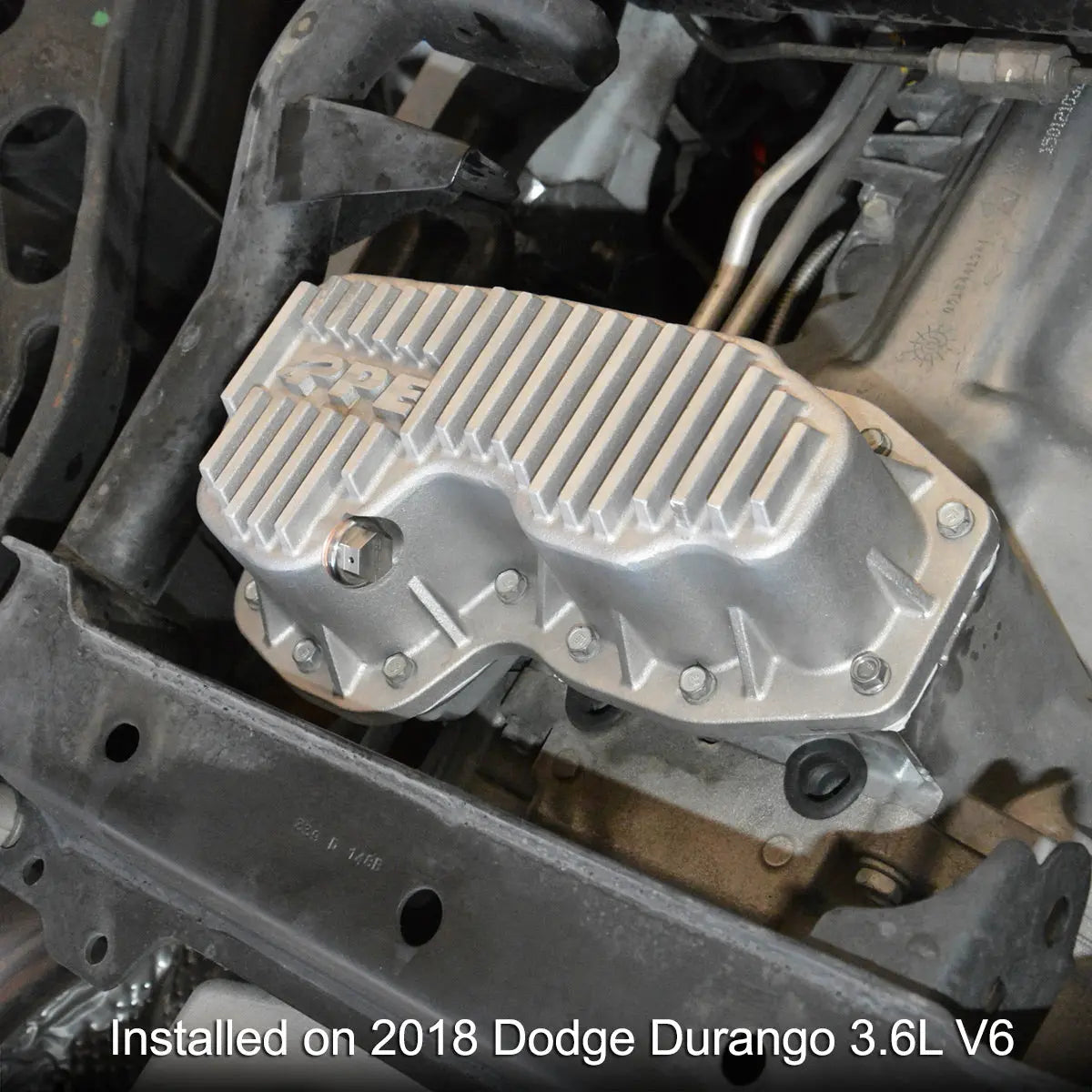
- Aftermarket oil pans or coolers: Some performance upgrades change the oil system volume. Always check if your Durango is stock before following the manual.
- Engine swaps or rebuilds: Swapping engines (common with older Durangos) often changes oil needs. Identify your engine code before adding oil.
A good habit is to start with the manual’s capacity, then use the dipstick to verify. Don’t assume all Durangos are the same, even within the same year.
Environmental Impact: Used Oil Disposal
Changing your own oil means you’re responsible for disposal. Used oil is a major pollutant if dumped or poured down drains. Most auto parts stores and service stations will accept used oil for free—just bring it in a sealed container.
Never mix oil with antifreeze or other chemicals.
Cost Of Oil Changes: Diy Vs. Professional
A typical Dodge Durango oil change at a dealer can cost $60–$120, depending on location and engine. Doing it yourself usually costs $25–$55 for oil and a quality filter.
But DIY requires some tools:
- Oil catch pan
- Socket set or oil filter wrench
- Funnel
- Gloves and rags
If you’re not comfortable under the car, let a professional handle it—especially for SRT and Hellcat models.
What Happens If You Overfill Or Underfill
It’s tempting to “add a little extra” for safety, but this is risky. Overfilling can foam the oil, starving the engine of lubrication. Underfilling leaves parts dry and can cause overheating. Always measure carefully.
- For small overfills (less than half a quart), you may be okay—but check your dipstick.
- For large mistakes, drain and refill. Don’t drive hoping it will “burn off.”
The Role Of Oil In Dodge Durango Performance
Durango engines, especially the HEMI and SRT types, generate a lot of heat and stress. Oil doesn’t just lubricate; it also:
- Cools parts: Takes heat away from pistons and bearings.
- Cleans: Holds dirt and carbon in suspension, moved to the filter.
- Seals: Helps rings seal against cylinder walls for good compression.
If oil levels drop, all these benefits disappear fast. High-performance Durangos (like SRT or Hellcat) are even more sensitive to oil changes and capacity.
Best Practices For Long-lasting Engine Health
- Stick to factory recommendations: Both in oil capacity and oil type.
- Check oil every month: Especially if you tow, drive hard, or have an older Durango.
- Change oil before big trips: Towing or hot climates stress oil faster.
- Track usage: Note how much oil you add between changes—rising use can mean a problem.
Many Durango owners miss that oil consumption can increase as engines age. What used to be “no top-offs” can become a quart every 2,000 miles after 100,000 miles.
Dodge Durango Oil Capacity: Quick Reference Chart
For those who just want a quick look, here’s a simplified guide:
| Engine | Oil Capacity (quarts/liters) | Years Active |
|---|---|---|
| 3.6L V6 | 6.0 / 5.7 | 2011–Present |
| 5.7L HEMI V8 | 7.0 / 6.6 | 2004–Present |
| 6.4L SRT V8 | 7.0 / 6.6 | 2018–Present |
| 6.2L Supercharged V8 | 8.0 / 7.6 | 2021–Present |
If you’re unsure, always check your owner’s manual or the sticker under your hood.
Common Myths About Dodge Durango Oil Capacity
- “More oil is always better.” Wrong. Too much can cause leaks, burning, or damage.
- “All V8s take the same oil.” Not true—there are big differences by engine code and year.
- “Synthetic oil lasts forever.” Even the best oil breaks down with heat and use; follow change intervals.
- “If the dipstick looks clean, no need to change oil.” Oil can lose protection before it looks dirty.
Frequently Asked Questions
What Happens If I Use Less Oil Than Recommended In My Dodge Durango?
Using less oil than recommended can lead to poor lubrication, engine overheating, and faster wear. In some cases, the engine may seize, resulting in very expensive repairs. Always fill to the specified capacity and check with the dipstick after each change.
Can I Use A Different Oil Viscosity Than What’s Listed In The Manual?
It’s best to use the exact viscosity Dodge recommends. Using thinner or thicker oil can cause problems, especially with modern engines. If you must change, only do so after consulting a professional or in extreme climates.
How Do I Know If My Durango Has An Oil Leak?
Common signs include oil spots under your car, a burning smell, blue smoke from the exhaust, or dropping oil levels without explanation. If you notice these, check under the vehicle or have a mechanic inspect for leaks.
Should I Change My Oil Filter Every Time I Change My Oil?
Yes, always replace the oil filter with every oil change. The filter collects debris and old oil can clog it, reducing engine protection. Skipping filter changes can lead to dirty oil and faster engine wear.
Where Can I Find The Most Accurate Oil Capacity For My Specific Durango?
The most accurate source is your owner’s manual or the official Dodge website. For rare or modified models, check the engine code or consult a dealer. For further reading, see the official Mopar owner’s manual.
Understanding your Dodge Durango oil capacity is a simple way to protect your SUV and ensure years of strong performance. With the right oil, regular checks, and a careful approach, you’ll avoid common mistakes and keep your Durango running smoothly—no matter which engine you drive.