
Many people love ceramic pots for their beauty and durability. But if you have tried growing plants in a ceramic pot without a hole, you know it can be tricky. Over time, water collects at the bottom, roots rot, and your plant’s health suffers. This is why a drill hole ceramic pot is so important for healthy plants. In this article, you will learn everything you need to know about drill holes in ceramic pots. You will understand why they matter, how to make them, what tools to use, and how to avoid mistakes. Even if you are new to gardening or working with ceramics, you will find clear steps and helpful advice for every stage.
Why Drill Holes Matter In Ceramic Pots
Many beginners wonder why plant pots need holes. The answer is simple: drainage. When you water a plant, the excess water must go somewhere. If water stays in the bottom of the pot, plant roots can suffocate or rot. This is called root rot, and it is one of the top reasons houseplants die.
With a proper hole in the pot, extra water can escape. This keeps the soil healthy and the roots strong. Ceramic pots are often sold without holes because they look nicer and do not leak water onto surfaces. But for most plants, a drill hole ceramic pot is much better.
Many people use ceramic pots for their weight, color, and style. But they often forget that good drainage is more important than appearance. Even succulents, cacti, and herbs need a pot with a hole. Without it, you may find strange smells, mold, or dying leaves on your plants.
Choosing The Right Ceramic Pot For Drilling
Not all ceramic pots are the same. Some are easier to drill than others. Here is what to look for:
- Material: True ceramic is made from clay and fired at high heat. Some pots are glazed, others are unglazed. Glazed ceramic is harder but more slippery, while unglazed is rougher and sometimes easier to drill.
- Thickness: Thicker pots are harder to drill but less likely to crack. Thin pots can break easily if you press too hard.
- Shape and Size: Flat-bottomed pots are easier to keep steady while drilling. Very small or oddly-shaped pots can be difficult.
- Quality: Cheap ceramics may have air bubbles or weak spots. These can cause the pot to shatter during drilling.
Before you start, check your pot for cracks or weak points. If you are unsure, tap the bottom gently. A solid pot makes a clear sound, while a cracked one sounds dull.
Tools You Need For Drilling A Ceramic Pot
Drilling a hole in ceramic needs the right tools. Using the wrong tool may break your pot or injure you. Here’s what you need:
- Power drill: A cordless drill with variable speed works best. Corded drills are also fine.
- Diamond-tipped drill bit: Regular bits are not strong enough for ceramic. Diamond bits are made for hard materials and last longer.
- Masking tape: Helps keep the drill bit from slipping.
- Water spray bottle: Keeps the ceramic cool and reduces dust.
- Safety glasses and gloves: Protect your eyes and hands from flying chips.
- Towel or sponge: To rest the pot on and catch water.
- Marker or pencil: To mark the spot for drilling.
These are the basics. Some people also use ear protection, especially if they are sensitive to noise.
How To Drill A Hole In A Ceramic Pot: Step-by-step Guide
Drilling a hole sounds hard, but if you follow these steps, you can do it safely and with good results.
1. Mark The Spot
Turn your pot upside down. Find the center of the base and use a marker to put a small dot where you want the hole. The center is best for even drainage. If you want more than one hole, space them evenly.
2. Prepare The Pot
Place the pot on a towel or sponge. This keeps it from slipping and protects the surface below. Stick a small piece of masking tape over the mark. The tape helps the drill bit stay in place and prevents scratches.
3. Choose The Right Drill Bit
Attach a diamond-tipped bit to your drill. A ¼-inch (6 mm) bit is good for most plants. For bigger pots or faster drainage, you can use a larger bit.
4. Start Drilling
Set the drill to a low speed. Hold the drill straight and press the tip gently against the tape. Do not push too hard. Let the drill do the work. Start with a slow spin to make a small dent.
5. Add Water
Spray water onto the drilling area every few seconds. This keeps the ceramic cool and stops dust. Some people put the pot under running water, but a spray bottle gives you more control.
6. Drill In Short Bursts
Drill for 5–10 seconds, then stop and check your progress. Do not rush. If the bit gets hot or the pot smells like burning, add more water and wait a few seconds.
7. Finish The Hole
When the bit breaks through, slow down. Do not force the drill, or you may chip the pot’s inside edge. Once the hole is made, turn off the drill and wipe off water and dust.
8. Clean Up
Remove the tape. Check the hole’s edges for sharp spots. If needed, use sandpaper or a small file to smooth the edge so it does not cut roots or your hands.
9. Test The Pot
Before adding soil and plants, pour water in to see if it drains well. If water pools, the hole may be too small or blocked.
Non-obvious Insight
Do not drill a cold pot straight from outside or a hot car. Rapid temperature changes can crack ceramic. Let the pot sit at room temperature for a few hours before starting.

Tips For Success And Avoiding Mistakes
Drilling into ceramic can be stressful the first time. Here are some tips to help you get it right:
- Start with old pots you don’t mind losing. Practice before trying on your best piece.
- Do not use hammer mode on your drill. This cracks ceramics.
- If you hear a high-pitched squeal, you are drilling too fast or without enough water.
- Never try to make the hole bigger with a knife or metal rod. This causes chips.
- Always keep the drill bit cool with water. Dry drilling can ruin both bit and pot.
- If your drill bit is worn or dull, replace it. A sharp bit is safer and faster.
A common mistake is pressing too hard. Many think that extra pressure will help, but it only breaks the pot. Patience is key.
Alternatives To Drilling Ceramic Pots
Some people do not want to drill their pots, or they cannot use power tools. There are a few alternatives:
- Double-pot method: Place a plastic nursery pot (with holes) inside the ceramic pot. Water drains into the ceramic shell, but you must empty it often.
- Pebble layer: Put a thick layer of gravel or clay pebbles at the bottom. This helps, but does not solve drainage if water builds up.
- Self-watering inserts: Some companies sell inserts that fit inside ceramic pots. These keep roots above extra water.
- Choose plants that tolerate wet soil: Not all plants need perfect drainage. Some, like certain ferns or lucky bamboo, can survive in wetter soil.
While these work, drilling a hole is the most reliable for healthy plants. Still, these options are useful for valuable or antique pots you do not want to damage.
What Size Hole Is Best?
The size of the hole affects how water drains and how well the soil stays in place.
- For small pots (under 6 inches wide), a ¼ inch (6 mm) hole is enough.
- For medium pots (6–12 inches), use a ½ inch (12 mm) hole.
- For large pots, you can use two or three holes of ½ inch each.
Too small a hole and water stays trapped. Too big, and soil runs out. You can cover large holes with a piece of mesh or a broken pottery shard to keep soil in but let water out.
Example Table: Hole Sizes For Ceramic Pots
| Pot Size | Recommended Hole Diameter | Number of Holes |
|---|---|---|
| Small (up to 6″) | 1/4 inch (6 mm) | 1 |
| Medium (6–12″) | 1/2 inch (12 mm) | 1–2 |
| Large (over 12″) | 1/2 inch (12 mm) or larger | 2–3 |
Safety Tips When Drilling Ceramic Pots
Ceramic is hard, but it can shatter easily. Safety is important:
- Always wear safety glasses to protect your eyes from flying bits.
- Use gloves to guard your hands from sharp edges.
- Drill in a well-ventilated area to avoid breathing ceramic dust.
- Keep children and pets away from your workspace.
- Never hold the pot in your lap. Place it on a stable, flat surface.
If your pot cracks, stop drilling. Sometimes, you can use epoxy to repair small cracks, but it is usually better to start over with a new pot.
Comparing Ceramic To Other Pot Materials
Ceramic pots are popular, but how do they compare to other types when it comes to drilling and plant health? Here is a quick overview:
| Material | Drilling Difficulty | Drainage | Durability |
|---|---|---|---|
| Ceramic | Medium to Hard | Good (if drilled) | High (can chip or crack) |
| Plastic | Easy | Excellent | Medium |
| Terracotta | Medium | Good (often pre-drilled) | Medium (can break if dropped) |
| Metal | Hard | Varies | High (rusts over time) |
| Wood | Easy | Good | Low (rots if wet) |
Ceramic pots are great for looks and plant health, but they need careful drilling for best results.
Caring For Drilled Ceramic Pots
Once your pot has a hole, it is ready to use. But there are a few tips to keep it working well:
- Place a mesh screen or coffee filter over the hole before adding soil. This keeps soil from washing out but lets water drain.
- Use a well-draining soil mix. Heavy soils can still block holes and cause water to build up.
- Check the hole from time to time. Roots or soil can block it, so poke through with a stick if needed.
- If you keep the pot indoors, set a saucer underneath to catch water.
Sometimes, white marks appear on the outside of ceramic pots. This is mineral buildup from water. You can clean it with vinegar and a soft brush.
Best Plants For Ceramic Pots With Holes
Not every plant likes the same conditions. Here are some plants that do very well in drill hole ceramic pots:
- Succulents: They need fast drainage and hate wet roots.
- Cacti: Like succulents, they prefer dry soil.
- Herbs: Basil, mint, rosemary, and thyme grow well if water drains out.
- Orchids: These need air around their roots and good drainage.
- African violets: Like moist soil but not soggy conditions.
- Spider plants: Tough and easy to grow, but hate standing water.
- Jade plants: Store water in their leaves, so need dry roots.
- Snake plants: Survive neglect but do best with a drainage hole.
- Pothos: Very popular and forgiving, but still better with drainage.
- Aloe vera: Needs dry soil between waterings.
For beginners, succulents and snake plants are a good start. They grow well and forgive small mistakes.
Advanced Tips: Multiple Holes And Decorative Ideas
Some gardeners drill more than one hole in large ceramic pots. This can improve drainage but makes drilling harder. If you do this, space holes evenly and keep them near the center for strength.
For a decorative touch, use colored glass beads, small stones, or even sea shells to cover the holes. This looks nice and keeps soil in place.
If you want to get creative, you can make patterns of small holes around the sides for extra airflow. This works best for orchids or air plants.
Common Questions And Problems
People often face issues when drilling ceramic pots. Here are some real examples and solutions:
- My pot cracked while drilling: You may have used too much pressure, the wrong bit, or drilled too fast. Next time, use less force and keep the drill cool.
- Water still pools in my pot: The hole may be too small or blocked. Try cleaning the hole or making it slightly bigger.
- Soil falls out the hole: Add a piece of mesh, a shard of broken pottery, or even a coffee filter to hold soil in.
- Edges are sharp: Use sandpaper or a file to smooth them before planting.
- Dust bothers me: Always drill with water and wear a mask if you are sensitive.
Environmental Impact And Reuse
Drilling holes in ceramic pots helps you reuse old pots instead of throwing them away. This reduces waste and saves money. Even cracked or chipped pots can find new life as planters.
Ceramic is made from natural materials and lasts a long time. Using old ceramics for plants is better for the environment than buying new plastic pots. If you ever break a pot, the pieces can be used for drainage in other pots or as garden decorations.
Real-world Example: From Vase To Planter
Jessica had a large, beautiful ceramic vase with no hole. She wanted to grow herbs on her balcony but was afraid to drill. After some research, she bought a diamond bit and practiced on a thrift store pot. Her first try cracked, but her second succeeded.
Now, her vase is a thriving herb garden. She uses the old cracked pot pieces for drainage in other planters.
This shows that with a little practice and patience, anyone can turn an unused ceramic piece into a useful planter.
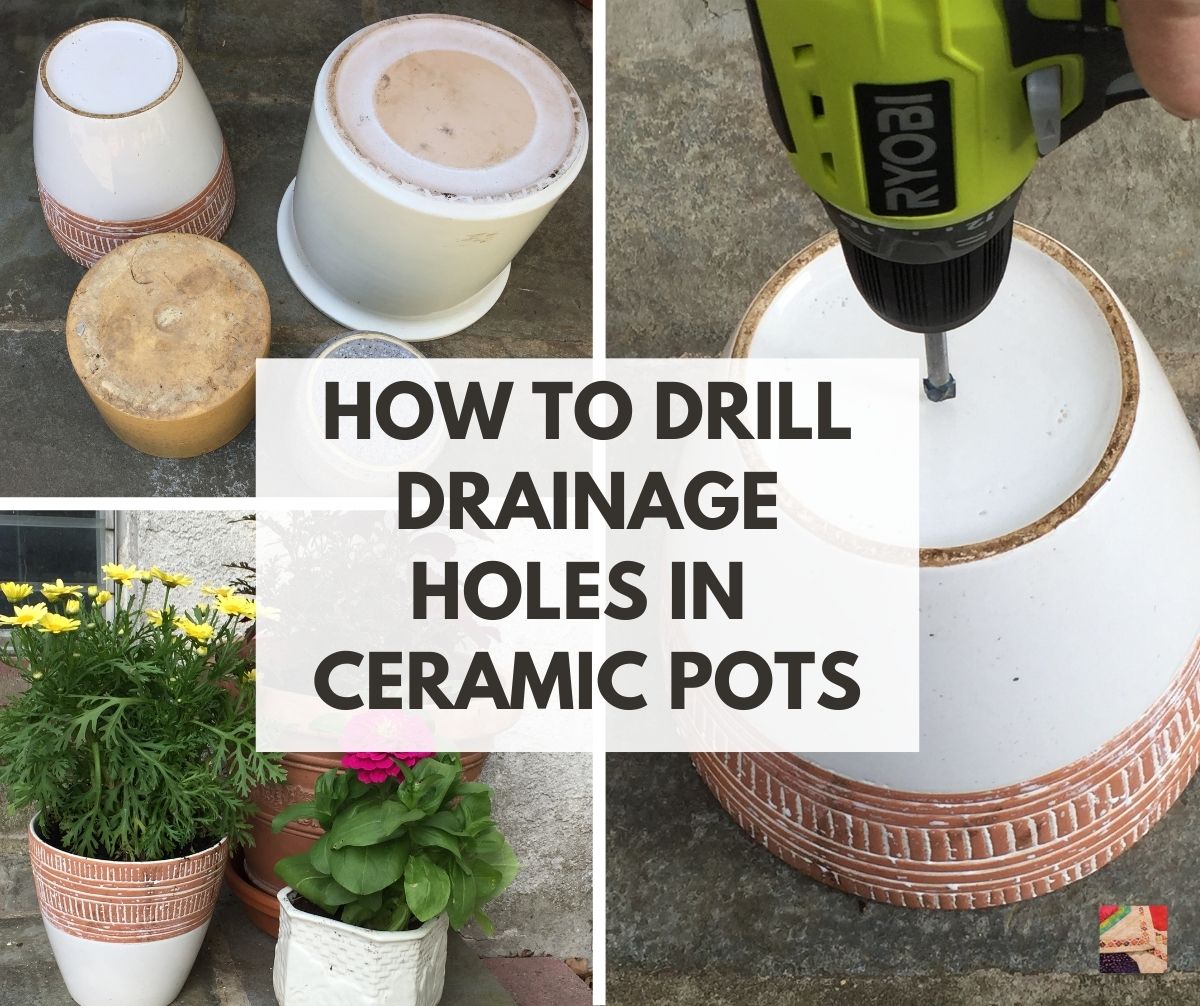
Table: Drilling Time For Different Pot Types
Here is a rough guide for how long it takes to drill a hole, depending on the pot’s thickness and material:
| Pot Material | Typical Thickness | Average Drilling Time |
|---|---|---|
| Ceramic (glazed) | 0.5–1 cm | 2–5 minutes |
| Ceramic (unglazed) | 0.5–1 cm | 1–3 minutes |
| Terracotta | 0.5–0.7 cm | 1–2 minutes |
| Porcelain | 0.4–0.8 cm | 3–6 minutes |
| Plastic | 0.2–0.5 cm | Less than 1 minute |
Actual times vary based on drill speed, bit quality, and pot shape.
Where To Buy Ceramic Pots And Drill Bits
You can find ceramic pots at garden centers, home improvement stores, and online shops. Diamond-tipped drill bits are sold at hardware stores and on websites like Amazon. Look for bits marked for glass, tile, or ceramic. Read reviews to choose quality products.
Some pots now come pre-drilled. If you do not want to drill, ask your supplier or look for “with drainage hole” in the product description.
For more technical information, you can check resources like the Wikipedia page on ceramics.
Frequently Asked Questions
Why Do Ceramic Pots Often Come Without Holes?
Many ceramic pots are made for decorative use, not for plants. Makers leave out holes to stop water from leaking onto furniture. Some are meant for indoor display only. You can add a hole yourself for plant health.
Can I Use A Regular Drill Bit For A Ceramic Pot?
No. Regular bits are made for wood or metal and will not cut ceramic. They can break the pot or wear out fast. Use a diamond-tipped bit for safe, clean results.
What If My Ceramic Pot Cracks While Drilling?
If it is a small crack, you can try sealing it with waterproof epoxy. But big cracks usually mean the pot is not safe for plants. Use the broken pieces for drainage or garden art.
How Do I Stop Soil From Washing Out Of The Hole?
Place a small piece of mesh, coffee filter, or pottery shard over the hole before adding soil. This lets water drain but keeps soil inside the pot.
Are There Plants That Do Not Need A Drainage Hole?
Some plants, like lucky bamboo or certain ferns, can live in pots without holes. But most indoor plants need drainage to stay healthy. If you cannot drill, use the double-pot method or water carefully.
Drilling a hole in a ceramic pot is not just a technical task; it is a way to combine beauty and plant health. With the right tools, patience, and care, you can give new life to old ceramics and help your plants grow better.
Whether you are a beginner or an experienced gardener, these tips and steps will help you succeed. The next time you see a pretty pot with no hole, you will know exactly what to do.