
Understanding The F350 6.7l Power Stroke Engine
The Ford F350 is a heavy-duty truck, well known for its power, reliability, and toughness. The 6. 7-liter Power Stroke diesel engine is the heart of many F350 models, especially from 2011 onward. This engine is built for serious towing, hauling, and long-term durability.
But like any engine, it needs the right care to keep working well. One of the most important parts of that care is making sure it has the right amount of oil—and the right type.
Why Oil Capacity Matters
Oil is the lifeblood of your engine. It lubricates moving parts, helps with cooling, and keeps everything running smoothly. If you have too little oil, parts can wear out faster or even fail. Too much oil, on the other hand, can also cause damage by increasing pressure or causing leaks.
Knowing the exact oil capacity for your F350 6. 7L engine is essential. It’s not just about pouring in “enough”—you need the *right* amount for best performance and protection.
F350 6.7 Oil Capacity: The Exact Numbers
For most F350 trucks with the 6.7L Power Stroke diesel engine, the oil capacity is:
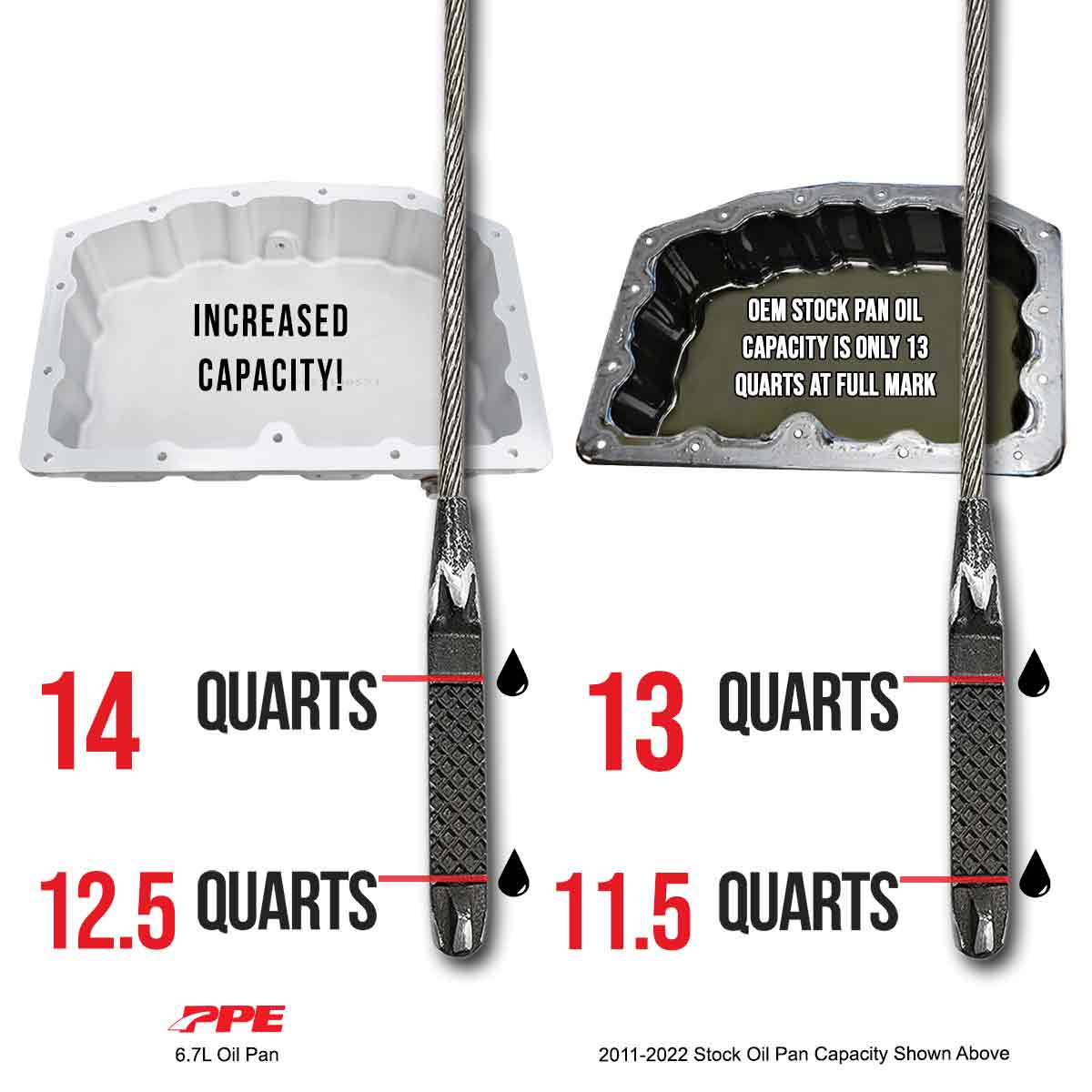
13 quarts (12.3 liters) with filter change
This is the amount needed when you do a full oil change, including replacing the oil filter. If you don’t change the filter (which is not recommended), you might use a little less, but always plan to change both.
Model Years And Oil Capacity
Ford has kept the oil capacity for the 6. 7L Power Stroke engine consistent across most model years, starting from 2011 up to the present. Whether you have a 2012, 2017, or 2022 F350, the oil capacity remains at 13 quarts with a filter change.
Quick Reference Table: F350 6.7l Oil Capacity By Year
| Model Year | Engine Type | Oil Capacity (with filter) |
|---|---|---|
| 2011-2016 | 6.7L Power Stroke V8 | 13 quarts / 12.3 liters |
| 2017-2024 | 6.7L Power Stroke V8 | 13 quarts / 12.3 liters |
Note: Always check your owner’s manual for your specific year and model. Ford sometimes updates recommendations based on real-world feedback.
Choosing The Right Oil For Your F350 6.7
Getting the right oil is as important as getting the right amount.
Recommended Oil Type
Ford recommends SAE 10W-30 or SAE 5W-40 (full synthetic) for the 6.7L Power Stroke diesel, depending on your climate and driving conditions.
- 10W-30: Good for most daily driving and moderate climates.
- 5W-40: Better for very cold temperatures, towing, or heavy-duty use.
Full synthetic oil is usually best for modern diesel engines. It protects better under high heat and stress, and lasts longer between changes.
Oil Brands To Consider
You don’t need a special Ford-branded oil, but you should use a high-quality diesel engine oil that meets Ford’s WSS-M2C171-F1 specification or API CK-4 standard. Popular choices include:
- Motorcraft (Ford’s brand)
- Shell Rotella T6
- Mobil Delvac
- Valvoline Premium Blue
Tip: Always double-check the bottle for Ford’s spec or API rating.
Common Mistake: Mixing Oil Types
Don’t mix regular and synthetic oil, or different viscosity grades. Stick to one type and grade per oil change. Mixing can reduce the oil’s performance and protection.
How To Check Oil Level Correctly
Even after adding the right amount, you need to confirm the oil level is correct. Engines can sometimes hold a bit more or less, depending on how thoroughly you drain the old oil.
Step-by-step Guide
- Park on a Level Surface: This ensures the oil sits evenly in the pan.
- Let the Engine Cool: Wait at least 10 minutes after shutting off. Hot oil expands and can give a false reading.
- Pull the Dipstick: Remove, wipe clean, reinsert, then pull out again.
- Check the Level: The oil should be between the “MIN” and “MAX” marks.
- Top Up if Needed: Add oil in small amounts if below “MAX.” Don’t overfill.
Important: After an oil change, run the engine for a few minutes, then wait and recheck the level. Sometimes oil takes a little time to settle after a change.
Pro Tip: The First Start After An Oil Change
Always check for leaks under the truck after the first start. A loose filter or drain plug can lead to leaks—catching this early prevents engine damage.
How Often Should You Change Oil In The F350 6.7?
Oil change intervals depend on how you use your truck.
- Normal Use: Ford recommends every 7,500 to 10,000 miles (about 12,000 to 16,000 km).
- Severe Use: If you tow, haul heavy loads, idle a lot, or drive in dusty conditions, change oil every 5,000 miles (8,000 km) or even sooner.
Check the oil life monitor on your dashboard. But remember, sensors can’t “see” oil quality—just estimate based on use. If your oil looks dirty or smells burnt, change it earlier.
Non-obvious Insight: Oil Quality Over Time
Diesel engines like the 6. 7L Power Stroke produce more soot than gas engines. This soot can build up in the oil faster under heavy use. That’s why some owners find their oil gets dirty even before the “official” interval—don’t ignore this sign.
Diy Oil Change For The F350 6.7: Step-by-step
Changing oil in a big diesel truck might seem hard, but with the right tools and patience, it’s a job many owners can do themselves.
Tools And Supplies Needed
- 13 quarts of recommended oil
- New oil filter (meets Ford’s spec)
- Oil drain pan (holds at least 15 quarts)
- Socket wrench and correct size socket
- Oil filter wrench
- Funnel
- Rags and gloves
- New drain plug washer (optional, but a good habit)
Step-by-step Instructions
- Warm Up the Engine
- Let the truck run for 5 minutes. Warm oil drains faster and carries away more debris.
- Park Safely
- Use level ground. Apply parking brake. For extra safety, use wheel chocks.
- Drain the Old Oil
- Place the drain pan under the oil pan. Remove the drain plug. Let the oil drain completely—this can take several minutes.
- Replace the Drain Plug
- Wipe the plug clean, replace the washer if needed, and reinstall. Tighten to the recommended torque (usually around 30 ft-lbs—check your manual).
- Change the Oil Filter
- Use the filter wrench to remove the old filter. Lightly coat the rubber seal on the new filter with fresh oil. Install by hand until snug, then a bit more (do not overtighten).
- Add New Oil
- Pour in about 12 quarts, then check the dipstick. Top up slowly until you reach the right level.
- Start the Engine
- Let it run for 1–2 minutes. Check for leaks. Wait a few minutes, then recheck the oil level and add more if needed.
- Dispose of Old Oil Properly
- Take used oil and filter to a recycling center or auto parts store. Never dump oil—it’s bad for the environment and illegal.
What Not To Do
- Don’t reuse old oil filters.
- Don’t overtighten the drain plug or filter—this can strip threads or cause leaks.
- Don’t ignore small leaks. Even a drip can become a big problem.
Pro Tip: Record Your Oil Changes
Keep a simple notebook or use your phone to track each oil change. Note the date, mileage, and what oil/filter you used. This helps with future maintenance and can increase resale value.

Common Oil-related Problems In The F350 6.7
Even with good maintenance, some owners run into oil-related issues. Here are the most common, and how to spot or prevent them.
Oil Leaks
These can happen around the oil pan, drain plug, filter, or valve covers. If you see oil spots under the truck, inspect these areas. Early leaks are easier to fix.
High Oil Consumption
Some trucks use more oil than others, especially with high miles or heavy use. Check oil regularly. If you notice big drops between changes, have a mechanic check for worn seals or turbo issues.
Oil Dilution
On newer diesels, fuel can sometimes mix with the oil, especially if the truck idles a lot or only takes short trips. This “dilutes” the oil and reduces protection. Signs include a rising oil level (strange but true) or a strong fuel smell in the oil.
If this happens, change oil more often.
Non-Obvious Insight: Regularly driving at highway speeds helps burn off excess fuel and moisture, keeping your oil healthier.
Clogged Oil Filter
If you go too long between changes, the oil filter can clog. This reduces flow and can starve the engine of oil. Always use a quality filter and stick to your change schedule.
Upgrading Your Oil For Extreme Use
Some F350 owners use their trucks for hard work—towing big trailers, working in hot climates, or driving off-road. In these cases, a higher-quality synthetic oil (like 5W-40) and a premium filter can add extra protection.
If you regularly drive in extreme cold, use an oil rated for low temperatures. Cold starts are when most engine wear happens, and thinner oil flows faster.
Tip: For heavy towing, consider changing oil more often—even if you use synthetic. High loads break down oil faster.
Environmental And Cost Considerations
Oil changes on a big diesel truck like the F350 6. 7L use a lot of oil—over three gallons per change. This can feel expensive, but it’s a lot cheaper than engine repairs.
Saving Money On Oil Changes
- Buy oil and filters in bulk or during sales.
- Do the change yourself if you have space and tools.
- Some auto parts stores offer free oil recycling and filter disposal.
Environmental Impact
Used oil is very polluting. Always recycle oil and filters. Many cities have drop-off centers, and auto shops will often take your used oil for free.
What Happens If You Overfill Or Underfill Oil?
Mistakes can happen. Here’s what to do if you add too much or too little oil.
Too Much Oil
- Can cause foaming, leaks, or pressure problems.
- May damage seals or the turbo.
What to do: Drain a little oil until you reach the right level.
Too Little Oil
- Increases engine wear.
- Can cause overheating or even engine failure.
What to do: Add oil as soon as possible. If the oil light comes on, stop driving immediately.
Pro Tip: It’s always better to check twice and add oil slowly, rather than rushing and overfilling.
Frequently Asked Questions
Does Oil Capacity Change With High Mileage?
No, the factory oil capacity stays the same, even as your truck ages. But high-mileage engines may use more oil or leak, so check more often.
Can I Use Additives In My 6.7 Power Stroke?
Ford does not recommend most aftermarket oil additives. Good quality oil and filter are enough for most owners. Some additives can do more harm than good.
What About Extended-life Oil Filters?
Some filters claim to last 15,000 miles or more. Only use these if you also use long-life synthetic oil, and even then, check your oil regularly. Heavy-duty use may still require more frequent changes.
Can I Use The Same Oil For My F350 6.7 In Summer And Winter?
If you live in an area with big temperature swings, consider switching from 10W-30 in summer to 5W-40 in winter for better cold starts. Or just use 5W-40 year-round, especially if you tow.
Extra Tips For New F350 Owners
- Read your owner’s manual. It contains specific info for your truck.
- Join an F350 or Power Stroke owners’ forum. You can learn from other owners’ experiences.
- Always check for service bulletins. Ford sometimes updates oil recommendations based on new information.
- Don’t delay oil changes. Diesel engines are tough but need clean oil to stay healthy.
When To See A Mechanic
If you notice any of these warning signs, get professional help:
- Oil pressure warning light stays on
- Loud engine noises after an oil change
- Blue or white smoke from the exhaust
- Sudden drops in oil level without visible leaks
These can be signs of serious problems that need quick attention.
Wrapping Up
Taking care of your F350’s 6. 7L Power Stroke engine starts with understanding and respecting its oil needs. Always use the right oil type and amount—13 quarts with a filter change—and keep a close eye on your oil level, especially under hard use.
Regular oil changes and careful monitoring will help your truck last for years, whether you’re towing, hauling, or just enjoying the ride. If you want more technical details, Ford’s official owner’s site is a great resource.
Remember, oil isn’t just an expense—it’s an investment in your truck’s future. Treat your F350 right, and it will take care of you.
If you found this guide helpful, share it with other F350 owners. Safe driving and happy wrenching!