
If you drive a Fiesta ST, you know every detail matters—especially when it comes to engine oil. Oil is not just a liquid; it’s the lifeblood of your car’s engine. Using the right oil capacity and type is key to keeping your Fiesta ST running smoothly, whether you’re cruising city streets or pushing it on the track. But what exactly is the oil capacity for the Fiesta ST? How do you check, change, and maintain it the right way? This guide will break down everything you need to know, and go much deeper than the basics.
Understanding Fiesta St Oil Capacity
The Fiesta ST is a performance hatchback, popular among car enthusiasts for its punchy turbocharged engine and nimble handling. But not everyone knows that oil capacity is more than just a number in your manual. The right amount of oil affects engine temperature, wear, and even performance.
What Is Oil Capacity?
Oil capacity means the total volume of oil your engine needs for proper lubrication, including the oil filter. For the Ford Fiesta ST, this isn’t just a suggested number—it’s critical for engine health. Too little oil can lead to overheating and engine damage, while too much can cause leaks or pressure problems.
Factory-specified Oil Capacity
For most Ford Fiesta ST models (2013–2019, 1.6L EcoBoost engine), the official oil capacity is 4.3 quarts (4.1 liters) with a filter change. Always check your owner’s manual to confirm, as different regions or model years can have slight differences.
Here’s a summary for quick reference:
| Model Year | Engine Type | Oil Capacity (With Filter) |
|---|---|---|
| 2013–2019 | 1.6L EcoBoost | 4.3 quarts (4.1 L) |
| 2020–Present (Europe/Asia) | 1.5L EcoBoost | 4.2 quarts (4.0 L) |
Why Does Oil Capacity Matter?
Many drivers think any oil is enough, but the right oil quantity is essential for:
- Lubrication: Reduces friction and wear.
- Cooling: Carries heat away from moving parts.
- Cleaning: Removes impurities.
- Protection: Prevents metal-to-metal contact.
Too much or too little oil creates risks. Overfilling can foam the oil, reduce pressure, and even harm the catalytic converter. Underfilling, on the other hand, starves moving parts of lubrication.
How To Check Fiesta St Oil Level
Checking your oil isn’t just a basic maintenance task—it’s the easiest way to catch problems early. New owners often miss small steps that can make a big difference.
Step-by-step Oil Level Check
- Warm Up the Engine: Let your engine run for 2–3 minutes, then shut it off. This makes the oil thinner and more accurate to check.
- Wait and Park on Level Ground: Wait at least 5 minutes for oil to settle. Make sure your car is parked level.
- Locate the Dipstick: Pull out the dipstick (yellow handle, usually on the left side).
- Wipe and Reinsert: Wipe the dipstick with a clean cloth, reinsert fully, then pull out again.
- Read the Level: Oil should be between the min and max marks on the dipstick.
If the oil is below the minimum, add oil immediately. If it’s above the maximum, some oil needs to be removed to avoid damage.
Practical Tips
- Always check after the car has been off for a few minutes, not cold or immediately hot.
- Use a white paper towel to check oil color—milky or very dark oil means service is needed.
- Check at least once a month, or every 1,000 miles.
Choosing The Right Oil For Fiesta St
Oil capacity is only part of the story. The type of oil you use is just as important for performance, especially in a turbocharged engine like the Fiesta ST’s.
Recommended Oil Type
For most climates and normal use, Ford recommends SAE 5W-30 full synthetic oil for the 1.6L EcoBoost engine. In very cold climates, you can use 0W-30 for easier starts.
Always use API SN or higher (latest is SP), and look for Ford WSS-M2C948-B specification or better.
Synthetic Vs Conventional Oil
- Synthetic oil is made for turbocharged engines. It flows better at low temperatures, protects against heat, and lasts longer.
- Conventional oil is cheaper but breaks down faster, especially under hard driving.
For the Fiesta ST, synthetic oil is always the better choice.
Oil Brand Examples
Popular brands that meet Ford’s specs include:
- Motorcraft Full Synthetic 5W-30 (Ford’s own brand)
- Mobil 1 5W-30
- Castrol EDGE 5W-30
Using the right oil brand and spec matters for warranty and engine life.
How To Change Fiesta St Oil: Step-by-step
Changing your own oil can save money and give you peace of mind. But missing a step can lead to leaks, warning lights, or engine damage. Here’s a full guide, including tips that beginners often overlook.
Tools And Materials Needed
- 5 quarts (4.7 L) of full synthetic 5W-30 oil
- New oil filter (check exact model for your year)
- Oil catch pan
- 15mm wrench or socket
- Funnel
- Rubber gloves
- Rags or towels
- Jack and jack stands (never trust just the jack)
Step-by-step Instructions
- Warm Up the Engine: Idle for 2–3 minutes to thin the oil, making it easier to drain.
- Lift the Car Safely: Use jack stands on level ground. Never crawl under a car held by a jack only.
- Remove the Undertray: Some Fiesta STs have a plastic undertray held by bolts. Remove it for access.
- Place Catch Pan: Position it under the oil drain plug.
- Remove Drain Plug: Use the 15mm wrench to loosen the plug. Allow all oil to drain (wait at least 5–10 minutes).
- Remove Old Oil Filter: Twist off the filter by hand or with a filter wrench. Some oil will spill—be ready.
- Install New Oil Filter: Rub a little new oil on the new filter’s rubber gasket. Hand-tighten only—do not over-tighten.
- Replace Drain Plug: Install with a new washer if needed. Tighten snugly but don’t strip threads.
- Add New Oil: Remove the oil filler cap on top of the engine. Use a funnel to pour in 4.1 liters (4.3 quarts). Stop at the recommended amount—don’t overfill.
- Start Engine and Check: Run for 1–2 minutes. Check for leaks. Turn off, wait 5 minutes, and check oil level with the dipstick. Top up if needed.
Pro Tips
- Always replace the oil filter with every oil change.
- Dispose of old oil and filter at a recycling center—never pour down the drain.
- Reset your oil life monitor if your Fiesta ST has one.

Common Problems Related To Oil Capacity
Understanding oil capacity is more than just knowing the number. Many Fiesta ST owners experience issues because of simple mistakes.
Overfilling
Too much oil can cause:
- Foaming: Oil pump mixes air into oil, reducing lubrication.
- High Oil Pressure: Can damage seals or the turbo.
- Catalytic Converter Damage: Excess oil burns and clogs the exhaust.
If you overfill, drain some oil out immediately.
Underfilling
Not enough oil leads to:
- Low Oil Pressure: Not enough lubrication for moving parts.
- Increased Engine Wear: Especially under hard acceleration.
- Overheating: Oil also cools the engine.
If you see the oil warning light or hear ticking noises, check your oil immediately.
Using Wrong Oil Type
Using the wrong viscosity or a non-synthetic oil can:
- Increase sludge buildup
- Reduce turbo lifespan
- Affect cold starts and fuel economy
Always double-check the spec before buying oil.
Ignoring Oil Filter
Some skip the filter to save money, but this reduces oil life and can clog passages.
When To Change Fiesta St Oil
Changing oil at the right time is critical for long engine life, especially in a turbocharged car.
Manufacturer’s Recommendation
Ford recommends oil changes every 7,500 miles (12,000 km) or 12 months, whichever comes first, for normal driving. For severe use (track days, short trips, dusty conditions), change every 5,000 miles or 6 months.
Signs You Need An Oil Change
- Oil looks black or smells burnt
- Engine sounds louder
- Oil light or maintenance reminder is on
- Oil level drops faster than usual
Track Use And Hard Driving
If you drive your Fiesta ST hard—track days, mountain roads, or heavy city traffic—change oil every 3,000–5,000 miles for extra protection. Turbocharged engines put more stress on oil.
Real-world Example
Many owners who track their Fiesta ST find oil breaks down faster, leading to higher oil consumption. They often change oil at 4,000-mile intervals, especially before and after track events.
Oil Filter Selection And Its Role
The oil filter is as crucial as the oil itself. The Fiesta ST’s turbo spins at very high speed, so keeping oil clean protects both the turbo and engine.
Recommended Oil Filters
Stick to reputable brands that meet Ford’s specs:
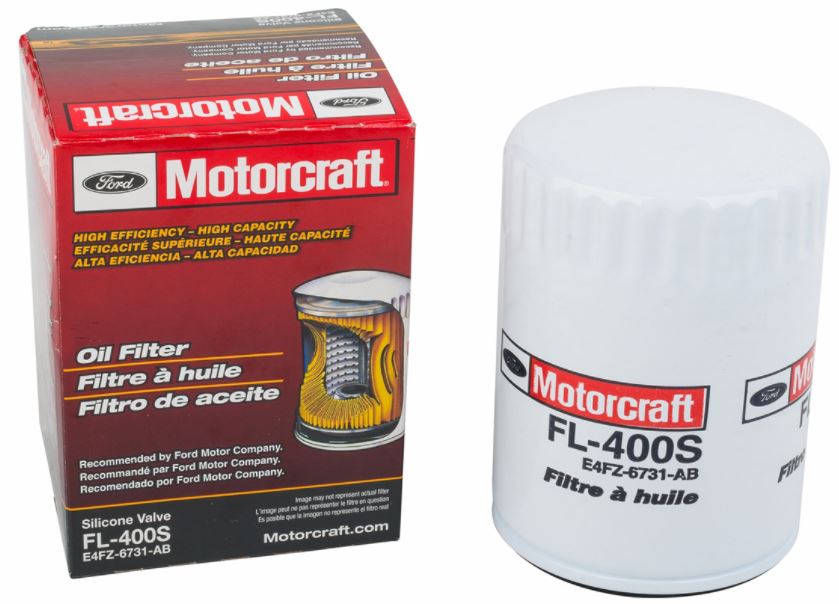
- Motorcraft FL-910S (Ford’s original)
- Mann W7015
- Bosch 3330
Avoid generic, no-name filters; they can leak or filter poorly.
Why Filter Quality Matters
Cheap filters can collapse under pressure or let dirt through, leading to:
- Scored bearings
- Clogged oil passages
- Shortened turbo life
Always replace the filter at each oil change for best protection.
Oil Consumption In Fiesta St: What’s Normal?
Turbocharged engines like the Fiesta ST’s may use a bit of oil between changes. But how much is normal, and when should you worry?
Typical Oil Usage
- Up to 0.5 quarts (0.5 L) per 1,000 miles can be normal, especially if you drive hard.
- Newer cars often use less as seals settle.
Signs Of Excessive Oil Burn
- Needing to add more than 1 quart (1 L) between changes
- Blue smoke from the exhaust (burning oil)
- Oil leaks under the car
If you see these signs, check for leaks or a possible turbo issue.
Practical Advice
- Always keep a small bottle of your exact oil type in the trunk.
- Check oil more often if you notice usage increasing.
Comparing Fiesta St Oil Capacity With Similar Cars
How does the Fiesta ST’s oil capacity compare to similar sporty hatchbacks? Here’s a look at some close competitors.
| Car Model | Engine | Oil Capacity |
|---|---|---|
| Ford Fiesta ST (1.6L EcoBoost) | 1.6L Turbo I4 | 4.3 quarts (4.1 L) |
| Volkswagen Polo GTI | 1.8L Turbo I4 | 4.8 quarts (4.5 L) |
| Mini Cooper S | 2.0L Turbo I4 | 5.1 quarts (4.8 L) |
| Hyundai i20 N | 1.6L Turbo I4 | 4.5 quarts (4.3 L) |
As you can see, the Fiesta ST sits right in the middle of its class. This means maintenance costs and oil change routines are similar to other sporty hatchbacks.
Oil Additives: Are They Worth It For Fiesta St?
You’ll see many products claiming to boost oil performance, reduce friction, or clean your engine. But are these oil additives needed for the Fiesta ST?
What Are Oil Additives?
Additives are chemicals you pour into your engine with your oil. They promise benefits like:
- Reduced engine wear
- Quieter operation
- Better cleaning
Should You Use Them?
For most Fiesta ST owners, good quality full synthetic oil already contains all needed additives. Adding more can:
- Upset the oil’s chemical balance
- Void your warranty
- Cause sludge or foaming
Unless you have a high-mileage engine with known issues, it’s best to avoid extra additives.
When Are Additives Useful?
In rare cases (older engines, extreme climates, or specific problems), a mechanic might recommend an additive. But for modern, well-maintained Fiesta STs, stick with factory-recommended oil.
Diy Oil Change Vs. Professional Service
Changing oil yourself can be rewarding, but it’s not for everyone. Here’s how to decide what’s best for you.
Diy Pros
- Lower cost: Save on labor charges.
- Control: You know exactly what oil goes in.
- Learning: Good way to know your car better.
Diy Cons
- Messy: Oil can spill easily.
- Disposal: You need to properly recycle old oil.
- Mistakes: Overfilling, under-tightening drain plug, or wrong filter can cause big problems.
Professional Service Pros
- Convenience: Fast and clean.
- Expertise: Mechanics spot other issues early.
- Warranty: Work may be guaranteed.
Professional Service Cons
- Cost: Labor charges add up.
- Trust: Not all shops use top-quality oil or filters unless you ask.
Environmental Tips For Oil Changes
Used oil is hazardous if not handled properly. Here are simple tips to protect the environment:
- Always drain oil into a sealed container.
- Never pour oil down the drain, on the ground, or in the trash.
- Most auto stores and service centers accept used oil for free.
- Use rags to clean spills, and dispose of oily rags safely (they can catch fire).
Taking these steps keeps your community and waterways clean.
Fiesta St Oil Capacity: Owner Stories And Lessons
Real-world experience often reveals things manuals don’t mention. Here are a few insights from Fiesta ST owners:
- Some owners report a slight oil drop after the first few thousand miles—this is normal as new engines “bed in.”
- On track days, oil temperature rises fast. Always check oil before and after hard driving.
- After an oil change, let the engine idle and check for leaks around the filter and plug—sometimes a seal slips.
- Some aftermarket oil filters are slightly taller or shorter. Always compare the new and old filter before installing.
One non-obvious lesson: Small changes in oil capacity can affect turbo cooling. Always aim for the correct fill—don’t “round up” or guess.
What To Do If You Overfill Or Underfill Oil
Mistakes happen. Here’s how to fix them safely:
Overfilled Oil
- If only a little over, use a turkey baster or oil extractor through the dipstick tube to remove excess.
- For larger overfills, drain some oil from the drain plug.
Underfilled Oil
- Add oil slowly—never add a full quart at once.
- Recheck with the dipstick after each small addition.
Never drive long distances if oil level is wrong. Engine repair costs can be huge compared to a few minutes spent correcting oil level.
Fiesta St Oil Change: Cost Breakdown
What does an oil change actually cost for the Fiesta ST? Here’s an average breakdown:
| Item | DIY Cost | Shop Cost |
|---|---|---|
| Full Synthetic Oil (5 qt.) | $30–$45 | Included |
| Oil Filter | $8–$15 | Included |
| Labor | $0 | $30–$70 |
| Total | $38–$60 | $60–$120 |
DIY is cheaper if you have tools and time. Shops charge more but offer convenience.
Advanced Tips For Track And Performance Use
If you use your Fiesta ST for autocross, track days, or spirited driving, oil care is even more important.
- Check oil before and after each event.
- Use high-quality synthetic and change more often (every 3,000–5,000 miles).
- Monitor oil temperature if possible—high temps break oil down faster.
- Consider a baffled oil pan for heavy track use to prevent oil starvation in corners.
Regular checks and frequent oil changes protect your turbo and engine under extra stress.
Fiesta St Oil Capacity: Quick Reference Chart
Here’s a quick summary for different Fiesta ST versions:
| Year/Market | Engine | Oil Capacity (With Filter) | Recommended Oil |
|---|---|---|---|
| 2013–2019 (US/Global) | 1.6L EcoBoost | 4.3 quarts (4.1 L) | 5W-30 Synthetic |
| 2020–Present (Europe/Asia) | 1.5L EcoBoost | 4.2 quarts (4.0 L) | 5W-30 Synthetic |
Frequently Asked Questions
What Is The Exact Oil Capacity For A 2018 Fiesta St?
The oil capacity for the 2018 Fiesta ST (1.6L EcoBoost) is 4.3 quarts (4.1 liters), including the oil filter. Always check the dipstick after filling, as small variations can occur based on filter or oil pan design.
How Often Should I Change My Fiesta St’s Oil?
For normal driving, change the oil every 7,500 miles (12,000 km) or 12 months. For hard driving or track use, every 3,000–5,000 miles is safer to protect your turbocharged engine.
Can I Use 0w-20 Or 10w-30 Oil In My Fiesta St?
No, it’s best to use 5W-30 full synthetic oil that meets Ford’s spec. Using the wrong viscosity can reduce protection and may void your warranty.
What Happens If I Overfill The Oil?
Overfilling can cause foaming, high pressure, and leaks, and may damage the turbo or catalytic converter. Remove excess oil immediately to avoid engine problems.
Is It Safe To Add Oil Additives To My Fiesta St?
Generally, no. Modern full synthetic oils already contain all needed additives. Extra products can upset the chemical balance and may harm your engine. Only use additives if a trusted mechanic recommends them.
For more details, you can check the official Ford Fiesta Maintenance Guide.
Keeping your Fiesta ST’s oil at the right capacity and quality is a small task with a big impact. A few careful minutes can add years to your engine’s life and keep your turbo running strong. Respect the numbers, check often, and enjoy every drive—your Fiesta ST will thank you.