
If you drive a Ford Fusion 2.0, knowing the right oil capacity is more important than you might think. Using the correct amount of oil helps your engine last longer, improves fuel efficiency, and prevents costly damage. Many drivers underestimate how much difference regular oil changes and the correct oil level make. This guide will help you fully understand the Ford Fusion 2.0 oil capacity, why it matters, and how to care for your engine so it keeps running smoothly for years.
What Is Oil Capacity And Why Does It Matter?
Oil capacity is the total amount of engine oil your car needs for safe and effective operation. For the Ford Fusion 2.0, this number is specific and should not be guessed. Too little oil means your engine parts are not well-lubricated. Friction increases, causing faster wear and sometimes overheating. Too much oil can lead to increased pressure, causing leaks or damage to engine seals.
The Ford Fusion 2.0’s oil capacity is not just a number in the manual. It is a direct factor in engine performance and lifespan. If you use less oil than required, your engine could seize up. If you use more, the oil could foam or damage the catalytic converter. Many new car owners don’t realize that checking oil level is as important as filling gas.
Ford Fusion 2.0 Overview
The Ford Fusion 2. 0 is a popular midsize sedan that features a 2. 0-liter, four-cylinder, turbocharged engine. This engine is known for its balance of power and fuel economy. Since its introduction, the Fusion has become a favorite for drivers who want comfort, reliability, and modern features without the price tag of a luxury car.
Key highlights of the Ford Fusion 2.0:
- 2.0-liter EcoBoost engine
- Available all-wheel drive (in some models)
- Turbocharged for better acceleration
- Common in model years: 2013–2020
The oil system in this engine is designed for high efficiency and low emissions. The oil capacity is carefully chosen by Ford engineers to match the engine’s needs.
The Exact Oil Capacity For Ford Fusion 2.0
For the 2.0L EcoBoost engine in the Ford Fusion, the recommended oil capacity is 5.7 quarts (5.4 liters) with a filter change. This is the total amount including the oil that remains in the oil filter after draining.
Model years and engine types matter. Here’s a breakdown:
| Model Year | Engine Type | Oil Capacity (with filter) |
|---|---|---|
| 2013–2020 | 2.0L EcoBoost I4 | 5.7 quarts / 5.4 liters |
| 2017–2020 | 2.0L Hybrid | 4.5 quarts / 4.3 liters |
For most drivers, the main concern is the 2.0L EcoBoost. Always check your owner’s manual or the oil cap for confirmation, as small differences can occur between model years.
Choosing The Right Oil Type
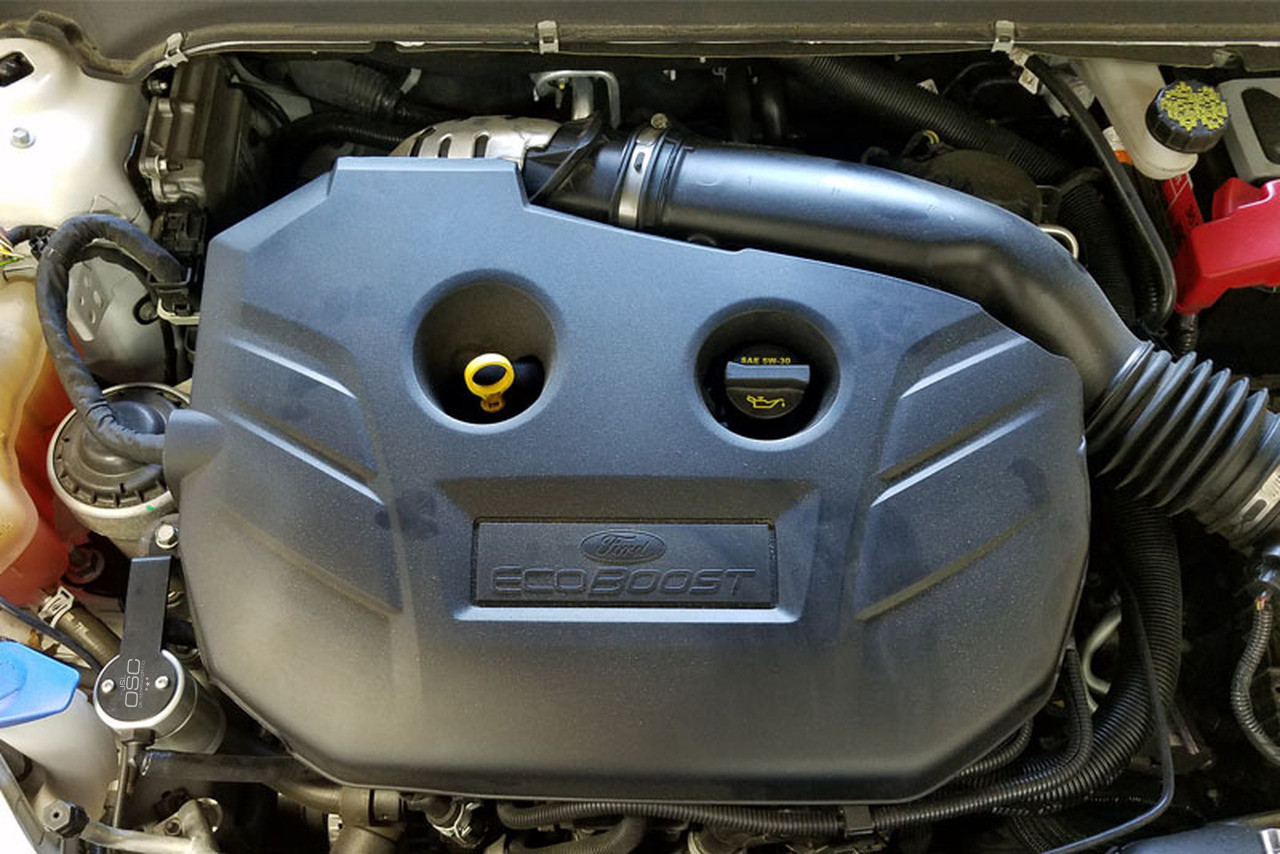
Oil capacity is just one part of the story. Using the right oil type is equally important. Ford recommends SAE 5W-30 synthetic oil for the Fusion 2.0 EcoBoost. Synthetic oil works better in both cold and hot weather, and it protects your engine during high-stress driving.
Why use synthetic? Here are a few reasons:
- Longer lasting: Synthetic oil holds its properties longer, so it protects your engine for more miles.
- Better protection: It resists breaking down at high temperatures and offers better lubrication during cold starts.
- Improved fuel efficiency: Less friction means the engine works less to deliver the same power.
Not all oils are the same. Avoid using conventional oils unless you have no other option. Using the wrong oil type can void your warranty and cause engine problems.
Credit: www.jlosc.com
How To Check Your Ford Fusion 2.0 Oil Level
Checking your oil is simple but often overlooked. Here’s a step-by-step process:
- Park on level ground. Make sure the engine is off and cool.
- Open the hood and locate the dipstick. Usually, it has a yellow or orange ring.
- Pull out the dipstick and wipe it with a clean cloth.
- Re-insert the dipstick fully, then pull it out again.
- Check the oil level. The oil should be between the “MIN” and “MAX” marks.
- If it’s low, add oil slowly and recheck until it’s at the right level.
Never fill above the “MAX” line. It’s better to add a little at a time than to overfill and risk damage.
How To Change The Oil In A Ford Fusion 2.0
Changing your own oil saves money and helps you understand your car better. Here’s a complete guide to doing it right.
What You Need
- 5.7 quarts (5.4 liters) of SAE 5W-30 synthetic oil
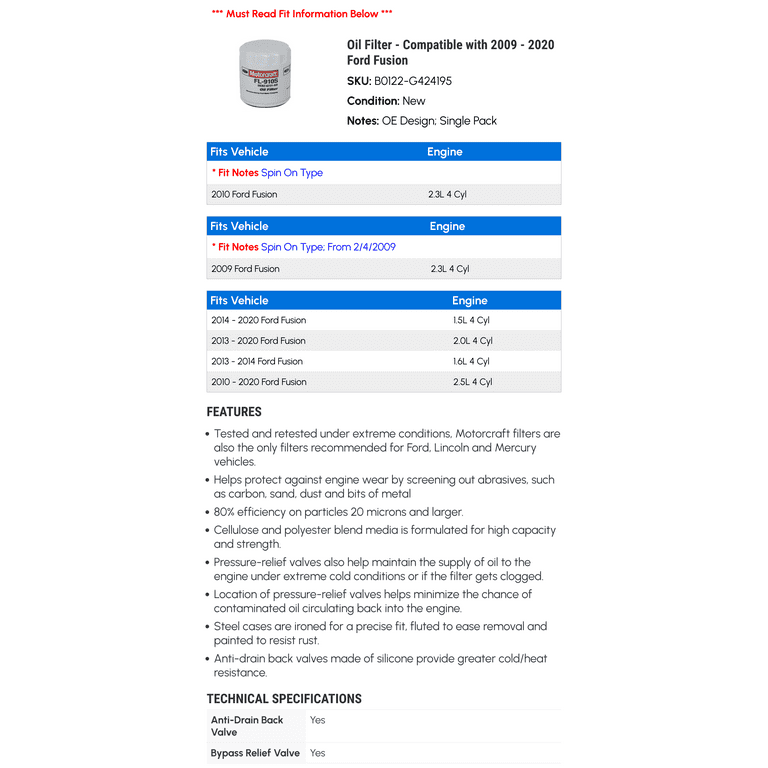
- New oil filter (check your manual for the correct part)
- Oil drain pan
- Socket wrench set
- Funnel
- Clean rags
- Jack and jack stands (if needed)
- Gloves
Oil Change Steps
- Warm up the engine for a few minutes, then turn it off. This helps the oil drain out easily.
- Lift the car with a jack and support it with jack stands for safety.
- Place the oil drain pan under the drain plug (located at the bottom of the oil pan).
- Use a wrench to remove the drain plug. Let all the old oil flow into the pan.
- Replace the drain plug and tighten it securely (but don’t overtighten).
- Remove the old oil filter. Some oil will spill, so keep the pan underneath.
- Rub a little new oil on the gasket of the new filter, then screw it in by hand.
- Use a funnel to add 5.7 quarts of new oil through the oil filler cap.
- Start the engine and let it run for a minute, then turn it off and check the oil level.
- Add more oil if needed, but do not overfill.
Dispose of the old oil at a recycling center. Never pour it down the drain.
Oil Change Interval For Ford Fusion 2.0
How often should you change your oil? Ford recommends every 7,500 miles (12,000 km) or every 12 months, whichever comes first, for the Fusion 2.0 with synthetic oil. However, if you drive in harsh conditions—lots of short trips, very hot or cold weather, or heavy traffic—you may want to change oil every 5,000 miles (8,000 km).
Here’s a quick reference:
| Driving Conditions | Recommended Oil Change Interval |
|---|---|
| Normal (mostly highway, mild weather) | 7,500 miles / 12 months |
| Severe (city driving, short trips, extreme temperatures) | 5,000 miles / 8,000 km |
Never ignore your dashboard’s oil change light. The computer tracks driving habits and may suggest earlier changes.
Signs You Need An Oil Change
Don’t just rely on mileage. Your Ford Fusion 2.0 will usually “tell” you when it needs fresh oil. Watch for these signs:
- Engine noise or knocking sounds
- Oil change light comes on
- Dirty or dark oil on the dipstick
- Burning smell from the engine
- Decreased fuel efficiency
- Exhaust smoke appears thicker than normal
If you notice any of these, check your oil level and quality right away.
Common Mistakes When Handling Oil Capacity
Many car owners make simple mistakes when it comes to oil changes and capacity. Here are some to avoid:
- Overfilling the oil: More oil isn’t better. Extra oil can damage seals and create foaming.
- Underfilling: Not adding enough oil leads to poor lubrication and engine wear.
- Wrong oil type: Always stick to Ford’s recommendation. Using the wrong viscosity or type can harm your engine.
- Skipping the oil filter: Changing only the oil and not the filter means dirt and particles stay in your engine.
- Not checking the oil level after a change: Always double-check after starting the engine.
- Ignoring leaks: Small leaks can lead to big engine problems if not fixed early.
These mistakes are easy to avoid with careful attention.
Ford Fusion 2.0 Oil System Components
Understanding the main parts of your oil system will help you spot problems early. Here are the key components:
- Oil pan: The reservoir where oil collects at the bottom of the engine.
- Oil pump: Circulates oil to all engine parts.
- Oil filter: Removes dirt and particles from the oil.
- Oil passages: Small channels inside the engine that direct oil to where it’s needed.
- Dipstick: Lets you check the oil level.
- Oil filler cap: Where you add new oil.
If any of these parts fail, your engine can be at risk. Watch for oil stains, low oil pressure warnings, or unusual engine noise.
Oil Capacity Differences: Ford Fusion 2.0 Vs. Other Engines
It’s easy to get confused if you own multiple vehicles or you’re looking at different Fusion models. The oil capacity for the 2. 0L EcoBoost is different from other Fusion engines.
Here’s a comparison:
| Engine Type | Model Years | Oil Capacity (with filter) |
|---|---|---|
| 2.0L EcoBoost | 2013–2020 | 5.7 quarts / 5.4 liters |
| 1.5L EcoBoost | 2014–2020 | 4.3 quarts / 4.1 liters |
| 2.5L Duratec | 2013–2020 | 5.7 quarts / 5.4 liters |
| Fusion Hybrid 2.0L | 2017–2020 | 4.5 quarts / 4.3 liters |
Never assume oil capacity based on engine size alone. Always check your specific model and year.
How Oil Quality Affects Your Ford Fusion 2.0
Oil quality is as important as oil quantity. High-quality synthetic oil keeps the engine cleaner, reduces sludge, and allows the turbocharger to work better. Cheap or dirty oil breaks down faster, leaving behind deposits that can block oil passages.
Some signs of poor oil quality include:
- Sludge buildup under the oil cap
- Oil that smells burnt
- Visible particles in the oil
- Reduced engine performance
Using premium oil may cost a bit more, but it prevents expensive repairs down the road. It also helps keep your warranty valid.

Credit: www.youtube.com
Practical Tips For Maintaining The Right Oil Level
Staying on top of your oil level is easier than you think. Here are some helpful tips:
- Check your oil at every fuel fill-up. It only takes a minute and can catch problems early.
- Always carry a quart of the correct oil in your trunk. If you see the oil light come on, you can top up immediately.
- Keep a small funnel in your car to avoid spills.
- Mark your calendar or set a reminder on your phone for oil changes.
- Watch for oil leaks under your car, especially after oil changes.
One insight many new car owners miss: sometimes, oil consumption increases as your car gets older. Don’t ignore small drops in oil level—find the cause before it turns into a bigger problem.
The Impact Of Oil Capacity On Engine Longevity
Maintaining the correct oil capacity is the single most important thing you can do for your engine’s longevity. When your engine always has the right amount of clean oil, it runs cooler, parts wear more slowly, and you avoid sudden breakdowns. Over time, this can mean your Fusion lasts 50,000 to 100,000 miles longer.
On the other hand, ignoring oil capacity—even by just a little—can result in:
- Premature engine wear
- Turbocharger failure
- Oil starvation
- Expensive repairs
It’s not just about saving money. It’s about keeping your car safe and reliable for you and your family.
Credit: www.walmart.com
Cost Of Oil Changes For Ford Fusion 2.0
Oil changes are one of the most affordable ways to protect your investment. Here’s what you might expect to pay:
- DIY oil change: $35–$60 (cost of oil and filter)
- Quick lube shop: $50–$90 (depends on location and oil brand)
- Dealership: $80–$120 (includes inspection and warranty-safe parts)
Changing your own oil is cheaper, but you must dispose of the old oil responsibly. Some auto parts stores accept used oil for free.
A common beginner mistake is trying to save money by using low-quality oil or skipping the filter change. This can cost much more in the long run due to engine repairs.
What Happens If You Overfill Or Underfill The Oil?
Both overfilling and underfilling can hurt your engine. Here’s what happens:
- Overfilling: Oil gets whipped by moving parts, creating foam. This foam does not lubricate well, leading to heat and wear. Extra oil pressure can also damage gaskets and seals, causing leaks.
- Underfilling: The oil pump can draw in air, leading to poor lubrication. Metal parts may grind together, causing quick and severe engine damage. In turbocharged engines, low oil can destroy the turbo.
If you think you’ve overfilled, drain some oil immediately. If you’ve underfilled, top up right away and check for leaks or oil burning.
Troubleshooting Common Oil Issues
Sometimes, you may notice problems with oil even if you follow all the guidelines. Here’s how to handle the most common issues:
Oil Leak
- Check for oil spots under your car.
- Inspect the oil filter and drain plug for tightness.
- Look at seals around the valve cover and oil pan.
- If you can’t find the source, have a mechanic inspect it.
Oil Warning Light
- Stop the car as soon as it’s safe.
- Check the oil level.
- If it’s low, add oil and see if the light goes off.
- If the light stays on, do not drive—have your car towed to a shop.
Oil Smells Or Smoke
- Burning smell may mean oil is leaking onto hot engine parts.
- White or blue smoke from the exhaust usually means oil is burning inside the engine.
- Both problems need quick attention to avoid engine damage.
When To Seek Professional Help
Most oil changes are simple, but certain situations need a mechanic:
- You see metal flakes in the oil.
- Oil looks milky (could mean coolant is mixing with oil).
- The oil pressure gauge is low, even after topping up.
- You can’t find the source of a leak.
Trying to fix these issues yourself can sometimes make things worse. Trust a professional if you’re unsure.
The Role Of Oil Capacity In Turbocharged Engines
The Ford Fusion 2. 0 EcoBoost is turbocharged. This means the engine works harder and hotter than non-turbo engines. Turbochargers spin at very high speeds (sometimes over 100,000 RPM), and they rely on oil for cooling and lubrication.
If you don’t maintain the correct oil capacity:
- The turbocharger can overheat and fail.
- Oil can break down faster, causing sludge.
- Your car may lose power or run roughly.
Some drivers overlook the extra demands of a turbo engine. For the Fusion 2. 0, checking oil more often and using high-quality synthetic oil is even more important.
Environmental Impact Of Oil Disposal
Used engine oil is a major environmental hazard. One gallon can pollute one million gallons of water. Always take your used oil to a recycling center or auto parts store.
Never pour oil into the ground, sewer, or trash. Many cities offer free recycling programs. If you want to know more about proper oil disposal, check out the guidelines from the U.S. Environmental Protection Agency.
Frequently Asked Questions
What Is The Oil Capacity For A 2016 Ford Fusion 2.0 Ecoboost?
The oil capacity for the 2016 Ford Fusion 2.0 EcoBoost is 5.7 quarts (5.4 liters) with a new oil filter. Always double-check with your owner’s manual before adding oil.
Can I Use 5w-20 Oil Instead Of 5w-30 In My Fusion 2.0?
No, you should stick to 5W-30 synthetic oil as recommended by Ford. Using a different viscosity may harm your engine, especially in a turbocharged model.
How Often Should I Check The Oil In My Ford Fusion 2.0?
It’s best to check your oil every 1,000 miles (1,600 km) or at every fuel fill-up. This helps you spot leaks or oil consumption early.
What Happens If I Put Too Much Oil In My Ford Fusion 2.0?
Overfilling can cause oil foaming, seal damage, and even engine failure. If you overfill, drain the excess oil right away.
Where Can I Recycle Used Oil From My Ford Fusion?
Most auto parts stores and service centers accept used oil for recycling. You can also use local recycling programs or follow EPA guidelines for safe disposal.
Taking care of your Ford Fusion 2. 0’s oil capacity is one of the best things you can do to keep your car healthy and reliable. With the right oil, the correct amount, and regular maintenance, your engine will serve you well for many years.
Stay attentive, use quality products, and never ignore small changes—your Fusion will thank you every time you drive.