
The Ford Taurus is a well-known sedan, loved for its smooth ride, strong reliability, and comfortable interior. Many drivers choose the Taurus for family use, commuting, or even as a dependable used car. One of the most important things for any car owner is proper engine maintenance—and that starts with knowing the oil capacity of your vehicle. If you get this wrong, you risk engine damage, wasted money, or messy oil changes. Still, finding clear answers about Ford Taurus oil capacity can be confusing, especially with so many model years, engine types, and variations.
This guide will help you understand everything about Ford Taurus oil capacity—from the earliest models to the final versions. You’ll learn why oil capacity matters, what affects it, and how to check or change your oil with confidence. By the end, you’ll know exactly how much oil your Taurus needs, and why that number isn’t always as simple as it seems.
Why Oil Capacity Matters
Engine oil is the lifeblood of your car’s engine. It lubricates moving parts, reduces friction, cools hot surfaces, and helps clean out small particles. But having the right oil capacity is more important than many people realize.
If you add too little oil, the engine won’t get proper lubrication. This can lead to increased wear, overheating, and—if the oil runs too low—even complete engine failure. On the other hand, too much oil can cause foaming, leaks, or high pressure in the system.
These issues can damage seals, gaskets, and even sensors.
The right oil capacity ensures that your Taurus’ engine stays healthy, performs well, and lasts longer. Ford’s engineers determine oil capacity for each engine based on size, design, and cooling needs. Always check your owner’s manual or trusted sources for your specific model and engine.
Ford Taurus Generations And Their Oil Capacities
Over the years, the Ford Taurus has gone through six generations, with many engine options. The oil capacity often depends on the engine type, not just the model year. Let’s look at each generation and highlight the important differences.
First Generation (1986-1991)
The original Taurus came with a range of engines: mostly 2.5L and 3.0L V6, and a 3.8L V6. Here are the typical oil capacities:
- 2.5L Inline-4: 4.5 quarts (with filter)
- 3.0L V6 (Vulcan): 5 quarts (with filter)
- 3.8L V6: 5 quarts (with filter)
The 3. 0L Vulcan engine was the most common. Always include a new filter when changing oil, as it adds some volume.
Second Generation (1992-1995)
This generation continued with the 3.0L and 3.8L V6 engines. The oil capacities stayed almost the same:
- 3.0L V6: 5 quarts (with filter)
- 3.8L V6: 5 quarts (with filter)
Special editions, like the SHO (Super High Output), had a 3.2L or 3.0L Yamaha V6:
- 3.0L/3.2L SHO V6: 5.5 quarts (with filter)
The SHO models had higher performance engines, which explains the slightly bigger oil capacity.
Third Generation (1996-1999)
The third-gen Taurus introduced a 3.0L DOHC Duratec V6, in addition to the Vulcan V6:
- 3.0L Vulcan V6: 5 quarts (with filter)
- 3.0L Duratec V6: 6 quarts (with filter)
The Duratec was more modern, with higher revs, so it needed more oil for cooling and lubrication.
Fourth Generation (2000-2007)
The fourth generation kept similar engine choices:
- 3.0L Vulcan V6: 5 quarts (with filter)
- 3.0L Duratec V6: 6 quarts (with filter)
Flex-fuel models (E85 compatible) usually kept the same oil capacities.
Fifth Generation (2008-2009)
Ford brought back the Taurus name with a new design and engine:
- 3.5L V6: 5.5 quarts (with filter)
This generation improved power and fuel economy. The oil capacity increased slightly due to the larger engine.
Sixth Generation (2010-2019)
The last Taurus generation (before discontinuation in North America) offered several engines:
- 3.5L V6 (standard): 5.7 quarts (with filter)
- 3.5L EcoBoost V6 (SHO): 6 quarts (with filter)
- 2.0L EcoBoost I4: 5.7 quarts (with filter)
This period added turbocharged options. The SHO model’s EcoBoost engine was more powerful and required more oil.
Common Taurus Engine Oil Capacities (quick Reference)
Here’s a handy summary for quick checking:
| Engine | Years | Oil Capacity (with filter) |
|---|---|---|
| 2.5L Inline-4 | 1986-1991 | 4.5 quarts |
| 3.0L Vulcan V6 | 1986-2007 | 5 quarts |
| 3.0L DOHC Duratec V6 | 1996-2007 | 6 quarts |
| 3.8L V6 | 1986-1995 | 5 quarts |
| 3.0/3.2L SHO V6 | 1992-1995 | 5.5 quarts |
| 3.5L V6 | 2008-2009 | 5.5 quarts |
| 3.5L V6 (6th gen) | 2010-2019 | 5.7 quarts |
| 3.5L EcoBoost V6 | 2010-2019 | 6 quarts |
| 2.0L EcoBoost I4 | 2013-2019 | 5.7 quarts |
How To Find Your Taurus Engine Type
Many owners are unsure which engine they have. Here’s how to check:
- Check the Owner’s Manual: This is the most reliable source. Look under the “Engine Specifications” or “Fluid Capacities” section.
- Look Under the Hood: Most Taurus engines have a sticker or label on the plastic engine cover. It usually says “3.0L V6” or similar.
- VIN Decoder: The Vehicle Identification Number (VIN) can tell you the engine type. Enter your VIN on Ford’s official site or a trusted VIN decoder.
- Ask a Mechanic: If you’re still unsure, a mechanic can quickly identify your engine by sight.
Knowing your engine is crucial for buying the right amount of oil and filter.
Factors That Affect Oil Capacity
While most Taurus models use a standard oil capacity, a few things can change the exact amount:
- Oil Filter Size: Larger or upgraded filters may increase oil capacity slightly (by 0.1-0.2 quarts).
- Oil Cooler: Some performance or police models have extra oil coolers, which add capacity.
- Aftermarket Parts: If you’ve changed your oil pan or filter, check the new part’s specifications.
- Engine Wear: High-mileage engines sometimes hold less oil due to sludge or deposits.
- Temperature: Oil expands when hot, so always check level when the engine is warm, but not hot.
It’s a smart habit to add a little less than the full capacity, run the engine for a minute, then check the dipstick and top off as needed.
Step-by-step Oil Change Guide For Ford Taurus
Changing your own oil is a great way to save money and take care of your Taurus. Here’s a simple guide:
Tools And Supplies Needed
- Oil filter wrench
- Drain pan
- Funnel
- Socket wrench set
- New oil filter (correct size for your engine)
- Fresh engine oil (see your engine’s oil capacity)
- Gloves and rags
- Jack and stands (if needed for ground clearance)
Steps To Change Oil
- Warm Up the Engine: Let the engine run for 3-5 minutes. Warm oil drains faster.
- Raise the Vehicle: Use a jack and stands if needed. Always work on level ground.
- Remove the Drain Plug: Place the drain pan under the oil pan. Use a socket wrench to loosen the plug. Let oil drain completely.
- Replace the Oil Filter: Unscrew the old filter (it may drip). Rub a little new oil on the gasket of the new filter. Screw it on by hand, snug but not over-tightened.
- Install the Drain Plug: Wipe the area clean and reinstall the plug, tightening firmly but not stripping the threads.
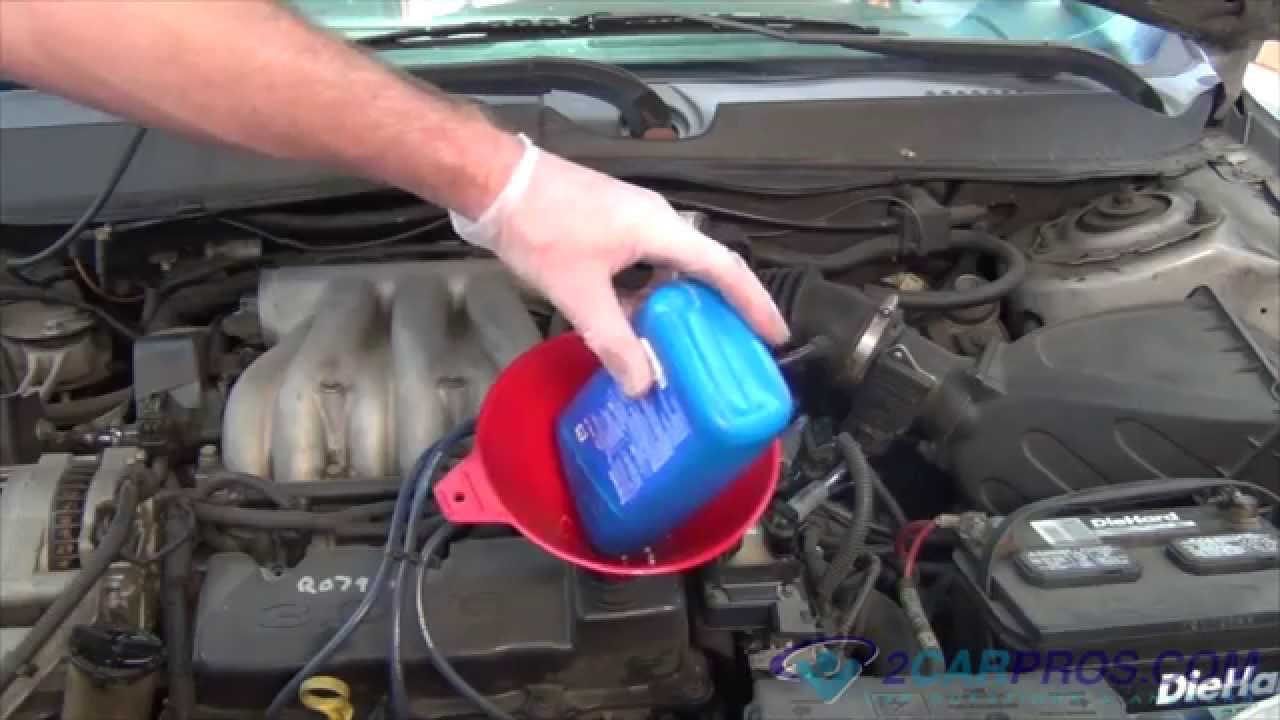
- Add New Oil: Use a funnel to pour in about 90% of your engine’s oil capacity.
- Check Oil Level: Start the engine for 30 seconds, turn it off, wait 2 minutes, then check the dipstick. Top off as needed.
- Dispose Old Oil: Take used oil to a recycling station—never pour it down drains.
Practical Tips
- Always replace the oil filter with every oil change.
- Double-check the drain plug is tight before adding oil.
- Reset your oil change reminder if your Taurus has one.
Oil Types And Grades For Ford Taurus
Using the right oil grade is as important as the right capacity. Ford recommends certain types for different engines and years.
Common Oil Grades
- 5W-20: Used in most 2000s Taurus models with 3.0L and 3.5L V6 engines.
- 5W-30: Used in older models (1986-1999) and sometimes in higher-mileage engines.
- 0W-20: Sometimes used in newer EcoBoost engines for better cold-start protection.
Check your manual for the recommended oil. Using the wrong oil can affect performance, fuel economy, and engine life.
Synthetic Vs. Conventional Oil
- Synthetic oil lasts longer, flows better in cold, and protects better under heat. It’s ideal for EcoBoost or high-mileage engines.
- Conventional oil works well for most basic models and regular driving.
- Blends offer a middle ground.
Switching from conventional to synthetic is usually safe, but always check for leaks after the first change.
When To Change Oil In A Ford Taurus
Oil change intervals depend on driving habits, engine, and oil type.
- Conventional oil: Every 3,000 to 5,000 miles (about 5,000-8,000 km)
- Synthetic oil: Every 7,500 to 10,000 miles (12,000-16,000 km)
- Severe driving: If you drive in stop-and-go traffic, very hot/cold weather, or tow heavy loads, change oil more often.
Newer Taurus models have oil life monitors. Trust the system, but check the oil level monthly, especially in older cars.
Signs Of Low Or Overfilled Oil
Knowing the symptoms of oil problems can save your engine:
Signs Of Low Oil
- Oil warning light on the dashboard
- Ticking or knocking noises from the engine
- Overheating
- Burnt oil smell
- Rough idle or loss of power
Signs Of Too Much Oil
- White smoke from exhaust
- Oil leaks under the car
- Foamy oil on the dipstick
- Check engine light
If you see these signs, check your oil level immediately. Running with the wrong amount can cause serious damage.
Comparing Taurus Oil Capacity To Other Ford Models
How does the Taurus compare to similar Fords? Here’s a look:
| Model | Engine | Years | Oil Capacity (with filter) |
|---|---|---|---|
| Ford Taurus | 3.0L V6 | 1986-2007 | 5 quarts |
| Ford Fusion | 2.5L I4 | 2010-2020 | 5.7 quarts |
| Ford Explorer | 3.5L V6 | 2011-2019 | 6 quarts |
| Ford Focus | 2.0L I4 | 2000-2018 | 4.5 quarts |
| Ford Edge | 3.5L V6 | 2011-2019 | 5.7 quarts |
Taurus oil capacity is average for a midsize or full-size sedan, but always check your specific model.
Common Mistakes When Changing Taurus Oil
Many beginners make small errors during oil changes. Here’s how to avoid them:
- Not replacing the oil filter: The old filter holds dirty oil. Always change it.
- Using the wrong oil grade: Stick to Ford’s recommendation.
- Overfilling or underfilling: Measure carefully—use the dipstick to confirm.
- Forgetting to tighten the drain plug: This can cause leaks or even lose all oil while driving.
- Not disposing of old oil correctly: Used oil is hazardous. Take it to a recycling center.
Some Taurus owners also forget to reset the oil change reminder, leading to confusion later.
High-mileage Taurus Oil Considerations
If your Taurus has over 100,000 miles (160,000 km), consider these tips:
- Use high-mileage oil with extra seal conditioners.
- Check for leaks—older seals can shrink and drip.
- Monitor oil level more often, as older engines may burn more oil.
- Don’t switch to a much thicker oil unless your mechanic recommends it.
A well-maintained Taurus can last over 200,000 miles, especially with regular oil changes.
How To Check Your Oil Level
Checking oil is quick and easy:
- Park on level ground and let the engine cool for 5-10 minutes.
- Pull the hood latch and open the hood.
- Find the dipstick (usually yellow or orange).
- Pull it out, wipe it clean, reinsert, then pull out again.
- Oil level should be between the “MIN” and “MAX” marks.
- If low, add oil 0.5 quart at a time, rechecking until full.
- Don’t overfill—stop at the top mark.
Check oil every month, or before long trips.

Credit: www.blauparts.com
Environmental Impact Of Oil Changes
Used oil is a major pollutant. Just one gallon can contaminate a million gallons of water. Always collect old oil in a sealed container and take it to a recycling center or auto parts store. Never dump oil down the drain or on the ground.
Many auto shops will recycle oil for free if you ask.
Expert Tips For A Better Oil Change
- Use a quality oil filter from a trusted brand.
- Tighten the oil filter and drain plug by hand, not with a wrench, to avoid over-tightening.
- Keep a record of every oil change date and mileage.
- Stock up on extra oil for top-offs between changes.
- Change the oil more often if you drive in dusty, hot, or stop-and-go conditions.
A little extra care will keep your Taurus engine running smoothly for years.
Credit: www.youtube.com
Ford Taurus Oil Capacity Myths
Some drivers believe all Taurus engines use the same oil amount. This is not true. Always check your engine size and year. Another myth is that adding extra oil is “safer”—in reality, overfilling can cause as much harm as running low.
There’s also a belief that synthetic oil leaks more in old engines. Modern synthetics are safe for most engines, but always check for leaks after switching.
Where To Find Reliable Oil Capacity Information
The best sources for Ford Taurus oil capacity are:
- Your owner’s manual
- Ford’s official website
- Trusted automotive sites and repair guides
- Local Ford dealership service department
Online forums can be helpful, but always double-check with official sources. For more details, you can also visit the Ford Taurus Wikipedia page for historical data.

Credit: www.blauparts.com
Frequently Asked Questions
What Is The Oil Capacity For A 2013 Ford Taurus 3.5l V6?
The 2013 Taurus with a 3.5L V6 (non-EcoBoost) uses 5.7 quarts of oil with a new filter. If you have the SHO model with EcoBoost, it needs 6 quarts.
Can I Use Synthetic Oil In My Ford Taurus?
Yes. Synthetic oil is safe and often recommended for newer Taurus models, especially those with turbocharged or high-performance engines. It offers better protection and longer change intervals.
How Do I Know If I Overfilled The Oil?
If you see foam on the dipstick, notice white smoke, or have oil leaks, you may have overfilled. Check the dipstick after letting the car sit for a few minutes. Drain some oil if it’s above the “MAX” mark.
How Often Should I Change The Oil In My Taurus?
For most Taurus models, every 5,000-7,500 miles is safe. If you use synthetic oil, you can usually go up to 10,000 miles, but always follow your manual and oil life monitor.
Does Oil Capacity Include The Filter?
Yes. When you see an oil capacity listed (for example, 5 quarts), it includes a new oil filter. If you do not change the filter, the engine will need slightly less oil, but it’s best to replace the filter every time.
Final Thoughts
Understanding your Ford Taurus oil capacity is key for proper maintenance and long engine life. Whether you do your own oil changes or trust a mechanic, knowing the right amount and type of oil prevents problems and saves money. Always check your owner’s manual, confirm your engine type, and use quality oil and filters. Regular oil checks and changes are the simplest, most cost-effective way to keep your Taurus running like new—even after many years or miles.
With the right knowledge, you can avoid mistakes, extend your engine’s life, and drive with confidence. The Ford Taurus may no longer be in production, but with good care, it will serve you well for many more miles to come.