
A hammer drill is one of those tools you see at construction sites, home workshops, and in the hands of professionals everywhere. But have you ever wondered what makes it so effective at drilling into tough surfaces like concrete or masonry?
Regular drills often struggle with hard materials, but hammer drills make the job seem easy. Understanding how a hammer drill works is not just interesting—it helps you choose the right tool, use it more safely, and get better results. In this article, you’ll learn everything you need to know about the inner workings of a hammer drill, the technology behind it, and how it stands apart from other power drills.
What Is A Hammer Drill?
A hammer drill, sometimes called a percussion drill, is a power tool designed for drilling holes in hard materials such as concrete, brick, and stone. While it looks similar to a regular drill, it has a unique mechanism that combines rotary motion with a rapid hammering action. This combination allows the bit to both spin and punch forward, making it much easier to break up tough surfaces.
The main parts of a hammer drill include the motor, chuck, handle, and most importantly, the hammer mechanism. This mechanism is what gives the hammer drill its power and efficiency. If you’ve ever tried to use a standard drill on concrete, you know how difficult and slow it can be. A hammer drill, by contrast, makes the task much faster and smoother.
The Main Components Of A Hammer Drill
Understanding how a hammer drill works starts with knowing its key parts. Here are the main components that make up a typical hammer drill:
- Motor: The electric motor powers the tool and determines its strength.
- Chuck: This is the part that holds the drill bit tightly in place.
- Hammer Mechanism: The heart of the hammer drill, responsible for the percussive action.
- Transmission: Transfers energy from the motor to both the rotation and hammering parts.
- Trigger and Speed Control: Lets the user control the drill’s speed and power.
- Handle and Grip: Ensures control and comfort during use.
- Depth Gauge: Helps set how deep you want to drill.
Each of these parts plays a specific role. For example, the hammer mechanism is what allows the drill to punch through hard materials, while the depth gauge ensures you don’t drill too deep.
Credit: www.protoolreviews.com
How Does The Hammer Mechanism Work?
The most important difference between a hammer drill and a regular drill is the hammer action. Let’s break down how this mechanism works:
The Hammering Action
Inside the drill, there are two sets of interlocking discs (sometimes called cams or ridges). When the drill spins, these discs move against each other, causing the chuck and the attached drill bit to move forward and backward very quickly. This movement creates a rapid “hammering” effect—sometimes as fast as 20,000 to 50,000 blows per minute. The action is similar to tapping the back of the drill bit with a small hammer, but much faster and with perfect timing.
Rotary And Percussive Motion Together
The key to a hammer drill’s effectiveness is the combination of spinning and hammering. The motor turns the drill bit, just like a standard drill, but at the same time, the bit is being pushed forward in short, fast bursts. This dual-action breaks up hard surfaces and removes material more efficiently than rotation alone.
Types Of Hammer Mechanisms
There are two main types:
- Mechanical (Cam-Action) Hammer Drill: Uses two discs or cams that move against each other to create the hammering motion. This is common in many handheld hammer drills.
- Electro-Pneumatic (EP) Hammer Drill: Uses air pressure and a piston to deliver stronger blows. This type is found in rotary hammers, which are larger and more powerful than standard hammer drills.
The mechanical version is better for lighter jobs, while the electro-pneumatic system is used for heavy-duty drilling.
Hammer Drill Vs. Regular Drill
You might wonder why you can’t use a regular drill for all your drilling needs. The answer comes down to the type of material and the amount of force required.
| Feature | Hammer Drill | Regular Drill |
|---|---|---|
| Drilling Action | Rotary + Hammering | Rotary Only |
| Best For | Concrete, Masonry, Stone | Wood, Metal, Plastic |
| Typical Speed | Lower RPM, High Impact | Higher RPM, No Impact |
| Bit Type | Masonry Bits | Standard Drill Bits |
| Noise & Vibration | High | Low |
The main takeaway is this: hammer drills are designed for tough materials, while regular drills are better for lighter, softer materials.
Types Of Hammer Drills
Not all hammer drills are the same. There are several types, each suited to different jobs:
Mechanical Hammer Drills
These are the most common type for home and light professional use. They have a switch that turns the hammering function on or off. This means you can use them as a regular drill or as a hammer drill.
Rotary Hammer Drills
Rotary hammers are much larger and more powerful. Instead of a mechanical cam system, they use an electro-pneumatic mechanism to deliver much stronger blows. They are best for heavy-duty jobs, like drilling large holes in concrete walls or floors.
Corded Vs. Cordless Hammer Drills
You can find hammer drills in both corded and cordless versions:
- Corded hammer drills provide constant power and are good for long, heavy tasks.
- Cordless hammer drills offer more flexibility and portability but rely on battery life.
Sds Hammer Drills
SDS (Slotted Drive System) hammer drills are a type of rotary hammer. They use special bits that slide into the chuck and lock in place. SDS drills deliver even more power and are a favorite for professionals working on big projects.
When And Why To Use A Hammer Drill
Knowing when to use a hammer drill can save you time, effort, and frustration. Here are the most common situations:
- Drilling into Concrete: Ordinary drills will barely scratch the surface, but a hammer drill can quickly make clean holes for anchors or bolts.
- Working with Masonry: Bricks and stones are tough. The hammer action breaks them up, making drilling easier.
- Installing Fixtures: Need to hang shelves, lights, or cabinets on brick or concrete walls? A hammer drill is your best friend.
- Heavy-Duty Projects: Large-scale renovations or construction projects often require holes in hard surfaces. Hammer drills make this possible.
Using a hammer drill for soft materials like wood or plastic is not recommended. The hammering action can damage these materials and create messy holes.

Credit: diy.stackexchange.com
How To Use A Hammer Drill: Step-by-step
Using a hammer drill may seem simple, but there are important steps to follow for safety and the best results.
- Choose the Right Bit: Use masonry bits for concrete, brick, or stone. These have a tougher tip designed for hard materials.
- Mark Your Spot: Mark exactly where you want to drill. Use a pencil or marker.
- Set the Depth: If your drill has a depth gauge, set it to the required hole depth. This prevents drilling too deep.
- Select Hammer Mode: Switch the drill to hammer mode if it has one.
- Wear Safety Gear: Put on safety glasses, gloves, and a dust mask.
- Position the Drill: Hold the drill with both hands. Place the bit against the marked spot at a 90-degree angle.
- Start Drilling: Squeeze the trigger gently to start. Apply steady pressure, but do not force the drill.
- Let the Drill Do the Work: The hammering action will break up the material. Pull the bit out occasionally to clear dust.
- Finish and Clean Up: Once you reach the desired depth, stop the drill, remove the bit, and clean up any dust.
Common Mistakes To Avoid
- Using the Wrong Bit: Regular bits wear out quickly or break in hard materials.
- Applying Too Much Pressure: Let the hammer action do the work. Pushing too hard can break the bit or damage the drill.
- Not Wearing Safety Gear: Flying debris and dust are common—protect yourself.
Key Features That Matter When Choosing A Hammer Drill
If you are thinking of buying a hammer drill, there are several features you should consider. Each feature can affect how well the drill performs and how comfortable it is to use.
Power And Motor Type
Look at the motor power, usually measured in amps (for corded drills) or volts (for cordless). More power means faster drilling and less strain on the tool.
Speed Settings
Some drills offer variable speed settings. This lets you control how fast the bit spins, which is useful for different materials and drilling needs.
Hammer Rate
This is measured in blows per minute (BPM). Higher BPM means faster and more efficient drilling into hard surfaces.
Chuck Size And Type
Most hammer drills use a 1/2-inch chuck, which fits a range of bit sizes. SDS drills use a special chuck for SDS bits.
Weight And Ergonomics
A lighter drill is easier to handle for long periods, but heavier models often offer more power. Look for features like anti-vibration handles or soft grips for comfort.
Corded Vs. Cordless
Corded models provide steady power, while cordless drills are more portable. Choose based on your typical work environment.
Additional Features
Some advanced hammer drills offer features like:
- LED lights for better visibility
- Side handles for extra control
- Depth stops for precise drilling
Hammer Drill Bits: Types And Their Uses
The type of drill bit you use is just as important as the drill itself. Here are the most common types used with hammer drills:
Masonry Drill Bits
Designed for concrete, stone, and brick. They have a carbide tip that withstands the hammering action.
Sds Bits
Used in SDS hammer drills. They have grooves that fit into the SDS chuck, providing a secure grip and efficient energy transfer.
Multi-material Bits
Some bits are designed to handle a variety of materials, from concrete to tile. However, they may not be as effective as specialized masonry bits.
Specialty Bits
For tasks like chiseling or breaking up concrete, special chisel bits or spade bits are used. These are common in rotary hammers.
Hammer Drill Safety Tips
Using a hammer drill safely is essential to avoid injury and damage. Here are important safety tips:
- Wear Protective Gear: Always use safety glasses, gloves, and a dust mask.
- Check the Drill and Bit: Inspect both for damage before use.
- Secure Your Work Area: Remove loose objects and make sure the surface is stable.
- Use Both Hands: Always hold the drill with both hands for better control.
- Mind the Cord: Keep the power cord away from the drilling area to avoid accidents.
- Take Breaks: Drilling into hard materials generates heat. Give the drill and bit time to cool.
- Stay Aware of Wires and Pipes: Before drilling, check for hidden electrical wires or pipes in the wall.
Less Obvious Safety Insight
Many beginners forget to clear dust from the hole as they drill. This dust can cause the bit to overheat and get stuck. Pull the bit out occasionally to clear it.
Maintenance And Care For Hammer Drills
A well-maintained hammer drill lasts longer and performs better. Here’s how to take care of your tool:
Regular Cleaning
After each use, remove dust and debris from the drill and bit. Use a brush or compressed air to clean hard-to-reach areas.
Lubrication
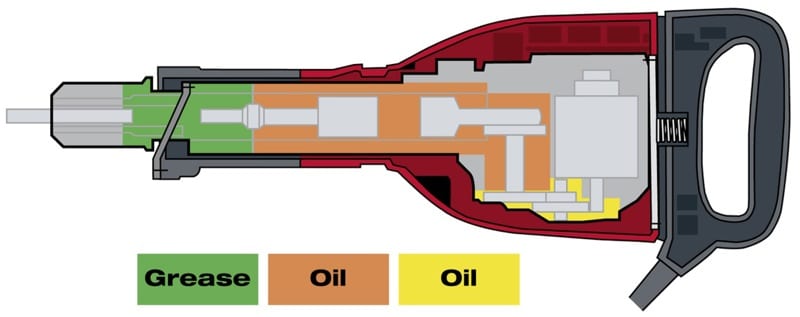
Some hammer drills, especially rotary hammers, need regular lubrication of the chuck and hammer mechanism. Check the manufacturer’s instructions.
Bit Care
Inspect drill bits for wear or damage. Replace them if they are chipped or dull, as using damaged bits can damage the drill and affect your work.
Battery Care (for Cordless Models)
Charge batteries properly, store them in a cool, dry place, and avoid running them down completely to extend their life.
Storage
Store your hammer drill in a dry place, ideally in its case. Keep bits organized and protected from rust.
Real-world Examples Of Hammer Drill Use
Hammer drills are used in many different situations, from small home repairs to large construction projects. Here are some real-world examples:
- Home Renovation: Installing shelves in a concrete wall, hanging kitchen cabinets, or mounting a TV bracket on brick.
- Construction Sites: Drilling anchor holes in concrete for structural supports, or making pathways for electrical wiring.
- Plumbing and Electrical Work: Creating holes in stone or brick walls for pipes and cables.
- Demolition Work: With chisel bits, rotary hammers can break up concrete floors or walls.
In each of these situations, using a hammer drill instead of a regular drill makes the job faster, easier, and safer.
Common Problems And Solutions
Even the best hammer drills can run into problems. Here are some issues you might face, and how to solve them:
Drill Bit Gets Stuck
This can happen if dust builds up in the hole or the bit overheats. Solution: Remove the bit, clear the hole, and let the bit cool.
Drill Won’t Hammer
The hammer mechanism may be worn or stuck. Check the hammer mode switch and inspect the internal mechanism if possible.
Low Power Or Short Battery Life
For cordless drills, batteries lose capacity over time. Replace the battery if needed. For corded drills, check for worn brushes or electrical issues.
Excessive Vibration
If your drill vibrates more than normal, the bit may be bent or the chuck may be loose. Replace the bit or tighten the chuck.
The Science Behind Hammer Drills
A hammer drill’s effectiveness is all about energy transfer. The rapid hammering action transfers kinetic energy directly to the drill bit, which then breaks up the surface material. The rotary motion removes the broken pieces, clearing the way for the bit to go deeper.
Studies show that the combination of rotary and percussive force increases drilling speed in concrete by up to 75% compared to rotary-only drills. This is why professional builders almost always choose hammer drills for hard surfaces.
Hammer Drill Innovations
Modern hammer drills have come a long way. Some of the latest innovations include:
- Brushless Motors: These are more efficient, last longer, and generate less heat.
- Smart Controls: Some high-end models have electronic controls to adjust power and speed based on material hardness.
- Anti-Vibration Technology: Reduces user fatigue and increases comfort during long jobs.
- Quick-Change Chucks: Allow you to swap bits faster and more easily.
These features make today’s hammer drills safer, easier to use, and more effective than ever.
Environmental And Health Considerations
Drilling into concrete and masonry creates a lot of dust, which can be hazardous if inhaled. Many modern hammer drills are designed to work with dust extraction systems. Using these systems helps protect your lungs and keeps your workspace cleaner.
Also, the noise level of hammer drills can be very high, often above 100 decibels. Wearing hearing protection is strongly recommended when using these tools.

Credit: dingguantools.com
Hammer Drill Myths And Misconceptions
Many people think hammer drills are only for professionals or that they are too powerful for home use. In reality, many models are designed for beginners and hobbyists. Another common myth is that hammer drills can be used on any material.
As mentioned earlier, the hammer action is not suitable for wood or soft plastics.
It’s also a mistake to think that more power is always better. For most home jobs, a medium-powered hammer drill is safer and easier to control.
Practical Tips For Beginners
If you’re new to hammer drills, here are some non-obvious tips:
- Start Slow: Don’t immediately use full speed. Begin at a lower speed to keep the bit from slipping.
- Use the Right Pressure: Too little pressure and the bit won’t bite, too much and you risk breaking the bit.
- Watch for Overheating: Touch the bit occasionally to check for heat. If it’s too hot, stop and let it cool.
- Secure the Work Area: If possible, clamp down the material you are drilling to prevent movement.
- Keep Spare Bits: Masonry bits can wear out quickly on tough jobs. Having extras saves time and frustration.
Hammer Drills In Professional Vs. Home Use
Professionals often choose rotary hammer drills or SDS models for their power and durability. Home users, however, may be better off with a lighter, mechanical hammer drill that doubles as a regular drill.
Here’s a quick comparison of typical use:
| Feature | Professional Use | Home Use |
|---|---|---|
| Type | Rotary/SDS Hammer Drill | Mechanical Hammer Drill |
| Power | High (8–15 amps or 36+ volts) | Medium (5–8 amps or 18–24 volts) |
| Bit Size | Up to 1.5 inches | Up to 0.5 inches |
| Price | High | Affordable |
| Weight | Heavier | Lighter |
For most home tasks, a standard hammer drill is more than enough.
Environmental Impact And Responsible Disposal
Power tools contain metals, plastics, and sometimes hazardous materials in batteries. When your hammer drill reaches the end of its life, don’t throw it in regular trash. Instead, recycle it at a proper electronics recycling center. Batteries should be disposed of at facilities that handle lithium-ion or nickel-cadmium cells.
For more information, check your local recycling guidelines or see resources like the Wikipedia page on electronic waste.
Frequently Asked Questions
What Makes A Hammer Drill Different From A Rotary Hammer?
A hammer drill uses a mechanical cam system to create a light hammering action, suitable for smaller holes in masonry or concrete. A rotary hammer uses an electro-pneumatic mechanism for much stronger blows, making it better for large holes or demolition work.
Can I Use A Hammer Drill As A Regular Drill?
Yes, most hammer drills have a switch to turn off the hammering function, allowing them to work just like a standard drill for wood, metal, or plastic. Make sure to use the right bit for the material.
Do I Need Special Bits For A Hammer Drill?
Yes. Use masonry bits for concrete, brick, or stone. For SDS or rotary hammers, use SDS bits. Regular bits are not built for the hammering action and can break easily.
Why Is My Hammer Drill Overheating?
Overheating happens if you drill for too long without breaks, use dull bits, or don’t clear dust from the hole. Let the tool and bit cool down, use sharp bits, and pull out the bit occasionally to remove debris.
How Do I Maintain My Hammer Drill?
Clean your drill after every use, check bits for wear, lubricate moving parts as needed, and store the drill in a dry place. For cordless models, take care of the battery by not overcharging or exposing it to heat.
Using a hammer drill correctly can make tough jobs easier, faster, and safer. Understanding how it works and knowing the right way to handle it will help you get the most out of this powerful tool. Whether you are a beginner or a pro, the hammer drill is one tool that truly delivers when you need to break through the toughest surfaces.