
When you see someone clearing leaves from their yard with a leaf blower, you might wonder: how does that device actually work? What makes it powerful enough to move piles of leaves and debris with just a stream of air? The answer is not as simple as blowing air out of a tube. Leaf blowers use clever engineering, smart design, and different types of technology to do the job efficiently. Whether you want to buy a leaf blower or just satisfy your curiosity, understanding how it works can help you make better choices and use it more safely.
Leaf blowers are now a common tool for gardeners, homeowners, and even professional landscapers. They are faster than raking and make cleaning outdoor spaces easier. But many people don’t know the details behind their operation. There are different kinds—electric, battery-powered, gas—and each has unique features.
Some are loud and strong; others are quiet and light. Some are simple, while others have advanced controls. This article explains how leaf blowers work, the technology behind them, and the differences between models. You’ll also learn about safety, maintenance, and common mistakes.
By the end, you’ll understand leaf blowers much better.
The Basic Principle Behind Leaf Blowers
The main job of a leaf blower is to move air quickly and forcefully. The process starts with a motor or engine, which powers a fan or impeller inside the machine. When the fan spins, it pulls air in and pushes it out through a tube. This creates a strong flow of air that blows leaves, dirt, and other debris away.
The design is similar to a vacuum cleaner, but the direction of the air is reversed. Instead of sucking in debris, a leaf blower blows it away. The air speed and volume are two key factors. Air speed is measured in miles per hour (MPH) or kilometers per hour (KPH). Air volume is measured in cubic feet per minute (CFM) or liters per second (L/s). A higher air speed means the blower can move heavier debris, while a higher air volume means it can clear larger areas faster.
A common mistake is thinking that only air speed matters. In reality, both air speed and air volume are important. For example, a blower with high air speed but low volume can move single leaves far, but cannot clear big piles quickly.
Most powerful leaf blowers balance both.
Key Components Of A Leaf Blower
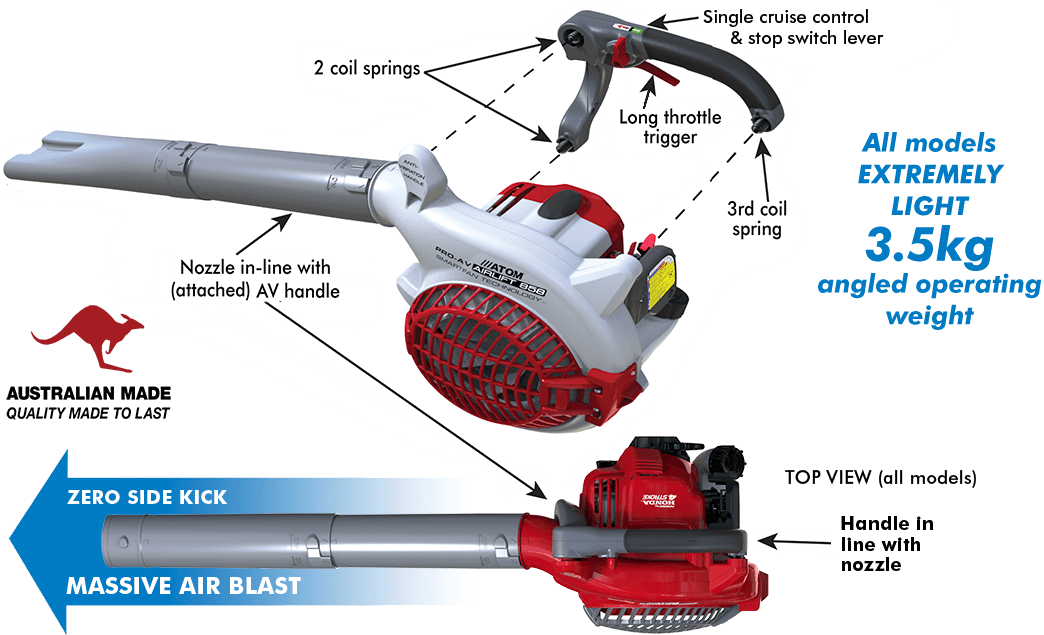
Understanding the parts inside a leaf blower helps you see how the machine works. Here are the main components found in most leaf blowers:
- Motor/Engine
- Electric blowers use a motor, while gas blowers use an engine.
- The motor or engine turns the fan.
- Fan/Impeller
- The fan moves air by spinning rapidly.
- Some blowers use a centrifugal fan for stronger airflow.
- Air Intake
- This is where air enters the machine.
- Designs vary to reduce noise and improve efficiency.
- Air Outlet/Nozzle
- The nozzle directs the air to the ground.
- Shape and size affect how the air spreads.
- Housing/Body
- Protects internal parts and improves safety.
- Handles and controls are attached here.
- Controls
- Speed settings, trigger, and sometimes cruise control.
- More advanced models have variable speed for better control.
- Power Source
- Electric cord, battery, or gasoline tank.
Some models also have extra features, like vacuum attachments or mulching blades. These let the blower suck up and shred leaves, which is useful for composting.
Types Of Leaf Blowers And How They Work
Leaf blowers come in three main types: electric corded, battery-powered, and gas-powered. Each type works a bit differently and is best for specific needs. Let’s look at how each one operates.
Electric Corded Leaf Blowers
These blowers plug into a wall outlet. The electric motor turns the fan, which creates airflow. Corded models are usually lighter and quieter. They don’t have fumes, and they need less maintenance. However, the cord can limit movement, so they are best for small yards or patios.
How they work:
- Plug the blower into an outlet.
- Switch it on; the motor spins the fan.
- Air is pulled in and forced out through the nozzle.
Electric motors have instant start and stop. They don’t need fuel and don’t produce exhaust. Most corded blowers have lower power than gas, but enough for light yard work.
Battery-powered Leaf Blowers
These use rechargeable batteries. They are portable and easy to carry, with no cords to worry about. Battery blowers are often lighter, but the battery limits run time and power. They are ideal for small jobs or quick cleanups.
How they work:
- Charge the battery fully.
- Insert battery into the blower.
- Press the power button or trigger.
- Motor spins the fan, creating airflow.
Modern battery blowers use lithium-ion batteries. These are lighter and last longer than older types. Some models allow you to swap batteries for longer sessions.
Gas-powered Leaf Blowers
Gas blowers use a gasoline engine. They are the most powerful and are good for big yards, heavy leaves, or professional use. Gas blowers can be noisy and need regular maintenance (like oil changes and spark plug checks).
How they work:
- Fill the fuel tank with gas (often mixed with oil for 2-stroke engines).
- Start the engine using a pull cord or electric starter.
- Engine turns the fan, producing strong airflow.
Gas engines are complex. They have moving parts that need care. Most powerful models use a 2-stroke engine, which mixes oil and gas. Some newer blowers use 4-stroke engines, which are quieter and cleaner.
Backpack And Handheld Leaf Blowers
Leaf blowers also come in different shapes. Handheld models are light and easy to use for small jobs. Backpack blowers are worn on the back and have more powerful engines, making them better for large areas. Backpack blowers reduce arm fatigue and are common for professional landscapers.
Table: Comparing Leaf Blower Types
Here is a quick comparison of the main types of leaf blowers:
| Type | Power Source | Average Air Speed (MPH) | Average Air Volume (CFM) | Noise Level (dB) | Best For |
|---|---|---|---|---|---|
| Electric Corded | Wall Outlet | 90-160 | 200-400 | 65-75 | Small yards |
| Battery-Powered | Rechargeable Battery | 80-150 | 150-350 | 60-70 | Quick cleanups |
| Gas-Powered | Gasoline | 150-250 | 400-700 | 80-90 | Large areas |
The Science Of Air Movement
The real magic of a leaf blower is in how it moves air. The fan inside spins at high speed, creating centrifugal force. This force pushes air outwards from the center to the edge of the fan. The air is then forced through the nozzle, which narrows the opening and increases speed.
Most blowers use a centrifugal fan. The blades curve, so as they spin, they pull air in from the center and push it out along the sides. The shape of the nozzle is important. A narrow nozzle gives higher air speed, good for moving stuck leaves. A wider nozzle gives more air volume, better for clearing big piles.
Some models use a turbine fan, which looks like a jet engine. Turbine fans can move more air and are used in high-power blowers.
Air speed and volume depend on the size and power of the motor, the design of the fan, and the nozzle shape. For example, a strong motor with a small nozzle can move air at over 200 MPH, enough to blow heavy debris.
Table: Air Speed Vs. Air Volume
Let’s compare air speed and air volume for different tasks:
| Task | Recommended Air Speed (MPH) | Recommended Air Volume (CFM) | Blower Type |
|---|---|---|---|
| Light Leaves | 80-120 | 200-300 | Electric/Battery |
| Wet Leaves | 120-180 | 300-500 | Gas/Backpack |
| Heavy Debris | 180-250 | 500-700 | Gas/Backpack |
Starting And Using A Leaf Blower
Using a leaf blower is simple, but there are steps and techniques that improve results:
- Check Power Source
- Make sure battery is charged or gas tank is full.
- For corded blowers, use a suitable extension cord.
- Inspect the Machine
- Look for damage or loose parts.
- Clean air intake to prevent overheating.
- Choose the Right Setting
- Many blowers have speed controls.
- Use higher speed for heavy debris, lower speed for light leaves.
- Hold Properly
- Grip handle firmly.
- For backpack models, adjust straps for comfort.
- Move in a Pattern
- Blow leaves into piles or toward a corner.
- Work slowly to avoid scattering leaves back.
- Avoid Obstacles
- Keep away from rocks, pets, or fragile plants.
- Turn Off Safely
- Switch off and unplug (or remove battery) before storing.
A non-obvious tip: For large yards, work with the wind. If the wind is blowing from one direction, use it to help move leaves faster.
The Role Of Noise And Environmental Impact
Leaf blowers are often criticized for being noisy and polluting. Gas-powered models can reach over 90 decibels, which is loud enough to damage hearing. Many cities have regulations about when and where you can use them.
Electric and battery blowers are quieter and cleaner. They don’t produce exhaust fumes. Gas blowers release carbon monoxide and other pollutants. In the US, gas-powered yard tools account for a surprising amount of air pollution. According to the California Air Resources Board, one gas leaf blower can produce as much pollution in one hour as driving a car for over 1,000 miles.
Some manufacturers now make eco-friendly blowers, with better engines and quieter fans. If you care about the environment or noise, choose electric or battery models.
Leaf Blower Safety Tips
Leaf blowers are powerful machines. Used wrongly, they can cause injury or damage. Here are important safety tips:
- Wear Ear Protection
Loud blowers can cause hearing loss. Use earplugs or earmuffs.
- Use Eye Protection
Debris can fly up and hit your eyes. Wear safety glasses.
- Avoid Loose Clothing
Loose sleeves can get caught in the machine.
- Never Point at People or Animals
The strong air can hurt or scare them.
- Use Outdoors Only
Leaf blowers are not safe for indoor cleaning.
- Check Local Rules
Some places restrict blower use because of noise.
- Don’t Use Near Open Flames
Gas blowers can leak fuel; keep away from fire.
Another insight: Some people forget to check the air intake for blockages. Blocked intake reduces power and can overheat the motor. Always check and clear it before use.
Maintenance And Troubleshooting
Taking care of your leaf blower keeps it running longer and safer. Here are the most important maintenance steps:
- Clean Air Filters
- Dust and leaves can clog filters.
- For gas blowers, clean or replace every few months.
- Check and Clean Fan
- Debris can build up on the fan blades.
- Inspect Spark Plug (Gas Models)
- Dirty or old plugs cause poor starting.
- Oil and Fuel (Gas Models)
- Use the correct fuel mix.
- Change oil for 4-stroke engines as recommended.
- Battery Care (Battery Models)
- Charge only with recommended charger.
- Store batteries in cool, dry place.
- Cord Check (Electric Models)
- Inspect cords for damage before use.
- Store Properly
- Keep in dry, safe place away from moisture.
Common troubleshooting tips:
- If blower won’t start, check power source.
- If power is weak, check air intake and filters.
- If blower vibrates, check for stuck debris in fan.
A practical tip: Many users forget to read the manual. Manuals often have special maintenance steps for your model.

Leaf Blower Attachments And Features
Modern leaf blowers offer more than just blowing air. Many have attachments that make them more useful:
- Vacuum Mode
Some blowers can suck up leaves like a vacuum. They use a special tube and bag to collect debris.
- Mulching Blades
These shred leaves into small pieces, good for compost.
- Variable Speed Controls
Lets you adjust power for different jobs.
- Cruise Control
Keeps air speed steady without holding trigger.
- Anti-Vibration Handles
Makes use more comfortable for longer periods.
- Extended Nozzles
Reach under bushes or into tight corners.
These features help you do more with your blower and save time.
How Leaf Blowers Are Used In Different Settings
Leaf blowers are not just for yards. Here are some common uses:
- Home Gardens
Clearing leaves, grass clippings, and light debris.
- Commercial Landscapes
Parks, golf courses, and large lawns.
- Construction Sites
Removing dust, sand, and debris from unfinished buildings.
- Parking Lots
Clearing trash and leaves from large paved areas.
- Sports Fields
Keeping surfaces clean for games.
A non-obvious insight: Professionals often use backpack blowers not just for leaves but for cleaning snow, sand, or even drying wet surfaces after rain.
Choosing The Right Leaf Blower
Choosing the best leaf blower depends on your needs. Here are the main things to consider:
- Yard Size
- Small yards: Electric or battery models.
- Large yards: Gas or backpack models.
- Debris Type
- Light leaves: Lower power is fine.
- Wet or heavy debris: Need high air speed and volume.
- Noise Sensitivity
- Choose quieter models if you have neighbors.
- Weight and Comfort
- Handheld models are lighter.
- Backpack models are heavier but easier for long use.
- Budget
- Electric models are cheaper.
- Gas and battery models cost more upfront.
- Maintenance
- Electric models are easier to maintain.
- Features
- Look for attachments, variable speed, and mulching if you need them.
Table: Leaf Blower Feature Comparison
Here’s a comparison of common features:
| Feature | Electric Corded | Battery-Powered | Gas-Powered |
|---|---|---|---|
| Portability | Low (cord limits) | High | High |
| Noise Level | Low | Low | High |
| Maintenance | Easy | Easy | Difficult |
| Power | Medium | Medium | High |
| Eco-Friendly | Yes | Yes | No |
Common Mistakes And How To Avoid Them
Many beginners make mistakes with leaf blowers that can cause problems or reduce efficiency:
- Using Wrong Power Level
Using high power for light leaves can scatter them too much. Use low speed for dry leaves, high for wet debris.
- Ignoring Wind Direction
Always work with the wind, not against it.
- Skipping Safety Gear
Don’t forget ear and eye protection.
- Blowing Debris Into Neighbors’ Yards
Be careful where you direct leaves.
- Not Cleaning Air Intake
Blocked intake reduces power.
- Poor Maintenance
Neglecting oil changes or battery care shortens blower life.
A helpful tip: Plan your work area first. Create piles in easy-to-collect spots, not in hard-to-reach corners.

The Future Of Leaf Blower Technology
Leaf blowers are changing. New models use brushless motors for higher efficiency and longer life. Battery technology is improving, with longer run times and faster charging. Some blowers connect to apps for maintenance reminders and usage tracking.
Manufacturers are also working on reducing noise and pollution. In some places, electric blowers are becoming more popular and even required by law.
If you want to keep up with the latest advances, check manufacturer websites or trusted sources like Wikipedia.
Frequently Asked Questions
What Is The Difference Between Air Speed And Air Volume In A Leaf Blower?
Air speed measures how fast the air moves from the blower, usually in MPH or KPH. Air volume is the amount of air moved per minute, measured in CFM or L/s. Both matter: high air speed can move heavy debris, while high air volume clears big piles faster.
Can A Leaf Blower Be Used For Cleaning Indoors?
Leaf blowers are not safe for indoor use. The strong air can stir up dust and damage fragile items. They are designed for outdoor work only.
How Long Does A Battery-powered Leaf Blower Run On A Single Charge?
Most battery-powered blowers run for 15–45 minutes per charge. Run time depends on battery size, power level, and age of the battery. Some models offer swappable batteries for longer use.
Are Gas-powered Leaf Blowers Bad For The Environment?
Gas blowers produce pollution and noise. They release carbon monoxide and other harmful gases. Many cities now encourage electric models for cleaner air.
What Maintenance Does A Leaf Blower Need?
Regular maintenance includes cleaning air filters, checking the fan, inspecting spark plugs (for gas models), keeping batteries charged (for battery models), and storing in a dry place. Following the manual helps avoid problems.
Leaf blowers are more than just simple machines. They use smart engineering to create powerful airflow, making yard work faster and easier. Whether you choose electric, battery, or gas, knowing how they work helps you use them wisely and safely.
With new technology and growing concern for the environment, leaf blowers are becoming quieter, cleaner, and more efficient. Take care of your machine, use it correctly, and you’ll get the most from your leaf blower for years to come.