
A plasma cutter is one of those tools that seem almost magical at first glance. You press a trigger, and suddenly a bright arc slices smoothly through thick metal as if it were butter. But behind this impressive display is a mix of physics, engineering, and years of fine-tuning.
If you’re new to metalworking or just curious about how a plasma cutter works, you’re in the right place. This article explains every key part of the process, breaks down complex ideas into simple steps, and highlights both common and lesser-known facts about plasma cutting.
By the end, you’ll have a clear, detailed understanding of what goes on inside these powerful machines—and how to use that knowledge whether you’re choosing, operating, or troubleshooting a plasma cutter.
What Is A Plasma Cutter?
A plasma cutter is a tool that uses a jet of hot plasma to cut through electrically conductive materials like steel, stainless steel, aluminum, brass, and copper. Plasma cutting is fast, precise, and produces clean edges with less heat distortion compared to other cutting methods. The technology is used in auto repair, construction, manufacturing, art, and even home workshops.
The main advantage of plasma cutting is its ability to slice through thick or thin metal quickly with minimal waste. Unlike saws or torches, plasma cutters do not need direct contact with the material, reducing wear and tear on the tool itself.
The Science Behind Plasma Cutting
To understand how a plasma cutter works, you first need to know what plasma is. Most people are familiar with three states of matter: solid, liquid, and gas. Plasma is the fourth state. When enough energy is added to a gas, its atoms break apart into ions and free electrons, creating plasma. This energized state conducts electricity very well.
A plasma cutter creates this plasma arc by forcing gas (usually air, nitrogen, or argon) through a small nozzle at high speed. An electric arc is then introduced. The energy from the arc turns the gas into plasma, which can reach temperatures over 20,000°C (36,000°F).
This jet of plasma melts the metal, and the force of the gas blows the molten metal away, making a clean cut.
Key Components Of A Plasma Cutter
Several major parts work together inside a plasma cutter. Each plays a specific role in generating, controlling, and focusing the plasma arc.
- Power Supply: Provides the electricity needed to create the arc. Most units run on either 110V or 220V, with industrial models requiring even more power.
- Arc Starting Console: Creates the initial spark to start the plasma arc, usually with high-frequency or pilot arc technology.
- Torch: The hand-held or machine-mounted device that directs the plasma stream. Inside the torch are the electrode and nozzle.
- Gas Supply: Delivers compressed air or other gases to the torch.
- Ground Clamp: Completes the electrical circuit between the cutter and the metal piece.
- Control Panel: Lets you adjust amperage, airflow, and sometimes gas type.
Each component must be in good working order for the plasma cutter to operate safely and efficiently.
The Plasma Cutting Process Step By Step
Let’s break down exactly what happens, from pressing the trigger to finishing the cut.
1. Preparing The System
Before cutting, you need to:
- Attach the ground clamp to the workpiece.
- Ensure the gas supply is connected and turned on.
- Set the desired amperage and air pressure.
2. Starting The Arc
When you press the trigger, the arc starting console creates a spark, which ionizes the gas inside the nozzle. This creates a conductive path for the main current to flow, transforming the gas into plasma.
Non-obvious insight: Some advanced cutters use a pilot arc, which means the plasma arc forms even before the torch touches the metal. This is especially useful for cutting through painted, rusty, or expanded metal surfaces.
3. Cutting
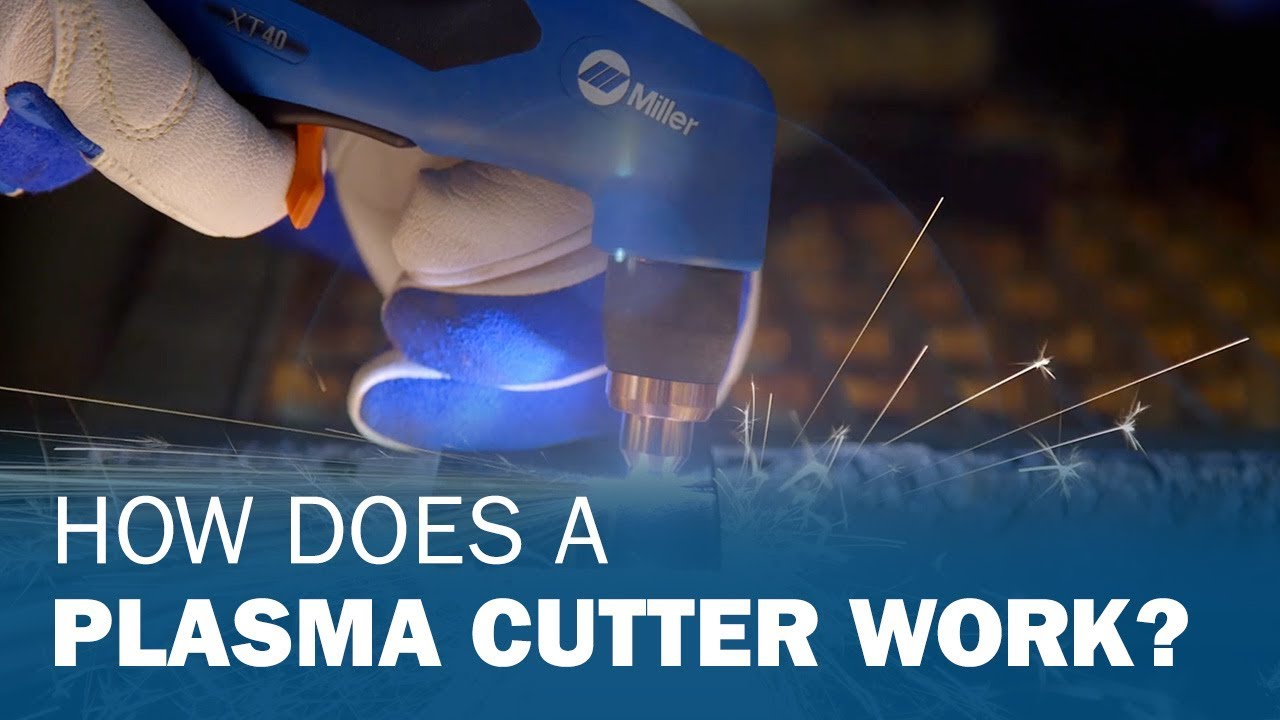
The plasma jet shoots out of the nozzle at high speed. As you move the torch, the plasma arc melts the metal directly below it. The gas flow pushes the molten metal out of the cut, leaving a narrow, clean kerf (the width of the cut).
4. Ending The Cut
Release the trigger, and the arc stops. Wait for the metal to cool before handling it.
Plasma Cutting Vs. Other Cutting Methods
Choosing the right cutting method depends on your project, material, and budget. Here’s how plasma cutting compares to other common techniques.
| Method | Material Types | Cut Quality | Speed | Heat Affected Zone | Cost |
|---|---|---|---|---|---|
| Plasma Cutting | Conductive metals | High, clean edge | Very fast | Low | Medium |
| Oxy-Acetylene Torch | Steel, iron | Good, more slag | Slower | High | Low |
| Laser Cutting | Metals, plastics | Excellent | Fast | Very low | High |
| Mechanical Saw | All types | Variable | Slow | Variable | Low |
Plasma cutting is usually the best balance for most metalwork, offering fast, precise cuts with minimal thermal distortion.
Types Of Plasma Cutters
There are several types of plasma cutters, each designed for different uses and environments.
Manual Plasma Cutters
These are handheld units for small workshops, garages, or job sites. They are portable, easy to use, and can cut metal up to about 1 inch (25mm) thick, depending on the model.
Cnc Plasma Cutters
CNC (Computer Numerical Control) plasma cutters are automated machines that can cut complex shapes based on digital designs. They are used in industrial manufacturing and fabrication shops. These systems can handle large sheets of metal, producing intricate parts with high repeatability.
High-definition Plasma Cutters
High-definition (HD) plasma cutters use advanced nozzles and tighter gas control to produce even cleaner, more precise cuts. They’re often used for applications that need little or no post-cut finishing.
Inverter Plasma Cutters
Inverter technology makes plasma cutters lighter and more energy-efficient. Instead of using heavy transformers, these cutters use electronic circuits to convert and control power. They are ideal for portable work and run efficiently on standard electrical supplies.

Important Plasma Cutter Settings And Controls
For safe, effective plasma cutting, you must understand key settings:
Amperage
Higher amperage means more power and the ability to cut thicker metal. Too much amperage on thin metal will create a wider kerf and more dross (molten metal waste). Too little amperage may not cut through fully.
Air Pressure
The right air pressure is critical. Low pressure can lead to a weak arc and rough cuts, while high pressure may blow out the arc or damage the torch. Most cutters operate between 60–120 PSI.
Cutting Speed
Move the torch too fast, and you’ll leave uncut metal or a rough edge. Too slow, and you’ll create too much dross underneath. Watching the sparks is a good guide: they should shoot straight down if you’re moving at the right speed.
Torch Angle
Most cuts use a 90-degree angle, but some situations may require angling the torch for bevel cuts or special effects.
Gas Type
While most plasma cutters use compressed air, some industrial models use nitrogen, argon, or oxygen for special materials or higher quality cuts.
Materials You Can Cut With A Plasma Cutter
Plasma cutters are designed for electrically conductive materials. The most common are:
- Mild steel: Fast, clean cuts up to several inches thick.
- Stainless steel: Also cuts well, but may need special gas for best results.
- Aluminum: Cuts easily, but melts quickly—watch for excess dross.
- Copper and brass: Possible, but require care due to high thermal conductivity.
Some non-obvious limits: Plasma cutters cannot cut wood, plastic, or glass, since these are not conductive.
Plasma Cutter Thickness Capacity
The maximum thickness a plasma cutter can handle depends on its amperage and design.
| Cutter Amperage | Maximum Mild Steel Thickness | Maximum Aluminum Thickness | Cut Quality |
|---|---|---|---|
| 20–30A | 1/4″ (6mm) | 3/16″ (5mm) | Fine |
| 40–50A | 1/2″ (12mm) | 3/8″ (10mm) | Good |
| 60–80A | 1″ (25mm) | 3/4″ (19mm) | Good |
| 100+A | 2″ (50mm) or more | 1.5″ (38mm) | Industrial |
Remember, the “severance” thickness (absolute maximum) is always higher than the “clean cut” thickness.
Safety Tips For Plasma Cutting
Plasma cutters are powerful and potentially dangerous. Protect yourself and your workspace with these precautions:
- Wear proper PPE: Use flame-resistant gloves, safety glasses, face shields, and long sleeves.
- Shield your eyes: The plasma arc emits intense UV and infrared light. Use a proper shade helmet or goggles.
- Ventilation: Cutting produces fumes. Work in a well-ventilated area or use a fume extractor.
- Fire safety: Keep flammable materials away. Sparks can travel far.
- Grounding: Always attach the ground clamp to clean, unpainted metal for a solid electrical connection.
- Check connections: Inspect cables, hoses, and torches for damage before use.
Non-obvious insight: Even after you finish cutting, the metal can remain hot for several minutes. Many beginners get burned by handling parts too soon.
Common Problems And Troubleshooting
Even the best plasma cutters have issues from time to time. Here are a few common problems and how to address them:
Poor Cut Quality
- Check air pressure: Low or fluctuating pressure causes rough edges.
- Replace consumables: Worn nozzles or electrodes can create unstable arcs.
- Slow down or speed up: Adjust your torch movement to avoid dross.
Arc Won’t Start
- Check ground clamp: Ensure it’s attached to bare, clean metal.
- Check consumables: Dirty or worn electrodes may prevent arc formation.
- Air supply: Confirm gas is flowing at correct pressure.
Excessive Dross
- Wrong cutting speed: Moving too slow causes more dross.
- Amperage mismatch: Too much or too little power affects results.
- Dirty metal: Rust or paint can interfere with smooth cuts.
Torch Tip Wear
- Replace parts regularly: Nozzles, electrodes, and shields wear out with use.
- Avoid “double arcing”: Never touch the tip directly to the workpiece for long periods.
Plasma Cutter Maintenance
A well-maintained plasma cutter lasts longer and performs better. Here are some essential maintenance steps:
- Clean torch parts: Disassemble and wipe down the torch head, nozzle, and electrode regularly.
- Check hoses and cables: Look for leaks, cracks, or worn insulation.
- Drain air compressors: Water in the air line can damage the cutter.
- Replace consumables: Keep spare nozzles and electrodes on hand.
- Update software: For CNC machines, install firmware updates as needed.
Advanced Plasma Cutting Techniques
After mastering basic cuts, you can explore advanced techniques to get more from your plasma cutter.
Gouging
Plasma gouging lets you remove metal without fully cutting through. It’s used for removing welds, repairing cracks, or cleaning up old joints. Special gouging tips are available for this purpose.
Bevel Cutting
By angling the torch, you can create beveled edges for welding or decorative effects. Some CNC cutters can automate this process for perfect accuracy.
Stenciling And Art
Artists and fabricators use plasma cutters to create detailed patterns, signs, or custom metal art. Templates or CNC controls make it easier to reproduce complex shapes.
Cutting Expanded Or Perforated Metal
Pilot arc cutters are best for these materials, as they can maintain the arc even when the torch passes over gaps.
Environmental And Economic Impact Of Plasma Cutting
Plasma cutting is more energy-efficient and cleaner than older methods like oxy-acetylene. It produces less slag and fewer fumes, which helps reduce cleanup time and health risks.
On the economic side, plasma cutters can reduce labor costs, speed up production, and minimize wasted material. While the initial investment may be higher than a simple torch or saw, the long-term savings in time and material are substantial.
Choosing The Right Plasma Cutter For Your Needs
Selecting the right plasma cutter depends on your projects and budget. Consider these factors:
- Material Thickness: Match the cutter’s capacity to the thickest metal you plan to cut.
- Duty Cycle: This is the percentage of time a machine can run without overheating. For heavy use, choose a cutter with a high duty cycle.
- Portability: If you move between job sites, look for lightweight inverter models.
- Power Source: Ensure your workspace has the right electrical supply (110V/220V).
- Consumable Costs: Check the price and availability of replacement nozzles and electrodes.
- Special Features: Features like pilot arc, CNC compatibility, or multi-voltage input can be helpful.
Compare different models and read user reviews before making your choice. For a deeper dive into plasma cutting technology, check out the Wikipedia entry on plasma cutting.
Plasma Cutting Myths And Misconceptions
Even experienced users sometimes believe myths about plasma cutting:
- Myth: Plasma cutters are only for thick metal.
- Fact: Plasma cutters excel at thin sheet metal and intricate designs as well.
- Myth: Only professionals can use plasma cutters.
- Fact: Modern units are user-friendly, with built-in safety and setup guides.
- Myth: Plasma cutting leaves dangerous fumes everywhere.
- Fact: Fume extraction and proper ventilation make plasma cutting safer than many welding processes.
Real-world Examples Of Plasma Cutting
Plasma cutters are found in many industries:
- Automotive: Cutting body panels, chassis repairs, and custom modifications.
- Construction: Shaping steel beams and pipes on-site.
- Manufacturing: Producing machine parts, brackets, and enclosures.
- Art and Design: Creating sculptures, signs, and custom furniture.
A local fabrication shop, for example, can use a CNC plasma cutter to produce hundreds of identical brackets for a building project—something that would take much longer by hand.
Plasma Cutter Operating Costs
Operating a plasma cutter involves several recurring costs:
- Electricity: Higher amperage models use more power.
- Consumables: Nozzles, electrodes, and shields wear out after many cuts.
- Compressed Air: Air compressors must be maintained and powered.
- Maintenance: Regular cleaning and part replacement.
Here’s a quick cost comparison:
| Expense | Plasma Cutter | Oxy-Acetylene Torch | Laser Cutter |
|---|---|---|---|
| Consumables/year | $150–$500 | $200–$400 | $1,000+ |
| Electricity/year | $100–$400 | Minimal | $400–$1,000 |
| Gas Refills/year | Minimal (if air-cooled) | $300–$600 | Varies |
| Maintenance/year | $100–$300 | $50–$200 | $500+ |
While plasma cutters are not the cheapest up front, their speed and efficiency often make them the best value over time.
Frequently Asked Questions
What Materials Can A Plasma Cutter Cut?
Plasma cutters work on any electrically conductive material: mild steel, stainless steel, aluminum, copper, and brass are most common. They cannot cut non-conductive materials like wood or plastic.
How Thick Can A Plasma Cutter Cut?
The maximum thickness depends on the machine’s amperage. Small units may cut 1/4” (6mm) steel, while large industrial models can handle 2” (50mm) or more. Always check your machine’s specifications.
Is Plasma Cutting Dangerous?
Plasma cutting is safe if you follow proper safety precautions: wear PPE, shield your eyes, work in a ventilated area, and keep flammable materials away. The main risks are burns, eye damage, and fumes.
What Is A Pilot Arc In Plasma Cutting?
A pilot arc allows the plasma cutter to start the arc without touching the metal, making it easier to cut through rusty, painted, or perforated surfaces. It also extends consumable life.
Can I Use A Plasma Cutter At Home?
Yes, many portable plasma cutters are designed for home workshops and garages. Just make sure you have a suitable power supply (110V or 220V), compressed air, and follow all safety guidelines.
A plasma cutter is a powerful, precise, and versatile tool for anyone working with metal. By understanding how plasma cutting works, you can choose the right model, use it safely, and get the best results in your projects. Whether you’re a hobbyist or a professional, mastering plasma cutting opens up a world of possibilities in fabrication and design.