
Drilling into drywall may sound simple, but it can quickly become frustrating if you don’t know the right techniques. Many people damage their walls, break tools, or end up with crooked holes just because they miss a few important steps.
Whether you want to hang a picture frame, mount a TV, or set up a shelf, learning how to drill into drywall properly will save you time, money, and stress.
Mistakes can lead to loose anchors, crumbling holes, or even hitting hidden pipes and wires. This guide will show you how to drill into drywall safely, cleanly, and with results that last. You’ll learn how to pick the right tools, find the best spot, avoid common problems, and get a perfect hole every time.
Even if you’re new to home improvement, you’ll be able to follow these steps and work with confidence.
Understanding Drywall: What You Need To Know
Before you drill, it’s smart to know what you’re working with. Drywall (also called plasterboard or gypsum board) is a thin panel made of gypsum plaster pressed between two sheets of thick paper. Most walls and ceilings in homes use drywall because it’s cheap, light, and easy to install.
Drywall panels are usually 1/2 inch (12. 5 mm) thick for walls, but ceilings may use 5/8 inch (15 mm) panels for strength. The inside is soft and crumbly, which is why it’s easy to damage if you use the wrong drill bit or too much pressure.
There are studs behind the drywall. These are vertical wooden or metal beams that hold the wall up. Studs are spaced about 16 or 24 inches apart. Knowing where studs are is important because heavy items should be anchored into studs, not just drywall.
Drywall hides pipes, electrical wires, and sometimes insulation. Drilling in the wrong spot can be dangerous, so always check before you drill.
Tools And Materials For Drilling Into Drywall
Having the right tools makes drilling easier and safer. Here’s what you’ll need:
- Drill: A cordless power drill is best for most jobs. A corded drill also works.
- Drill bits: Use standard twist bits for small holes. For bigger holes (over 1/2 inch), use a spade bit or hole saw.
- Anchors: These hold screws in place when there’s no stud. Choose from plastic expansion anchors, toggle bolts, or molly bolts.
- Screws: Pick screws that match your anchor and are long enough to go through the drywall.
- Stud finder: Helps you find studs and avoid pipes or wires.
- Tape measure: For marking the right spot.
- Pencil: To mark your drilling location.
- Level: Keeps everything straight.
- Dust mask and safety glasses: Protect your eyes and lungs from dust.
- Vacuum or brush: For cleaning up dust after drilling.
Optional but helpful:
- Painter’s tape: Place over your mark to reduce drywall chipping.
- Small hammer: Useful for tapping in anchors.
- Awl or nail: For making a pilot dent before drilling.
Pro tip: Using the right anchor is more important than using a big screw. Too large a hole can make anchors loose and reduce holding strength.
Safety Precautions: What To Check Before You Drill
Drilling into drywall can be risky if you don’t take safety steps. Here’s what you must do:
- Check for hidden wires and pipes. Use a stud finder that detects metal or live wires, or use a wire detector. Pipes and cables are usually vertical near outlets, switches, or plumbing.
- Locate studs. Use a stud finder or knock on the wall (a hollow sound means no stud; a solid sound means a stud).
- Wear protection. Always use safety glasses and a dust mask. Gypsum dust can irritate your lungs and eyes.
- Clear the area. Remove furniture and cover floors to protect from dust and falling debris.
- Turn off power if in doubt. If you’re drilling near electrical outlets or switches, it’s safer to turn off the circuit at the breaker box.
How To Find The Right Spot For Drilling
Choosing the correct spot is key to a strong and safe installation. Here’s how to do it:
- Decide what you’re hanging. Heavy shelves or TVs need to be anchored to studs. Light items (under 10 lbs) can use drywall anchors.
- Use a stud finder. Slide it across the wall until it signals a stud. Mark the edges, then the center.
- Mark your spot. Use a pencil to make a small dot where you want to drill.
- Check for level. If you’re drilling more than one hole (for a shelf or bracket), use a level to keep holes straight.
- Double-check for wires or pipes. Especially if you’re drilling near outlets, switches, or bathrooms.
Non-obvious insight: Many beginners forget that walls in kitchens and bathrooms often have pipes or wires even in unexpected places. Always scan the wall, not just the spot you want to drill.
Choosing The Right Drill Bit And Anchor
Picking the correct drill bit and anchor will decide how strong and clean your hole will be.
Drill Bits
- Twist bits (1/16 to 1/4 inch): Best for small holes for screws or lightweight anchors.
- Spade bits (over 1/2 inch): For large holes, but can damage drywall if not careful.
- Hole saws: For cutting big, round holes (like for electrical boxes).
Anchors
Here’s a quick comparison of common drywall anchors:
| Anchor Type | Weight Capacity | Best For | Installation |
|---|---|---|---|
| Plastic Expansion | Up to 20 lbs | Light items | Push in hole, tap flush |
| Molly Bolt | Up to 50 lbs | Medium items | Screw expands anchor in wall |
| Toggle Bolt | Up to 100 lbs | Heavy shelves, TVs | Wings expand behind wall |
| Self-Drilling Anchor | Up to 50 lbs | Quick installations | Screw directly into drywall |
Non-obvious insight: The holding power of an anchor depends on the drywall’s condition. Old or water-damaged drywall can’t hold as much as new, solid panels.
Step-by-step Guide: Drilling Into Drywall
Let’s go through the process step by step, so you can get it right the first time.
1. Prepare Your Workspace
- Move furniture and cover the area with a drop cloth or old sheet.
- Gather all your tools and materials so you don’t have to stop halfway.
2. Mark The Drilling Spot
- Use a tape measure to find the exact spot.
- Use a pencil to make a small dot.
- If drilling more than one hole, use a level to mark a straight line.
3. Check For Studs, Pipes, And Wires
- Run a stud finder over the area.
- If you find a stud, decide if you want to drill into it or between studs.
- Double-check for wires or pipes using a wire detector.
4. Make A Small Starter Dent
- Place a sharp nail or awl on your pencil mark.
- Tap gently with a hammer to make a shallow dent. This keeps your drill bit from slipping.
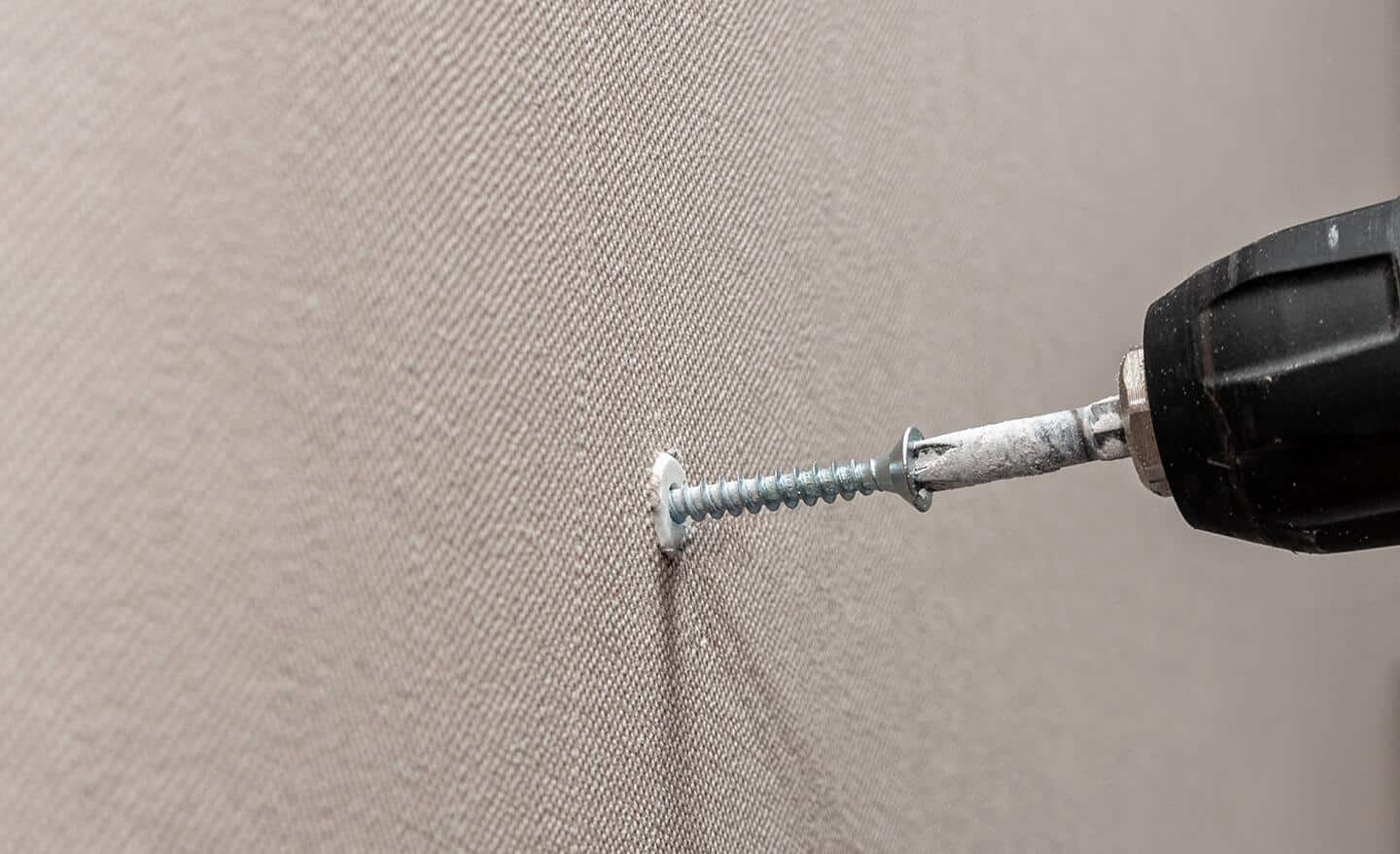
5. Drill The Hole
- Attach the correct size drill bit for your anchor or screw.
- Place the tip in the starter dent.
- Hold the drill straight (not at an angle).
- Start slow to avoid tearing the drywall.
- Gently increase speed, but don’t force it.
- Drill just deep enough for your anchor or screw.
Pro tip: Stop as soon as you feel the bit punch through the back of the drywall. Don’t keep pushing, or you might damage hidden wires or pipes.
6. Clean Up The Hole
- Use a vacuum or brush to remove dust from the hole.
- If the hole edges are rough, scrape gently with a utility knife.
7. Install The Anchor (if Needed)
- For plastic anchors: Push into the hole and tap gently until flush.
- For molly bolts: Insert, then screw to expand the anchor.
- For toggle bolts: Thread the bolt through your bracket, fold the wings, push through the hole, and tighten.
- For self-drilling anchors: Screw directly into drywall with a screwdriver.
8. Insert The Screw
- Place the screw into the anchor and tighten with a screwdriver or drill.
- Leave a small gap (if hanging a bracket or frame), or go flush if needed.
9. Double-check Stability
- Gently pull on the screw or bracket. If it moves or feels loose, remove it and use a stronger anchor.
Example: If you’re hanging a 30-pound mirror, use a toggle bolt, not a plastic anchor. A plastic anchor might pull out over time.
Tips For A Cleaner And Stronger Hole
- Use painter’s tape: Place a small piece over your drilling spot. This helps prevent the drywall paper from tearing.
- Start slow: High drill speed can cause the bit to skate or rip the drywall.
- Don’t overtighten: Screws that are too tight can crush the anchor and weaken the hold.
- Check anchor ratings: Always check the package for weight limits.
Special Situations: Drilling Into Ceilings And Corners
Drilling Into Drywall Ceilings
- Ceilings are usually 5/8 inch thick for strength.
- Always use a stud finder to locate ceiling joists (the ceiling version of studs).
- For heavy items like ceiling fans, always anchor into a joist, not just drywall.
- Use toggle bolts for lighter items, but be aware that gravity puts more stress on ceiling installations.
Drilling Near Corners Or Edges
- Don’t drill within 2 inches of a corner or edge. Drywall is weaker here and can crack easily.
- If you must drill near an edge, use a smaller anchor and go slowly.
What To Do If You Make A Mistake
Even professionals sometimes make errors. Here’s how to fix common problems:
Hole Is Too Big
- Use a larger anchor or toggle bolt.
- Fill the hole with joint compound, let it dry, sand smooth, and try again nearby.
Hole Is Crooked
- If the screw leans, remove it and fill the hole. Drill a new hole straight.
Anchor Spins Or Won’t Hold
- Remove the anchor and fill the hole with joint compound. Try a different anchor or move to a new spot.
Hit A Stud By Accident
- Use a wood screw instead of an anchor and screw directly into the stud.
Damaged Drywall Paper
- Cut away loose paper with a utility knife.
- Use joint compound to patch before trying again.
Common Mistakes Beginners Make
- Not checking for wires or pipes. This can lead to electrical shock or water leaks.
- Using the wrong anchor. Too small or too big can cause the item to fall.
- Drilling too close to edges. Leads to cracks and weak holes.
- Forcing the drill. Can tear the drywall or break the bit.
- Not cleaning up dust. Dust in the hole can make anchors slip.
Non-obvious insight: Beginners often think a bigger anchor is always better. In reality, the anchor must match the weight of the item and the thickness of the drywall.

Comparing Anchor Types For Different Loads
When you want to pick the right anchor, it helps to see how they stack up for different wall loads:
| Item Weight | Recommended Anchor | Notes |
|---|---|---|
| Less than 10 lbs | Plastic expansion anchor | Ideal for small pictures, clocks |
| 10–30 lbs | Molly bolt or self-drilling anchor | Good for shelves, medium frames |
| 30–50 lbs | Toggle bolt | For large mirrors, heavy shelves |
| Over 50 lbs | Screw into stud | Best for TVs, cabinets, heavy fixtures |
When To Drill Directly Into A Stud
Some installations should always go into a stud:
- TV mounts
- Large shelves
- Heavy cabinets
- Grab bars in bathrooms
To drill into a stud:
- Use a wood drill bit.
- Skip the anchor and use a wood screw.
- Drill a small pilot hole first to prevent splitting the stud.
Pro tip: Studs are usually 1.5 inches wide. Try to drill in the center for best support.
Drilling Into Different Types Of Drywall
Not all drywall is the same. Here’s what to watch for:
- Standard drywall: Most common. Easy to drill.
- Moisture-resistant (green board): Used in bathrooms. Slightly harder, may need a sharper bit.
- Fire-resistant (Type X): Thicker and denser. Use a strong drill and bit.
Non-obvious insight: If your wall has two layers of drywall (sometimes done for fire safety or noise), you’ll need longer anchors and screws.
How To Patch And Repair Drywall Holes
Sometimes you need to patch a hole after drilling. Here’s how:
- For small holes (less than 1/2 inch):
- Fill with joint compound using a putty knife.
- Let dry, then sand smooth.
- Touch up with paint.
- For larger holes:
- Cut a square around the hole.
- Insert a drywall patch or piece.
- Tape around edges.
- Apply joint compound, let dry, sand, and paint.
Pro tip: Use a primer before painting over a patch to prevent color differences.
:max_bytes(150000):strip_icc()/how-to-use-and-discard-anchor-screws-1822671-Final-ec8091ccf65241b1b1f888549f25003a.jpg)
Environmental And Health Tips
Drilling into drywall creates dust that can irritate your lungs and eyes. Here are ways to stay safe and green:
- Always wear a dust mask and safety glasses.
- Use a vacuum to clean up dust, not a broom (which spreads dust).
- Dispose of drywall dust in sealed bags.
- If you’re drilling in an older home, be aware that very old drywall or paint may contain asbestos or lead. If you suspect this, get professional help.
For more health and safety advice, see this official guide from the CDC.
Real-world Example: Hanging A 40-pound Shelf
Let’s say you want to hang a 40-pound shelf. Here’s how you’d do it:
- Use a stud finder to locate a stud.
- Mark the height and length you want the shelf to sit.
- Use a level to mark where the bracket holes go.
- Drill pilot holes into the stud with a wood bit.
- Attach the shelf bracket using wood screws, not anchors.
- Test by gently pulling down on the shelf. If it feels solid, you’re done.
If you can’t find a stud where you want to hang the shelf:
- Use toggle bolts rated for 50 lbs or more.
- Drill the correct size hole for the toggle.
- Insert the toggle bolt through the shelf bracket and into the hole.
- Tighten until snug, but don’t overtighten.
Maintenance: Keeping Your Installations Secure
Over time, screws and anchors in drywall can loosen, especially if the item is bumped or carries weight.
- Check heavy installations every 6 months.
- Tighten loose screws.
- If an anchor feels loose, remove it and patch the hole before reinstalling.
- Avoid hanging heavier items on the same anchor hole again.
Frequently Asked Questions
How Do I Know If I Hit A Stud Or Just Drywall?
If your drill meets strong resistance after about 1/2 inch, you’ve hit a stud. You can also use a stud finder to check before drilling. Screws in studs feel much tighter than those in just drywall.
What Type Of Anchor Should I Use For Heavy Items?
For anything over 30 lbs, use toggle bolts or screw directly into a stud. Toggle bolts expand behind the drywall for maximum strength.
Can I Reuse A Hole In Drywall If The Screw Comes Out?
It’s not recommended. The hole will be loose, and the anchor may not hold. Fill the hole with joint compound, let it dry, and drill a new hole nearby.
Is It Safe To Drill Above Or Below Electrical Outlets?
Be extra careful. Wires usually run vertically from outlets and switches. Use a wire detector or stud finder with live wire detection before drilling in these areas.
What Should I Do If The Drywall Crumbles While Drilling?
Stop drilling. Remove loose material, fill the hole with joint compound, let it dry, and try again with a new anchor. Avoid drilling too close to edges or using oversized bits.
Drilling into drywall doesn’t have to be stressful. With the right tools, a careful approach, and these tips, you’ll get professional results even as a beginner. Take your time, follow these steps, and you’ll be able to hang, mount, or install anything on your drywall safely and securely.