
A wet carpet can turn a comfortable home or office into a stressful environment. Not only does it smell bad, but it also encourages mold growth, damages floors, and can even ruin your furniture. Many people think that vacuum cleaners, especially wet/dry vacuums, are the only option to dry carpets quickly. But what if you don’t have a vacuum? Or your vacuum isn’t strong enough? Don’t worry. There are effective ways to dry a wet carpet without a vacuum, and you can do them with simple items found in most homes. In this guide, you’ll discover clear, practical steps—plus expert tips—that anyone can follow, even if you’re dealing with a soaked rug after a flood or just a small spill.
Understanding The Risks Of A Wet Carpet
Before you start drying, it’s important to know why acting fast is so important. Carpets are made of fibers that absorb and hold moisture. When water sits for too long, it creates the perfect environment for mold, mildew, and bacteria. According to the Environmental Protection Agency (EPA), mold can start growing within 24 to 48 hours on damp surfaces. Besides health issues, wet carpets can cause:
- Unpleasant odors
- Staining and discoloration
- Damage to flooring underneath
- Attracting pests
Understanding these risks shows why prompt action is necessary. Even if you don’t have special machines, you can still prevent most problems with the right approach.
Assessing The Situation: How Wet Is Your Carpet?
The first step is to figure out how much water you’re dealing with. The method you use depends on whether you have a small spill or a deep, soaked carpet. Here’s how to check:
- Lightly press a clean towel or tissue on the carpet. If it comes away damp but not soaked, the damage is likely minimal.
- Step on the carpet with a dry sock. If your sock gets wet, the carpet is holding a lot of moisture.
- Peel back a corner (if possible). If the padding or floor underneath feels wet, you have a deeper problem.
For large floods or if the carpet feels squishy, you may need professional help. But most situations can be handled with household tools and patience.
Essential Tools And Materials You’ll Need
You probably have most of these items at home. Gathering them before you start will make the process faster and more efficient.
- Clean towels or rags (the more, the better)
- Mops and buckets
- Fans (box fans, ceiling fans, or any portable fans)
- Dehumidifier (if available)
- Baking soda
- Clothes hangers or rope (for small rugs)
- Squeegee (window or floor)
- Heavy objects (books, weights)
- Heating source (portable heater, radiator, or sunlight)
Some items are optional but highly recommended. For example, a dehumidifier can speed up drying, but you can still get good results without one.
Step-by-step Guide: How To Dry Wet Carpet Without A Vacuum
Let’s get into the detailed process. Each step is important, and skipping one can slow down drying or leave moisture hidden.
Step 1: Remove Excess Water Manually
Start by getting rid of as much water as you can.
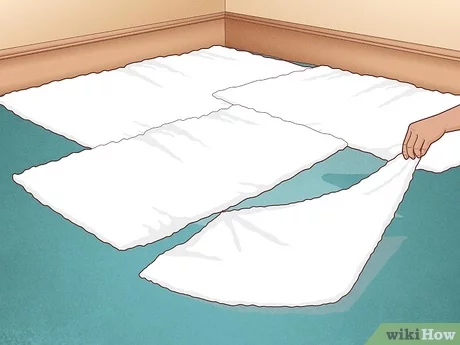
- Use clean towels to blot the wet area. Press down firmly to soak up water. Stand or kneel on the towels for better pressure.
- Replace towels often. Continue until they come away almost dry.
- For deeper water, use a squeegee to push water toward a door or drain if possible.
Non-obvious tip: Pressing with feet or a heavy object (like a book wrapped in plastic) on top of towels pulls out more water than hands alone.
Step 2: Lift And Separate The Carpet (if Possible)
If you can, gently lift the edge of the carpet to check the padding and floor underneath. This allows air to circulate and helps everything dry faster.
- Use gloves to avoid splinters or dirt.
- Prop up the edge with a small object (like a wood block) to keep it lifted.
If the padding is soaked, it’s best to remove and replace it, as it’s very hard to dry and can encourage mold.
Step 3: Use Airflow To Speed Up Drying
Air is your friend. The more you move it, the faster the carpet will dry.
- Set up fans to blow directly across the wet area. The stronger the airflow, the better.
- Open windows and doors to create a cross-breeze.
- Use a ceiling fan if you have one.
For small rugs, hang them outside on a clothesline or railing in the sun. Sunlight not only dries but also helps kill bacteria.
Expert insight: Pointing fans at the floor, not just the carpet, helps dry both the surface and the padding.
Step 4: Absorb Remaining Moisture With Baking Soda
Baking soda is a powerful moisture absorber and odor remover.
- Sprinkle a generous layer of baking soda over the damp area.
- Let it sit for at least 3 hours (overnight is even better).
- Sweep or shake out the baking soda. If you have a dry vacuum, you can use it, but this guide assumes you don’t.
Repeat this step if the area still feels damp.
Step 5: Use Heat Carefully
Warmth helps water evaporate faster, but you need to be careful not to damage the carpet.
- Place a portable heater or radiator near the area. Do not place it directly on the carpet.
- Use a hair dryer on a low setting for small spots. Keep it moving to avoid burning fibers.
- Let sunlight in if possible.
Non-obvious tip: Turning up the thermostat a few degrees while keeping fans running can speed up the process.
Step 6: Dehumidify The Room
If you have a dehumidifier, place it in the room and close all windows and doors. It will pull moisture from the air and the carpet.
- Empty the water tank often to keep it working at full power.
- Run it for several hours, or until the carpet feels dry.
If you don’t have a dehumidifier, using fans and open windows is the next best thing.
Step 7: Check For Dryness And Repeat If Needed
After a few hours, check the carpet by pressing a dry cloth or your hand onto the area.
- If it feels cool or damp, repeat steps 3 and 4.
- For thick carpets, drying can take 24–48 hours.
Don’t replace furniture or walk heavily on the area until it’s fully dry.

Comparing Drying Methods Without A Vacuum
Here’s a practical comparison of common ways to dry carpet without using a vacuum:
| Method | Effectiveness | Time Needed | Best For |
|---|---|---|---|
| Towels & Pressure | High | 30 min–1 hour | Fresh spills, small areas |
| Baking Soda | Medium | 3–12 hours | Lingering moisture, odor |
| Fans/Airflow | High | 12–48 hours | Large or deep wet areas |
| Sunlight | Medium | 4–8 hours | Small rugs, removable carpets |
| Heater | Medium | 2–6 hours | Cool, humid rooms |
| Dehumidifier | High | 6–24 hours | Closed rooms, persistent damp |
As you can see, using a mix of these methods gives the best results.
Preventing Mold And Odors During Drying
Mold is the biggest enemy when drying a wet carpet. Here’s how to protect your home:
- Dry quickly: Mold starts in as little as 24 hours.
- Keep air moving: Fans and open windows help prevent spores from settling.
- Use baking soda or white vinegar: Both help neutralize odors and slow mold growth.
- Sanitize with a mild solution: Mix water and a few drops of dish soap or a small amount of vinegar. Lightly sponge the area and dry again.
If you notice a musty smell or see visible mold, act fast. You may need to remove the carpet or call a professional.
Mold Growth Timeline
To better understand how quickly you need to act, look at this typical timeline:
| Time After Carpet Gets Wet | What Happens |
|---|---|
| 0–6 hours | Water soaks into carpet and padding |
| 6–24 hours | Carpet starts to smell, bacteria multiply |
| 24–48 hours | Mold and mildew start to grow |
| 48+ hours | Permanent damage, strong odor, health risks |
Key insight: Even if the carpet feels dry on top, padding underneath can stay wet much longer.
Drying Small Rugs And Removable Carpets
Small carpets and area rugs are much easier to handle.
- Remove them from the floor as soon as possible.
- Take them outside and hang over a railing, clothesline, or sturdy chair.
- Shake out excess water.
- Press towels on both sides to absorb more moisture.
- Let them dry in direct sunlight, flipping every few hours.
If it’s raining, hang rugs in a well-ventilated room and use fans.
Pro tip: Hanging rugs in the sun not only dries them but also helps remove bacteria naturally.
Special Considerations For Different Carpet Types
Not all carpets are the same. The way you dry them can change depending on the type:
Wool Carpets
- Wool holds water longer and is prone to shrinking.
- Dry with gentle airflow and mild heat.
- Avoid harsh rubbing to prevent damage.
Synthetic Carpets (nylon, Polyester, Olefin)
- These dry faster and handle fans or heaters well.
- Still, avoid extreme heat to prevent melting fibers.
Berber And Loop Carpets
- Water can get trapped in the loops.
- Use extra pressure with towels.
- Lift and separate loops if possible to let air in.
High-pile Or Shag Carpets
- These are the hardest to dry without a vacuum.
- Focus on airflow and pressing with towels.
- Flip sections over if possible.
Non-obvious insight: Always check manufacturer care instructions for your carpet type before using heat or chemicals.
What To Do After Drying: Inspect And Restore
Once the carpet is dry to the touch, there are a few final steps to make sure everything is safe and clean.
- Check for smells: A lingering musty odor means the carpet isn’t fully dry or there’s mold.
- Look for discoloration: Stains may appear after drying. Use a carpet cleaner or mild soap.
- Sanitize: If the water was dirty (from a flood, for example), clean with a disinfectant designed for carpets.
- Return furniture: Only after the carpet and floor are 100% dry. Use foil or plastic under furniture legs to prevent staining.
- Monitor: Keep checking for 1–2 days for new smells or dampness.
Common Mistakes To Avoid
People often make these errors when drying carpets without a vacuum. Avoiding them saves time and prevents bigger problems.
- Waiting too long to start drying.
- Only drying the surface: Moisture underneath is easy to miss.
- Using too much heat: High heat can ruin carpet fibers.
- Skipping airflow: Closing the room traps moisture.
- Ignoring padding: Wet padding is a common source of future mold.
- Replacing furniture too soon: This can trap moisture and create new stains.
When Should You Call A Professional?
Sometimes home methods are not enough. Call a carpet professional if:
- The wet area covers more than one-third of the room.
- Water is from a dirty source (flood, sewage, or washing machine overflow).
- You see visible mold or mildew after drying.
- The smell remains strong after 48 hours.
- Carpet or floor feels warped or soft.
Professionals have tools like commercial dehumidifiers and extraction machines. They can also replace padding and treat mold safely.
Cost And Time Estimates
Drying a wet carpet without a vacuum is mostly free if you have the right tools. Here’s a cost and time breakdown:
| Method | Estimated Cost | Time to Dry |
|---|---|---|
| Towels & Fans | $0–$50 (if you buy extra towels or a fan) | 12–48 hours |
| Baking Soda | $1–$5 | 3–12 hours |
| Heater | $0–$30 (if you own a heater) | 2–6 hours |
| Dehumidifier | $30–$200 (if you buy/rent) | 6–24 hours |
Note: The biggest “cost” is your time and effort. Acting quickly saves money on repairs.
Real-world Example: Drying A Carpet After A Small Flood
Imagine a pipe bursts in your living room. The carpet is soaked but you don’t have a vacuum. Here’s what you do:
- Turn off the water source and move all furniture.
- Use towels to soak up as much water as possible. Stand on the towels for better absorption.
- Open all windows and set up fans pointing at the wet area.
- Sprinkle baking soda on damp spots and leave overnight.
- In the morning, sweep up the baking soda and check for moisture.
- Use a portable heater in the room (not directly on the carpet).
- Check under the carpet if possible, and lift corners for airflow.
- Continue running fans and checking the carpet every few hours.
- After 24–48 hours, the carpet should feel dry. If not, repeat the process or call a professional.
Lesson: With patience and the right steps, you can save your carpet—even without special equipment.
Bonus Tips For Faster Drying
- Use multiple fans: The more, the better.
- Move air in different directions: Set fans at different angles for faster evaporation.
- Rotate rugs and carpets: If possible, flip them to dry both sides.
- Keep windows open during the day: Fresh air speeds up drying.
- Check humidity: High humidity slows the process. Use a dehumidifier if the air feels sticky.
How To Prevent Wet Carpets In The Future
Prevention is always easier than repair. Here are practical ways to avoid future problems:
- Fix leaks fast: Check pipes, appliances, and windows.
- Use rugs in high-risk areas: Kitchens, bathrooms, and near doors.
- Place mats under plants or pet bowls.
- Keep gutters clean: Overflow can leak into the house.
- Store a few old towels: Easy to grab in an emergency.
Extra insight: If you live in a flood-prone area, consider waterproof carpet padding or removable rugs.
When Is It Safe To Walk On The Carpet Again?
Wait until the carpet is completely dry to the touch. Walking on a damp carpet can push water deeper and slow down the process. For best results, wait 24–48 hours after you finish drying steps.
Trusted Resources For Further Reading
If you want to learn more about carpet care and drying after water damage, the EPA’s official guide offers helpful advice: EPA Mold Cleanup Guide.
Frequently Asked Questions
How Long Does It Take To Dry A Wet Carpet Without A Vacuum?
It depends on the size of the area, how much water is present, and the tools you use. Most carpets dry in 12 to 48 hours using fans, towels, and good airflow. Thick or soaked carpets may need more time.
Will Baking Soda Damage My Carpet?
No, baking soda is safe for most carpets. It helps absorb moisture and remove odors. Just make sure to sweep or shake it out after use. For delicate or colored carpets, test on a small area first.
Can I Use A Hair Dryer To Dry Carpet?
A hair dryer can help with small, damp spots. Use the lowest heat setting and keep it moving to avoid burning the carpet fibers. For large areas, fans and dehumidifiers work better.
How Do I Know If My Carpet Padding Is Still Wet?
Lift a corner of the carpet and touch the padding. If it feels damp or squishy, it needs more drying. Padding often takes longer to dry than the carpet itself and may need to be replaced if soaked.
What If The Carpet Still Smells After Drying?
A lingering musty smell means some moisture or mold may remain. Sprinkle baking soda, let it sit overnight, and sweep it up. If the smell continues, clean the area with a mix of water and vinegar or call a professional.
Drying a wet carpet without a vacuum is challenging, but with the right steps, you can protect your home, save money, and avoid bigger problems. Always act quickly, use the tools you have, and don’t be afraid to repeat steps if needed.
Your carpet—and your health—will thank you.