
Hanging a pegboard can change the way you organize your garage, kitchen, craft room, or office. With a pegboard, you can keep tools, utensils, or supplies visible, easy to reach, and neat. But if you have never hung a pegboard before, the process can seem confusing. There are many things to think about: the right type of pegboard, what hardware to use, where to install it, and how to make sure it’s strong enough for your items. This guide will help you understand every step, so you can hang a pegboard confidently and safely—even if you’ve never used a drill before.
You will learn not only how to hang a basic pegboard, but also how to choose materials, plan your layout, and avoid the mistakes that often frustrate beginners. You’ll get practical tips that make the job easier, plus advice on customizing your pegboard for your own needs.
Let’s explore how to hang pegboard, making your space more organized and efficient.
Why Hang A Pegboard?
A pegboard is more than just a storage board with holes. It’s a flexible system that helps you maximize wall space and reduce clutter. People use pegboards for many reasons:
- Tool organization: Keep tools in sight and in order.
- Craft storage: Store paints, brushes, ribbons, and other supplies.
- Kitchen efficiency: Hang pans, utensils, or measuring cups.
- Office neatness: Organize scissors, tapes, cables, or office supplies.
The main benefit is the ability to customize storage. You can move hooks and containers as your needs change. Pegboards are also affordable and easy to install. Unlike shelves, they don’t take up much space. For renters, pegboards are useful because they often require fewer holes and can be removed with little damage.
Choosing The Right Pegboard
Before you start, you need the right pegboard for your space and items. There are several types, each with strengths and weaknesses.
Materials
Pegboards are usually made from one of three materials:
1. Masonite (hardboard) Pegboard
The most common type. Brown, smooth, and affordable. It’s good for light to moderate use. Avoid using it in damp areas, as it can absorb moisture and warp.
2. Metal Pegboard
Made from steel or aluminum. Holds more weight and doesn’t warp with moisture. Great for garages or heavy tools. More expensive, but lasts longer.
3. Plastic Pegboard
Lightweight and moisture-resistant. Not as strong as metal, but won’t warp like wood. Good for laundry rooms or kitchens.
Hole Size And Spacing
Standard pegboard holes are either 1/8 inch or 1/4 inch in diameter, spaced 1 inch apart.
- 1/8 inch holes: For light-duty hooks, often used in offices or craft rooms.
- 1/4 inch holes: Fit larger, stronger hooks. Better for tools and heavier items.
Tip: Make sure your hooks match your pegboard’s hole size.
Size And Thickness
Pegboards come in many sizes. Common panels are 2 ft x 4 ft or 4 ft x 8 ft. You can cut them with a saw to fit your space.
- 1/8 inch thick: For light items.
- 1/4 inch thick: For heavier loads.
Non-obvious insight: If you plan to hang heavy items, choose a thicker, metal pegboard. For damp locations, avoid masonite.
Color And Finish
Many pegboards are brown or white. Some brands offer black, gray, or other colors to match your decor. Metal pegboards may have a powder-coated finish for extra durability.
Pre-drilled Vs. Un-drilled
Most pegboards are sold with holes already made. Some metal systems have slots for custom attachments.
:max_bytes(150000):strip_icc()/how-to-hang-a-pegboard-5214870-hero-01-45e4392f1f2046ab86a6aeb896dc21c2.jpg)
Credit: www.thespruce.com
Tools And Materials Needed
Gather everything before you start. Here’s what you’ll need:
- Pegboard panel (size and material of your choice)
- Furring strips (wood strips, usually 1” x 2”, for spacing)
- Wood screws (at least 1.5” long)
- Wall anchors (if not screwing into studs)
- Drill and bits
- Level
- Measuring tape
- Stud finder
- Saw (if you need to cut pegboard or furring strips)
- Pencil
- Screwdriver
- Hooks, bins, or baskets (for organizing)
- Protective eyewear
Optional but helpful:
- Painter’s tape (for marking)
- Paint or sealant (if you want to color your pegboard or make it water-resistant)
Planning The Layout
A common mistake is not planning before you start drilling. Decide where your pegboard will go, and what you want to store on it.
Location
Consider these factors:
- Wall strength: Avoid weak drywall if you want to hang heavy items.
- Accessibility: Place the pegboard where you can reach it easily.
- Clearance: Make sure doors, windows, or cabinets won’t block access.
Practical tip: Use painter’s tape to outline the pegboard on the wall. This helps you visualize the final look and adjust placement before making holes.
Marking Studs
Find wall studs using a stud finder. Mark their centers with a pencil. Screwing into studs gives the strongest hold.
Planning For Spacing
Pegboard needs space behind it (about 1/2 inch) so hooks can go through the holes. This is why you’ll use furring strips.
Sketching Your Layout
Think about what you’ll hang. Lay tools or items on the floor in a rectangle the size of your pegboard. This helps plan where to put each hook or bin.
Non-obvious insight: Leave some empty space for future items. Pegboards work best when you can rearrange as your needs change.
Step-by-step: How To Hang Pegboard
Now, let’s get into the actual steps. This method works for most pegboards and wall types.
Step 1: Measure And Mark
Use a measuring tape to determine the pegboard’s height and width on the wall. Mark the corners lightly with a pencil.
Step 2: Locate And Mark Studs
Use a stud finder to locate studs behind the wall. Mark their centers at the top and bottom of where your pegboard will go.
Step 3: Cut Furring Strips
Cut enough furring strips to frame the top, bottom, and sides of the pegboard area. For larger boards, add a strip across the middle for extra support.
Example: For a 2 ft x 4 ft pegboard, you’ll need two 4-foot strips (top and bottom) and two 2-foot strips (sides).
Step 4: Attach Furring Strips To The Wall
Hold each strip level and screw it into the wall, using wood screws into the studs. If you can’t hit a stud, use strong wall anchors.
- Top tip: Use a level to make sure the strips are straight.
- Place strips vertically along each side, and horizontally at the top and bottom.
- For extra strength, add a center strip.
Step 5: Attach The Pegboard
Hold the pegboard against the furring strips. Drill holes through the pegboard and into the strips. Space screws about every 12 inches.
- Use screws long enough to go through the pegboard and at least 1 inch into the wood strip.
- For metal pegboards, follow the manufacturer’s instructions, as they may use special mounting brackets.
Safety note: Wear protective eyewear when drilling.
Step 6: Check For Level And Strength
Use your level to check that the pegboard is straight. Tug gently on the board to make sure it’s secure. If it wiggles, add more screws.
Step 7: Install Hooks And Organizers
Now, add your hooks, bins, or baskets. Arrange them according to your needs.
Pro tip: Start with larger, heavier items at the bottom. This prevents the board from becoming top-heavy.
Step 8: Organize Your Items
Hang tools, supplies, or utensils. Adjust hooks as needed. Keep frequently used items at eye level.
Comparing Mounting Methods
Different wall types and pegboards may require different mounting methods. Here’s a comparison:
| Method | Best For | Pros | Cons |
|---|---|---|---|
| Furring Strips + Screws | Drywall, Plaster, Concrete | Strong, provides space for hooks | Requires wood strips, more steps |
| Direct to Studs | Studs perfectly spaced | Simple, few materials needed | Rarely aligns with pegboard edges |
| French Cleat | Reusable or heavy loads | Removable, strong | More cutting, precise measuring |
| Adhesive Mounts | Temporary or rented spaces | No holes, easy removal | Low weight limit |
Mounting On Different Surfaces
Not all walls are the same. Here’s how to handle common surfaces.
Drywall
Most home walls are drywall. Use furring strips and screws into studs. If you can’t hit a stud, use heavy-duty wall anchors.
Concrete Or Brick
Use a masonry drill bit and concrete screws. Attach furring strips first, then mount the pegboard.
Plaster
Old homes may have plaster walls. Use a stud finder carefully (plaster can confuse them). Drill slowly to avoid cracking.
Tile
Tile walls require a tile drill bit. Use caution and patience.
Non-obvious insight: If you’re not sure what’s behind your wall, drill a small test hole in an out-of-sight area.
Hanging Pegboard Without Drilling
Drilling isn’t always possible. Here are options if you can’t make holes:
- Adhesive strips or hooks: For small, lightweight pegboards. Not for heavy tools.
- Freestanding frames: Build or buy a frame that stands on the floor. Lean the pegboard against the wall.
- Over-the-door hangers: Useful for closets or rented apartments.
Important: These methods won’t hold as much weight as a properly mounted pegboard.
Customizing Your Pegboard
Pegboards are flexible. Here’s how to make yours unique and more useful:
Painting
You can paint wood or metal pegboards to match your space. Use spray paint for an even finish. For damp areas, use sealant first.
Adding Shelves
Some hooks can hold small shelves or trays. Great for jars, paint cans, or glue bottles.
Magnetic Strips
Attach a magnetic strip to hold metal tools like screwdrivers or scissors.
Labels And Outlines
Use tape or paint to outline where tools go. This helps you remember where each item belongs.
Lighting
Add LED strip lights above or behind the pegboard for better visibility.
Using Bins And Cups
Small cups or bins fit into pegboard holes. Use them for screws, nails, or small parts.
Safety Tips
- Always wear protective eyewear when cutting or drilling.
- Use a stud finder to avoid electrical wires or pipes.
- Don’t overload the pegboard. Check weight limits for your material and wall type.
- Make sure hooks are fully seated in holes before hanging heavy items.
Non-obvious insight: For metal pegboards, check for sharp edges before handling.
Common Mistakes And How To Avoid Them
Even experienced DIYers make mistakes. Here are some to watch for:
- Not using spacers: Pegboard must be spaced off the wall, or hooks won’t fit.
- Using the wrong hardware: Weak screws or anchors can lead to collapse.
- Overloading: Putting too much weight on one hook or area can tear the board or pull out screws.
- Poor planning: Not thinking about layout leads to wasted space and clutter.
- Ignoring wall type: Not all walls can hold heavy loads; check before you mount.
- Skipping the level: A crooked pegboard looks bad and items might slide off.
- Not matching hook size to hole size: 1/4 inch hooks won’t fit in 1/8 inch holes.
Practical tip: Always test with one or two hooks before loading up your pegboard.
Maintenance And Long-term Care
Pegboards are low-maintenance, but a little attention helps them last longer.
- Clean with a soft cloth or vacuum to remove dust.
- Check screws every few months to make sure they’re tight.
- Rearrange hooks as your needs change.
- Inspect for damage: Wood pegboards can warp if exposed to water. Metal can rust if scratched.
Extra tip: If you move, patch holes with spackle and touch up paint.

Credit: www.wikihow.com
Example Projects And Inspiration
To help you see what’s possible, here are some real-world uses:
Garage Tool Wall
A 4 ft x 8 ft metal pegboard holds hammers, wrenches, and power tools. Hooks are arranged by tool type. Small bins underneath hold screws and nails.
Craft Room Organizer
A white plastic pegboard above a desk holds scissors, glue, thread, and markers. Small cups fit into the holes for buttons and beads. The board is painted to match the room.
Kitchen Pegboard
A painted masonite pegboard next to the stove holds frying pans, spatulas, and measuring cups. Hooks are spaced wide for bigger items.
Office Supply Center
A small, 2 ft x 2 ft pegboard above a desk holds tape, chargers, and pens. Shelves hold notepads and sticky notes.
Inspiration: See how others organize their spaces by searching for “pegboard ideas” on Pinterest or Instagram.
Pegboard Accessories: What’s Available?
You can buy many types of accessories for your pegboard. Here are the most popular:
| Accessory Type | Best For | Example Items |
|---|---|---|
| Hooks | Hanging tools, pans, scissors | Single, double, curved, angled |
| Baskets | Holding loose items | Screws, spray cans, tape rolls |
| Cups/Bins | Small parts | Nuts, bolts, buttons |
| Shelves | Larger items, containers | Jars, bottles, boxes |
| Magnetic Holders | Metal tools | Screwdrivers, pliers |
Pro tip: Buy a starter kit with a variety of hooks and bins. You’ll learn what works best for your items.
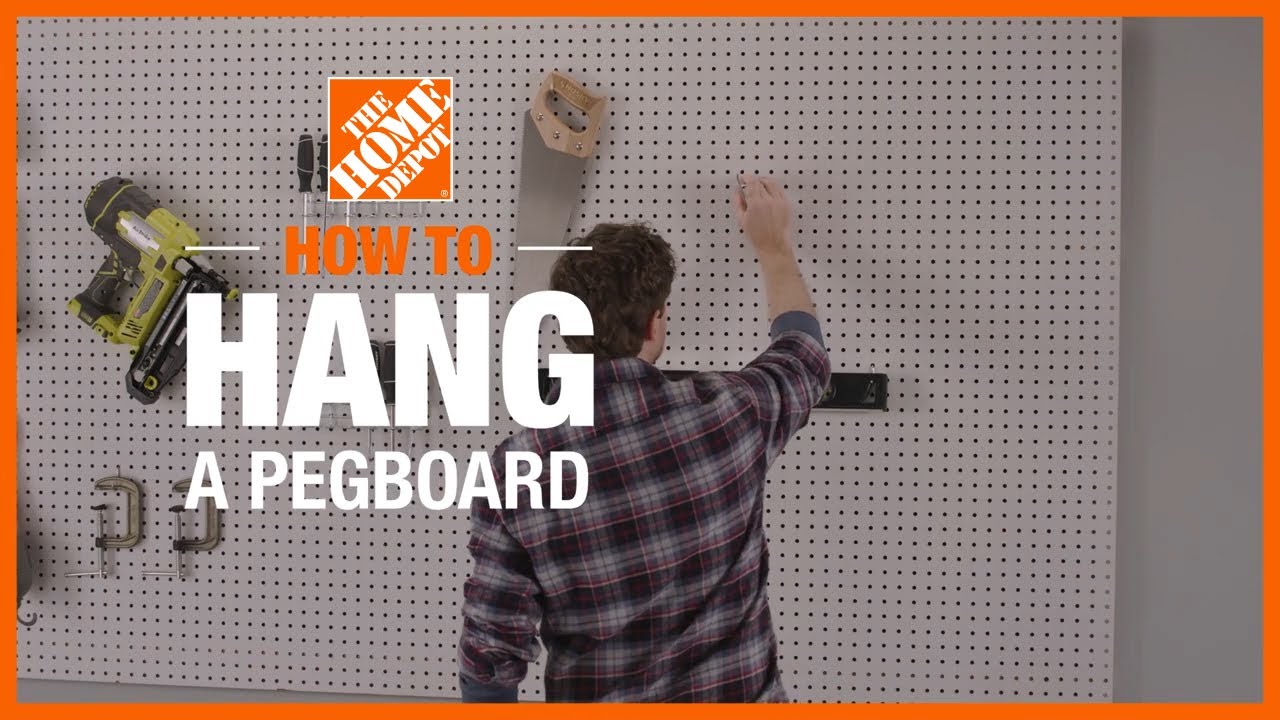
Credit: www.youtube.com
Environmental Considerations
If you care about sustainability, choose recycled plastic or metal pegboards. They last longer and can be recycled again.
Wood pegboards are biodegradable but break down quickly in damp places.
For more on sustainable home organization, see the U.S. EPA guide to recycling.
Troubleshooting: What If Something Goes Wrong?
Problems happen. Here are quick fixes:
- Board feels loose: Add more screws through the pegboard into the furring strips.
- Hooks fall out: Check if the hook matches the hole size. Replace with correct hooks.
- Pegboard sags: Add another furring strip or support bracket in the middle.
- Can’t find studs: Use strong wall anchors rated for your pegboard’s weight.
- Holes in wrong place: Patch with wood filler and drill a new hole.
Don’t panic: Most mistakes are easy to fix with basic tools.
Frequently Asked Questions
How Much Weight Can A Pegboard Hold?
Weight depends on the material and mounting method. A standard wood pegboard, properly mounted to studs with furring strips, can usually hold 50-100 pounds across a 4 ft x 8 ft area. Metal pegboards hold more. Always check manufacturer’s recommendations.
Can I Hang A Pegboard On Concrete Walls?
Yes. Use a masonry drill bit and concrete screws to attach furring strips, then mount your pegboard to the strips. Always wear protective gear when drilling into concrete.
How Do I Keep Hooks From Falling Out?
Make sure your hook size matches the hole size (1/8” or 1/4”). Some hooks have locking clips for extra security. For heavy items, use double hooks or baskets.
What If I Rent And Can’t Drill Holes?
Try adhesive strips, freestanding frames, or over-the-door pegboards. These options hold less weight but avoid permanent damage.
Is It Safe To Hang Heavy Tools On A Pegboard?
If you use a strong pegboard (preferably metal), mount it into wall studs, and use the right hooks, it’s safe to hang heavy tools. Spread weight evenly and check regularly for signs of strain.
Hanging a pegboard is one of the simplest ways to create order in any space. With the right tools, a clear plan, and careful installation, you’ll enjoy a clutter-free wall and a more efficient routine. Start small, learn as you go, and soon you’ll wonder how you ever lived without your pegboard.