
Organizing a tool cabinet may seem simple at first glance. You open the doors, toss in your tools, and close them until you need something again. But soon, you find yourself searching for a screwdriver under a pile of wrenches, or buying the same measuring tape for the third time because you can’t find the other two.
A well-organized tool cabinet saves time, reduces stress, and even keeps your tools in better condition for years. Whether you’re a DIY hobbyist, a weekend warrior, or a professional mechanic, learning how to organize a tool cabinet can transform your workflow and make every project more enjoyable.
In this detailed guide, you’ll learn step-by-step strategies to sort, store, and maintain your tools. We’ll cover everything from choosing the right cabinet and planning your layout, to clever storage hacks and tips for keeping everything in order. Even if you have a small collection or a huge range of specialty tools, you’ll find practical ideas you can use right away.
Let’s dig in and create a tool cabinet that works for you.
Understanding Your Tool Collection
Before you start arranging or buying organizers, you need a clear idea of what you own. Many people underestimate how many tools they have, or forget about specialty items buried at the back of the cabinet. Here’s how to take stock:
- Empty the Cabinet: Lay out all your tools on a large surface. This lets you see duplicates, broken items, and what you use most often.
- Group by Type or Use: Place all your screwdrivers together, then wrenches, pliers, power tools, fasteners, and so on. If you do plumbing, woodworking, or car repairs, create groups for those specialties.
- Identify Duplicates and Junk: Set aside broken tools or those you never use. Decide which duplicates to keep (sometimes a spare is handy) and which to donate or recycle.
This process often reveals surprising things. You might find three identical hammers, or realize you’re missing a critical socket size. Clearing out unused tools gives you more space and makes organizing much easier.
Choosing The Right Tool Cabinet
Not all tool cabinets are the same. Picking the right one depends on your space, the tools you own, and how often you use them. Consider these factors:
Cabinet Size And Type
- Small Portable Cabinets: Great for people with a few basic tools or who need to carry them around the house.
- Medium Rolling Cabinets: Ideal for garages, workshops, or frequent DIYers. They usually have drawers and wheels for mobility.
- Large Stationary Cabinets: Best for professionals or those with a large collection. These offer deep drawers, shelves, and often lockable doors for security.
Material Matters
Most cabinets are made from steel, aluminum, or heavy-duty plastic. Steel is the most durable but also the heaviest. Plastic is light and rust-proof but may not hold up to heavy use.
Drawer Vs. Shelf
Drawers are perfect for organizing small hand tools, while shelves suit larger items like power tools. Some cabinets combine both for flexibility.
Key Features To Look For
- Locking Mechanism: Keeps tools safe from theft or curious children.
- Ball-Bearing Slides: Makes heavy drawers open smoothly.
- Lined Drawers: Protects tools from scratches and prevents sliding.
- Adjustable Shelves: Allows customization as your tool collection grows.
If you’re considering a new cabinet, measure your space carefully. Don’t forget to leave room for the doors to open fully.
Planning Your Layout For Maximum Efficiency
How you arrange your tools impacts how fast and easily you can work. A smart layout puts your most-used tools within quick reach and stores specialty or seasonal items out of the way.
The “golden Zone” Principle
Professional mechanics and woodworkers often use the “golden zone” — the area between your shoulders and knees when standing in front of the cabinet. Store your most-used tools here. Less-used tools can go higher or lower.
Logical Grouping
Keep related tools together. For example:
- All screwdrivers in one drawer or section
- All wrenches lined up side by side
- Power tool batteries and chargers near each other
This prevents searching through multiple places for one tool.
Vertical Vs. Horizontal Storage
- Vertical: Pegboards or magnetic strips inside doors are great for hanging pliers, hammers, or tape measures.
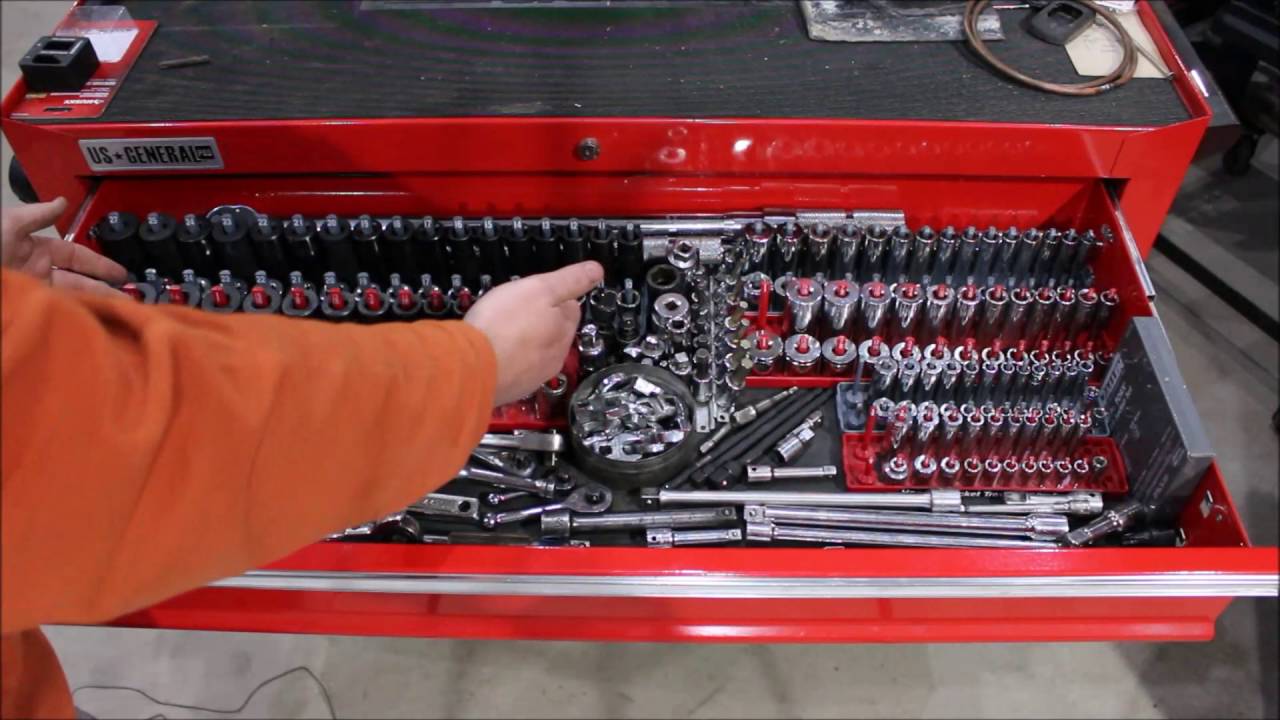
- Horizontal: Drawers with foam inserts or trays work well for sockets, bits, and precision instruments.
Label Everything
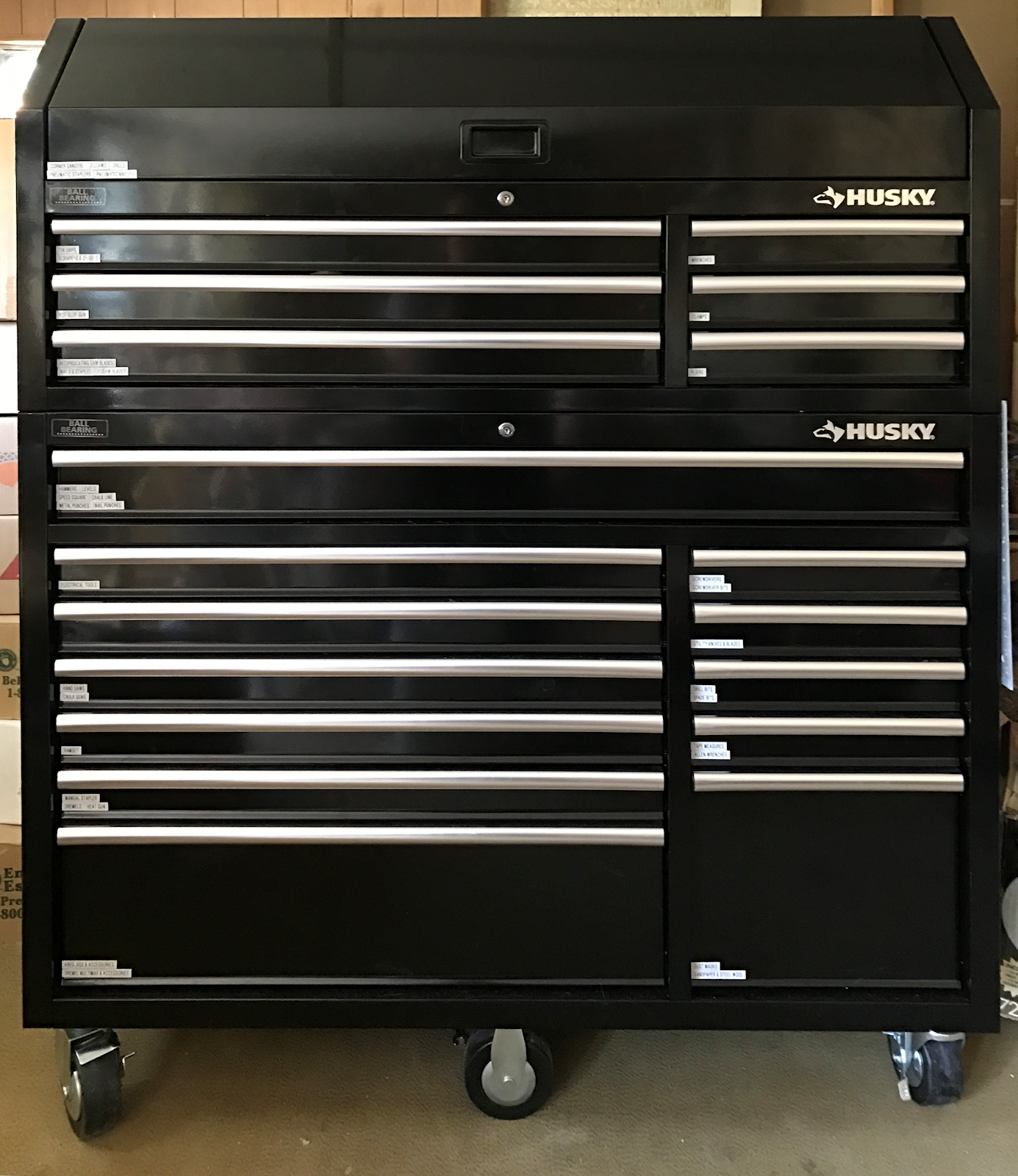
Even if you think you’ll remember, adding simple labels saves time and helps others (family, coworkers) return tools to the right spot.
Cleaning And Preparing Your Tool Cabinet
Before putting tools back, give your cabinet a clean start. Dust, oil, and metal shavings often collect in drawers and corners.
- Vacuum or Wipe Down: Remove all debris.
- Wash Surfaces: Use a mild detergent and a damp cloth. Dry completely to prevent rust.
- Check for Rust or Damage: Address any rust spots with a rust remover or fine sandpaper.
- Apply Drawer Liners: These keep tools from sliding and protect surfaces from scratches and oil.
A clean cabinet not only looks better but also keeps your tools in good condition.

Organizing By Tool Type
Let’s break down how to store different categories of tools for the best results.
Hand Tools
Screwdrivers, pliers, hammers, wrenches, and tape measures are the backbone of any toolkit.
- Drawer Dividers: Use plastic or foam organizers to separate each type.
- Shadow Boards: Inside the cabinet door, outline each tool’s shape on a board. When a tool is missing, it’s obvious.
- Magnetic Strips: Great for metal tools like screwdrivers and pliers.
Power Tools
Drills, saws, sanders, and their accessories need more space and care.
- Dedicated Shelves: Store each tool in its case or with its main attachments.
- Cord Management: Use Velcro straps or cable organizers to prevent tangles.
- Battery Charging Zone: Set up a space for charging and storing batteries together.
Fasteners And Small Parts
Nails, screws, nuts, bolts, washers, and anchors can quickly get out of control.
- Small Drawer Units: Plastic drawers with labels work well.
- Parts Bins: Stackable bins or boxes with clear lids let you see contents quickly.
- Jars or Magnetic Bowls: Reuse old jars for nails or screws, or invest in magnetic trays to hold fasteners during projects.
Measuring And Marking Tools
Tape measures, squares, levels, pencils, and calipers are often misplaced because they’re small and used frequently.
- Shallow Drawers: Line with foam or felt to keep tools from moving.
- Door Storage: Attach small pouches or elastic bands inside cabinet doors.
Specialty And Rarely Used Tools
Keep these in less accessible spots, but organized so you can find them when needed.
- Top or Bottom Shelves: Reserve hard-to-reach areas for rarely used items.
- Label Clearly: Mark boxes or bins with the tool name and type of project.
Using Organizers And Inserts
A tool cabinet is only as good as its internal organization. Here are the best options:
Foam Inserts
Custom-cut foam keeps each tool in its own spot, prevents movement, and makes missing tools obvious. You can buy foam sheets and cut them to fit your drawers.
Plastic Trays And Bins
Trays with adjustable dividers are perfect for sorting small items. Stackable bins save space and can be moved to your workbench during a project.
Drawer Dividers
Simple plastic or wood dividers keep tools from sliding around and mixing together.
Hooks And Pegs
Attach to the inside of cabinet doors or walls for hanging tools like pliers, wrenches, or tape.
Magnetic Holders
Strong magnets hold metal tools securely. Be careful with delicate electronics or measurement tools, as magnets can sometimes affect them.
Labelling For Easy Retrieval
Proper labeling saves countless hours over time.
- Drawer Labels: Use a label maker or print labels for each drawer and section.
- Color Coding: Assign colors to tool types or users (for shared cabinets).
- Pictures or Icons: For non-English speakers or children, add simple icons.
A useful tip: Place labels on both the outside and inside of drawers for even quicker finding.
Maintenance And Upkeep
Organization isn’t a one-time task. To keep your tool cabinet tidy:
- Return Tools After Use: Always put tools back immediately.
- Regular Audits: Every few months, check for missing or broken tools.
- Wipe Down: Clean drawers and tools to prevent dust and rust.
- Update Layout: If you buy new tools or stop using others, adjust the setup.
Many people find it helpful to spend 10 minutes at the end of each project to tidy up. This small habit prevents chaos from building up.
Tool Cabinet Organization For Small Spaces
If you have a small workspace or only a corner in your garage, efficient use of space is key.
Go Vertical
Use wall-mounted cabinets, pegboards, or magnetic strips above your workbench.
Foldable Or Stackable Solutions
Choose stackable bins, fold-out shelves, or cabinets with pull-out trays. Some modern tool cabinets are designed to fit under benches or in tight corners.
Multi-use Drawers
Store more than one tool type in a drawer with adjustable dividers. Just remember to keep them clearly separated and labeled.
Portable Tool Boxes
For very small spaces, a rolling portable tool box can be wheeled in and out as needed.
Organizing For Different Users
If you share tools with family or coworkers, organization needs extra attention.
Assign Zones
Give each user a designated drawer or section. Color code or label with their name.
Shared Vs. Personal Tools
Store shared tools in the center, personal tools at the edges or in separate boxes.
Clear Rules
Agree on where tools go back, and how to report broken or missing items.
This prevents confusion and keeps everyone happy.
Safety Considerations
A tidy tool cabinet is also a safer one.
- Heavy Tools: Store on lower shelves to prevent injury if dropped.
- Sharp Tools: Cover blades or points and place in separate sections.
- Chemical Storage: Never store flammable sprays, oils, or solvents in the same cabinet as power tools unless the cabinet is rated for chemicals.
- Lockable Cabinets: Essential if you have children in the home or work with dangerous tools.
Storage For Tool Manuals And Accessories
Every power tool comes with a manual, spare parts, or special accessories. These often get lost or separated from the tool.
- Binder System: Use a binder with clear plastic sleeves for manuals and warranty info.
- Accessory Boxes: Store bits, blades, or attachments in labeled boxes next to the main tool.
- Digital Backup: Scan important manuals and save on your phone or computer for easy reference.
Digital Tools For Inventory Management
For larger collections, consider using a simple inventory app or spreadsheet.
- Track What You Own: Record tool type, brand, purchase date, and location.
- Reminders for Maintenance: Set alerts for blade changes, battery replacements, or calibration.
- Lost Tool Prevention: Know at a glance if something is missing.
This is especially helpful for professionals or those with expensive specialty tools.
Common Mistakes And How To Avoid Them
Even experienced organizers make some classic mistakes. Here’s how to avoid them:
- Overfilling Drawers: Cramming too many tools in one place leads to lost or damaged items.
- Ignoring Maintenance: Skipping regular checks means dust, rust, or missing tools build up.
- One-Size-Fits-All Organizers: Not all tools fit standard trays—custom solutions may be needed.
- No System for New Tools: Always make space for new items, or they’ll end up in a pile.
- Not Using Labels: A big cabinet without labels is just organized chaos.
Tool Cabinet Organization: Real-world Examples
Let’s look at how different people organize their cabinets.
The Weekend Diyer
A small rolling cabinet with three drawers:
- Top: Screwdrivers, pliers, tape measure in foam insert.
- Middle: Drill, bits, battery charger on shelf.
- Bottom: Box for screws, nails, and fasteners.
The Professional Mechanic
Large steel cabinet with 10 drawers:
- Upper drawers: Precision screwdrivers, sockets, wrenches in laser-cut foam.
- Middle drawers: Power tools, batteries, chargers.
- Lower drawers: Large hammers, pry bars, specialty automotive tools.
- Side panel: Pegboard for quick-grab pliers and tapes.
The Woodworker
Tall cabinet with shelves and bins:
- Top shelf: Rarely used planes, clamps.
- Middle shelves: Chisels, hand saws, squares in divided trays.
- Bottom: Power sanders, routers, boxes for sandpaper and bits.
These setups show that the right cabinet and a thoughtful layout really do make a difference.
Investing In Quality Organizers Vs. Diy Solutions
Should You Buy Expensive Drawer Organizers, Or Make Your Own?
- Store-Bought Organizers: Offer perfect fit and durability, but can be expensive for large collections.
- DIY Foam Inserts: Cheap and customizable. Use a utility knife to cut spaces for each tool.
- Repurposed Containers: Old food containers, jars, or small boxes work well for fasteners and bits.
- Hybrid Approach: Many people mix commercial trays for hand tools with homemade solutions for odd-shaped items.
The best approach depends on your budget, skill, and how much customization you need.
Here’s a quick comparison to help you decide:
| Option | Cost | Customization | Durability |
|---|---|---|---|
| Store-Bought Trays | High | Low | High |
| DIY Foam Inserts | Low | High | Medium |
| Repurposed Jars/Boxes | Free/Low | Medium | Medium |
When To Upgrade Or Expand Your Cabinet
As your tool collection grows, you may outgrow your current cabinet.
Signs You Need More Space
- Tools start piling up outside the cabinet.
- Drawers are crowded and hard to open.
- You spend more time searching than working.
Expansion Options
- Add a matching side cabinet or upper chest.
- Install wall-mounted racks or pegboards.
- Use mobile carts for overflow tools.
Planning for growth prevents frustration and keeps your workspace efficient.
Sustainability And Tool Storage
Good organization also means less waste.
- Keep Tools in Good Condition: Well-stored tools last longer, reducing replacements.
- Recycle Unused Tools: Donate or recycle items you don’t need.
- Choose Quality: Invest in better cabinets and organizers that won’t break or need frequent replacement.
A sustainable approach saves money and benefits the environment.
Sample Layout For A Medium-sized Cabinet
To help visualize, here’s a sample layout for a 6-drawer medium cabinet:
| Drawer | Contents | Organizer Type |
|---|---|---|
| Top | Screwdrivers, pliers | Foam insert |
| 2nd | Wrenches, sockets | Foam insert |
| 3rd | Fasteners, bits | Plastic trays |
| 4th | Measuring tools | Shallow tray |
| 5th | Power tools | Open space |
| Bottom | Rarely used tools | Labeled box |
This layout keeps daily-use tools on top and bulkier or less-used items below.
Smart Storage Upgrades
Modern tool cabinets offer clever upgrades:
- Integrated Power Strips: Charge batteries without removing them from the cabinet.
- LED Drawer Lights: Find tools easily, even in a dark garage.
- Soft-Close Drawers: Prevent accidental slamming and tool damage.
- Security Systems: Digital locks or keypads for valuable collections.
If you’re shopping for a new cabinet, these features are worth considering.
Extra Tips For Staying Organized
- Set a Reminder: Schedule a “cabinet check” every 3 months.
- Keep a Notepad Nearby: Jot down missing tools or supplies to restock.
- Avoid Overbuying: With everything visible and sorted, you’ll know what you have.
- Teach Family Members: Show others where things go to keep the system working.
Frequently Asked Questions
How Often Should I Reorganize My Tool Cabinet?
It’s smart to review your cabinet every 3–6 months. Reorganize if your tools start piling up, or if you buy new equipment. Regular upkeep prevents clutter from returning.
What’s The Best Way To Store Power Tool Batteries?
Keep batteries in a cool, dry place. Store them with their chargers in a dedicated drawer or shelf. Don’t let batteries touch each other directly, and avoid extreme temperatures.
How Do I Keep My Cabinet Rust-free?
Always clean and dry tools before storing them. Use drawer liners, and consider adding silica gel packs to absorb moisture. If you live in a humid area, check for rust monthly.
Can I Organize My Tool Cabinet With A Limited Budget?
Absolutely. Use homemade foam inserts, repurposed boxes, or plastic trays from discount stores. The key is consistency and labeling, not expensive organizers.
Where Can I Find More Ideas For Organizing My Tools?
You can find inspiration and examples on DIY forums, YouTube, or sites like Family Handyman. Seeing real setups can help you design the best system for your space.
A well-organized tool cabinet is a joy to use and makes every project more efficient. Invest the time to set up your system, and you’ll save hours—and frustration—later. With the right cabinet, smart layout, and a few simple habits, you’ll always know where your tools are and keep them ready for any job.