
Pressure washing a house can completely change the look of your home’s exterior. Dirt, mold, mildew, and algae build up over time, making paint look dull and siding less attractive. With a pressure washer, you can clean years of grime in just a few hours, saving money compared to hiring professionals.
But using a pressure washer is not as simple as pointing and spraying. Without the right steps, you could damage your siding, windows, or even hurt yourself. This guide will walk you through every part of the process, from choosing the right equipment to getting a spotless finish.
You’ll also learn practical tips and common mistakes to avoid, so you can pressure wash your house safely and effectively, even if you’re a beginner.
Understanding Pressure Washing
Pressure washing uses a high-powered stream of water to remove dirt, mold, paint, and debris from surfaces. The machine creates water pressure measured in pounds per square inch (PSI), which can range from 1,300 PSI for light jobs to over 3,000 PSI for tough cleaning. Most home pressure washers are electric or gas-powered. Electric models are quieter and lighter but less powerful, while gas models offer more cleaning power for large or tough jobs.
The main advantage of pressure washing is speed. You can clean siding, decks, driveways, and patios much faster than with a scrub brush or garden hose. Pressure washing also reaches high or awkward spots, cleaning them evenly. But the high pressure can damage some surfaces, so learning the basics is crucial.
Choosing The Right Pressure Washer
Before you begin, pick a pressure washer that fits your house and cleaning needs. Here’s what you should consider:
| Type | Best Use | Pressure Range (PSI) | Pros | Cons |
|---|---|---|---|---|
| Electric | Small to medium homes, light dirt | 1300-2000 | Quiet, light, less maintenance | Less power, limited by cord |
| Gas | Large homes, tough stains | 2000-3200+ | More powerful, portable | Loud, more maintenance |
An electric washer is usually enough for vinyl siding or lightly soiled surfaces. For brick, concrete, or heavily stained wood, a gas washer may work better. Also check for features like adjustable pressure, interchangeable spray tips, detergent tanks, and long hoses.
Always read the manual before use.
Nozzle Types And Spray Patterns
Nozzles control the angle and strength of the water. Most washers include several color-coded tips:
- Red (0°): Very narrow, high power. For tough stains on concrete (rarely used on houses).
- Yellow (15°): Medium power for walkways or brick.
- Green (25°): General cleaning for siding, decks, and fences.
- White (40°): Gentle cleaning for windows and delicate surfaces.
- Black (Soap): Low pressure for applying detergent.
Always start with a wider nozzle (white or green) for your house siding, and test on a small area first.
Safety Precautions
Pressure washers are powerful tools. Used incorrectly, they can break windows, strip paint, or cause injury. Here are important safety tips:
- Wear safety gear: Use goggles, gloves, closed shoes, and long pants. Water can bounce back debris or chemicals.
- Check electrical connections: For electric models, keep cords and plugs dry.
- Keep a safe distance: Hold the nozzle at least 12-18 inches from the surface to avoid damage.
- Never point at people or pets: The water jet can cause serious injury.
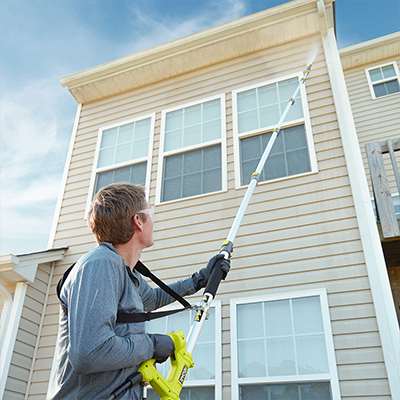
- Be cautious with ladders: The force can knock you off balance. Use an extension wand instead of climbing.
- Watch for lead paint: Homes built before 1978 may have lead-based paint. Do not pressure wash these surfaces without expert advice.
A common mistake is using too much pressure, which can etch wood, dent vinyl, or push water behind siding, causing hidden damage. Always check the manual for the best settings for your surface.
Preparing Your House For Pressure Washing
Good preparation makes cleaning easier and prevents accidents. Here’s what to do before turning on your machine:
1. Clear The Area
Move outdoor furniture, grills, potted plants, and decorations away from the house. Cover anything you can’t move with plastic sheets or tarps, especially electrical outlets, light fixtures, and doorbells.
2. Close Windows And Doors
Tightly shut all windows, doors, and vents. Seal gaps with weatherproof tape if needed to keep water out.
3. Protect Landscaping
Spray plants and grass near your house with water before you start. This helps protect them from soap and high-pressure spray. Cover delicate shrubs with old towels or plastic.
4. Remove Obstacles
Look for loose siding, cracked windows, or damaged trim. Fix these before washing. Check for wasp nests or spider webs and remove them safely.
5. Turn Off Power
If you have outdoor lights or outlets, switch off power at the breaker box for extra safety.
Choosing And Using Detergents
Water alone can’t always remove mold, mildew, or oily stains. Most pressure washers let you use a detergent or cleaner for better results. Choose a cleaner made for your siding type:
- Vinyl siding: Mild, non-abrasive detergents
- Wood: Special wood cleaners, not bleach
- Brick or stone: Masonry-safe cleaners
- Mold/mildew: Products with mildewcide
Never use household bleach or ammonia unless the label says it’s safe for pressure washers. Undiluted bleach can damage siding, harm plants, and corrode parts inside your washer.
Mix the detergent following the instructions. Most need to be diluted with water. Fill the machine’s detergent tank or use a siphon hose.
Applying Detergent
Attach the black soap nozzle for low pressure. Spray from the bottom up, which prevents streaks and lets the detergent soak in as you go. Let the detergent sit for 5-10 minutes, but don’t let it dry.
Rinse plants and landscaping again after you finish washing to remove any soap.
Step-by-step: How To Pressure Wash A House
Pressure washing your house isn’t just about spraying water—it’s a step-by-step process. Here’s a detailed guide to get your house looking its best.
Step 1: Set Up The Equipment
Connect your garden hose to the pressure washer’s water inlet. Make sure the hose is kink-free and the water supply is on full. Attach the high-pressure hose to the spray gun and select your nozzle (start with the 25° or 40° tip).
Plug in the machine (for electric), or add fuel (for gas). Prime the pump by squeezing the trigger until water flows out smoothly.
Step 2: Apply Detergent
Switch to the soap nozzle. Spray detergent on a small, hidden area first to test for color changes or damage. If all is well, cover one section of siding at a time from bottom to top. Work in 10-foot wide sections for even cleaning.
Wait 5-10 minutes for the detergent to work, but never let it dry. Use a brush for stubborn spots.
Step 3: Pressure Wash
Switch to the rinsing nozzle (usually 25° or 40°). Stand a safe distance (12–18 inches) from the siding. Hold the spray at a 45-degree angle and move side-to-side in smooth, overlapping strokes.
Always rinse from the top down so dirty water runs off clean surfaces. Take care around windows, vents, and soft wood.
Work methodically, rinsing each section before moving to the next. Check your progress often.
Step 4: Rinse And Inspect
When you finish a wall, rinse the area below to wash away any remaining detergent. Inspect the siding for missed spots or streaks. Repeat detergent or rinsing if needed.
Step 5: Clean Up
Turn off the machine, disconnect hoses, and drain any leftover water. Rinse your equipment and store it away from direct sun or freezing temperatures.
Put furniture and plants back in place, and enjoy your freshly cleaned house.
Cleaning Different House Materials
Not all home exteriors are the same. Here’s how to handle the most common siding types:
Vinyl Siding
Vinyl is durable, but too much pressure can crack it. Use a 25° or 40° nozzle and keep the spray moving. Check for loose panels before you start. Avoid spraying directly into seams or under edges.
Wood Siding
Wood needs a gentle touch. Too much pressure can splinter the surface or force water behind boards. Use a low setting and keep the nozzle at least 18 inches away. Let wood dry completely before painting or staining.
Brick And Masonry
Brick is tough but porous. Use a medium-power nozzle, and don’t hold the spray in one place. Avoid washing old, crumbling mortar. Use a masonry-safe detergent and rinse well to prevent white streaks.
Stucco
Stucco can chip easily. Use the lowest pressure setting and a wide spray pattern. Keep your distance and avoid spraying up under eaves or into cracks.
Fiber Cement
Fiber cement is strong, but joints can let water in. Use a 25° nozzle and never aim directly at gaps or seams.
When To Pressure Wash Your House
The best time for pressure washing is on a dry, cloudy day with little wind. High sun can dry detergent too fast, causing streaks. Avoid rainy days, as wet siding can make it harder to see dirt.
Most homes benefit from washing once a year. If you live in a humid area or near trees, you may need to wash more often to control mildew. After storms or pollen season are also good times for a wash.
Common Mistakes To Avoid
Many homeowners make simple errors that lead to poor results or even damage. Avoid these common mistakes:
- Using the wrong nozzle: Too narrow can damage surfaces; too wide may not clean well.
- Standing too close: The closer you are, the more powerful the spray. Keep at least 12–18 inches away.
- Skipping detergent: Water alone can’t remove mold or greasy stains.
- Washing windows directly: High pressure can crack glass or break seals.
- Ignoring weather: Don’t wash on windy days—spray can blow back on you or dry detergent too fast.
- Not rinsing plants: Detergent can harm landscaping if not rinsed off.
- Forgetting to test: Always try on a small area first to check for damage or color change.
Pressure Washing Vs. Soft Washing
You may hear about soft washing as an alternative. Soft washing uses low-pressure spray (under 500 PSI) and specialized detergents to clean delicate surfaces, like roof shingles or old paint. Pressure washing uses higher pressure and less detergent.
Here’s a quick comparison:
| Method | Pressure | Uses | Pros | Cons |
|---|---|---|---|---|
| Pressure Washing | 1300-3200+ PSI | Siding, concrete, decks | Fast, deep cleaning | Can damage delicate surfaces |
| Soft Washing | <500 PSI | Roofs, painted wood, old siding | Safe for fragile areas | May need more chemicals |
For most house siding, pressure washing is best. For roofs or historic homes, consider soft washing.
Environmental Considerations
Pressure washing uses a lot of water—usually 2–4 gallons per minute. To reduce waste:
- Use only as much pressure as needed
- Fix leaks in hoses and connectors
- Don’t leave the spray running while you adjust things
- Choose biodegradable detergents
Avoid letting dirty water run into storm drains. Some cities have rules about where you can wash, especially if you use chemicals. Check local regulations before you start.
Professional Vs. Diy Pressure Washing
Hiring a professional can save time, especially for large homes or tough stains. Pros have powerful equipment, experience with different surfaces, and usually offer guarantees. But DIY washing is much cheaper and gives you control.
Consider hiring a pro if your house is over two stories, has delicate surfaces, or you’re not comfortable with ladders and equipment.
Cost Comparison
- DIY pressure washing: Renting a machine costs $40–$100 per day. Buying one ranges from $100 (electric) to $400+ (gas).
- Professional service: $250–$600 for a typical house, depending on size and condition.
Many homeowners start with DIY, then call a pro for stubborn stains or annual deep cleaning.
Tips For Best Results
To get the most from your pressure washer:
- Work in shade or on a cloudy day to prevent streaks.
- Overlap each spray pass for even cleaning.
- Rinse windows and doors right away to avoid spotting.
- Clean gutters and downspouts after washing, as dirt may collect there.
- Let siding dry for 1-2 days before painting or sealing.
- Store your machine and hoses indoors to extend their life.
- Read the owner’s manual for maintenance tips and troubleshooting.
Advanced Techniques And Troubleshooting
Sometimes, you’ll find stubborn stains or problems. Here’s how to handle them:
- Mold and mildew: Use a detergent with mildewcide and scrub with a brush before rinsing.
- Oil or grease stains: Degreasers work better than soap alone. Let them soak for extra time.
- Rust stains: Specialized cleaners are available for rust. Follow label instructions carefully.
- Streaks or missed spots: Repeat cleaning with a wider nozzle, or use a brush for trouble areas.
If your pressure washer loses pressure, check for clogged nozzles, kinks in the hose, or low water supply. Clean the filter and connections regularly.

Essential Maintenance For Your Pressure Washer
Taking care of your machine keeps it working safely and efficiently:
- Flush detergent tanks and hoses with clean water after each use.
- Store hoses and cords untangled and dry.
- Change oil in gas models as recommended.
- Clean or replace filters regularly.
- Check for leaks or worn seals.
A well-maintained pressure washer can last for years and keep your house looking great.
Signs Your House Needs Pressure Washing
Not sure when to wash? Look for these signs:
- Siding looks dull or dirty, especially on the north side
- Green or black patches (mold/mildew) appear
- Paint looks faded or chalky
- Spider webs, bird droppings, or insect nests are visible
- After heavy pollen or storms
Regular washing keeps your home looking its best and may extend the life of your paint or siding.
When Not To Pressure Wash
Some situations call for caution or alternative methods:
- Lead paint: Houses built before 1978 may have lead-based paint. Pressure washing can spread toxic dust. Hire a certified pro if you suspect lead.
- Old or damaged siding: Cracked wood, loose panels, or chipped paint may get worse.
- Electrical risks: Never spray directly at outlets, meters, or wiring.
- During drought: Pressure washing uses a lot of water. Consider spot cleaning or waiting for wetter weather.
The Impact Of Regular Pressure Washing
Regular pressure washing does more than just improve curb appeal. It can:
- Increase your home’s value: Clean homes sell for 5-10% more on average.
- Prevent repairs: Removing mold and algae helps prevent rot and paint damage.
- Improve health: Clean siding reduces allergens, mildew, and insect nests.
According to the U.S. Environmental Protection Agency, controlling moisture and mold is an important part of maintaining a healthy home.

Frequently Asked Questions
How Often Should I Pressure Wash My House?
Most homes benefit from a good wash once a year. If you live in a humid area, near trees, or in a dusty place, you may need to wash every 6–9 months.
Can Pressure Washing Damage My Siding?
Yes, if you use too much pressure or the wrong nozzle. Always start with a wide spray pattern, stand 12–18 inches away, and never aim directly at seams or cracks. Test on a small area first.
Is Pressure Washing Safe For Windows And Doors?
Use caution—high pressure can break glass or seals. Wash around windows and doors with a gentle spray, and never use a narrow nozzle on glass.
What’s The Difference Between Power Washing And Pressure Washing?
They are similar, but power washing uses heated water, while pressure washing uses cold or room-temperature water. Hot water can help remove grease or oil, but isn’t necessary for most homes.
Do I Need To Use Detergent When Pressure Washing My House?
Not always, but detergent removes mold, mildew, and oily stains much better than water alone. Choose a cleaner made for your siding and follow the instructions for mixing and applying.
Pressure washing your house is one of the most effective ways to maintain its beauty and value. With the right tools, preparation, and knowledge, you can tackle the job safely, save money, and enjoy a home that looks fresh and inviting year-round.