
Many professionals and DIY users trust the Makita demolition hammer for heavy-duty jobs like breaking concrete or removing tile. But when it’s time to change the bit, things can get confusing—especially if you’re new to demolition tools. If you struggle with removing the bit safely and efficiently, you’re not alone. This guide will walk you through every step, explain the reasons behind each action, and help you avoid the mistakes that often lead to damaged tools or injuries.
Whether you use the Makita HM1214C, HM1810, or another popular model, the basic process is similar. But there are key differences and safety steps you should know. Understanding these details not only saves time but also extends your tool’s life and keeps you safe.
Let’s dive into the full process, from preparation to troubleshooting and advanced tips.
Why Proper Bit Removal Matters
Removing a bit from a demolition hammer may seem simple, but doing it incorrectly can cause problems. Improper removal can damage the chuck, deform the bit, or even lead to personal injury. In rare cases, bits can get stuck so badly that the tool needs professional repair. If you learn the right method early, you prevent these issues and keep your work moving smoothly.
Essential Safety Precautions
Before you begin, safety must be your first concern. The Makita demolition hammer is a powerful tool, and even a simple bit change comes with risks.
- Unplug the Tool: Always disconnect from power before touching the bit or chuck. If you use a cordless model, remove the battery.
- Wear Gloves: Bits get extremely hot during use. High-quality work gloves protect your hands from burns and sharp edges.
- Eye Protection: Small debris can fly out when you remove the bit. Safety glasses or goggles are a must.
- Let the Bit Cool Down: Never attempt to remove a bit immediately after use. Wait at least 10-15 minutes for it to cool, or use a thermal glove if you must speed up.
- Clear the Area: Make sure your workspace is stable, dry, and free from tripping hazards.
Missing even one safety step can lead to injury or damage, so never skip these basics.
Understanding The Makita Demolition Hammer Bit System
Makita demolition hammers use different bit retention systems depending on the model. The most common are SDS-Max, hex shank, and internal lock mechanisms. Knowing which system you have is critical for proper removal.
Common Bit Types
- SDS-Max: A round shank with grooves and slots, designed for quick changes and high torque.
- Hex Shank: A six-sided shank that fits into matching sockets, common on larger hammers.
- Spline/Other: Less common, but some older Makita models use spline drives.
How The Locking Mechanism Works
- SDS-Max: Uses a spring-loaded collar. When you pull the collar back, the bit is released.
- Hex Shank: Usually involves a side pin or set screw that must be loosened.
- Internal Lock: Some models have push-button or lever releases.
Not all bits are interchangeable. Forcing the wrong type can damage the tool. Always check your manual or look for markings on the bit and chuck.
Tools And Supplies You’ll Need
Gather the following before you start:
- Work gloves (preferably heat resistant)
- Eye protection
- Clean rag
- Lubricant (like WD-40 or light machine oil)
- A small brush (for debris)
- Flathead screwdriver or Allen wrench (for set screws, if needed)
- Makita tool manual (for quick reference)
Having everything ready makes the process faster and reduces the risk of losing small parts.
Step-by-step Guide: Removing The Bit From A Makita Demolition Hammer
Let’s break down the process into clear, manageable steps. Each one is important—rushing or skipping steps can make things harder later.
1. Disconnect Power
For both corded and cordless models, always disconnect power. Remove the plug or battery pack. This prevents accidental starts and electric shock.
2. Allow The Bit To Cool
If you just finished using the tool, the bit can reach temperatures over 200°C (392°F). Wait at least 10-15 minutes. If you’re in a hurry, some professionals use a heat-resistant glove or a metal tray to speed up cooling, but never use water—it can warp the bit.
3. Clean Around The Chuck
Dust and debris often collect where the bit enters the tool. Use a brush or rag to clean this area. A clean chuck prevents dirt from getting inside and makes removal easier.
4. Identify The Locking Mechanism
Check if your model uses an SDS-Max collar, a set screw, or another locking type. The Makita HM1214C, for example, uses SDS-Max, while some older models use hex shank with a pin.
5. Unlock The Bit
For Sds-max Models
- Put on gloves.
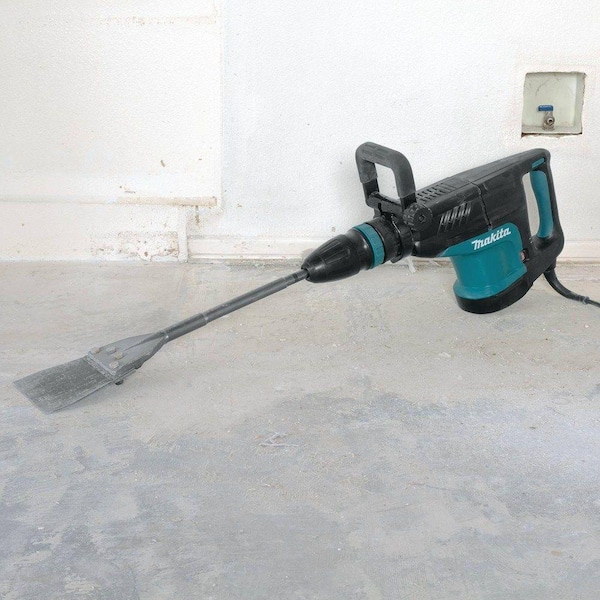
- Hold the tool with one hand and pull back the locking collar (a spring-loaded ring at the nose).
- While holding the collar, use your other hand to pull the bit straight out.
- Release the collar once the bit is free.
For Hex Shank Models
- Locate the side pin or set screw near the chuck.
- Use a flathead screwdriver or Allen wrench to loosen (but not remove) the screw.
- Pull the bit straight out.
- Tighten the screw back slightly to keep it from falling out.
For Internal Lock Models
- Press the release button or lever (check your manual if unsure).
- Pull the bit out gently.
6. Inspect The Bit And Chuck
Check both for wear, rust, or damage. If you see deep gouges, bent shanks, or excessive wear, replace the bit. Also, look for metal shavings—these can indicate a misfit or worn chuck.
7. Clean And Lubricate
Wipe the bit with a rag and a little lubricant if you plan to re-use it. Clean the chuck opening to remove all debris. This step prevents sticking and makes future changes easier.
8. Store The Bit Properly
Place removed bits in a dry, organized case. Never toss them loose in a toolbox, as this can dull the edges or damage the shank.
Troubleshooting: When The Bit Won’t Come Out
Sometimes, bits get stuck due to heat, debris, or wear. Here’s what to do if you can’t remove the bit using the normal method:
- Apply More Lubricant: Spray a small amount of penetrating oil into the chuck. Wait 5–10 minutes.
- Gently Tap the Bit: Use a wooden or rubber mallet to tap the bit back and forth (never use metal tools, which can deform the shank).
- Rotate the Bit: Sometimes turning the bit while pulling helps free it.
- Check the Lock: Make sure the locking collar or pin is fully disengaged.
- Seek Professional Help: If the bit is still stuck, take the tool to a Makita service center. Forcing it can break internal parts, leading to expensive repairs.
Stuck Bit Causes (and How To Prevent Them)
| Cause | How to Prevent |
|---|---|
| Overheating | Let the bit cool before removal |
| Lack of Lubrication | Clean and oil bits regularly |
| Debris Buildup | Brush out the chuck after each use |
| Worn Bit or Chuck | Inspect and replace parts as needed |
Beginners often forget to lubricate or clean their bits, leading to stuck situations. A quick wipe with oil can save hours of frustration.
Comparing Makita Demolition Hammer Bit Systems
Different Makita models use different bit locking systems. Here’s a comparison of the most common types:
| Locking System | Ease of Removal | Common Issues | Best For |
|---|---|---|---|
| SDS-Max | Very easy | Collar can jam with dust | Frequent changes |
| Hex Shank | Moderate | Set screw can strip | Heavy-duty breaking |
| Internal Lock | Easy | Button can stick | Quick swaps |
If you often switch bits, SDS-Max is the fastest. If you need maximum torque, hex shank is stronger. Internal lock designs offer a balance of speed and security.
What To Do After Bit Removal
Taking care of the bit and tool after removal is just as important as the removal process itself.
Cleaning And Maintenance
- Inspect for Damage: Look for cracks, rust, or bent parts.
- Remove Debris: Use a brush or compressed air to clean the chuck and tool body.
- Lubricate Moving Parts: A small drop of oil in the chuck keeps everything moving smoothly.
- Check for Loose Screws: Tighten as needed to avoid accidents during the next use.
Storing The Tool And Bits
Proper storage prevents rust and damage.
- Bit Cases: Use the original Makita case or a padded container.
- Dry Area: Store both tool and bits in a cool, dry place.
- Avoid Humidity: Moisture causes rust quickly, especially on high-carbon steel bits.
Scheduling Regular Maintenance
Makita recommends a full inspection after every 20–40 hours of use. For heavy users, this might mean once a month. Check brushes, lubricate gears, and look for worn seals.
Advanced Tips For Smooth Bit Changes
If you use your demolition hammer often, these advanced tips can save time and extend tool life:
- Rotate Bits During Use: If you use the same bit for hours, stop occasionally and rotate it in the chuck. This evens out wear and prevents sticking.
- Use High-Quality Lubricant: Cheap oils evaporate quickly. Use a quality brand for longer protection.
- Keep Spare Collars and Pins: The locking collar or set screw can wear out or get lost. Having spares on hand avoids downtime.
- Invest in a Bit Extraction Tool: Some pros keep a small extraction tool designed for stuck bits. These work much better than pliers or hammers.
- Don’t Over-Tighten Set Screws: Many users strip set screws by overtightening. Snug, but not forced, is best.
Real-world Example
A contractor in Berlin reported that regular cleaning and oiling reduced stuck bits by over 75% compared to his previous habits. Small changes in routine make a big difference in tool performance and bit life.
Common Mistakes To Avoid
Even experienced users make errors. Here are the most frequent mistakes—and how to avoid them:
- Forcing a Hot Bit: Removing a hot bit can warp or stick it in the chuck.
- Using Tools to Pry Out the Bit: Metal tools damage the shank and chuck.
- Skipping Lubrication: Causes rust, sticking, and wear.
- Not Checking the Lock: Failing to fully disengage the lock risks broken parts.
- Storing Bits Wet: Leads to fast rust, dulling, and pitting.
Avoiding these mistakes ensures your Makita demolition hammer stays in top condition.

When To Replace Your Bit
Even the best bits wear out. Signs it’s time for a new one:
- Excessive Wear: Edges are rounded or chipped.
- Bent Shank: Causes wobble or uneven breaking.
- Rust: Deep rust weakens the metal.
- Poor Performance: Bit slips, jams, or doesn’t cut efficiently.
Using worn bits is dangerous and reduces productivity.
Cost And Availability Of Makita Bits
Makita bits range from $25 to over $120 depending on size, type, and material. SDS-Max chisel bits (wide chisel, pointed, spade, etc. ) Are the most common and affordable. Specialty bits for tile or asphalt can cost more.
Replacement bits are widely available at tool shops, hardware stores, and online. Always buy genuine Makita or high-quality compatible bits to avoid damage or warranty issues.
Comparing Makita With Other Brands
How does Makita’s bit removal system compare to other brands like Bosch, DeWalt, or Hilti? Here’s a quick comparison:
| Brand | Bit Change Speed | User Safety | System Durability |
|---|---|---|---|
| Makita | Fast (SDS-Max) | High | Very Good |
| Bosch | Fast (SDS-Plus/Max) | Very High | Excellent |
| DeWalt | Medium | High | Very Good |
| Hilti | Very Fast (TE system) | Excellent | Excellent |
Makita’s system is very competitive, especially for DIY and mid-level professional work. For more details, you can refer to the Wikipedia Demolition Hammer page.
Frequently Asked Questions
How Do I Know Which Bit My Makita Demolition Hammer Uses?
Check your tool’s manual or the markings near the chuck. Most Makita models use either SDS-Max or hex shank bits. If unsure, take your tool to a hardware store—staff can help identify the right type.
What If The Bit Is Stuck And Won’t Come Out?
First, apply penetrating oil and wait a few minutes. Try rotating and gently tapping the bit. If it’s still stuck, check the locking mechanism is fully open. Never force it—contact a Makita service center if needed.
How Often Should I Clean And Lubricate My Demolition Hammer?
Clean and oil the bit and chuck after every use. If you work in dusty environments, clean more often. Full maintenance (brushes, gears) should be done every 20–40 hours of use.
Can I Use Non-makita Bits In My Makita Demolition Hammer?
Yes, as long as the shank size and type match your tool’s requirements. Using low-quality or incorrect bits can damage the tool and void the warranty.
Is It Safe To Remove The Bit Immediately After Use?
No. Bits become extremely hot during operation. Always let them cool for at least 10–15 minutes before handling, even with gloves.
Removing the bit from your Makita demolition hammer is a simple task when you follow the right steps. Taking care with safety, cleaning, and regular maintenance ensures your tool lasts for years and performs at its best. With these tips, you’ll avoid stuck bits, save time, and get more value from your investment.
If you ever feel unsure, consult your manual or a Makita-certified technician for guidance.