
Removing rust from a table saw is a task that many woodworkers and DIY enthusiasts face. Rust can make your cuts less accurate, ruin your workpieces, and even shorten the life of your saw. But the good news is, you can restore your table saw to its former glory with the right steps, a little time, and some simple materials.
Whether you’re dealing with light surface rust or a heavy buildup, this guide will walk you through everything you need to know. You’ll learn how to prevent future rust, what mistakes to avoid, and how to keep your saw running smoothly for years.
Why Rust Is A Big Problem For Table Saws
A table saw is more than just a tool—it’s the heart of many workshops. When rust appears on the surface, it does more than just look bad. Rust changes the smoothness of the tabletop, making it hard for wood to slide evenly. This can lead to inaccurate cuts and even dangerous kickbacks. Over time, rust can eat into the metal and cause permanent pitting, which is almost impossible to fix completely.
One thing many beginners miss: Even if you only see a little rust, it can spread quickly, especially in humid environments. Rust attracts more moisture, which speeds up the problem. If you ignore early signs, you might need to replace expensive parts much sooner.
Understanding Rust: How And Why It Forms
Rust forms when iron or steel reacts with oxygen and moisture. Table saws are especially at risk because their cast iron tops are exposed to the air. Even a small amount of humidity can begin the rusting process.
A common misconception is that only water causes rust. In reality, even high humidity or sweaty fingerprints can start rust. For example, a handprint left overnight can turn into a rusty stain by morning if the air is damp.
What Types Of Rust Can Appear?
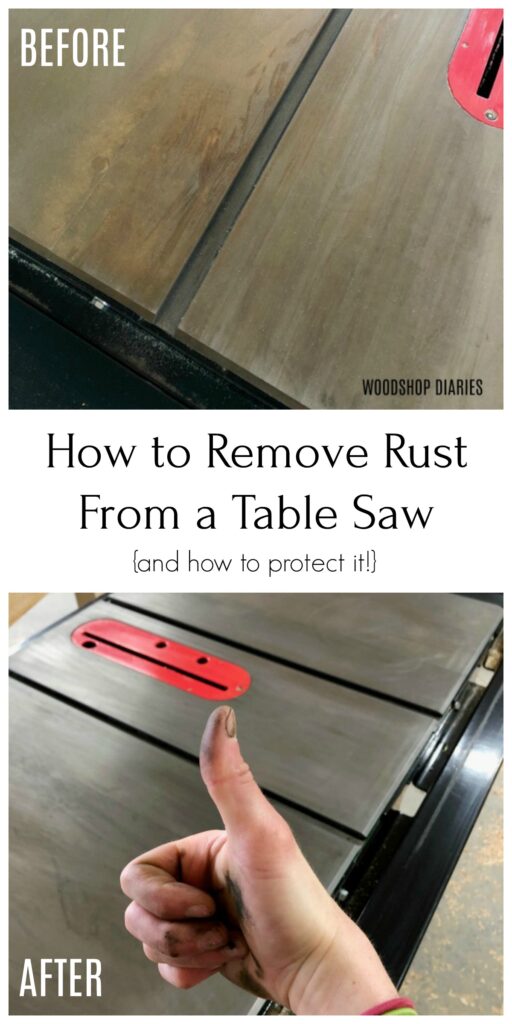
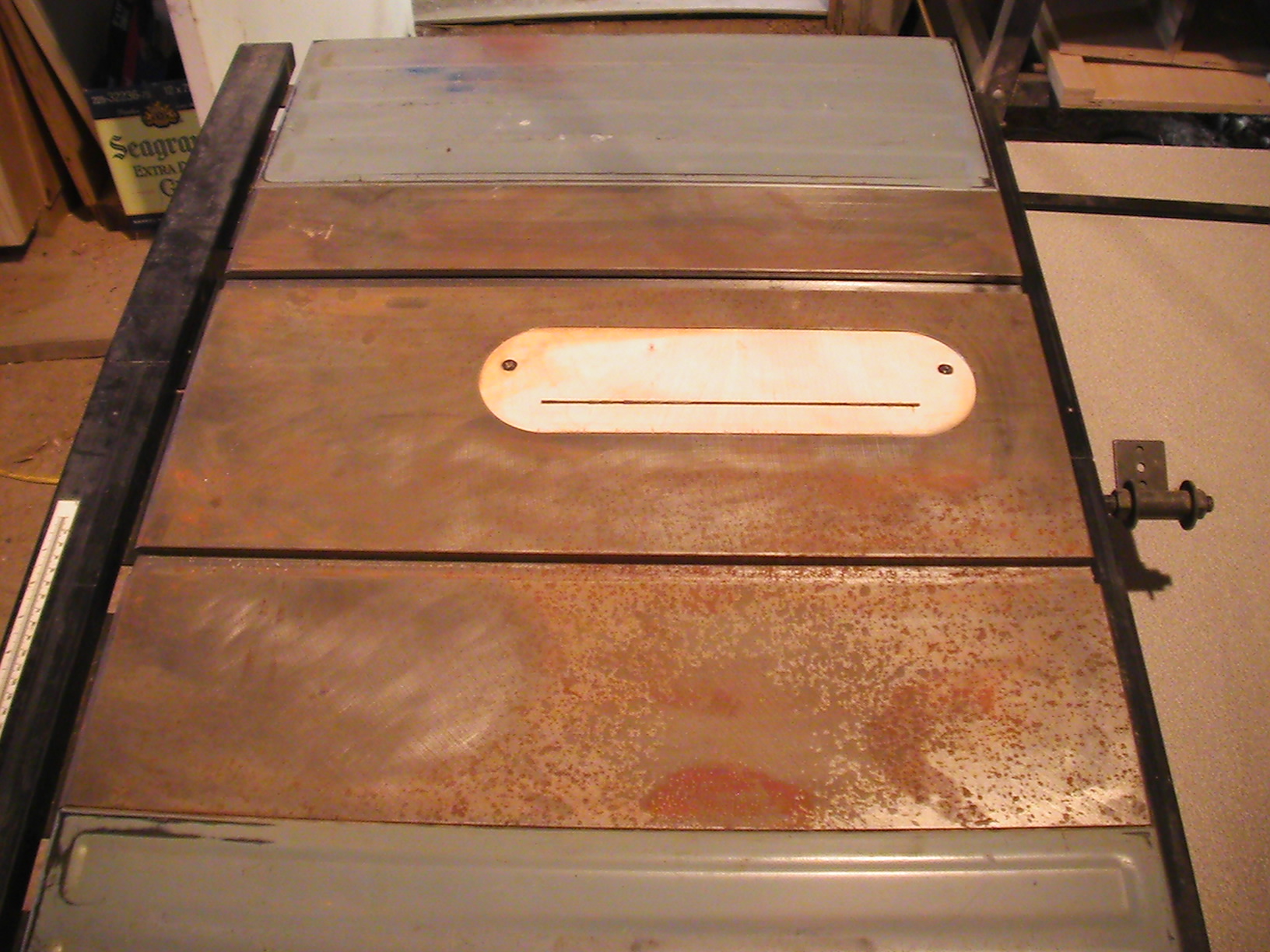
- Surface rust: This is a light, orange-brown powder. It usually forms if the saw is left unused for a while or after a humid day.
- Pitting rust: More serious, this type leaves small holes in the metal. It often starts if surface rust is ignored.
- Heavy scale: This thick, dark rust forms over months or years of neglect. It often appears if the saw was stored in a damp basement or garage.
Tools And Materials You’ll Need
To remove rust from your table saw, gather these essential items:
- Protective gloves (nitrile or latex)
- Eye protection
- Dust mask
- Clean, dry rags
- Fine steel wool (#0000 grade)
- Nylon scrubbing pads
- Plastic scraper or putty knife
- Rust remover (store-bought or homemade)
- WD-40 or similar lubricant
- Denatured alcohol or mineral spirits
- Paste wax (not car wax)
- Soft brush (old toothbrush works)
- Shop vacuum
Many of these items are already in most workshops. If not, they’re easy to find at hardware stores.
Comparing Rust Removal Tools
Here’s a look at how common rust removal tools compare for table saws:
| Tool | Effectiveness | Surface Damage Risk | Best For |
|---|---|---|---|
| Steel wool (#0000) | High | Low | Light/medium rust |
| Nylon pad | Medium | Very Low | Light surface rust |
| Wire brush | High | Medium | Heavy rust |
| Sandpaper (400+ grit) | Medium | Medium | Pitted rust |
| Rust remover gel | High | Low | All types |
Preparing Your Table Saw For Rust Removal
Before you start, make sure your table saw is unplugged. Safety always comes first. If possible, remove the fence, miter gauge, and any other removable accessories. These parts can get in the way and may also need cleaning.
Use a shop vacuum to remove sawdust, chips, and loose rust. Wipe down the surface with a dry rag. If the rust is very flaky, use a plastic scraper to gently remove large pieces without scratching the metal.
For stubborn spots, a soft brush or even a toothbrush can help. Don’t use wire brushes on painted or polished parts—they can scratch or remove paint.
Step-by-step: Removing Light Surface Rust
If your table saw has light, powdery rust, follow these steps:
- Apply a lubricant: Spray a thin layer of WD-40 or similar product over the rusty area. This helps loosen the rust and makes scrubbing easier.
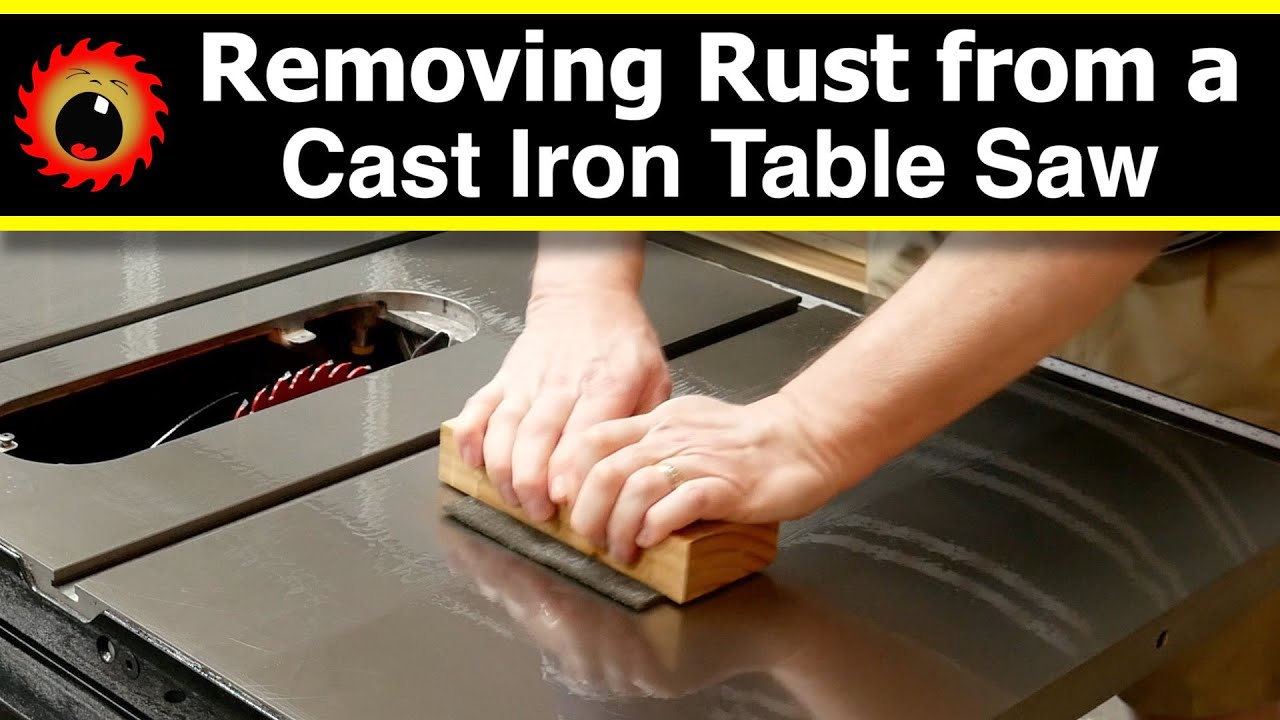
- Scrub with steel wool: Using #0000 steel wool and gentle pressure, rub in small circles. Work across the entire surface, not just the rusty spots, to keep the finish even.
- Wipe clean: Use a clean rag to remove rust, oil, and debris.
- Repeat as needed: For stubborn spots, reapply lubricant and scrub again.
- Clean up: Wipe the area with denatured alcohol or mineral spirits to remove any oily residue.
Don’t rush. Gentle, repeated passes protect your table from scratches.
A Real-world Example
A woodworker in Florida noticed light rust after a rainy week. Using WD-40 and steel wool, he cleaned the rust in about 30 minutes. He finished with paste wax, and his saw top was as smooth as new.
Dealing With Heavy Rust And Pitting
If your table saw has heavy, dark rust or pitting, you’ll need a bit more effort:
- Apply rust remover: Commercial gels or sprays (like Evapo-Rust) work well. Spread a thin layer over rusty areas. Let it sit according to instructions—usually 10-30 minutes.
- Scrape and scrub: Use a plastic scraper or putty knife to remove loosened rust. For deep spots, use #0000 steel wool or a nylon pad.
- Sand if needed: For heavy pitting, use fine-grit sandpaper (400+). Sand lightly, only as much as needed. Check your progress often.
- Neutralize and clean: Wipe with a rag and mineral spirits to remove all chemicals. This step is important, as leftover chemicals can damage the metal.
- Dry completely: Moisture left behind can cause new rust.
Removing Rust From Table Saw Fence And Accessories
Don’t forget the fence, rails, and miter gauge. These parts often get rusty too. The same steel wool and rust remover methods work here. Just avoid scrubbing measuring scales or painted surfaces.
Homemade Rust Removal Solutions
If you prefer natural or budget options, try these:
- White vinegar: Soak small parts in vinegar for several hours. For large areas, lay paper towels soaked in vinegar on the rust. Scrub after 30–60 minutes.
- Baking soda paste: Mix baking soda and water to a thick paste. Spread on rust, scrub with a nylon pad, rinse, and dry.
- Lemon and salt: Cover the rust with salt, add lemon juice, let sit, then scrub.
These methods are safer for the environment but may need more elbow grease.
Comparing Commercial Vs. Homemade Rust Removers
Choosing between store-bought and homemade solutions depends on your needs. Here’s a quick comparison:
| Remover Type | Speed | Cost | Environmental Impact | Best For |
|---|---|---|---|---|
| Commercial gel | Fast | Medium/High | Varies | Heavy rust |
| White vinegar | Medium | Low | Low | Light/medium rust |
| Baking soda paste | Slow | Very Low | Low | Small spots |
| Lemon & salt | Slow | Low | Low | Small parts |
Cleaning After Rust Removal
Once the rust is gone, it’s important to remove all cleaning products. Any leftover chemical can attract dust or even cause new rust.
- Wipe the whole area with denatured alcohol or mineral spirits.
- Use a clean, dry rag for a final polish.
- Let the table air dry for at least 30 minutes before using or waxing.
If you cleaned small parts, dry them with a towel and let them sit out before re-installing.
Protecting Your Table Saw From Rust In The Future
After removing rust, you want to prevent it from coming back. Here’s how:
- Apply a protective coating: Use paste wax (like Johnson’s or Minwax) made for woodworkers. Spread a thin layer over the clean metal, let dry, and buff with a soft cloth. This makes the surface slick and water-resistant.
- Avoid car wax: Car wax contains silicone, which can cause finishing problems with wood later.
- Keep your shop dry: Use a dehumidifier if you work in a basement or garage. Even a small one can help a lot.
- Cover your saw: When not in use, cover the table with a soft, dry cloth or a purpose-made saw cover.
- Handle with gloves: Skin oils can cause rust. If you need to touch the top, wear gloves or wipe it down after.
- Regular maintenance: Every few months, clean and re-wax the surface. If you live in a humid climate, check more often.
Common Mistakes To Avoid
- Using power sanders or grinders on the table surface. These can leave scratches and ruin the flatness.
- Leaving cleaning chemicals on too long. Some rust removers can damage the metal if left for hours.
- Skipping the waxing step. Unprotected metal rusts again quickly.
How Long Does Rust Removal Take?
For most table saws, removing light rust takes about 30–60 minutes. Heavy rust can take 2–3 hours, especially if you need to sand or treat deep pits. Accessories and small parts add extra time.
Realistically, plan for a full afternoon if your saw hasn’t been cleaned in months. But every minute is worth it: a clean, rust-free table saw is safer, more accurate, and more enjoyable to use.
When To Call A Professional
Most rust can be removed with simple tools and patience. But if your saw has deep pitting, warped metal, or rust inside moving parts (like the arbor or trunnions), you might need expert help. Professional restoration can save a valuable saw that’s too far gone for DIY fixes.
Rust Removal And Table Saw Performance
A smooth, rust-free table top is essential for precision woodworking. Even a thin layer of rust increases friction, making it harder to push wood evenly. This can cause burn marks, rough edges, and even accidents.
Many woodworkers notice their cuts improve right after cleaning. The difference can be dramatic, especially for fine joinery or cabinet work. Some users report a 25% improvement in workpiece glide after a proper clean and wax.
Real-world Tips From Experienced Woodworkers
- Always keep a small piece of #0000 steel wool in your tool drawer. Quick touch-ups prevent major rust problems.
- If you live near the ocean, try a marine-grade anti-rust spray for extra protection.
- Place a small bag of silica gel inside your saw cabinet to absorb moisture.
- Mark your calendar to check your saw every season. Regular care is easier than deep cleaning.
Environmental And Safety Considerations
Some rust removers contain strong chemicals. Always use them in a well-ventilated area and wear gloves. Dispose of used rags properly, especially if soaked in oil or chemicals. Never pour leftover solutions down the drain unless the label says it’s safe.
For eco-friendly cleaning, vinegar and baking soda are good options. They’re safe for pets, kids, and the environment, though sometimes less powerful for heavy rust.
Comparing Table Saw Top Materials And Rust Resistance
Not all table saws are equally likely to rust. Here’s a look at common table materials:
| Material | Rust Risk | Maintenance Needed | Durability |
|---|---|---|---|
| Cast iron | High | Regular waxing | Very high |
| Aluminum | Low | Minimal | High |
| Steel | Medium | Waxing/oiling | Medium |
| Granite | None | Wipe dust | Very high |
Cast iron is most common for quality saws but needs the most care. Aluminum is lighter and doesn’t rust, but can scratch easier.
Troubleshooting: If Rust Keeps Coming Back
If you find rust returns quickly, check for these issues:
- High humidity: A common cause. Use a dehumidifier or store tools with moisture absorbers.
- No wax protection: Bare metal rusts fast, especially in summer.
- Undetected water leaks: Check for roof leaks or pipes near your workshop.
- Improper storage: Avoid storing saws directly on concrete floors, which can attract moisture.
Sometimes, a simple change—like raising the saw on wood blocks—can stop recurring rust.
Essential Maintenance Schedule For Table Saws
To keep your saw rust-free:
- Weekly: Wipe off dust, check for new rust spots.
- Monthly: Clean and reapply paste wax.
- After heavy use: Clean off glue, resin, or sap from workpieces.
- Seasonally: Deep clean, inspect all parts, and check storage area for leaks or dampness.
Regular maintenance is the best way to save time and money in the long run.
Frequently Asked Questions
How Often Should I Check My Table Saw For Rust?
It’s smart to check your saw at least once a month, especially in humid climates. If you use your saw daily, a quick wipe-down each week can prevent problems. Seasonal checks are helpful if your workshop is in a garage or basement.
Can I Use Car Wax To Protect My Table Saw?
No, you should avoid car wax. Most car waxes contain silicone, which can cause problems with wood finishes. Instead, use paste wax made for woodworking tools, such as Johnson’s Paste Wax.
Is It Safe To Use Sandpaper On My Table Saw Top?
Use sandpaper only if you have deep rust or pitting, and choose a fine grit (400 or higher). Always sand gently and evenly. Never use power sanders, as they can ruin the flatness of your table.
What Should I Do If Rust Forms Under The Table Saw Top?
Rust can form under the table, especially if it’s stored in a damp place. Unplug the saw, remove any panels if possible, and use the same rust removal steps for the underside. Consider applying a rust-resistant paint to hidden areas.
Are Commercial Rust Removers Better Than Homemade Solutions?
Commercial rust removers work faster and are better for heavy rust. Homemade methods like vinegar and baking soda are safer for the environment and good for light rust. Choose the method that fits your needs and how severe the rust is.
For more information about rust prevention and metal care, you can check resources like Wikipedia’s Rust page.
A rust-free table saw is a joy to use and helps you get the best results from your woodworking. With a little care and the right steps, you can keep your saw running smoothly for years. Don’t wait until the rust gets bad—regular cleaning and protection make all the difference.