
A well-kept lawn doesn’t just look good—it feels good. But a beautiful lawn is hard to achieve if your lawn mower blades are dull. Dull blades tear grass instead of cutting it cleanly, leaving brown tips and making your yard look less healthy. Regularly sharpening your mower blades helps your mower work better, keeps your grass greener, and even saves time and fuel. Many homeowners put off this simple task because they think it’s difficult or risky, but with the right guidance, anyone can do it safely and successfully. If you want your lawn to stand out and your mower to last, learning how to sharpen lawn mower blades is a must-have skill.
Why Sharp Lawn Mower Blades Matter
When a mower blade is sharp, it slices cleanly through grass. This keeps each blade of grass healthy, speeds up mowing, and reduces stress on your mower’s engine. Dull blades, on the other hand, rip and bruise the grass. This causes ragged, brown edges and invites disease. Studies from turfgrass experts show that using sharp blades can increase grass recovery after mowing by up to 30% and lower your mower’s fuel usage by about 15%.
Here’s why sharpening blades really matters:
- Healthier grass: Clean cuts reduce the risk of fungal infections.
- Better appearance: Sharp blades leave a neat, even finish.
- Easier mowing: Less resistance means less engine strain.
- Lower costs: You’ll spend less on fuel and repairs.
Many people are surprised to learn that grass cut with dull blades can take twice as long to recover, especially in hot or dry conditions. If your lawn has yellow or brown tips after mowing, dull blades are often the cause.
How Often Should You Sharpen Lawn Mower Blades?
There’s no one-size-fits-all answer, but most experts recommend sharpening your blades after every 20 to 25 hours of use. For many homeowners, this means two or three times each mowing season. However, if you mow over sticks, stones, or sand, your blades will dull faster.
Signs that it’s time to sharpen your blades include:
- Grass looks torn or ragged after mowing
- Brown or yellow tips appear on the grass
- Mower leaves uneven patches
- You hear the engine working harder than usual
If you notice any of these, don’t wait. Sharpen the blades as soon as possible for the best results.
Tools And Materials Needed
Before you start, gather the right tools and safety gear. The process is simple, but preparation is key.
Essential tools:
- Wrench or socket set (to remove the blade)
- Blade sharpening tool (flat file, bench grinder, angle grinder, or sharpening stone)
- Blade balancer (or a large nail)
- Work gloves (for hand protection)
- Eye protection (goggles or safety glasses)
- Sturdy workbench or vise
- Steel brush (for cleaning)
- Rags (for wiping down)
- Penetrating oil (optional, for rusty bolts)
Some choose a bench grinder for speed, while others prefer a file for more control. Both work well, so pick what’s comfortable for you. If your blade is heavily damaged or bent, consider replacing it instead of sharpening.
Preparing For Blade Removal
Safety comes first. Before touching the blade, make sure the mower can’t start accidentally.
- Disconnect the spark plug wire. This prevents accidental starting.
- Turn off the fuel valve or remove the fuel tank (for gas mowers). For electric mowers, unplug or remove the battery.
- Tip the mower on its side with the air filter and carburetor facing up. This prevents oil or fuel leaks.
A simple tip: Take a photo of the blade before removing it. This helps you put it back the right way later. It’s surprising how many people install blades upside down, which can damage your mower and make mowing impossible.
Removing The Lawn Mower Blade
Once your mower is secure, you can remove the blade.
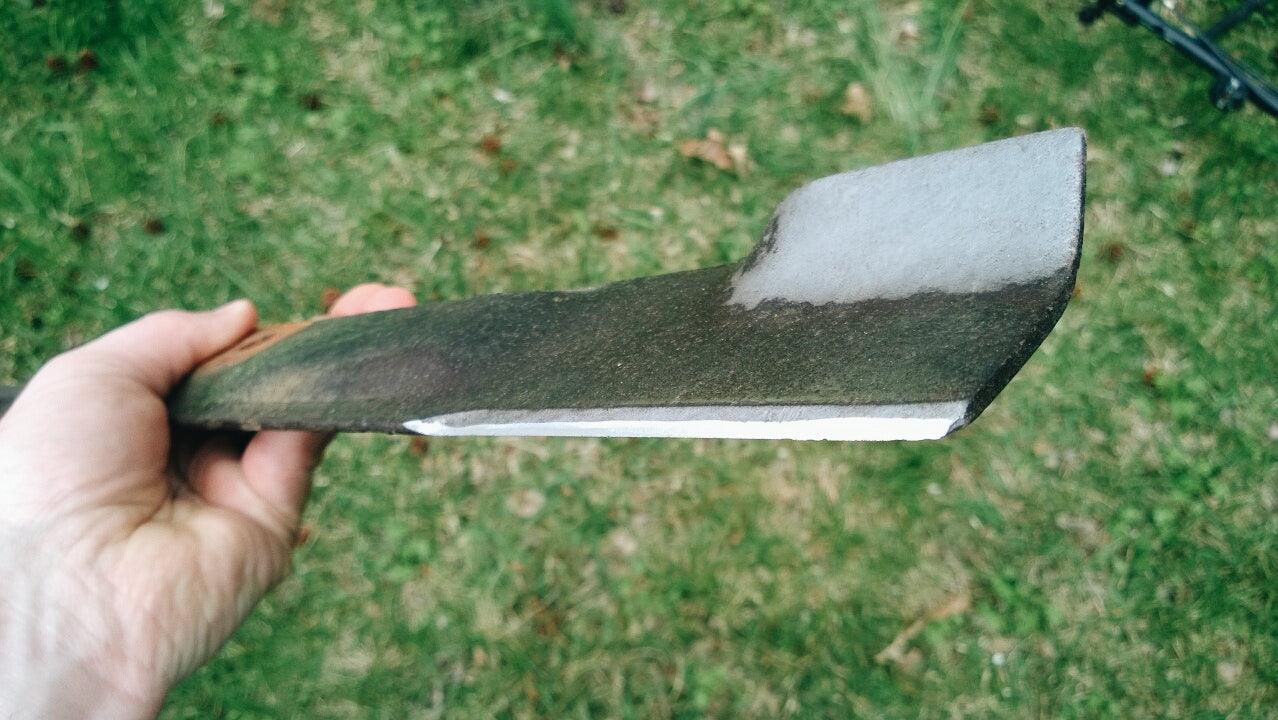
- Wear gloves to protect your hands from sharp edges.
- Use a wrench or socket to loosen the bolt holding the blade. Most bolts loosen by turning counterclockwise.
- Wedge a block of wood between the blade and mower deck to prevent the blade from spinning.
- Remove the blade and bolt, keeping track of any washers or hardware.
If the bolt is stuck, spray it with penetrating oil and wait a few minutes. Avoid using excessive force, as this can strip the bolt or damage the mower.
Cleaning The Blade Before Sharpening
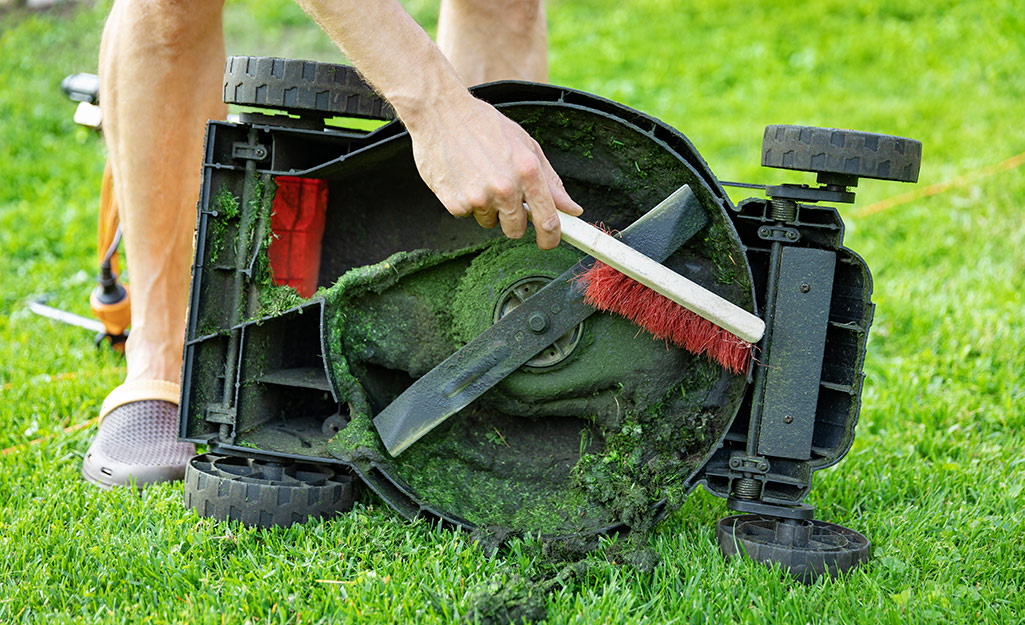
Dirt, grass, and rust build up on mower blades over time. Cleaning them first makes sharpening easier and safer.
- Scrub the blade with a steel brush to remove caked-on debris.
- Wipe down with a rag to remove loose dirt.
- Check for cracks, bends, or severe damage. If you find any, replace the blade instead of sharpening.
A clean blade gives you a clear view of the edge, helping you sharpen only where needed.
Methods For Sharpening Lawn Mower Blades
There are several ways to sharpen a mower blade. The best method depends on your tools, skill, and comfort level.
Using A Flat File
A flat file is the most common and beginner-friendly method. It’s safe, affordable, and gives great control over the sharpening angle.
- Clamp the blade in a vise with the cutting edge facing up.
- File in one direction (away from you) along the original angle, usually 30-45 degrees.
- Make smooth, even strokes, removing small amounts of metal.
- Repeat until the edge is sharp but not razor-thin. A slightly blunt edge is stronger and lasts longer.
Most blades only need a few minutes of filing on each side. Avoid back-and-forth motions, which can create an uneven edge.
Using A Bench Grinder
A bench grinder is faster and works well for very dull or damaged blades, but it removes more metal and heats up the blade.
- Hold the blade firmly with both hands, keeping the original angle.
- Gently move the blade against the spinning wheel, using light pressure.
- Dip the blade in water often to keep it cool and avoid losing temper (hardness).
- Grind each side equally to maintain balance.
If you see blue discoloration, you’re grinding too hard and overheating the metal.
Using An Angle Grinder
Angle grinders are portable and effective, but they require a steady hand.
- Attach a grinding disc (not a cutting disc) to the angle grinder.
- Secure the blade in a vise.
- Follow the existing edge angle with smooth, controlled passes.
- Check the sharpness and balance as you go.
An angle grinder can quickly remove nicks and damage, but be careful not to grind away too much metal.
Using A Blade Sharpening Stone
Sharpening stones (whetstones) are slower but give a precise, smooth edge.
- Soak the stone in water if required.
- Hold the blade at the correct angle and slide it along the stone.
- Work both sides until the edge is sharp.
Stones are ideal for final touch-ups after grinding or filing.
Comparing Sharpening Methods
Here’s a quick comparison of the main sharpening methods:
| Method | Speed | Control | Best For |
|---|---|---|---|
| Flat File | Medium | High | Beginners, light sharpening |
| Bench Grinder | Fast | Medium | Very dull blades, quick jobs |
| Angle Grinder | Fast | Medium | Damaged blades, quick repairs |
| Sharpening Stone | Slow | High | Final touches, precise edges |
A flat file offers the best balance for most homeowners, but if you have experience with power tools, a grinder can save time.
Checking Blade Balance
After sharpening, always check the balance of your blade. An unbalanced blade causes vibrations, which can damage your mower and produce uneven cuts.
- Place the blade’s center hole over a nail or blade balancer.
- Hold the blade level. If one side dips, it’s heavier—file more from that side.
- Repeat until the blade stays level.
If you skip this step, you might notice the mower shaking or making loud noises during use.
Reinstalling The Blade
Once your blade is sharp and balanced, it’s time to reinstall it.
- Clean the underside of the mower deck. Remove any built-up grass or debris.
- Line up the blade exactly as before (refer to your photo if needed).
- Insert the bolt and washers.
- Tighten the bolt firmly. Most mowers have a recommended torque setting—usually 35 to 60 foot-pounds. If you don’t have a torque wrench, make it very snug but don’t over-tighten.
- Reconnect the spark plug wire or battery.
Check that the blade spins freely and doesn’t wobble. If you hear scraping or see uneven spinning, remove and check the installation.
Safety Tips For Sharpening Lawn Mower Blades
Sharpening blades involves sharp edges and sometimes power tools. Take these safety precautions:
- Always disconnect the spark plug before working on your mower.
- Wear gloves to protect your hands.
- Use safety glasses to shield your eyes from metal filings.
- Work in a well-lit, stable area.
- Clamp the blade securely before sharpening.
- Never test sharpness with your finger; use a piece of paper or grass.
A common beginner mistake is forgetting to disconnect the spark plug—always double-check before touching the blade.
How Sharp Should A Lawn Mower Blade Be?
Many people believe mower blades should be razor-sharp. In reality, a slightly blunt edge is best. Razor-sharp blades dull quickly and chip more easily. Aim for an edge similar to a butter knife—sharp enough to cut grass cleanly, but not so fine that it wears out after one mow.
A quick test: Carefully run a piece of paper across the blade. It should slice the paper without tearing.
When To Replace Instead Of Sharpen
Sharpening works well for regular maintenance, but sometimes a blade is beyond saving. Replace your mower blade if:
- There are deep nicks or cracks
- The blade is bent or warped
- You’ve sharpened it multiple times and it’s now too thin
- The mounting hole is worn or deformed
A new blade ensures safe, even mowing. Most blades last 1-3 seasons, depending on use and care.
Common Mistakes To Avoid
Even experienced homeowners make mistakes when sharpening mower blades. Watch out for these pitfalls:
- Forgetting to disconnect the spark plug. This is a serious safety risk.
- Sharpening at the wrong angle. Always follow the blade’s original angle.
- Over-grinding. Removing too much metal weakens the blade.
- Skipping blade balancing. This leads to mower vibration and damage.
- Installing the blade upside down. The sharp edge should face the grass.
Taking a few extra minutes to avoid these mistakes will save you trouble in the long run.
Maintenance Tips For Longer Blade Life
A little regular care keeps your mower blades sharp longer and saves you work.
- Clean the blade after each mow to prevent buildup.
- Avoid mowing over rocks and sticks.
- Sharpen regularly, rather than waiting until the blade is very dull.
- Store your mower in a dry place to prevent rust.
- Inspect the blade for damage every few weeks.
Some experts recommend having a spare blade on hand. This way, you can swap blades and keep mowing even while one blade is being sharpened.
The Impact Of Sharp Blades On Lawn Health
Healthy grass starts with a clean cut. Turf research has shown that lawns mowed with sharp blades:
- Recover faster from mowing
- Show fewer brown tips
- Grow thicker and greener
- Use less water due to reduced stress
A 2022 university study found that sharp blades can reduce grass disease by up to 25% compared to dull blades. For anyone serious about lawn care, this is a simple way to get better results with less effort.
Environmental And Cost Benefits
Sharpening your own mower blades isn’t just good for your lawn—it’s good for your wallet and the environment.
- Save money: Professional sharpening can cost $10–$20 each time. Doing it yourself costs almost nothing after buying basic tools.
- Use less fuel: Sharp blades require less engine power, cutting fuel use by up to 15%.
- Reduce waste: Well-maintained blades last longer, so you replace them less often.
These small changes add up over a season, especially if you mow often.
Mower Blade Types And Special Considerations
Not all mower blades are the same. Most residential mowers use standard high-lift blades. Some mulching mowers use special mulching blades with extra curves or teeth.
- High-lift blades: Easy to sharpen, straight edge.
- Mulching blades: More curves, may require extra attention to maintain the correct shape.
- Reel mower blades: Sharpening is more complex and usually requires a lapping kit.
Always check your owner’s manual for special instructions. Never try to sharpen a blade that’s not designed to be resharpened.
How To Sharpen A Blade Without Removing It
Some people want to sharpen their blade without removing it. This is possible, but not recommended for most users. You’ll have less control and risk damaging the mower deck.
If you must:
- Tilt the mower safely
- Clean the blade thoroughly
- Use a file or small grinder, following the original angle
- Check for balance as best you can
However, removing the blade gives a much better, safer result.
Professional Sharpening Vs. Diy
Is it worth sharpening blades yourself, or should you pay a pro? Here’s a quick comparison:
| Option | Cost Per Sharpen | Time Required | Quality |
|---|---|---|---|
| DIY | Low (just your tools) | 30–60 min | Good with practice |
| Professional | $10–$20 | 1–2 days (drop-off/pick-up) | Very consistent |
DIY sharpening saves money and is quick once you know how. Professional services are best for those who want zero hassle or have specialty blades.
Blade Sharpening And Mower Brands
Most mower brands use similar blade designs. However, always check your owner’s manual for specific guidance. Some brands, like Honda or Toro, may have unique blade shapes or bolt patterns. Using the wrong sharpening angle or installing incorrectly can void your warranty.
What To Do After Sharpening
After reinstalling the blade, do a test mow. Listen for vibrations, and look for a clean, even cut. If the mower shakes or leaves uncut patches, check the blade for balance or damage.
A sharp blade should cut grass cleanly in a single pass, with minimal engine strain. If you see ragged or torn grass, repeat the sharpening process.
Where To Find More Guidance
For more detailed help, many universities and extension services publish free guides on mower maintenance. The University of Missouri Extension has a clear, step-by-step resource: University of Missouri Extension.
Frequently Asked Questions
How Do I Know If My Lawn Mower Blade Is Dull?
Look for uneven or ragged grass after mowing. Brown or yellow tips and extra engine noise are also signs. If you need to go over the same spot twice, your blade may be dull.
How Often Should I Replace My Mower Blade?
Most blades last 1–3 years, depending on use and care. Replace if you see deep nicks, cracks, or if the blade is too thin after repeated sharpening.
Can I Sharpen A Blade That Is Badly Nicked Or Bent?
Small nicks can be filed out, but large nicks or bends mean the blade should be replaced. Never try to straighten a bent blade, as this weakens the metal.
Is It Safe To Use Power Tools For Sharpening?
Yes, but always wear safety gear and follow tool instructions. Clamp the blade securely, keep hands clear, and stop if you feel unsafe.
What Angle Should I Sharpen My Mower Blade To?
Most blades use a 30–45 degree angle. Always follow the original factory angle for the best results. Sharpening at a steeper or shallower angle can weaken the edge or reduce cutting quality.
A sharp mower blade is a small detail that makes a big difference. With a little care and regular maintenance, your lawn will look healthier, your mower will last longer, and you’ll enjoy mowing more. Don’t let dull blades hold you back—take a few minutes each season to sharpen, and see the results for yourself.