
Splicing electrical wire is a skill every DIYer, homeowner, and even professionals sometimes need. From fixing a broken lamp cord to extending wiring for a new light fixture, knowing how to connect wires safely is essential. Doing it the right way means your connections are strong, reliable, and above all—safe.
Mistakes can lead to fires, electric shock, or appliances that just don’t work. If you want to learn how to splice electrical wire properly, this guide will show you every step, explain all the options, and help you avoid common pitfalls.
Many people think splicing is just about twisting wires together and taping them up. But the truth is, a good splice is more than that. It uses the right tools, follows electrical codes, and considers where the wires are being joined.
Whether you’re splicing wires in your home, garage, or car, details matter. Even a simple project can turn risky if you cut corners.
This article will walk you through everything from the basics—what a splice is, when you need one, and key safety rules—to the different types of splices and the exact steps to make a strong connection. You’ll also learn about tools, materials, choosing the right splice for each situation, and troubleshooting problems.
Along the way, you’ll get tips that professionals use but beginners often miss. By the end, you’ll have the knowledge and confidence to splice electrical wire correctly and safely.
What Is An Electrical Wire Splice?
A wire splice is where two or more electrical wires are joined together so current can flow as if they were one continuous wire. Splicing is used in homes, cars, electronics, and industrial settings. You’ll see splices when extending a circuit, fixing a broken wire, or connecting new devices.
There are many ways to splice, but all have the same goal: make a secure, low-resistance, and insulated connection. A weak splice can heat up, fail, or cause a short circuit. That’s why technique and materials are so important.
Main reasons to splice electrical wire:
- Repair a broken or damaged wire
- Extend wires for new outlets, switches, or devices
- Connect wires of different lengths or types
- Join multiple wires in a junction box
Important: In most countries, electrical codes require that splices in household wiring be made inside approved boxes and covered with wire nuts or other connectors. Open or taped-only splices are usually not allowed for safety reasons.
Safety First: Rules Before You Start
Working with electricity is risky if you don’t follow safety steps. Even a simple splice can be dangerous if you skip basic rules. Many electrical accidents happen because people forget these basics:
- Turn off power at the circuit breaker before touching any wires. Double-check with a voltage tester.
- Test the wires—never trust a switch or label. Use a non-contact voltage tester to ensure wires are dead.
- Wear safety gear like insulated gloves, safety glasses, and shoes with rubber soles, especially if working in damp areas.
- Work in a dry place. Avoid wet hands or standing on wet floors.
- Never splice wires under load (when current is flowing).
- Use proper tools—pliers, wire strippers, and insulation tape rated for electrical work.
- Follow local codes. In many places, only licensed electricians can make permanent home wiring splices.
- Use the right materials—don’t mix wire types (for example, copper and aluminum) without special connectors.
- Label circuits if you’re working in a box with many wires.
- Inspect your work before restoring power.
Pro tip: Always plan your splice before you cut any wires. Measure twice, cut once.

Tools And Materials: What You’ll Need
Having the right tools and materials makes splicing easier and safer. Here’s a list of what you may need, depending on the type of splice and where you’re working:
- Wire strippers: For removing insulation without damaging the wire.
- Linesman pliers: For twisting wires together.
- Needle-nose pliers: Useful for tight spaces or thin wires.
- Screwdrivers: For terminal screws or junction boxes.
- Wire nuts (twist-on connectors): The most common way to join household wires.
- Insulated electrical tape: For wrapping connections.
- Heat shrink tubing: Provides a tight, professional insulation.
- Butt connectors: For crimping two wires end-to-end.
- Crimping tool: For crimp-style connectors.
- Voltage tester: To check for live wires before and after.
- Utility knife: Sometimes needed to cut insulation or tape.
- Cable ties: For neatness and strain relief.
Optional but helpful:
- Multimeter: For measuring voltage, continuity, and resistance.
- Soldering iron and solder: For strong, permanent splices (mainly in electronics).
- Wire labels: For complex projects with many wires.
Table: Common Splicing Tools and Their Uses
| Tool | Main Use | Best For |
|---|---|---|
| Wire Stripper | Removing insulation | All splices |
| Linesman Pliers | Twisting wires | Household wiring |
| Crimping Tool | Securing butt connectors | Automotive, low-voltage |
| Voltage Tester | Checking live wires | All splices |
| Heat Gun | Shrinking heat tubing | Professional insulation |
Types Of Electrical Wire Splices
Not all splices are the same. The method depends on the wire type (solid or stranded), location, and whether the connection needs to be easily undone. Let’s look at the most common splice types and when to use them.
1. Wire Nut (twist-on Connector) Splice
This is the most popular method for home wiring. Wires are twisted together and a wire nut is screwed on top, holding the wires tightly and insulating the connection.
Best for: Connecting 2 or more solid wires in junction boxes (outlets, switches, lights).
Tip: Always use the right size wire nut. Too small, and it won’t cover the wires; too big, and it won’t grip tightly.
2. Butt Splice Connector
A butt connector is a small tube, usually metal with plastic insulation. You insert one wire from each end, then crimp it in the middle. This creates a strong, end-to-end splice.
Best for: Repairing or extending wires in cars, appliances, or electronics. Also used for stranded wire.
3. Western Union Splice
This old-school method is still used for long, straight wire runs. Wires are wrapped around each other in a tight, overlapping spiral.
Best for: Telephone, telegraph, and low-voltage wiring. Rare in modern home wiring but strong and reliable.
4. Solder Splice
Here, wires are twisted together, then solder is melted over the joint to create a permanent, conductive bond.
Best for: Electronics, audio cables, or other places where a very strong, permanent connection is needed.
5. T-tap Splice
This lets you tap into an existing wire without cutting it. A special connector pierces the insulation and grabs the wire inside.
Best for: Adding a new wire to an existing circuit, especially in automotive work.
6. Mechanical Lug Or Terminal Block
Wires are inserted into a block and secured with screws. This is common in control panels and appliances.
Best for: Connecting multiple wires that may need to be changed or disconnected later.
7. Inline Splice (twist And Tape)
Wires are twisted together in a straight line and then wrapped with electrical tape. Not recommended for home power wiring anymore, but still used in low-voltage or temporary repairs.
Important: Modern codes usually require a connector, not just tape.
8. Heat Shrink Solder Sleeve
This is a modern, easy-to-use solution. Slide the sleeve over the wires, heat it, and the solder inside melts and shrinks the tubing for a weatherproof, soldered connection.
Best for: Outdoor, marine, or automotive wiring where moisture protection is important.
Comparison Table: Splice Types, Strength, and Typical Use
| Splice Type | Strength | Best Use | Weatherproof? |
|---|---|---|---|
| Wire Nut | High | Home wiring | No |
| Butt Connector | Medium-High | Automotive, appliances | No (unless sealed) |
| Solder Splice | Very High | Electronics | No (unless covered) |
| Heat Shrink Sleeve | High | Outdoor, marine | Yes |
| Mechanical Lug | High | Panels, appliances | No |
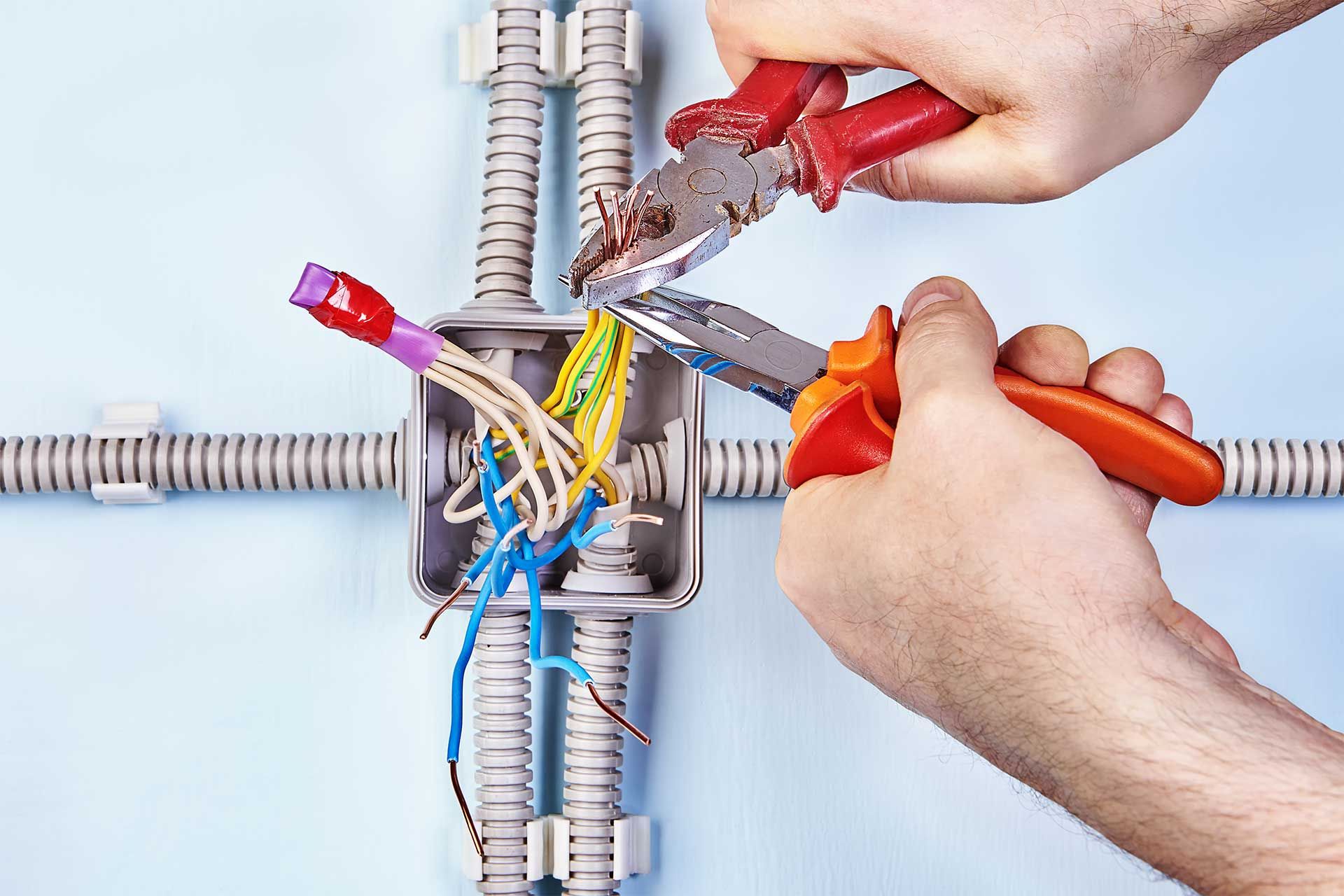
Step-by-step: How To Splice Electrical Wire
Let’s focus on the most common and safest method for household wiring: the wire nut splice. This method is code-approved and works for most solid copper wires in your home.
1. Turn Off The Power
Before you do anything, go to your breaker box and switch off the circuit you’ll be working on. Double-check with a voltage tester at the wires.
Beginner mistake: Only turning off the wall switch. Power can still be present in the wires even if the switch is off.
2. Prepare The Wires
- Use a wire stripper to remove about 3/4 inch (18–20 mm) of insulation from the end of each wire.
- Make sure you don’t nick or damage the metal strands.
- If the wire ends are oxidized (dull or gray), cut them back to shiny copper.
3. Align And Twist The Wires
- Hold the stripped ends side by side.
- Use your fingers or pliers to twist the wires together in a clockwise direction.
- For 2 wires, twist at least 3–4 full turns. For 3 or more, keep the ends even and twist them tightly.
Pro tip: Twisting wires before installing the nut makes a stronger connection and prevents loose strands.
4. Install The Wire Nut
- Select a wire nut that fits the number and size of wires. Package charts will guide you.
- Place the nut over the twisted wires and turn it clockwise until it’s very tight and you feel resistance.
- Tug gently on each wire to confirm they’re secure.
5. Wrap With Electrical Tape (optional)
Some electricians skip this, but many wrap a layer of insulating tape around the nut and wires for extra protection.
6. Place Splice In A Junction Box
All splices in home wiring must be inside an approved box. Never leave a splice exposed or hidden in a wall.
7. Restore Power And Test
Turn the breaker back on. Use a voltage tester or plug in a device to check that your splice is working.
Non-obvious insight: If you’re joining stranded wire to solid wire, twist the stranded wire tightly first so no strands stick out. This prevents weak connections and stray wires that can cause shorts.
Making A Butt Connector Splice
For automotive or appliance wires, a butt connector is often the best choice. Here’s how to do it:
- Strip about 1/4 inch (6 mm) of insulation from each wire end.
- Insert one wire into each end of the connector.
- Use a crimping tool to squeeze the metal sleeve in the center. Make sure the wire is firmly gripped.
- Tug on both wires to check for security.
- Slide heat shrink tubing over the connection (if using). Heat with a gun to seal.
Example: If you’re fixing a broken car wire under the hood, a butt connector with heat shrink is weather-resistant and strong.
Soldering A Splice (advanced)
For electronics or permanent repairs, soldering gives a low-resistance, strong joint.
- Strip about 1/2 inch (12 mm) of insulation.
- Twist wires together.
- Heat the joint with a soldering iron, then touch solder to the wires (not the iron).
- When solder flows and covers the wires, remove the iron and let cool.
- Cover the splice with heat shrink tubing or electrical tape.
Safety note: Soldered connections are not allowed for home power wiring unless also covered by a code-approved connector.
Choosing The Right Splice For Your Job
Not sure which splice to use? Consider these factors:
- Type of wire: Solid, stranded, tinned copper, or aluminum.
- Location: Indoors, outdoors, in a box, or exposed to moisture.
- Voltage: High-voltage house wiring vs. low-voltage electronics.
- Code requirements: Home power wiring must follow strict rules.
Table: Choosing a Splice Method
| Situation | Recommended Splice | Special Tips |
|---|---|---|
| Home wiring (outlets, lights) | Wire nut | Junction box required |
| Automotive repair | Butt connector, heat shrink | Use waterproof type for exterior |
| Outdoor/underground | Heat shrink solder sleeve | Use waterproof connectors |
| Electronics | Solder splice | Cover with heat shrink tubing |
| Multiple wires in a panel | Mechanical lug/terminal block | Label wires for clarity |
Common Mistakes And How To Avoid Them
Many wire splice failures come from small mistakes. Here’s what to watch out for:
- Failing to turn off power—This can cause shock or fire.
- Loose connections—If wires aren’t twisted tightly or the connector is the wrong size, the splice can fail.
- Too much insulation stripped—Exposed metal can short against other wires or the box.
- Not using a junction box—Open splices are a fire hazard and against code.
- Mixing copper and aluminum—These metals react and can cause loose, dangerous splices unless a special connector is used.
- No strain relief—If wires can move or be pulled, the splice can come apart.
- Overfilling a wire nut—Too many wires in one nut means a weak connection.
- Improper crimping—A poor crimp in a butt connector leads to high resistance or a broken circuit.
Non-obvious insight: Even a small nick or cut in wire strands weakens the splice and can lead to breaks later. Always strip insulation gently.
Tips For A Professional-quality Splice
- Use the right size connector for the wire gauge and number of wires.
- Make sure the stripped wire ends are clean and shiny.
- Twist wires tightly before applying a nut or connector.
- When using heat shrink tubing, slide it onto the wire before making the splice.
- Always check your work with a tug test.
- Label wires in complex or multi-wire boxes for easier future work.
- In damp or outdoor areas, use connectors rated for wet locations.
:max_bytes(150000):strip_icc()/how-to-splice-electrical-wire-1821560_07_wire_connection_1432-a1ee3a6ac9574de7bfbae6cc58072fa5.jpg)
Understanding Wire Gauges And Compatibility
Wire size is measured in gauge (AWG). The smaller the number, the thicker the wire. For example, 12 AWG is thicker than 18 AWG. Using the wrong size connector or splicing wires of very different gauges can be unsafe.
Examples:
- Most home circuits: 12 AWG (20 amps) or 14 AWG (15 amps)
- Light fixtures and electronics: 16–18 AWG
Never splice together wires of very different gauges unless your connector is rated for both. Always follow the manufacturer’s instructions for wire combinations.
When Not To Splice: Knowing Your Limits
Some situations are not safe for DIY splicing. Hire a licensed electrician if:
- You’re not sure which breaker controls the wires
- The wires are old, brittle, or show signs of burning or melting
- The circuit is for high-power appliances (oven, AC, etc.)
- The project is covered by building codes you’re not familiar with
- You’re working in hazardous environments (wet areas, near gas lines)
Professional help is also recommended for aluminum wiring, knob-and-tube, or other older systems.
Testing Your Splice
Once your splice is finished and power restored, test it:
- For home circuits, plug in a lamp or use a voltage tester.
- For car or appliance repairs, use a multimeter to check continuity.
- For critical systems, check for heat buildup after several minutes.
A good splice will show no sparks, heat, or flickering when under normal load.
Advanced Splicing: Multi-wire And Mixed Connections
Some projects need you to connect more than two wires, or join different types (solid and stranded). Here’s how:
- Multiple wires: Choose a wire nut rated for the total number and size. Twist all wires together evenly.
- Mixed wire types: Twist stranded wire tightly, then twist together with solid wire. Use a connector rated for both.
- Tapping into an existing wire: Use a T-tap or pigtail method, not just wrapping a new wire around the old one.
Important: Never overload a splice by forcing too many wires into a small nut or connector.
Legal And Code Considerations
Electrical codes are strict for a reason: safety. In most places, the following is required:
- All splices must be in an accessible junction box.
- Use approved connectors, not just tape.
- Do not bury splices inside walls without a box.
- Certain types of splices (like solder-only) are not allowed in home power circuits.
Always check your local codes or consult a professional. For more details, see the National Electrical Code.
Splicing Aluminum And Specialty Wires
Aluminum wire is common in older homes, but it needs special care:
- Use aluminum-rated connectors (CO/ALR) or special anti-oxidant paste.
- Never mix copper and aluminum without a connector made for both.
- Aluminum is softer and more likely to loosen over time, so check connections regularly.
For specialty wires (high-temp, tinned copper, etc. ), always follow the manufacturer’s guidance.
Weatherproof And Outdoor Splices
Outdoor or underground splices need extra protection:
- Use connectors and boxes rated for wet locations.
- Seal with heat shrink tubing or weatherproof gel.
- Bury wires at required depth and in conduit if needed.
Fact: Moisture is the top cause of outdoor splice failure.
Troubleshooting Splice Problems
If a splice isn’t working:
- Re-check that all wires are fully stripped and clean.
- Make sure the connector is tight and rated for the wires used.
- Look for signs of overheating or burning.
- Test continuity with a multimeter.
If in doubt, remake the splice rather than risk a poor connection.
Frequently Asked Questions
How Do I Know If My Wire Splice Is Safe?
A safe splice is tight, fully insulated, and inside a junction box (for house wiring). Tug each wire firmly—none should slip out. Turn on the circuit and check for heat, sparks, or flickering. If unsure, consult a licensed electrician.
Can I Just Tape Wires Together Without A Connector?
No. Electrical tape alone does not make a safe, code-approved splice in household wiring. Always use a proper connector, like a wire nut or butt connector. Tape can be used as extra insulation, but never as the only method.
What’s The Best Way To Splice Wires Outdoors?
Use connectors and boxes rated for wet locations. Heat shrink solder sleeves or waterproof butt connectors are ideal. Always seal the splice against moisture and use outdoor-rated electrical tape or gel if needed.
Can I Splice Aluminum And Copper Wires Together?
Not directly. Copper and aluminum can cause a chemical reaction that loosens the splice and creates a fire risk. Only use connectors labeled for both wire types and apply anti-oxidant paste as instructed.
Do I Need A Permit To Splice Wires In My Home?
In many areas, yes—especially for permanent wiring changes. Minor repairs may be allowed, but check your local building codes. Always follow the National Electrical Code or your country’s standard for safety.
Splicing electrical wire is a valuable skill if done with care and knowledge. By following the correct steps, using the right tools, and respecting safety rules, you can make strong, lasting, and safe connections. Remember, when in doubt, ask a professional.
Good wiring doesn’t just power your home—it keeps you and your family safe.