
Starting a pressure washing business can be an exciting way to be your own boss, work outside, and earn a solid income. The demand for pressure washing is strong—homes, driveways, commercial buildings, and vehicles all need cleaning. Many property owners do not have the time, equipment, or desire to do it themselves.
This creates a steady market for skilled pressure washing services.
But starting any business, including pressure washing, takes more than just buying equipment. You need to plan, understand your market, learn the right cleaning techniques, and follow legal rules. There are also hidden challenges, like choosing the right tools, setting prices that make sense, and finding your first customers.
If you prepare well, your business can avoid common mistakes and grow faster.
This guide will walk you through every step of starting a pressure washing business. You will learn how to plan, buy the right equipment, get legal, find clients, and deliver high-quality service. Whether you want a small side business or a full-time company, these steps will help you start strong and avoid costly errors.
Understanding The Pressure Washing Business
Before you start, it is important to know what the pressure washing industry looks like and what services people need.
What Is Pressure Washing?
Pressure washing uses a machine that sprays water at high pressure to clean surfaces. It removes dirt, mold, stains, and old paint from concrete, brick, wood, metal, and vehicles. There are two main types:
- Residential pressure washing: Homes, driveways, patios, fences, and decks.
- Commercial pressure washing: Storefronts, sidewalks, parking lots, industrial buildings, and fleet vehicles.
Each type may need different tools and skills. Commercial jobs usually require more powerful machines and may pay more, but they also involve bigger risks and responsibilities.
The Market Size And Growth
The pressure washing market in the US is valued at over $1.3 billion and is growing every year. This is driven by:
- More home and business owners wanting to keep properties clean
- New construction projects needing post-build cleaning
- Real estate agents preparing homes for sale
Pressure washing is not just seasonal. While spring and summer are busiest, businesses and public spaces need cleaning all year.
Who Hires Pressure Washing Services?
Most clients are:
- Homeowners (driveways, siding, decks)
- Commercial property managers (shopping centers, offices)
- Restaurants (grease removal, outdoor cleaning)
- Car dealerships (vehicle fleets, parking areas)
- Real estate agents (pre-sale cleaning)
It is important to know your target market before you buy equipment or advertise.
Planning Your Pressure Washing Business
A good plan is the base of any successful business. It helps you see the big picture and avoid mistakes.
Choosing Your Niche
You do not need to serve everyone. Many businesses succeed by focusing on a specific niche, such as:
- Residential driveways and patios
- Roof and gutter cleaning
- Commercial storefronts or sidewalks
- Vehicle or truck fleet washing
Pick a niche based on your skills, the tools you can afford, and the demand in your area.
Writing A Business Plan
A business plan is not just for banks or investors. It helps you:
- Set goals and steps
- Estimate costs and profits
- Identify your ideal customers
- Plan your marketing and pricing
Here is what to include in your basic business plan:
- Business name and structure (sole proprietor, LLC, etc.)
- List of services you will offer
- Target market (who will you serve?)
- Startup costs and expected expenses
- Pricing strategy
- Marketing plan
- Profit goals
Estimating Startup Costs
Starting a pressure washing business is less expensive than many other service businesses, but there are still costs to consider. Here is a sample breakdown:
| Item | Low Cost | High Cost |
|---|---|---|
| Pressure Washer | $300 | $2,000 |
| Hoses, Nozzles, Accessories | $200 | $800 |
| Chemicals and Cleaners | $100 | $500 |
| Trailer or Van | $0 (use your own) | $3,000 |
| Insurance and Licenses | $500 | $2,000 |
| Marketing (website, flyers) | $200 | $1,000 |
| Total | $1,300 | $9,300 |
Tip: You can start small and upgrade equipment as your business grows.
Naming And Branding
Pick a business name that is easy to remember and shows what you do. For example, “SparkleClean Pressure Washing” is clear and direct. Check if the name is available as a website domain and on social media.
Branding is more than a logo. It includes your business cards, work uniforms, and even the look of your van or trailer. Consistent branding builds trust and helps people remember you.
Legal Steps And Insurance
You must set up your business legally to protect yourself and build trust with clients.
Registering Your Business
- Choose a business structure: Most start as a sole proprietorship or a limited liability company (LLC). An LLC can protect your personal assets if something goes wrong.
- Register your business name with your state or county.
- Get an EIN (Employer Identification Number) from the IRS if you plan to hire employees or open a business bank account.
Licenses And Permits
Check with your city and state to see what licenses are required. Many areas need a business license. Some also require a special permit for using water or cleaning chemicals, especially for commercial work.
If you plan to dispose of wastewater, make sure you follow environmental rules. Some locations have strict rules about where water can go.
Insurance
Insurance protects you if something goes wrong. At minimum, you should have:
- General liability insurance (covers property damage and injuries)
- Equipment insurance (protects your machines from theft or damage)
- Commercial vehicle insurance (if you use a van or trailer)
Some clients, especially commercial ones, will only hire you if you show proof of insurance.
Opening A Business Bank Account
Keep your business money separate from personal money. Open a business checking account and use it for all your business income and expenses. This makes taxes easier and protects you legally.
Choosing The Right Equipment
Your equipment is the core of your business. The right tools help you do a better job, work faster, and reduce risks.
Picking A Pressure Washer
There are two main types of pressure washers:
- Electric pressure washers: Good for small, light jobs. Quieter, but less powerful.
- Gas pressure washers: More powerful, better for larger or commercial jobs. Can be used anywhere, but are heavier and need more care.
Most professional businesses use gas-powered pressure washers with at least 3,000 PSI (pounds per square inch) and a flow rate of 3 GPM (gallons per minute).
Hot Water Vs. Cold Water
- Cold water washers: Clean dirt, mud, and dust.
- Hot water washers: Better for oil, grease, and tough stains. More expensive, but needed for commercial or industrial work.
Nozzles And Attachments
Different jobs need different nozzles. For example:
- 0° (red): Most powerful, for tough stains (use with care)
- 15° (yellow): Good for concrete
- 25° (green): General cleaning
- 40° (white): Soft washing of siding and windows
Other useful attachments:
- Surface cleaners (for driveways and patios)
- Extension wands (for high places)
- Soap injectors (for applying chemicals)
Chemicals And Detergents
Some jobs need more than water. Use the right detergent for the surface:
- Degreasers for oil stains
- Mold and mildew cleaners for siding
- Eco-friendly cleaners for delicate plants or lawns
Always check the label and never mix chemicals.
Safety Gear
Protect yourself with:
- Safety goggles
- Gloves
- Non-slip boots
- Ear protection (for loud machines)
- Rain suit (for big, wet jobs)
Transportation
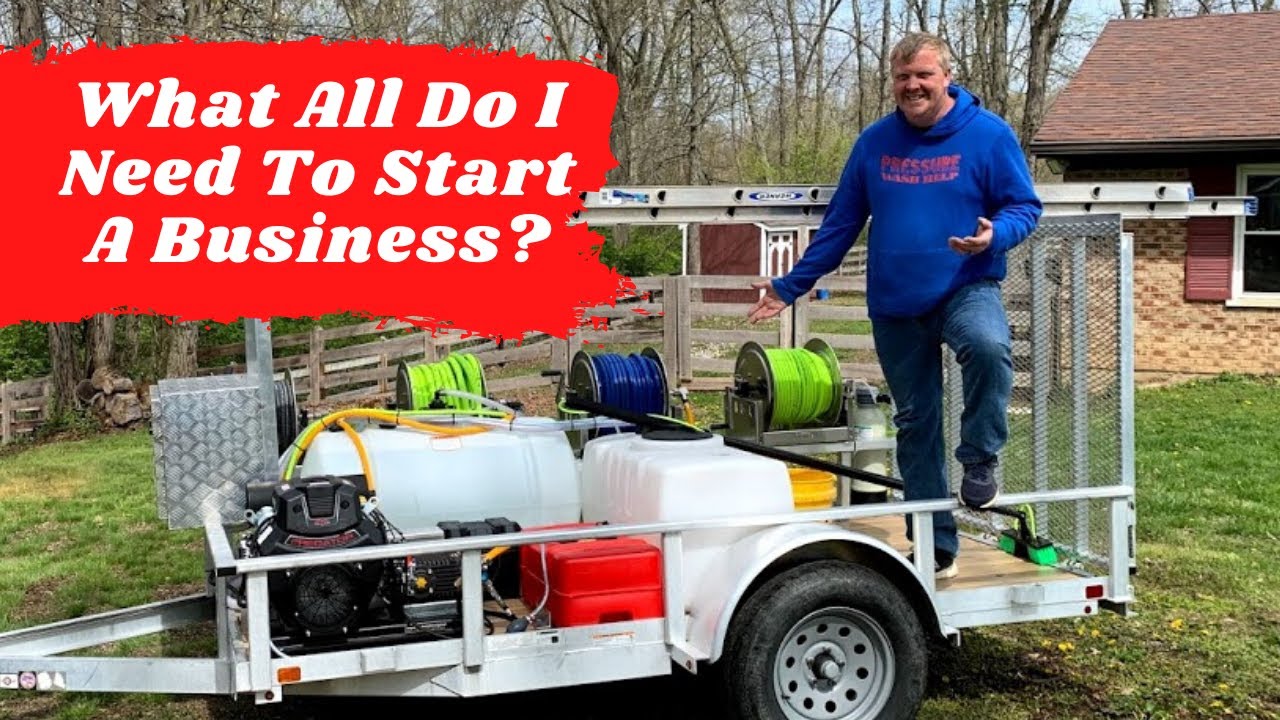
You need a reliable way to move your equipment. Many start with a pickup truck, van, or small trailer. Make sure everything is secured safely.
Comparison: Electric Vs. Gas Pressure Washers
Here is a quick comparison to help you choose:
| Feature | Electric | Gas |
|---|---|---|
| Power | Low to medium | High |
| Noise | Quiet | Loud |
| Weight | Light | Heavy |
| Best Use | Small jobs | Commercial/large jobs |
| Price | Low | Medium to high |
| Mobility | Needs power outlet | Any location |
Insight: Many beginners buy a cheap machine and regret it later. Invest in quality gear from the start—it will save you time and money.
Learning Pressure Washing Skills
Owning good equipment is not enough. Poor cleaning can damage property or hurt your reputation.
Training
There are many ways to learn:
- Online courses and videos (YouTube, industry websites)
- Manufacturer training (some brands offer free sessions)
- On-the-job experience (start with your own or friends’ properties)
Key Techniques
- Test a small area first before cleaning a large surface.
- Use the right nozzle and pressure for each job.
- Always spray at an angle, not straight at the surface.
- Keep the tip moving to avoid streaks or damage.
- Use chemicals only when needed, and rinse thoroughly.
Common Mistakes To Avoid
- Using too much pressure and damaging wood, paint, or siding.
- Not wearing safety gear—accidents can happen fast.
- Using the wrong detergent, which can kill plants or leave marks.
- Forgetting to check the water source—low pressure can hurt your results.
Practice On Your Own Property
Start by cleaning your driveway, deck, or house. Learn how to remove different stains and see how long each job takes. This experience is valuable when talking to clients.
Pricing Your Services
Setting the right price is key for making a profit and winning clients.
Pricing Models
There are three main ways to charge:
- By the hour: Simple, but some clients worry you will work slowly.
- By the square foot: Common for driveways, sidewalks, or siding.
- Flat rates for specific jobs: Easy for clients to understand.
Average prices in the US are:
- Driveways: $0.15–$0.30 per square foot
- Houses: $220–$380 per job
- Decks: $120–$250 per job
Factors That Affect Price
- Size and type of surface
- Level of dirt or staining
- Access (is it easy to reach?)
- Use of chemicals or hot water
- Travel time
Non-obvious insight: Some jobs look simple but take longer because of curves, corners, or heavy stains. Always inspect before quoting.
How To Estimate A Job
- Visit the site or ask for photos.
- Measure the area (length × width).
- Ask about stains, mold, oil, or special needs.
- Decide if you need special detergents or tools.
- Give a clear written quote, with details on what is included.
Offering Packages
Offer packages (such as “house + driveway bundle”) to increase the average job size. This can boost your income and give clients more value.
Marketing And Getting Customers
Even the best service will fail without customers. Marketing is about letting people know you exist and can solve their problems.
Branding And First Impressions
A professional image wins trust. Use:
- Clean, branded uniforms
- Clear vehicle graphics
- Polite, reliable communication
Building A Website
A simple website helps people find you. Include:
- Your services
- Before-and-after photos
- Pricing examples
- Contact form or phone number
- Customer reviews
Local Seo
Make sure your business shows up in local searches. Register on Google My Business, Bing Places, and local directories. Ask happy clients to leave reviews.
Social Media
Use Facebook, Instagram, and Nextdoor to post photos and reach local clients. Share tips (e. g. , “Why clean your driveway? ”) and special offers.
Flyers And Door Hangers
Distribute flyers or door hangers in neighborhoods where homes need cleaning. Make sure your contact info is easy to read.
Networking
Talk to real estate agents, property managers, and local businesses. Offer referral bonuses for anyone who sends you a new client.
Word Of Mouth
Do great work and ask happy clients to tell friends. Personal recommendations are very powerful.
Tracking Your Efforts
Keep a record of where your leads come from. This helps you focus on what works and avoid wasting money on weak marketing.
Example: Simple Marketing Plan
- Build a basic website with photos and contact info.
- Set up Google My Business and collect reviews.
- Print 500 flyers and hand them out in 3 local neighborhoods.
- Ask every client for a referral.
- Post before-and-after photos on Facebook every week.
Operating Your Pressure Washing Business
You are ready to work, but running a business well is more than just cleaning.
Scheduling And Invoicing
Use a calendar app or simple scheduling tool. Send written quotes and invoices. Many new businesses use free tools like Wave, Square, or QuickBooks for billing.
Customer Communication
Respond to calls and messages quickly. Send appointment reminders and follow up after the job to ask if the client is happy.
Managing Payments
Accept payments by cash, credit card, or bank transfer. Some clients prefer to pay online. Make it easy for them.
Handling Complaints
If a client is not happy, listen politely and offer to fix the problem. Good service can turn a complaint into a great review.
Keeping Records
Save receipts, invoices, and job notes. This will help at tax time and if you ever need to solve a dispute.
Tracking Expenses And Profits
Know your numbers. Track what you spend on gas, chemicals, repairs, and marketing. This helps you find ways to save money and grow faster.

Scaling Your Business
Once you have steady work and happy clients, you may want to grow.
Hiring Help
Hire part-time workers or subcontractors for busy times. Train them well—poor work hurts your reputation.
Upgrading Equipment
Invest in better machines, larger trailers, or a second vehicle as your workload grows.
Expanding Services
Offer new services, like:
- Roof cleaning
- Gutter cleaning
- Soft washing for delicate surfaces
- Commercial contracts
Building Long-term Contracts
Commercial clients often want regular service (monthly or quarterly). These contracts give you steady income.
Example: Residential Vs. Commercial Jobs
| Feature | Residential | Commercial |
|---|---|---|
| Job Size | Small to medium | Large |
| Income per Job | $100–$400 | $500–$2,500+ |
| Payment Speed | Immediate or next day | Net 30–60 days |
| Complexity | Low | High (permits, insurance) |
| Repeat Business | Occasional | Regular contracts |
Non-obvious insight: Many new businesses chase big commercial jobs and get stuck waiting months for payment. Start with residential work to build cash flow.
Safety And Environmental Tips
Safety is not just for you—it protects your clients and your business.
Safety Best Practices
- Wear protective gear every time.
- Never point the spray at people or pets.
- Mark off work areas to keep others safe.
- Turn off equipment before moving or adjusting it.
Environmental Rules
- Avoid letting chemicals run into storm drains.
- Use eco-friendly cleaners when possible.
- Collect and properly dispose of wastewater, especially for commercial jobs.
Many cities have strict water use rules. Breaking them can mean big fines.

Common Beginner Mistakes (and How To Avoid Them)
- Underpricing services: Leads to hard work for little profit. Always include your time, materials, and travel costs.
- Skipping insurance: One accident can ruin your business.
- Using too much pressure: Can damage client property—practice first!
- Ignoring customer service: Great cleaning is important, but so is politeness, punctuality, and follow-up.
- Not marketing enough: Waiting for clients to find you rarely works. Be proactive.
Pro tip: Join a local business group or online forum. You will learn from others’ mistakes and get new ideas.
Frequently Asked Questions
What Is The Average Startup Cost For A Pressure Washing Business?
The average startup cost is between $1,300 and $9,300. The exact amount depends on the quality of equipment, if you need to buy a vehicle or trailer, and your local licensing fees. Most new businesses start on the lower end by using their own vehicle and buying a good entry-level pressure washer.
Do I Need A License To Start A Pressure Washing Business?
In most areas, you need a basic business license. Some cities or states also require special permits, especially if you use chemicals or do commercial work. Always check with your local city hall or business office before starting.
How Much Can I Earn From A Pressure Washing Business?
Earnings can vary. Many solo operators make $40,000–$60,000 per year working part-time. With more experience, commercial contracts, and a small team, you can earn $100,000 or more. Your income depends on your market, prices, and how well you attract clients.
What Is The Best Type Of Pressure Washer For Beginners?
A gas-powered washer with at least 3,000 PSI and 3 GPM is best for most new businesses. It can handle driveways, decks, and small commercial jobs. If you only plan to do light residential work, a high-quality electric washer may be enough.
Where Can I Learn More About Pressure Washing Techniques And Business Tips?
Many industry groups and sites offer guides and training. The Power Washers of North America (PWNA) is a trusted source for safety, training, and business tips. Visit PWNA for more information.
Starting a pressure washing business is not just about spraying water. With careful planning, the right gear, and excellent service, you can build a business that grows year after year. Remember to focus on safety, learn from every job, and always keep your clients happy.
The effort you put in now will pay off for many years to come.