
Learning how to use a chainsaw can open up many possibilities, whether you need to cut firewood, clear fallen branches, or manage trees on your property. However, using a chainsaw also brings risks. Safety, preparation, and correct technique are critical.
Many beginners rush into operation without understanding the basics, which often leads to mistakes or even accidents. This guide will walk you through everything you need to know, from choosing the right chainsaw to mastering advanced cutting techniques. Even if you have never held a chainsaw before, you will find clear steps, practical tips, and safety advice to help you work confidently and efficiently.
Understanding Chainsaws
A chainsaw is a powerful tool designed to cut through wood quickly. The tool uses a chain with sharp teeth that runs around a metal guide bar. Chainsaws can be powered by gasoline, electricity, or batteries. Each type has its own strengths and is suitable for different situations.
Types Of Chainsaws
There are three main types of chainsaws:
- Gas-powered chainsaws: Known for their power and mobility, these are best for heavy-duty work like felling large trees or cutting thick logs. They require fuel, engine maintenance, and are often heavier.
- Electric chainsaws (corded): These are lighter, quieter, and easier to start. They need to be plugged into an outlet, limiting movement but making them ideal for small jobs near the house.
- Battery-powered chainsaws: Offering good mobility and less noise, these are suitable for light to medium work. Battery life is a limitation, so they are not the best for long jobs or thick trees.
Chainsaw Anatomy
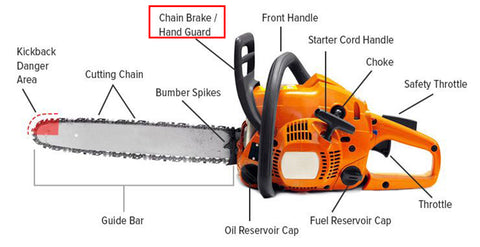
Before you start, get familiar with the main parts of a chainsaw:
- Engine/motor: Powers the chain.
- Guide bar: The long, flat metal bar the chain runs around.
- Chain: The loop of cutting teeth.
- Handle: For gripping and controlling the saw.
- Throttle: Controls chain speed.
- Chain brake: Stops the chain quickly in emergencies.
- Chain tensioner: Adjusts how tightly the chain fits around the bar.
- Oil reservoir: Lubricates the chain and bar.
Knowing these parts helps you understand how the tool works and how to maintain it.
Choosing The Right Chainsaw
Picking the right chainsaw is important. The best chainsaw for you depends on your experience, the type of work, and your physical strength.
Key Factors To Consider
- Size of the Job: For small branches or pruning, a light electric or battery chainsaw is enough. For large trees or logs, pick a gas-powered model.
- Bar Length: The bar should be at least 2 inches longer than the wood you plan to cut. Typical home use bars range from 12 to 20 inches.
- Weight: Heavier saws are harder to control, especially for long periods.
- Safety Features: Look for chain brakes, anti-vibration handles, and easy-access chain tensioners.
- Comfort: Make sure the handles feel good in your hands and the saw is balanced.
Common Mistakes When Choosing
Many beginners buy the biggest, most powerful chainsaw they can afford. This often leads to fatigue and loss of control. Start with a model you can handle easily, and upgrade as your skills grow.
Essential Safety Gear
Chainsaws can be dangerous. Wearing proper safety gear reduces the risk of injury.
Must-have Equipment
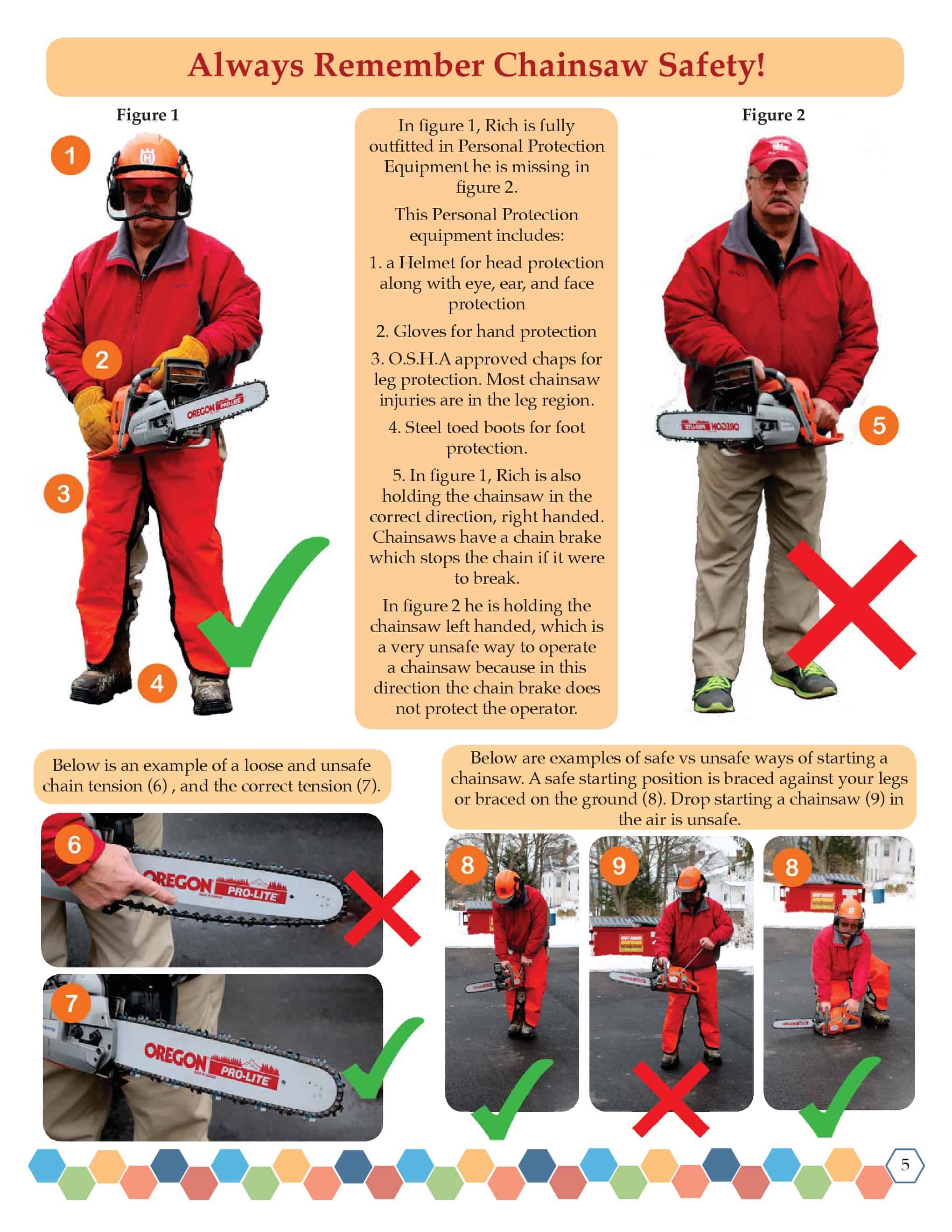
- Helmet with face shield: Protects your head and eyes from flying debris.
- Hearing protection: Gas chainsaws are loud and can damage your hearing.
- Cut-resistant gloves: Shield your hands from cuts and vibration.
- Chainsaw chaps or pants: Made with fibers that can stop the chain if it touches your leg.
- Steel-toe boots: Prevent foot injuries from dropped logs or the saw.
- Long sleeves and pants: Protect skin from scratches and flying wood chips.
Non-obvious Tips
Many people skip safety glasses under the face shield. Always wear them; dust can get around shields. Also, avoid loose clothing or jewelry, which can get caught in the chain.
Preparing To Use A Chainsaw
Preparation is more than just fueling up. Careful planning prevents accidents and makes the job easier.
Check The Chainsaw
- Fuel and oil: Use the correct mix for gas models. Check bar and chain oil level.
- Chain tension: The chain should move easily but not hang loose.
- Chain sharpness: A dull chain is dangerous and slow.
- Bar and chain lubrication: Squeeze the trigger and check if oil is reaching the chain.
- Safety features: Make sure the chain brake and throttle lock work.
Inspect The Work Area
- Clear debris: Remove rocks, wires, or anything that could get in the way.
- Plan your cut: Know where the tree or branch will fall.
- Check for hazards: Look for dead branches above (widowmakers), uneven ground, or people nearby.
Warm Up
If you have not used a chainsaw before, spend a few minutes handling it with the chain brake on. Get used to the weight and balance.
Starting The Chainsaw
Starting a chainsaw is different for each type. Always follow the manual, but here are the basic steps:
Gas Chainsaws
- Place the saw on the ground.
- Engage the chain brake.
- Set the choke (for cold starts).
- Hold the handle with one hand and place a foot in the rear handle.
- Pull the starter cord sharply until the engine fires.
- Push in the choke and pull again until it starts.
- Let the engine warm up before use.
Electric And Battery Chainsaws
These usually start by pressing a safety button and trigger. Make sure the chain brake is on before starting.
Common Mistakes
Never “drop start” a chainsaw (holding it in the air and pulling the cord). This is unsafe and can cause loss of control.
Basic Chainsaw Techniques
With the saw running, you can start cutting. Good technique means safer, cleaner cuts and less fatigue.
Holding The Chainsaw
- Grip the front handle with your left hand (even if you are left-handed) and the rear handle with your right.
- Keep your thumbs wrapped around the handles.
- Hold the saw close to your body for better balance.
- Stand with feet apart and knees bent.
Starting A Cut
- Make sure the chain is not touching anything before you squeeze the trigger.
- Use full throttle when cutting.
- Let the chain do the work—do not force the saw.
Cross-cutting
Used for cutting logs or branches across the grain.
- Place the log on a stable surface.
- Cut from the top down about one-third of the way.
- Roll the log and finish the cut from the other side.
This prevents the saw from getting pinched.
Limbing
Removing branches from a fallen tree.
- Always stand on the opposite side of the trunk from where you are cutting.
- Cut from the base of the branch toward the tip.
- Remove small branches first, then larger ones.
Bucking
Cutting a log into shorter sections.
- Place the log so it does not roll.
- Cut in sections, using the same top-down, then bottom-up technique.
Felling Small Trees
For trees under 8 inches in diameter:
- Plan your escape route (45 degrees on either side of the fall line).
- Cut a notch facing the direction you want the tree to fall.
- Make a back cut slightly above the notch.
- Move away quickly as the tree begins to fall.
Never attempt to fell large trees without training.
Kickback And How To Avoid It
Kickback is when the tip of the bar hits something and the saw jerks back toward you.
- Always keep both hands on the saw.
- Never cut with the tip of the bar.
- Use the chain brake if you sense a problem.
Advanced Cutting Techniques
As your skills grow, you may need to handle tougher tasks.
Boring Cut
Used to cut into wood with the tip of the bar.
- Start with the lower tip, not the upper tip.
- Once the tip is in, swing the saw to create an opening.
This is useful for plunge cuts in logs or stumps.
Cutting In Tight Spaces
- Use a shorter bar or a pole saw for pruning.
- Stand in a position where you have full control.
- Make small cuts and remove debris as you go.
Dealing With Tension And Compression
When cutting logs, wood may pinch the bar due to internal stress.
- Watch for the log bending or splitting.
- Make a small cut on the tension side first, then finish from the other side.
This prevents the saw from getting stuck.
Chainsaw Maintenance
A well-maintained chainsaw is safer, lasts longer, and cuts better.
Daily Maintenance
- Clean the air filter.
- Check and refill bar and chain oil.
- Sharpen the chain as needed.
- Inspect the bar for wear.
Weekly Maintenance
- Check the spark plug (for gas models).
- Inspect the chain brake.
- Clean the cooling fins on the engine.
Chain Sharpening
A dull chain makes the saw work harder and increases the risk of kickback. Sharpen the chain when you see:
- Fine sawdust instead of wood chips.
- The saw pulls to one side.
- You need to apply more force.
Sharpening steps:
- Use a round file that matches your chain.
- File each tooth at the same angle.
- Keep tooth length equal on both sides.
- File the depth gauges if needed (use a depth gauge tool).
Bar Maintenance
Flip the bar every few uses to even out wear. Clean the oil hole and groove to ensure good lubrication.
Storage
- Drain fuel for long-term storage.
- Store in a dry place.
- Oil the chain to prevent rust.
Troubleshooting Common Problems
Chainsaws sometimes fail to start, cut poorly, or stall. Here’s how to fix common issues.
Chainsaw Won’t Start
- Check fuel (for gas models) or battery charge.
- Make sure the chain brake is not engaged.
- Inspect the spark plug for dirt or wear.
- Clean or replace the air filter.
Chain Not Moving
- Chain brake may be on.
- Chain may be too tight.
- Clutch could be worn out.
Saw Cuts Crooked
- Chain may be dull or unevenly sharpened.
- Bar could be worn on one side.
Oil Not Reaching Chain
- Oil reservoir could be empty.
- Oil hole or groove may be clogged.
Chainsaw Safety Best Practices
Even with good equipment and skills, accidents can happen. These habits make using a chainsaw safer for everyone.
Safety Do’s
- Always wear full safety gear.
- Check your saw before every use.
- Cut at waist height or below.
- Keep both hands on the saw.
- Make sure bystanders are at least twice the height of the tree away from you.
Safety Don’ts
- Never cut above shoulder height.
- Don’t work when tired or in poor weather.
- Never use a chainsaw on a ladder.
- Don’t try to catch a falling saw.
Non-obvious Insights
Many injuries happen after the cut, when the chain is still spinning. Always let the chain stop before moving or setting the saw down. Also, keep a first aid kit nearby—chainsaw injuries can be severe.
Comparing Chainsaw Types
Choosing between gas, electric, and battery chainsaws can be confusing. Here’s a side-by-side look at the main differences.
| Type | Power | Mobility | Noise | Maintenance | Best For |
|---|---|---|---|---|---|
| Gas | High | Excellent | Loud | High | Heavy-duty work |
| Electric (Corded) | Medium | Limited (cord length) | Quiet | Low | Yard work, pruning |
| Battery | Low-Medium | Good | Quiet | Low | Light jobs |
Chainsaw Bar Length Guide
Choosing the right bar length is key for safety and performance. Here’s a quick guide:
| Bar Length | Best Use | Recommended User |
|---|---|---|
| 12-14 inches | Pruning, small branches | Beginners, light work |
| 16-18 inches | Firewood, medium logs | Homeowners |
| 20 inches+ | Large trees, heavy work | Experienced users |
Chainsaw Maintenance Checklist
Keep your chainsaw in top shape with this quick routine:
- Check and refill bar and chain oil every use.
- Sharpen the chain regularly.
- Clean the air filter and cooling fins.
- Inspect the chain brake and throttle.
- Flip the bar every few uses.
- Clean debris from the saw after use.
Small steps like these prevent breakdowns and extend the tool’s life.

Environmental And Legal Considerations
Chainsaws impact both your environment and community. Here’s what to keep in mind:
- Many areas have noise restrictions—only use chainsaws during allowed hours.
- Gas chainsaws produce emissions; consider electric models for lower impact.
- Never leave oil, gas, or used chains in nature; dispose of them properly.
- Some trees are protected by law—check with local authorities before felling.
- Chainsaws can disturb wildlife; work carefully in natural areas.
For more information, check the OSHA Chainsaw Safety Guidelines.
Practical Tips For Beginners
Using a chainsaw can feel intimidating at first. Here are some tips that make a real difference:
- Practice with the chain brake on before real cutting.
- Start with small branches to build skill and confidence.
- Keep your work area clear of trip hazards.
- Don’t rush—most accidents happen when people are tired or in a hurry.
- Carry a small tool kit and spare chain in case of problems.
Frequently Asked Questions
How Often Should I Sharpen My Chainsaw Chain?
Most users should sharpen the chain after every few hours of cutting, or whenever cutting slows down. If you see fine sawdust instead of wood chips, it’s time to sharpen.
Can I Use Regular Motor Oil For Bar And Chain Lubrication?
No, always use bar and chain oil. Regular motor oil does not stick well and may cause more wear or pollution.
What Is Chainsaw Kickback And How Can I Avoid It?
Kickback happens when the tip of the bar hits an object, sending the saw upward and back toward the user. Avoid this by keeping both hands on the saw, never cutting with the bar tip, and using the chain brake.
Is It Safe To Cut Wet Wood With A Chainsaw?
Yes, you can cut wet wood. The chainsaw may get dirty more quickly, so clean and oil it after use to prevent rust and sticking.
What Should I Do If My Chainsaw Gets Stuck In A Log?
Turn off the saw and try to wiggle it free. Do not force it with the engine running. If needed, use a wedge or another saw to release it.
Using a chainsaw is a valuable skill that can save time and effort, but it requires care and respect for safety. With the right preparation, gear, and techniques, you can use a chainsaw confidently for many tasks. Remember, your safety always comes first—never cut corners, and keep learning as you gain experience.