
Using a pipe wrench may seem simple at first glance, but there’s a world of technique behind this powerful plumbing tool. If you’ve ever struggled with a stuck pipe or wondered why your wrench just slips, you’re not alone. Many beginners make the same mistakes. The good news is: with a little knowledge and practice, you can master the pipe wrench for plumbing, mechanical work, or even home repairs. This guide will show you everything you need to know—from tool basics and safety to pro-level tips you won’t find in most manuals. Whether you want to fix a leaky pipe or tackle a bigger project, understanding how to use a pipe wrench properly will save you time, money, and frustration.
What Is A Pipe Wrench?
A pipe wrench is a heavy-duty hand tool designed to grip and turn pipes or round fittings. Unlike an adjustable spanner or pliers, a pipe wrench has serrated jaws that bite into metal, creating a firm hold. Most pipe wrenches are made from steel or aluminum and come in various sizes to handle different pipe diameters.
The classic pipe wrench, sometimes called a Stillson wrench, features an adjustable jaw that moves up or down to fit the pipe. The teeth on the jaws cut into the pipe surface, allowing you to turn, tighten, or loosen connections. This makes the pipe wrench essential for plumbing, gas work, and many industrial tasks.
Anatomy Of A Pipe Wrench
To use a pipe wrench well, it helps to understand its main parts. Each part plays a role in gripping and turning pipes safely.
| Part | Description |
|---|---|
| Handle | The long, solid grip for your hand. Provides leverage. |
| Hook Jaw | The upper jaw with sharp teeth. Moves when you adjust the wrench. |
| Heel Jaw | The lower, fixed jaw with matching teeth. |
| Adjustment Nut | Turns to open or close the jaws for different pipe sizes. |
| Frame | The main body holding the jaws and handle together. |
| Spring Assembly | Helps the hook jaw move smoothly and keeps tension. |
A key thing to remember: the hook jaw is always on top when using the wrench. This lets the wrench grip and turn in the correct direction.
Types Of Pipe Wrenches
There isn’t just one type of pipe wrench. Each is designed for specific tasks or working conditions. Picking the right wrench can make your job much easier.
1. Straight Pipe Wrench
This is the classic style most people imagine. It has straight jaws and is suitable for most plumbing pipes.
2. Offset Pipe Wrench
The jaws are angled, making it easier to reach pipes in tight or awkward spaces.
3. End Pipe Wrench
The jaws are set at the end of the handle at a steep angle. Good for pipes close to a wall or floor.
4. Compound Leverage Pipe Wrench
Uses extra levers for more gripping power. Useful for very stuck or rusted pipes.
5. Chain Pipe Wrench
Instead of jaws, it uses a chain to grip round objects. Ideal for very large or oddly shaped pipes.
6. Strap Wrench
Uses a strong strap instead of teeth. Good for plastic pipes or polished surfaces where teeth would cause damage.
Here’s a quick comparison of the most common types:
| Wrench Type | Best Use | Pipe Size Range |
|---|---|---|
| Straight | General plumbing | 1/8″ – 8″ (3mm–200mm) |
| Offset | Tight spaces | 1/8″ – 6″ (3mm–150mm) |
| End | Near walls/floors | 1/8″ – 6″ (3mm–150mm) |
| Chain | Large/irregular shapes | Up to 18″ (450mm) or more |
| Strap | Plastic or polished pipes | Varies by strap length |
Selecting The Right Pipe Wrench
Choosing the right pipe wrench is more than just grabbing any tool from your box. To work safely and efficiently, consider these factors:
Pipe Size
Match the wrench size to the pipe you’re working with. Using a wrench that’s too large or small will reduce grip and can damage the pipe or tool.
Pipe Material
For soft materials like PVC or copper, avoid wrenches with sharp teeth. A strap wrench is better because it won’t scratch the pipe.
Working Space
If you’re working in a corner or near a wall, consider an offset or end pipe wrench. These designs help you reach tight spots without straining.
Weight And Length
A longer handle gives you more leverage, but it can be heavy and hard to control in small spaces. Aluminum pipe wrenches are lighter but just as strong as steel. Choose a handle length that matches your strength and the space.
Condition Of The Pipe
For old or rusted pipes, a compound leverage or chain wrench may be needed. These tools give extra grip and force for tough jobs.
Common Mistake
Many beginners use a pipe wrench that’s too big, thinking it gives more power. In reality, it can slip or break the pipe. Always use the smallest wrench that fits your job.
How To Adjust A Pipe Wrench
Before you start, it’s important to set your pipe wrench properly. Here’s a step-by-step guide for correct adjustment:
- Open the jaws by turning the adjustment nut counterclockwise.
- Place the wrench over the pipe, making sure the hook jaw is on top.
- Turn the nut clockwise until the jaws fit snugly around the pipe. The teeth should bite in, but the wrench should not wobble or slide.
- Test the grip by gently rocking the wrench back and forth. If it slips, tighten a bit more.
- Check the jaw angle: The wrench handle should form a 90-degree angle with the pipe. This gives the best grip and leverage.
Two things beginners often miss:
- If the wrench is too tight, it can damage the pipe or make turning harder.
- If the wrench is too loose, it will slip and could cause injury.
Always take a moment to adjust the wrench before starting work.
How To Use A Pipe Wrench: Step-by-step
Using a pipe wrench is about more than just muscle. Follow these steps for safe, effective use:
1. Inspect The Wrench
Check for cracks, worn teeth, or loose parts. A damaged wrench can be dangerous and less effective.
2. Clean The Pipe
Dirt, oil, or rust can cause the wrench to slip. Wipe the pipe with a rag for better grip.
3. Adjust The Jaw
Open the jaws and fit them around the pipe. Tighten until the jaws just touch the pipe all around.
4. Position The Wrench
Place the hook jaw on the side you want to turn toward. The handle should point in the direction you’ll pull. For example, if you want to loosen a pipe by turning left, the handle should point left.
5. Apply Force Smoothly
Hold the handle with both hands, keeping your knuckles clear of nearby surfaces. Pull smoothly—don’t jerk. Too much force can round off the pipe or damage the tool.
6. Release And Reposition
If you need to turn the pipe further, release the wrench, move it along the pipe, and grip again.
7. Finish And Inspect
When you’re done, inspect the pipe for damage. Wipe down the wrench and store it in a dry place.
Example Scenario
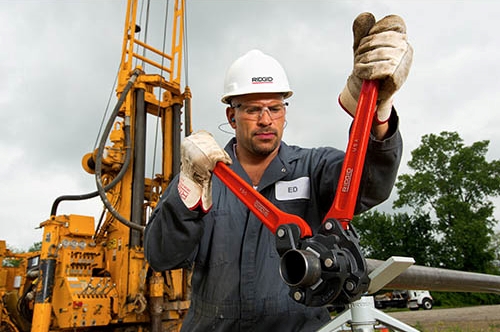
Suppose you’re removing an old galvanized steel pipe under a sink. First, you clean off any grease. Next, you adjust your straight pipe wrench to fit. With the hook jaw on top, you pull the handle counterclockwise to loosen the pipe.
The teeth grip tightly, and the pipe begins to turn. If it sticks, you try a bit of penetrating oil, then try again.
Safety Tips When Using A Pipe Wrench
Pipe wrenches are powerful, but they can cause injury or property damage if used incorrectly. Follow these safety tips every time:
- Wear gloves to protect your hands from sharp edges and pinched skin.
- Always pull the wrench toward you, not away. This reduces the risk of falling if the wrench slips.
- Never use a pipe wrench on nuts or bolts. The teeth will damage the edges.
- Don’t use a “cheater bar”—an extra pipe slid over the handle for more force. This can break the wrench and cause injury.
- Keep your work area clean and dry to avoid slipping.
- Check that the jaws and teeth are clean and sharp.
- Replace worn or damaged wrenches immediately.
Common Mistakes And How To Avoid Them
Many people, even those with experience, make avoidable mistakes when using a pipe wrench. Here are the most common ones and how to prevent them:
1. Using The Wrong Size Wrench
A wrench that’s too large or small will not grip properly. Always match the wrench size to the pipe.
2. Gripping The Pipe In The Wrong Place
Avoid gripping pipes near joints or fittings. The extra force can crack or bend these areas. Always grip on the solid part of the pipe.
3. Over-tightening The Jaw
If the jaws are too tight, they can deform the pipe or strip the teeth on the wrench. The grip should be snug, not forced.
4. Pulling At The Wrong Angle
If you pull at an angle instead of straight, the wrench can slip or damage the pipe. Keep the handle at a right angle to the pipe.
5. Not Cleaning The Pipe Or Wrench
Oil, dirt, or rust reduce grip. Always clean both before use.
6. Using A Wrench With Worn Teeth
Blunt teeth can’t grip properly and may slip. Replace or sharpen the jaws if needed.
7. Using A Pipe Wrench For The Wrong Task
Pipe wrenches are for round pipes, not nuts, bolts, or square fittings. Use the right tool for the job.

Advanced Tips For Better Results
Once you’re comfortable with the basics, try these advanced tips to work more efficiently and safely:
- For stuck pipes, apply penetrating oil and let it sit for 10–15 minutes before using the wrench.
- When working with vertical pipes, position the wrench so gravity helps you pull down, not up.
- If you need extra grip on a smooth pipe, wrap a layer of sandpaper (gritty side out) around the pipe under the jaws. This increases friction without damaging the pipe.
- Use two wrenches in opposite directions when loosening or tightening threaded joints. This reduces stress on the pipes and prevents twisting.
- Always store your wrench with the jaws open. This reduces spring tension and extends the tool’s life.
- Mark your wrench with different colors or tape for easy size identification in your toolbox.
Maintenance And Care Of Pipe Wrenches
Proper care keeps your pipe wrench working safely for years. Here’s what to do:
Clean After Use
Wipe off dirt, oil, and moisture to prevent rust.
Check For Damage
Inspect the jaws, handle, and adjustment nut for cracks or worn teeth.
Lubricate Moving Parts
Apply a drop of oil to the adjustment nut and spring assembly.
Sharpen Or Replace Jaws
If the teeth get dull, sharpen them with a file or replace the jaw. Most brands sell replacement parts.
Store Properly
Keep your wrench in a dry place, away from direct sunlight or moisture. Hang it or keep it in a toolbox with jaws open.
Regular Inspection
Check your wrench every few months if not used often. Look for rust or seized parts.
Proper maintenance not only makes your tool last longer but also makes your work safer and easier.
Pipe Wrench Vs. Other Plumbing Tools
You might wonder when to use a pipe wrench instead of other tools. Here’s a quick comparison:
| Tool | Main Use | Best For | Drawback |
|---|---|---|---|
| Pipe Wrench | Turning round pipes | Steel, iron, large pipes | Can damage soft materials |
| Adjustable Spanner | Nuts and bolts | Flat-sided fittings | Slips on round pipes |
| Channel Lock Pliers | Small pipes or fittings | Quick adjustments | Less grip on large pipes |
| Strap Wrench | Delicate surfaces | Plastic or chrome pipes | Limited power |
A pipe wrench is the best choice for heavy-duty jobs with metal pipes. But for plastic, polished, or small fittings, other tools may be safer.
When Not To Use A Pipe Wrench
While pipe wrenches are versatile, there are times you shouldn’t use them:
- On copper, brass, or plastic pipes where the teeth might cause damage.
- On hex nuts or bolts. Use a spanner or socket instead.
- Where a polished finish must be preserved (use a strap wrench).
- On pipes thinner than 1/8 inch (3mm), as the jaws can crush or deform them.
If you’re unsure, always check the manufacturer’s recommendation or ask a professional.
Non-obvious Insights For Beginners
Here are two important tips that many beginners miss:
- Jaw Direction Matters: The hook jaw (top) should always be on the side where you apply force. If you reverse this, the wrench will slip and can injure you.
- Teeth Wear is Invisible at First: Even if the teeth look sharp, microscopic wear can reduce grip. If you notice more slipping, change or sharpen the jaws—don’t wait for visible damage.
Real-world Applications Of Pipe Wrenches
Pipe wrenches are used for more than just plumbing. Here are a few real-world examples:
- Plumbers use them to fix water and gas lines, install new fixtures, or remove old fittings.
- HVAC technicians use them to install or repair air conditioning lines.
- Industrial workers rely on them for heavy machinery assembly and maintenance.
- DIY homeowners use them to fix leaking radiators, install washing machines, or do small repairs.
In construction, pipe wrenches help build scaffolding, connect large pipes, or dismantle old systems. Even in oil and gas industries, large chain wrenches are used for drilling equipment.
How To Choose Pipe Wrench Brands
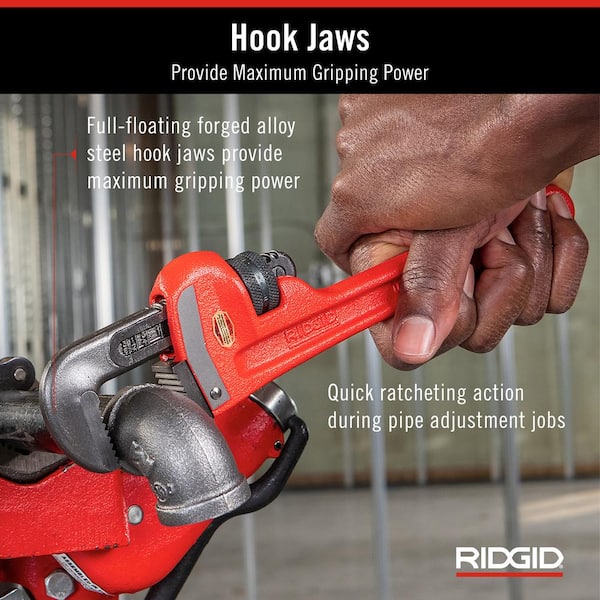
Not all pipe wrenches are created equal. Some of the most trusted brands include RIDGID, Bahco, Stanley, and Crescent. These brands are known for strong jaws, durable steel, and reliable adjustment mechanisms. While cheaper wrenches may look similar, they often wear out faster and can be unsafe.
When buying, look for:
- Forged steel or aluminum for durability
- Replaceable jaws for long-term value
- Comfortable, non-slip handle for safety
- Clear size markings for easy selection
You can find more information about tool standards and quality at Wikipedia.
Frequently Asked Questions
What Is The Main Difference Between A Pipe Wrench And An Adjustable Spanner?
A pipe wrench is made for gripping round pipes using its serrated jaws, which bite into the metal. An adjustable spanner is for flat-sided nuts or bolts and does not have teeth, so it can’t grip round pipes securely.
Can I Use A Pipe Wrench On Plastic Pipes?
It’s not recommended. The sharp teeth can crush or damage plastic. Use a strap wrench for plastic or other soft materials.
How Do I Know When My Pipe Wrench Needs New Jaws?
If you notice the wrench slipping more often, or if the teeth look rounded or smooth, it’s time to replace the jaws. Regularly check for wear, especially if you use your wrench often.
Is It Safe To Use Extra Force With A Pipe Wrench?
No. Adding a “cheater bar” or using too much force can break the wrench or the pipe, causing injury. Use penetrating oil or a larger wrench if more power is needed.
What Size Pipe Wrench Should I Buy First?
For most home plumbing jobs, a 14-inch or 18-inch pipe wrench is a good start. It’s large enough for common pipes but not too heavy to handle.
Mastering the pipe wrench opens the door to many repair and construction projects. With the right tool, proper technique, and a bit of care, you’ll find even tough plumbing jobs become much easier. Always work safely, keep your tools in good condition, and don’t hesitate to ask for expert advice if you’re unsure. Over time, you’ll develop the confidence and skill to handle almost any pipe-related challenge.