
Anyone who owns a Jeep JK knows how important regular oil changes are for engine life. But it’s surprising how many people get confused about the Jeep JK oil capacity. Even some experienced owners are unsure about the exact amount, the best oil type, and what happens if you underfill or overfill. If you want your Jeep JK to run smoothly for many years, knowing about its oil needs is vital. This article breaks down everything you must know about Jeep JK oil capacity, oil types, practical tips, mistakes to avoid, and answers to common questions. Whether you’re a new owner or a seasoned Jeep enthusiast, this guide will help you care for your engine the right way.
Understanding Jeep Jk Models And Engines
The Jeep JK refers to the third generation of the Jeep Wrangler, produced from 2007 to 2018. During this time, several engine options were offered. Understanding your engine type is the first step to finding the right oil capacity.
The two most common engines found in the Jeep JK are:
- 3.8L V6 (2007–2011)
- 3.6L Pentastar V6 (2012–2018)
There are rare cases where export models came with different engines, but these two cover almost all North American JKs. Each engine has different oil needs, so always confirm your engine before starting an oil change.
Jeep Jk Oil Capacity By Engine
One of the most asked questions is: “How much oil does my Jeep JK need?” The answer depends entirely on which engine you have.
3.8l V6 Engine (2007–2011)
The 3.8L V6 was the standard engine in JKs from 2007 to 2011. This engine is known for its reliability and simplicity, but it has a specific oil requirement.
- Oil capacity with filter change: 6 quarts (5.7 liters)
- Recommended oil type: 5W-20 (API certified)
3.6l Pentastar V6 Engine (2012–2018)
The 3.6L Pentastar replaced the 3.8L in 2012 and continued until the end of the JK line in 2018. It offers more power and efficiency but uses a different oil amount.
- Oil capacity with filter change: 6 quarts (5.7 liters)
- Recommended oil type: 5W-20 (API certified), but 0W-20 is also acceptable in very cold climates
Are There Exceptions?
Occasionally, you may see small differences in oil capacity due to aftermarket oil pans or coolers, but for stock engines, 6 quarts is standard. Always check your owner’s manual and confirm with the dipstick after filling.
Why Oil Capacity Matters
Many drivers think a little less or more oil doesn’t matter. That’s a mistake. The oil capacity is carefully engineered for each engine. Here’s why it’s so important:
- Lubrication: The right oil level ensures all engine parts are lubricated, reducing wear.
- Cooling: Engine oil helps manage temperature by carrying heat away from moving parts.
- Contaminant removal: Oil collects small particles and debris, which are filtered out.
- Pressure balance: Too much or too little oil affects oil pressure, which can damage the engine.
Pro tip: Never guess your Jeep JK oil capacity. Even half a quart off can make a big difference over time.
Jeep Jk Oil Type And Viscosity
Choosing the right oil type is just as important as the correct amount. Jeep JK engines are designed for specific viscosity and quality.
Recommended Viscosity
For both the 3.8L and 3.6L engines, the most commonly recommended oil is 5W-20. This grade works well in most climates and balances protection and flow.
If you live in a region where temperatures drop below -20°F (-29°C), 0W-20 is sometimes recommended for easier cold starts.
Conventional Vs. Synthetic Oil
You can choose between conventional and synthetic engine oil. Most modern Jeep JK owners prefer synthetic because it:
- Flows better at extreme temperatures
- Lasts longer between changes
- Offers better engine protection
However, if your Jeep has high miles and has used conventional oil for years, you may want to stick with it to avoid leaks caused by detergent action in synthetics.
Oil Quality Ratings
Always look for oil with the API certification mark. This ensures the oil meets the standards for your Jeep’s engine.
Jeep Jk Oil Change Interval
Changing your oil regularly is key to engine health. The recommended interval varies based on oil type, driving style, and conditions.
- Normal driving with synthetic oil: Every 6,000–7,500 miles (9,600–12,000 km)
- Severe conditions or conventional oil: Every 3,000–5,000 miles (4,800–8,000 km)
Severe conditions include frequent short trips, dusty environments, extreme heat/cold, or regular towing.
Expert insight: Don’t just rely on the “oil life” reading in your dashboard. Always check the color and level of your oil and listen for engine noise.
Step-by-step Jeep Jk Oil Change Guide
Changing your own oil isn’t hard if you have the right tools and information. Here’s a detailed guide for both the 3. 8L and 3. 6L engines.
Tools And Materials Needed
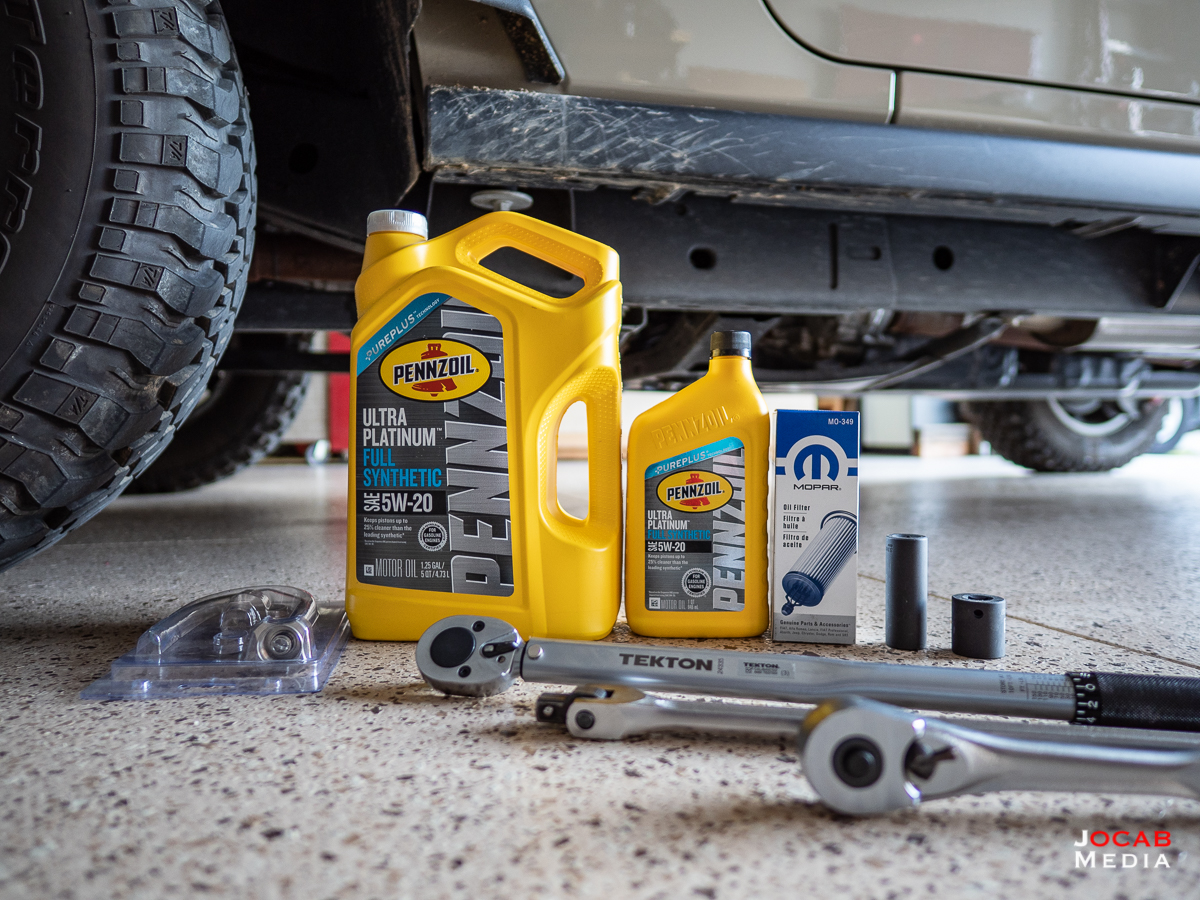
- 6 quarts of 5W-20 engine oil (or as specified)
- New oil filter (quality matters)
- Socket wrench and oil filter wrench
- Oil catch pan
- Funnel
- Shop rags
- Gloves
Step 1: Prepare Your Jeep
Park on a level surface and let the engine cool for at least 15 minutes. Engage the parking brake for safety.
Step 2: Drain Old Oil
- Place the oil catch pan under the oil pan.
- Use the socket wrench to remove the drain plug (located at the bottom of the oil pan).
- Let oil drain completely (usually 10–15 minutes).
Beginner’s tip: Remove the oil filler cap on top of the engine to help oil drain faster.
Step 3: Replace The Oil Filter
- Use the oil filter wrench to loosen the old filter.
- Wipe the mounting surface clean.
- Lubricate the gasket on the new filter with a bit of fresh oil.
- Install the new filter by hand, tightening securely but not too tight.
Step 4: Add New Oil
- Replace the drain plug and tighten (do not overtighten).
- Place the funnel in the oil filler opening.
- Pour in 6 quarts of fresh oil.
- Replace the oil cap.
Step 5: Check Oil Level
- Start the engine and let it run for 30 seconds.
- Turn off and wait 2–3 minutes.
- Pull the dipstick, wipe it, reinsert, and check level.
- Add oil if below the full mark, but never overfill.
Step 6: Dispose Of Old Oil
Take used oil to a recycling center or auto parts store—never dump it.
Extra advice: Always check for leaks around the drain plug and oil filter after your oil change.
Comparing Jeep Jk Oil Capacity With Other Jeeps
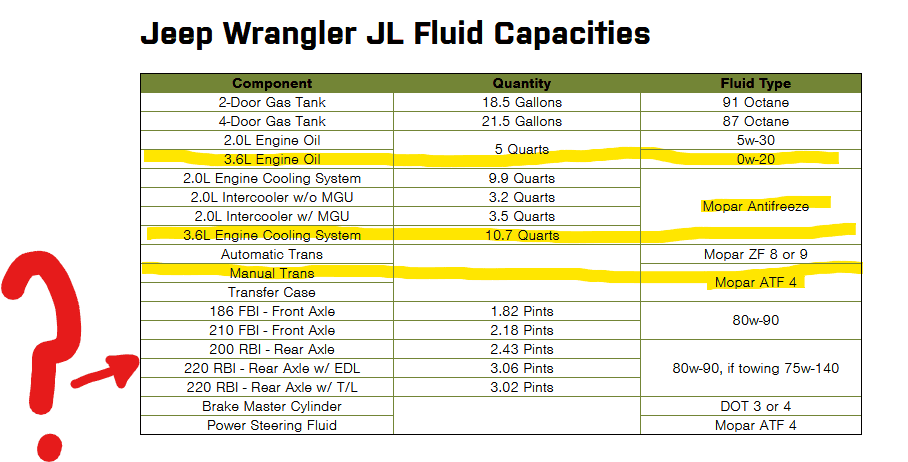
Many people wonder if the Jeep JK has a higher or lower oil capacity than other Jeep models. Here’s a simple comparison:
| Model | Engine | Oil Capacity (with filter) |
|---|---|---|
| Jeep JK (2007–2011) | 3.8L V6 | 6 quarts |
| Jeep JK (2012–2018) | 3.6L V6 | 6 quarts |
| Jeep TJ (1997–2006) | 4.0L I6 | 6 quarts |
| Jeep JL (2018–present) | 2.0L Turbo I4 | 5 quarts |
| Jeep JL (2018–present) | 3.6L V6 | 5 quarts |
Key takeaway: The JK’s 6-quart capacity is typical for its class, though newer Jeeps like the JL 3.6L V6 use less oil.
Common Mistakes When Checking And Filling Oil
Even experienced DIYers make simple mistakes during oil changes. Here are the most common errors and how to avoid them:
- Not changing the oil filter: Always replace the oil filter with every oil change.
- Over-tightening the drain plug: This can strip threads and cause leaks.
- Overfilling or underfilling: Always measure carefully; check the dipstick after filling.
- Using the wrong oil weight: Stick to the recommended viscosity for your climate and engine.
- Forgetting to check for leaks: Run the engine and inspect for drips after the oil change.
- Mixing different oil types: Don’t mix synthetic and conventional oils unless necessary in an emergency.
Not-so-obvious advice: On the Jeep JK, the oil filter is located on top of the engine (for 3.6L Pentastar), which is unusual compared to many cars. This makes it easier to change but also easier to spill oil on the engine. Place a rag under the filter housing when removing.
Signs Of Incorrect Oil Level
Knowing when your oil is low or overfilled is crucial. Both can harm your engine.
Low Oil Symptoms
- Oil warning light: Don’t ignore this.
- Engine ticking or knocking: Lack of lubrication.
- Overheating: Oil helps cool the engine.
- Poor performance: Engine feels sluggish.
Overfilled Oil Symptoms
- White smoke from exhaust: Too much oil burns off.
- Strong oil smell: Especially after driving.
- High oil pressure reading: Can damage seals and sensors.
- Foamy oil on dipstick: Air bubbles from crankshaft whipping oil.
If you notice any of these, check your oil level immediately. If overfilled, drain some oil. If low, top up with the correct oil.
How Temperature And Driving Style Affect Oil Needs
Not every Jeep JK owner drives the same way or in the same place. Climate and style can affect oil needs.
- Cold climates: Use 0W-20 or stick with 5W-20; change oil a bit more often if you do lots of short trips.
- Hot climates: Synthetic oil is preferred for better protection.
- Off-roading: Dirt and dust mean more frequent changes.
- Towing: Heavy loads stress the engine—check oil level and quality often.
Hidden insight: If you drive in extreme conditions, the oil can degrade faster even if you haven’t hit the mileage interval. Check oil every month.
Choosing The Right Oil Filter For Jeep Jk
Oil filters are just as important as oil. A cheap or wrong filter can cause leaks, low oil pressure, or poor filtration.
What To Look For
- Correct size and fit: Only use filters designed for your Jeep JK engine.
- Quality materials: Look for reputable brands with anti-drain-back valves.
- Good filtration rating: At least 98% efficiency for particles above 20 microns.
Popular Oil Filter Brands For Jeep Jk
- Mopar (OEM)
- Wix
- K&N
- Fram Ultra
- Mobil 1
Expert tip: Avoid “bargain” filters from unknown brands. Saving a few dollars isn’t worth risking engine damage.
Can You Switch To A Larger Oil Filter?
Some Jeep JK owners wonder if they can use a longer or higher-capacity filter to increase oil volume or flow. In reality, this is rarely helpful and can cause fitment issues. Always use the filter size specified for your engine.
Oil Capacity And Aftermarket Modifications
If you’ve added an aftermarket oil cooler or a high-capacity oil pan, your oil capacity will change. Always check the manual for the new parts or consult with the installer.
Example: An aftermarket deep oil pan may add 1–2 quarts of extra capacity. In this case, fill to the specified mark on the dipstick, not just by quarts.
Jeep Jk Oil Change Costs
If you don’t want to change your oil yourself, knowing the typical costs helps avoid surprises.
- Dealership oil change: $60–$120 (synthetic, includes filter and inspection)
- Quick lube shops: $40–$90 (varies by oil type and filter)
- DIY: $25–$50 (buying your own oil and filter)
Real-world advice: Always ask what oil and filter are used at quick lube shops. Some use low-quality parts to cut costs.
Jeep Jk Oil Capacity: Myths Vs. Facts
There’s a lot of misinformation about oil changes. Let’s separate fact from fiction:
| Myth | Fact |
|---|---|
| More oil is always better for protection. | Overfilling increases risk of leaks and engine damage. |
| Any oil filter will work if it fits. | Wrong filters may cause leaks or poor oil flow. |
| Synthetic oil can cause leaks in old engines. | Only true if seals are already worn; most JKs handle synthetic well. |
| You must change oil every 3,000 miles. | Modern synthetic oils last longer; always check your owner’s manual. |
How To Check Your Jeep Jk Oil Level Properly
Many people check their oil the wrong way. Here’s the right method:
- Make sure the engine is off and has cooled for 2–5 minutes.
- Park on a level surface.
- Pull the dipstick, wipe it clean, reinsert fully, and pull out again.
- Check that the oil is between the “MIN” and “MAX” marks. It should be near the “MAX” mark but not over.
- Oil should be amber and clear. Dark or gritty oil means it’s time to change.
Little-known tip: If you just changed the oil, wait a minute after starting to recheck the level. Oil filters hold some oil and levels may change slightly after the first run.
Jeep Jk Oil Capacity And Engine Longevity
Consistently using the correct oil amount and type is one of the best ways to get 200,000+ miles from your Jeep JK. Neglecting oil changes, using the wrong oil, or running low causes most early engine failures.
Example: Many Jeep JKs with regular oil changes have original engines at 250,000 miles or more. Skipping oil changes or ignoring leaks can destroy an engine in under 100,000 miles.
Environmental Impact: Used Oil Disposal
Used engine oil is a toxic pollutant. One gallon can pollute a million gallons of water. Always recycle your used oil and filter at a certified recycling center.
Tip: Most auto parts stores take old oil for free. Never dump oil in drains, on the ground, or in trash.
Jeep Jk Oil Capacity For Towing And Off-road Use
If you use your Jeep JK for towing or heavy off-road work, your oil may degrade faster due to higher temperatures and contamination. Consider changing oil every 3,000–5,000 miles, even with synthetic, and check oil after every trip.
Advanced insight: Towing doesn’t require more oil than normal, but you must monitor oil level and color more often because heavy loads stress the engine.
What Happens If You Overfill Or Underfill?
Overfilling
Too much oil leads to:
- Increased crankcase pressure
- Oil leaks or blown gaskets
- Frothing/foaming (reduces lubrication)
- Catalytic converter damage
Underfilling
Not enough oil causes:
- Poor lubrication (engine wear)
- Overheating
- Engine knocking or failure
If you realize you’ve overfilled, drain out the excess immediately. If underfilled, add oil right away.
Jeep Jk Oil Change Records
Keeping a log of oil changes is smart, especially for high-mileage engines or when selling your Jeep. Write down the date, mileage, oil brand/type, and filter used. This helps track engine health and adds value at resale.
Hidden benefit: Service records can help diagnose engine problems if they arise and show proof of maintenance for warranty purposes.
Jeep Jk Oil Pan And Drain Plug Specs
Here are the basic specs for both common Jeep JK engines:
| Engine | Oil Pan Material | Drain Plug Size | Torque Spec |
|---|---|---|---|
| 3.8L V6 | Steel | 13mm | 20 ft-lbs |
| 3.6L V6 | Aluminum | 13mm | 20 ft-lbs |
Tip: Always use a torque wrench for the drain plug. Overtightening is a common source of leaks.
Jeep Jk Oil Capacity And Warranty
If your Jeep JK is still under warranty, always follow the manufacturer’s recommended oil capacity, type, and change interval. Using the wrong oil or not changing it on time can void your warranty coverage for engine repairs.
For more technical oil specs and official recommendations, you can check the Jeep Official Owner’s Manual.
Frequently Asked Questions
What Is The Oil Capacity For A Jeep Jk 3.6l Pentastar Engine?
The 3.6L Pentastar engine in the Jeep JK holds 6 quarts (5.7 liters) of oil with a filter change. Always confirm with your dipstick after filling.
Can I Use 5w-30 Oil Instead Of 5w-20 In My Jeep Jk?
It’s best to use 5W-20, as recommended by Jeep. While 5W-30 can be used in emergencies, it may not provide the same fuel economy or protection designed for your engine.
How Often Should I Change The Oil In My Jeep Jk?
For most drivers using synthetic oil, change every 6,000–7,500 miles. In severe conditions or with conventional oil, change every 3,000–5,000 miles.
What Happens If I Overfill The Oil In My Jeep Jk?
Overfilling can cause oil leaks, increased pressure, and possible engine damage. If you overfill, drain out the excess oil until it is at the correct level.
Is It Okay To Use Synthetic Oil In A High-mileage Jeep Jk?
Yes, synthetic oil is safe for most high-mileage Jeep JKs. If your engine has always used conventional oil, switch carefully and watch for leaks, as synthetic oil can clean old deposits and expose worn seals.
Taking care of your Jeep JK’s oil needs is one of the simplest ways to protect your investment and enjoy reliable performance for many years. With the right knowledge, you can handle oil changes confidently and avoid costly mistakes.