
The Jeep Wrangler is known for its rugged design and off-road capability, but keeping it in top shape means understanding all the details—especially when it comes to maintenance. One of the most important things every Wrangler owner should know is the oil capacity of the 3.6L engine. This engine, found in many recent Wrangler models, is reliable and strong, but only if it has the right amount of oil. Even experienced owners sometimes make mistakes with oil changes, so it’s important to get all the facts.
This article explains everything about the Jeep Wrangler 3.6 oil capacity—from the exact amount of oil you need, to which oil type works best, to tips for a perfect oil change. Whether you’re new to the Wrangler world or have driven one for years, you’ll find clear answers, practical advice, and expert tips to keep your engine running smoothly.
The Importance Of Proper Oil Capacity
Oil is the lifeblood of your engine. The 3.6L Pentastar V6 engine inside most Jeep Wranglers is no exception. Using the correct oil capacity is not just a technical detail—it can make the difference between an engine that lasts 250,000 miles and one that develops problems early. Too little oil, and key engine parts are left unprotected. Too much oil, and you risk leaks, frothing, or even damage to the catalytic converter.
Many drivers don’t realize that even small mistakes in oil level can have long-term effects. For example, some owners add “just a little extra” oil, thinking it’s better to be safe. In reality, this can cause pressure to build up and even affect sensors.
On the other hand, stopping the fill as soon as the dipstick shows “close enough” can leave your engine under-lubricated.
Jeep Wrangler 3.6 Oil Capacity Overview
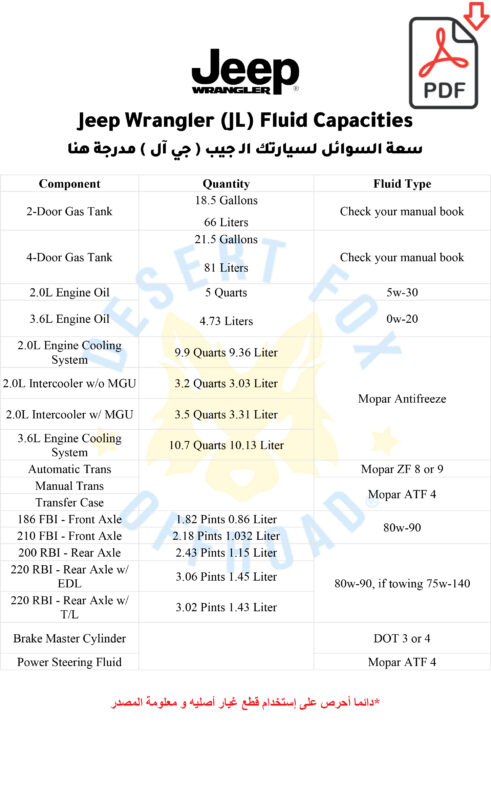
Every Jeep Wrangler with the 3.6L engine has a specific oil capacity. This number is set by the manufacturer after careful testing. For the 3.6L Pentastar V6, the standard oil capacity—including the oil filter—is 6 quarts (5.7 liters).
However, some factors can affect this number. For example, the oil will drain more completely if the engine is warm. If you change oil when the engine is cold, you might get a slightly different reading. Also, using an aftermarket oil filter can sometimes change the total oil needed by a small amount (though usually not more than a few ounces).
Here is a simple comparison of oil capacities for common Jeep Wrangler engines:
| Engine | Oil Capacity (With Filter) | Recommended Oil Type |
|---|---|---|
| 3.6L Pentastar V6 | 6.0 quarts (5.7 L) | SAE 5W-20 |
| 2.0L Turbo I4 | 5.0 quarts (4.7 L) | SAE 5W-30 |
| 3.0L EcoDiesel V6 | 9.0 quarts (8.5 L) | SAE 5W-40 |
As you can see, the 3.6L engine falls right in the middle in terms of oil needed. Using the wrong amount or type can cause the engine to run hotter, wear out faster, or trigger warning lights.
Credit: desertfoxoffroad.com
The Six Key Details Every Owner Must Know
The topic of Jeep Wrangler 3.6 oil capacity involves more than just a number. To truly master this part of Wrangler care, you need to understand six key details. Each one plays a role in making sure your Jeep runs as it should.
1. Exact Oil Capacity For Jeep Wrangler 3.6
The official oil capacity for the 3.6L Pentastar V6 engine in Jeep Wranglers is 6.0 quarts (5.7 liters), including the oil filter. This standard applies to most Wrangler models from 2012 onward, when the 3.6L became widely used. Always include the oil filter in your calculation, because changing just the oil and leaving the old filter in place means you’ll need slightly less—but this is not recommended.
Some owners notice small differences when they check the oil after an oil change. This usually comes from how long you let the old oil drain, whether the vehicle is level, and how closely you follow the steps. The safest method is always to add 5.
5 quarts first, check the dipstick, then top off slowly until you reach the full mark.
Non-obvious Insight:
Many people don’t realize that the dipstick reading can change depending on how soon you check it after filling. Oil takes time to settle in the pan. Wait 5–10 minutes after shutting off the engine before checking for the most accurate level.
2. Best Oil Type For Jeep Wrangler 3.6
It’s not just about how much oil, but also what kind. The recommended oil type for the 3.6L Wrangler is SAE 5W-20. This oil is designed to flow well in cold temperatures (for easy starts) and also protect the engine when it’s hot.
You might see synthetic and conventional options. The 3.6L Pentastar is engineered for synthetic oil, which offers better protection, longer life, and resists breakdown at high temperatures.
What About High-mileage Oil?
If your Wrangler has over 100,000 miles, you can consider high-mileage synthetic blends. These are designed to reduce leaks and protect older engines. However, always use the recommended viscosity (5W-20) unless your mechanic tells you otherwise.
Common Mistake:
Some owners buy thicker oil (like 10W-30) thinking it gives “extra protection. ” This is a myth. Thicker oil can cause poor lubrication at startup and may even void your warranty.
3. Oil Change Interval For Wrangler 3.6l
Changing the oil at the right time is as important as using the right amount. For most Jeep Wrangler 3.6L models, the recommended oil change interval is every 6,000 miles or 6 months, whichever comes first. However, if you drive in dusty areas, tow heavy loads, or do a lot of off-roading, you should change oil more often—about every 3,500 miles.
Some new Jeep models have an oil life monitor. This system checks your driving habits and tells you when it’s time to change oil. It’s helpful, but it’s not perfect. If you see the oil looking dirty or smell burning, don’t wait for the light—change the oil.
Practical Tip:
Always reset the oil life monitor after each oil change. Forgetting to do this is one of the top mistakes Wrangler owners make.
4. How To Change The Oil Yourself
Doing your own oil change saves money and lets you check your Jeep’s condition. Here’s a step-by-step guide tailored for the Wrangler 3.6L:
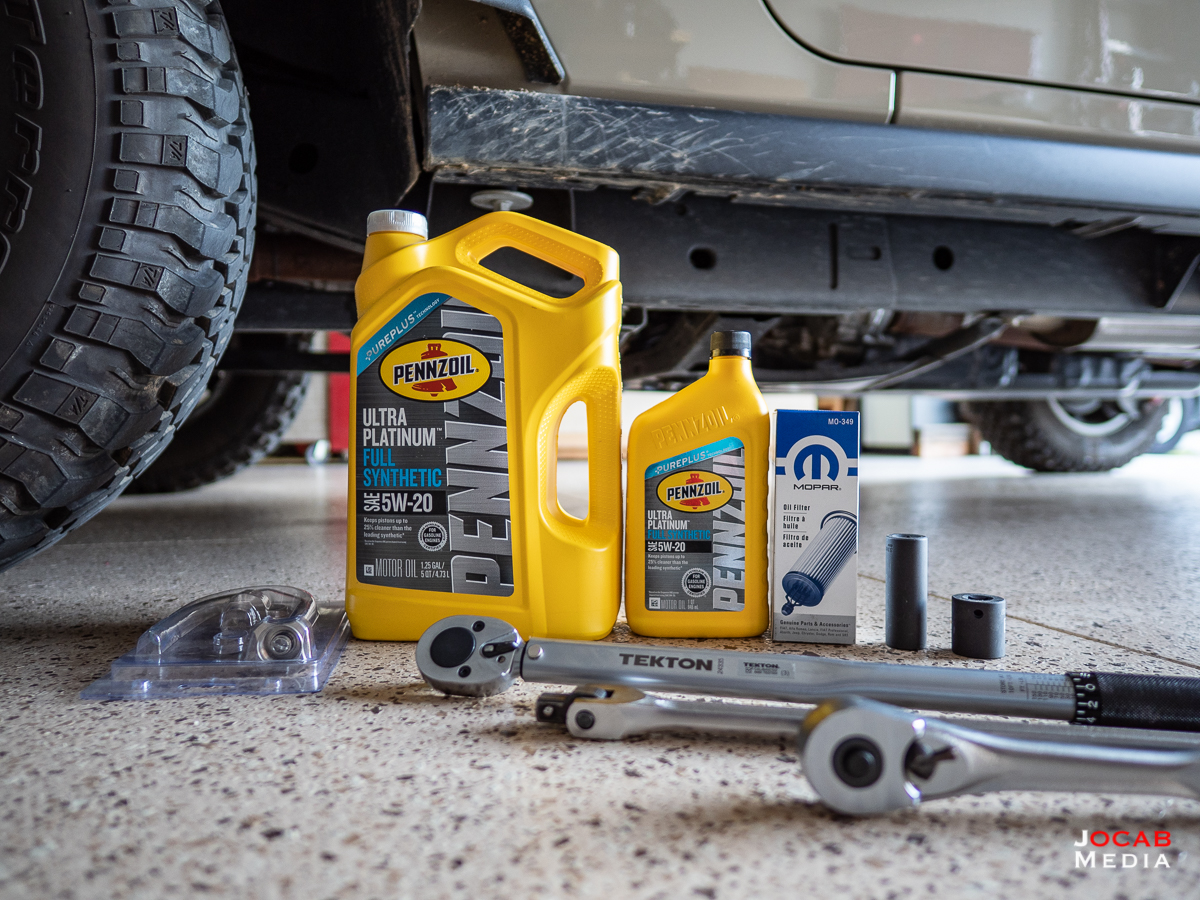
- Gather supplies: 6 quarts of 5W-20 synthetic oil, new oil filter, oil filter wrench, socket set, oil drain pan, funnel, gloves, and rags.
- Warm up the engine: Let it run for 5 minutes. Warm oil drains faster and more completely.
- Lift the vehicle (if needed): The Wrangler has good ground clearance, but a jack and stands make the job easier and safer.
- Remove the oil drain plug: Place the drain pan under the oil pan, unscrew the plug, and let oil drain for 5–10 minutes.
- Replace the oil filter: Use the wrench to loosen the filter. Rub a little new oil on the gasket of the new filter before installing.
- Reinstall the drain plug: Tighten to manufacturer specs (usually 20–25 ft-lbs).
- Add new oil: Pour in 5.5 quarts, wait a minute, then check the dipstick. Add more oil as needed to reach the full line (usually just under 6 quarts).
- Start the engine: Let it run for 30 seconds, then turn off and check for leaks.
- Check the oil level: After waiting 5 minutes, check the dipstick again. Add a little more if needed.
Non-obvious Tip:
Always check that the old oil filter gasket comes off with the filter. If it sticks to the engine, the new filter won’t seal right, causing leaks.
5. Common Oil-related Issues In Wrangler 3.6
Understanding typical oil-related problems can help you avoid bigger issues. Here are the most frequent oil problems in the 3.6L Pentastar:
- Oil leaks: These often come from the oil cooler, oil filter housing, or worn gaskets. The 3.6L is known for leaks from the oil filter housing, especially on older models.
- Oil consumption: Some Wranglers burn oil faster than expected, especially after 60,000 miles. Check oil regularly, even between changes.
- Low oil pressure warning: If you see this light, stop the engine and check oil level immediately. Driving with low pressure can destroy the engine.
- Wrong oil type: Using thicker or thinner oil than recommended can cause ticking noises, poor gas mileage, or even engine codes.
Example:
A 2014 Wrangler owner noticed blue smoke from the exhaust at startup. It turned out the oil filter housing was cracked, causing oil to leak onto the exhaust manifold—a common issue on earlier 3. 6L models.
6. Cost And Value: Dealer Vs. Diy Oil Changes
Many Jeep owners wonder whether it’s better to change oil themselves or visit the dealer. Here’s a quick comparison:
| Method | Average Cost | Pros | Cons |
|---|---|---|---|
| Dealer Service | $90–$120 | Factory parts, warranty, quick | More expensive, less control |
| Independent Shop | $60–$90 | Cheaper, flexible scheduling | Quality varies, sometimes non-OEM parts |
| DIY | $40–$60 | Save money, learn about your Jeep | Takes time, must dispose of oil properly |
Non-obvious Insight:
Some dealerships offer free oil changes if you buy your Wrangler new. Always check your paperwork before paying for service you might already have.
Oil Capacity Differences By Model Year
The 3.6L Pentastar V6 has been in the Jeep Wrangler since 2012, but owners sometimes get confused by small changes over the years. The oil capacity has stayed the same—6 quarts—but there are slight differences in oil filter design and sometimes in the oil pan shape.
2012–2018 (jk Series):
- The oil filter is mounted on top of the engine, making it easy to reach.
- Oil capacity: 6 quarts (with filter)
- The oil filter housing is known for leaks on these years.
2018–present (jl Series):
- The engine is updated for better fuel economy and lower emissions.
- Oil capacity: 6 quarts (with filter)
- The oil filter and drain plug may look different, but the process is similar.
Practical Example:
If you buy an aftermarket oil pan or high-capacity filter, always check the manufacturer’s specs. In most cases, the total oil needed may increase by 0. 1–0. 2 quarts.
Tips For Accurate Oil Changes
Even experienced mechanics can make small mistakes during oil changes. Here are some expert tips for getting it right every time:
- Use a funnel: Pouring oil without a funnel often leads to spills, which can attract dirt.
- Always check the level twice: After the first fill and again after running the engine for 30 seconds.
- Replace the washer on the drain plug: A worn washer is a common cause of leaks.
- Keep a log: Write down the date, mileage, and oil brand you used. This helps with future service.
- Don’t over-tighten the filter: Hand-tight is usually enough. Too tight, and you may damage the housing.
Non-obvious Tip:
If you spill oil on the engine during the fill, clean it up right away. Burning oil smells are common after an oil change, but they can mask real leaks.
What Happens If You Overfill Or Underfill The Oil?
Many owners worry about getting the level exactly right. Here’s what you need to know:
- Overfilling by more than 0.5 quarts can cause the crankshaft to whip air into the oil, creating foam that doesn’t lubricate well. This can lead to engine noise, leaks, and even damage.
- Underfilling by 0.5 quarts or more means some engine parts may not get enough oil, especially during hard driving or off-roading. Heat and friction increase, shortening engine life.
If you accidentally add too much oil, it’s best to drain a little out. If you’re not sure, check the dipstick after a short drive and adjust as needed.
Environmental Responsibility: Oil Disposal
Used oil is toxic to the environment. Never dump it in the trash, on the ground, or down a drain. Most auto parts stores and service centers will take used oil for free. Some cities even offer curbside pickup for oil recycling.
Practical Tip:
Pour used oil into the empty bottles from your new oil. This makes transport safe and easy.
Genuine Vs. Aftermarket Oil Filters
The oil filter is as important as the oil itself. Here’s a quick comparison:
| Filter Type | Cost | Performance | Warranty Impact |
|---|---|---|---|
| Genuine Mopar | $8–$15 | Excellent, made for 3.6L | No risk |
| High-Quality Aftermarket | $5–$12 | Good, but varies by brand | Usually safe |
| Cheap Aftermarket | $2–$5 | Poor, can fail early | May affect warranty |
Insight:
A good filter keeps your oil clean longer. Saving $3 on a cheap filter can cost thousands if it fails and your engine is damaged.
How Oil Capacity Affects Off-roading
The Jeep Wrangler is famous for off-road adventures, but hard driving puts extra stress on your oil. Climbing hills, crossing water, or driving in deep mud can cause the engine to work harder and get hotter. Oil breaks down faster, and the risk of low oil increases if you don’t check often.
Off-roading Tips:
- Always check oil before and after a big trip.
- Carry a quart of extra oil, just in case.
- If you drive through deep water, check for water in the oil (milky color on dipstick).
Credit: www.ocabj.net
Frequently Asked Questions
What Is The Oil Capacity For The Jeep Wrangler 3.6l Engine?
The Jeep Wrangler 3.6L Pentastar engine takes 6.0 quarts (5.7 liters) of oil, including the filter. It’s important to always check the dipstick after filling, as small differences in draining or filter size can affect the total amount needed.
Can I Use 5w-30 Oil Instead Of 5w-20 In My Wrangler 3.6l?
No, you should always use 5W-20 as recommended. Using thicker oil like 5W-30 can reduce fuel economy and may not protect the engine as well during cold starts. Always follow the owner’s manual for the best results.
How Often Should I Change The Oil In My Jeep Wrangler 3.6l?
The standard interval is every 6,000 miles or 6 months. If you drive off-road, tow, or drive in dusty conditions, change oil more often—every 3,500 miles is safest.
What Happens If I Overfill The Oil In My Wrangler 3.6?
Too much oil can cause foaming, leaks, and engine damage. If you add too much, drain the excess as soon as possible. Always check the dipstick after running the engine briefly.
Where Can I Find More Details About Jeep Wrangler Maintenance?
For official information and more maintenance tips, check the Jeep maintenance schedule.
Keeping your Jeep Wrangler 3.6L running strong starts with knowing and respecting its oil needs. By following the right oil capacity, choosing the best oil, and paying attention to small details, you’ll keep your engine happy for years to come. Whether you’re doing the work yourself or using a trusted shop, remember: good oil habits lead to great adventures.