
When it comes to power saws for woodworking or DIY projects, two names often come up: the jigsaw and the circular saw. If you are new to using power tools, choosing between them can feel confusing. Both have strong points, but their uses, strengths, and even their weaknesses are different. Understanding which saw fits your needs best can save you time, money, and a lot of frustration. In this detailed guide, you’ll learn exactly how a jigsaw compares to a circular saw, when to use each one, and what to expect as a beginner or hobbyist. Let’s cut through the confusion and find the right tool for your next project.
What Is A Jigsaw?
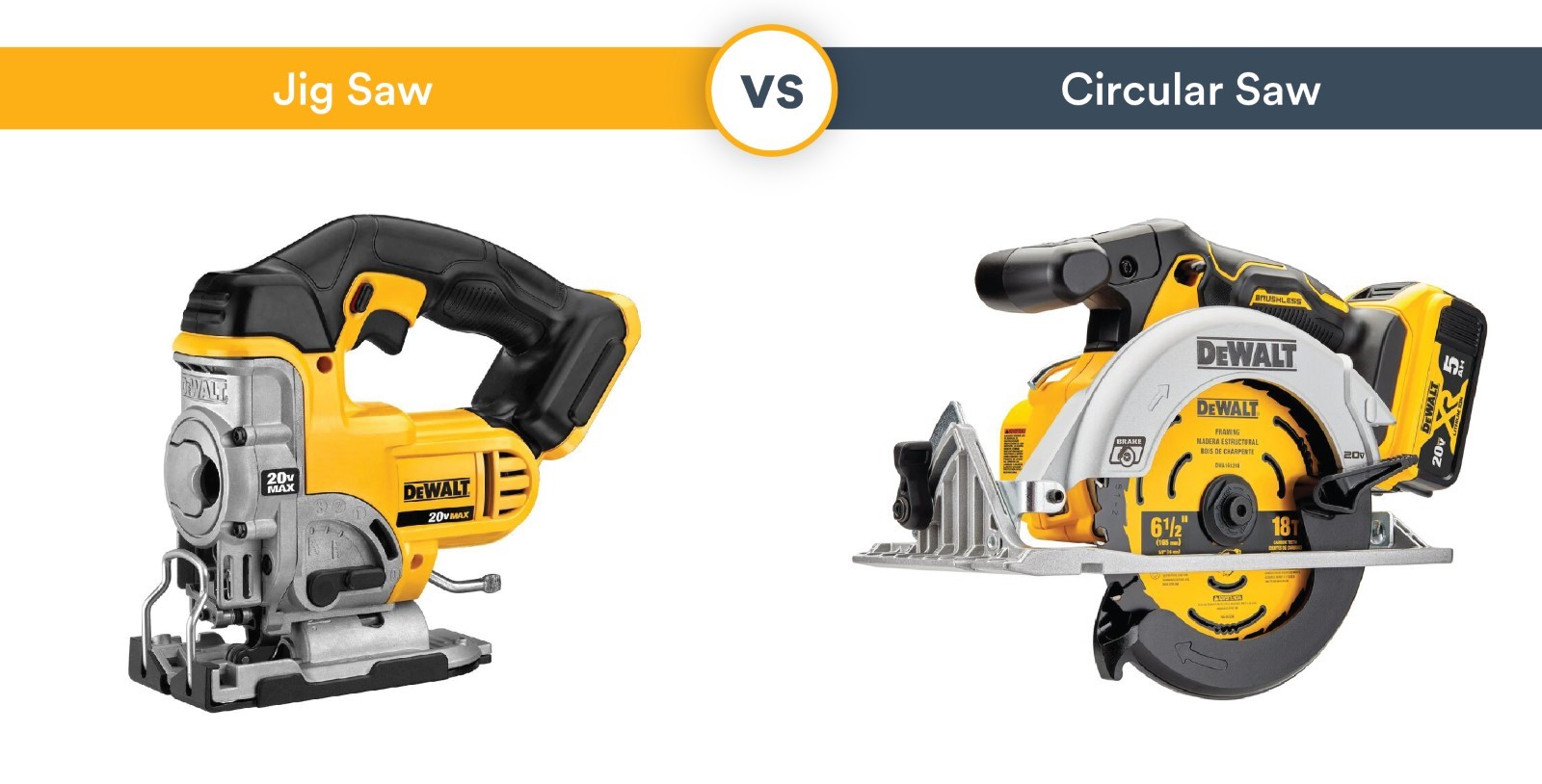
A jigsaw is a handheld power saw with a small, straight blade that moves up and down rapidly. This movement is called a reciprocating motion. Jigsaws are designed for making curved or intricate cuts in wood, metal, plastic, and even ceramic tiles. The blade is thin and narrow, allowing it to change direction easily while cutting.
Jigsaws are lightweight and easy to handle, even for people with little experience. They are often the first power saw many people buy for home projects. Most models have adjustable speed and angle settings, making them versatile for different tasks.
Typical uses for a jigsaw include:
- Cutting curves or circles in wood or plastic
- Making detailed shapes for crafts or furniture
- Cutting out sink openings in countertops
- Trimming laminate flooring
- Cutting thin metal sheets (with the right blade)
Because of the blade’s up-and-down action, jigsaws are not the best for making very straight, long cuts. The blade can bend or wander, especially if you push too fast or use the wrong type of blade. Still, for flexibility and safety, a jigsaw is hard to beat.
What Is A Circular Saw?
A circular saw is a power tool with a round, spinning blade. Instead of moving up and down, the circular saw blade spins at high speed, making fast and straight cuts through wood, plastic, and some metals. The saw is usually held with two hands, and you push it forward along the material.
Circular saws are famous for making straight, long cuts (called “rip cuts” or “crosscuts”) quickly. They are often used in construction and carpentry for cutting large boards, plywood, and framing lumber.
Common uses for a circular saw:
- Cutting plywood sheets
- Shortening doors or fence panels
- Cutting long boards to length
- Making straight cuts in timber or laminate
- Cutting roofing materials
Circular saws are more powerful and can cut through thicker, tougher materials. However, they require more skill and safety awareness. The fast-spinning blade can kick back if used incorrectly, and the tool is heavier than a jigsaw.
Core Differences: Jigsaw Vs Circular Saw
Choosing between a jigsaw and a circular saw comes down to understanding their core differences. Here’s a comparison to make things clear:
| Feature | Jigsaw | Circular Saw |
|---|---|---|
| Main Cutting Motion | Up-and-down (reciprocating) | Rotating (circular) |
| Best For | Curves, shapes, detail cuts | Straight, long cuts |
| Material Thickness | Thin to medium | Medium to thick |
| Ease of Use | Beginner-friendly | Needs practice |
| Portability | Very portable | Portable, but heavier |
| Blade Type | Thin, straight, replaceable | Large, round disc |
| Noise & Vibration | Lower | Higher |
This table highlights how each tool is built for a different job. The jigsaw is your go-to for curves and light work, while the circular saw is best when you need to cut straight and fast.
When To Use A Jigsaw
A jigsaw is the best choice when you need to cut shapes, patterns, or curves. It can also handle straight cuts, but only for thin materials and when high accuracy is not required. Here are some perfect situations for a jigsaw:
- Cutting Shapes in Wood: Making puzzle pieces, artistic designs, or furniture with special edges.
- Trimming Laminate Flooring: You can follow the edge of a wall or go around corners easily.
- Cutting Metal Sheets: With a metal-cutting blade, a jigsaw can handle thin aluminum or steel.
- Making Holes for Pipes or Sinks: Start with a drilled hole, then guide the jigsaw blade to cut out the shape.
- DIY Projects for Kids or Beginners: Because jigsaws are safer and easy to control, they are good for teaching tool basics.
A non-obvious insight: Many beginners do not realize that using the right blade is crucial with a jigsaw. For example, a wood blade will burn or break if you try to cut metal. Always match the blade to the material.
Another tip: Let the saw do the work. Pushing too hard bends the blade, making your cuts less accurate.
When To Use A Circular Saw
A circular saw shines when you want straight, long cuts in thick or tough materials. This tool is common on building sites but is also useful for home projects like making shelves or building a deck.
Here are situations where a circular saw is ideal:
- Cutting Large Boards: Need to cut a plywood sheet in half? The circular saw is perfect.
- Framing and Carpentry: Making straight cuts in 2x4s or other framing lumber.
- Home Renovation Projects: Cutting doors to size, trimming fence panels, or resizing kitchen countertops.
- Quick, Repetitive Cuts: If you need many straight pieces of the same size, a circular saw saves time.
- Outdoor Projects: Building raised garden beds, decks, or sheds.
One thing many new users miss: Circular saws need a straight guide (like a clamp or rail) to make truly straight cuts. Freehand cutting often leads to wavy lines, even for experienced users.
Also, always set the blade depth to just slightly more than the thickness of your material. This reduces the risk of kickback and makes the cut safer.
Strengths Of A Jigsaw
- Versatile Cutting: Can cut curves, circles, notches, and straight lines.
- Safe for Beginners: Lower risk of serious injury compared to larger saws.
- Easy to Control: Light weight and compact design allow for one-handed use.
- Good for Small Spaces: Fits in tight areas where bigger saws can’t reach.
- Quick Blade Changes: Most jigsaws let you swap blades without tools.
- Cutting at Angles: Many models tilt the base (bevel) for angled cuts.
A hidden benefit: Jigsaws produce less dust than circular saws, which means less mess and easier cleanup, especially indoors.
Weaknesses Of A Jigsaw
- Not Ideal for Thick Wood: Struggles to cut thick boards or hardwoods.
- Wandering Blades: Blades can bend or drift, making straight cuts difficult.
- Slower Cutting Speed: Takes longer to cut compared to a circular saw.
- Rougher Edges: Cuts may need sanding or finishing.
- Limited Depth: Usually can cut materials up to about 2 inches (5 cm) thick.
If you try to use a jigsaw for jobs meant for a circular saw, you will quickly notice the tool’s limits.
Strengths Of A Circular Saw
- Fast, Straight Cuts: Slices through wood quickly and accurately.
- Handles Thick Materials: Can cut through thick lumber and tough boards.
- Adjustable Depth and Angle: Control how deep and at what angle you cut.
- Great for Large Projects: Efficient for building furniture, decks, or framing.
- Wide Range of Blades: Specialized blades for wood, metal, plastic, and masonry.
A lesser-known advantage: Circular saws can be mounted on a guide rail for super-accurate, repeatable cuts, almost like a table saw.
Weaknesses Of A Circular Saw
- Heavy and Bulky: More tiring to use for long periods.
- Higher Injury Risk: Fast-spinning blade can cause serious accidents.
- Hard to Cut Curves: Designed only for straight lines.
- Needs More Skill: Not as forgiving for beginners.
- Louder and Dustier: Generates more noise and sawdust.
Trying to use a circular saw for detailed or curved work usually ends in frustration and wasted material.
Real-world Examples: Which Saw For Which Job?
Let’s look at some practical examples to see which saw is the right pick.
Building A Bookshelf
You need to make long, straight cuts in plywood and cut small holes for cables. Use a circular saw for the big straight cuts and a jigsaw for the holes or any curved details.
Installing Laminate Flooring
Cutting boards to fit around corners or pipes? The jigsaw is best. For cutting boards to length, a circular saw with a guide gives a clean, straight edge.
Making Wooden Signs
Creating detailed letters or shapes is easy with a jigsaw. A circular saw cannot handle the curves needed for this job.
Cutting A Door To Size
A circular saw makes quick, straight cuts. Use painter’s tape along the cut line to prevent splintering. For rounded corners or notches, finish with a jigsaw.
Home Repairs
Fixing a broken fence or trimming wall panels often needs both tools. Use a circular saw for straight cuts and a jigsaw for cutting around obstacles.
Safety Considerations
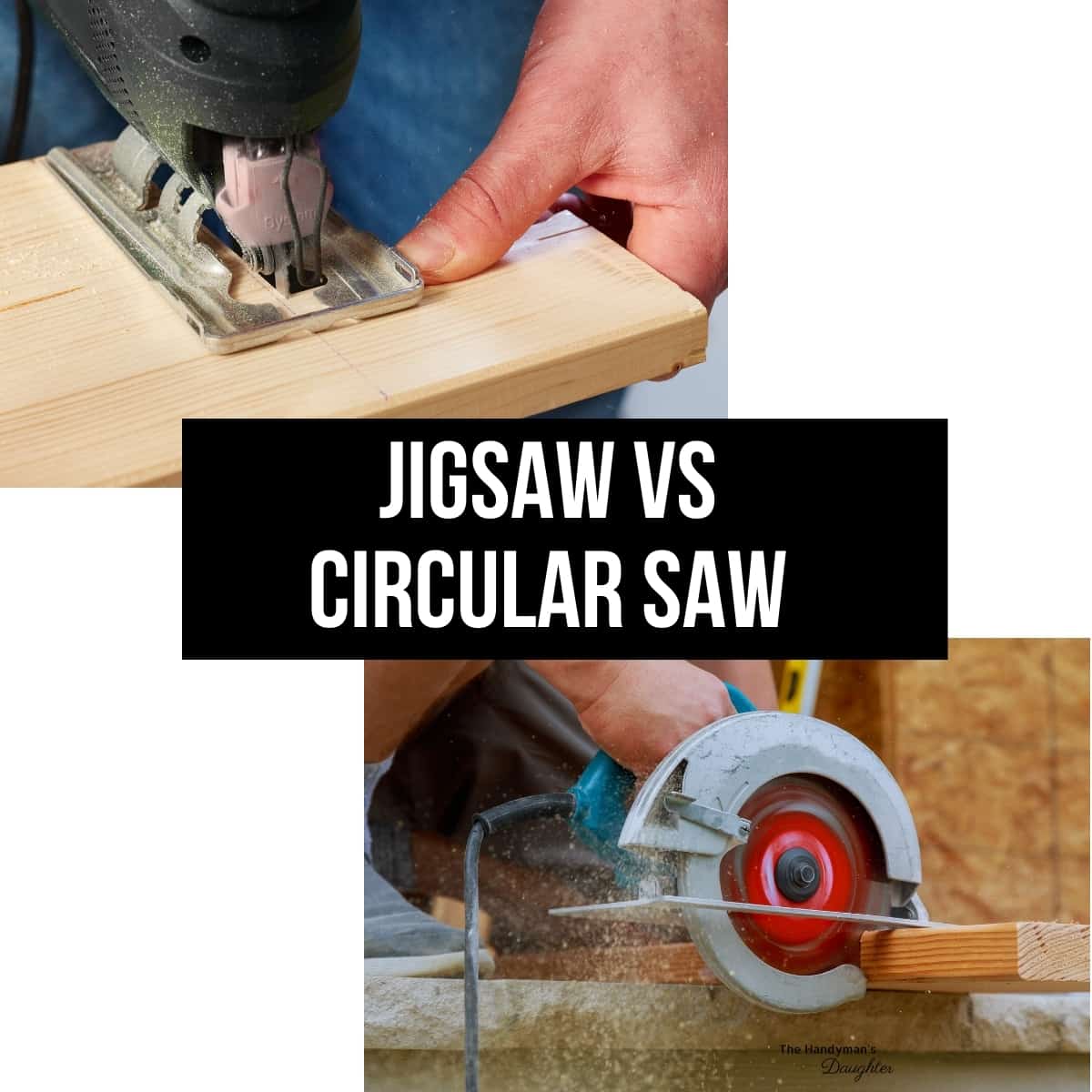
Both tools can be safe if used correctly. However, they have different risks.
Jigsaw Safety Tips
- Always unplug before changing blades.
- Use the right blade for the material.
- Keep fingers away from the moving blade.
- Wear safety glasses; chips can fly up.
- Secure your workpiece to prevent slipping.
- Start the saw before touching the material.
Circular Saw Safety Tips
- Set blade depth just past the material’s thickness.
- Always use two hands.
- Never remove the blade guard.
- Let the blade stop fully before putting the saw down.
- Stand to the side, not behind the saw.
- Check for nails or screws in wood before cutting.
A non-obvious tip: Many accidents happen when putting the saw down while the blade is still spinning. Wait for it to stop completely.
Cost Comparison
The price of both tools depends on brand, power, and features. Here’s a general comparison:
| Type | Entry-Level Price | Mid-Range Price | Pro-Grade Price |
|---|---|---|---|
| Jigsaw | $30-$50 | $60-$120 | $150-$250 |
| Circular Saw | $40-$70 | $80-$180 | $200-$400 |
Blades are extra and cost $5-$20 each. Jigsaws use cheaper, smaller blades, while circular saw blades cost more but last longer.
Another factor: Cordless models are more expensive but offer great freedom for outdoor or large projects.
Choosing The Right Tool For Your Needs
Here’s how to decide which saw to buy first, based on your projects and skill level:
- Are you a beginner or doing craft projects? Start with a jigsaw. It’s safer, cheaper, and more forgiving.
- Need to build furniture, decks, or cut a lot of wood? Go for a circular saw. It’s faster and more powerful.
- Plan to cut curves, patterns, or small holes? Jigsaw wins here.
- Mostly making long, straight cuts in thick wood? Circular saw is the right choice.
- Limited budget or space? Jigsaws are smaller, quieter, and cost less.
If you often switch between detailed and large projects, owning both tools makes sense.
Features To Look For
Before buying, check these features for better performance and safety.
Jigsaw Features
- Orbital Action: Makes faster, rougher cuts by moving the blade in a slight circle.
- Variable Speed: Lets you slow down for metal or delicate work.
- Tool-Free Blade Change: Faster and safer blade swaps.
- Adjustable Base Plate: For making bevel (angled) cuts.
- Dust Blower or Extraction Port: Keeps the cutting line clear.
Circular Saw Features
- Blade Size: Common sizes are 6-1/2″ and 7-1/4″. Bigger blades cut thicker material.
- Bevel Adjustment: Allows angled cuts for frames or joints.
- Electric Brake: Stops the blade quickly for safety.
- Laser Guide or LED Light: Helps follow cut lines.
- Dust Port: Connect to a vacuum for cleaner work.
Small details like rubber grips or a good carrying case can also make a difference in comfort and use.

Common Mistakes Beginners Make
Avoid these errors when using either tool:
- Using the wrong blade: Always match blade type to your material.
- Cutting too fast: Let the saw do the work. Forcing the cut leads to mistakes.
- Not securing the workpiece: This leads to bad cuts and safety risks.
- Ignoring blade depth: With circular saws, set the blade just deep enough to cut through.
- Not wearing safety gear: Always use glasses and hearing protection.
- Not checking for obstacles: Nails, screws, or knots can ruin blades and cause accidents.
A non-obvious point: Clean your tools after each use. Dust buildup can make them less accurate and shorten their life.
Maintenance And Longevity
Both saws need care to last.
Jigsaw Care
- Wipe down after each use.
- Check the blade clamp for wear.
- Oil moving parts as recommended.
- Replace dull blades immediately.
Circular Saw Care
- Clean the blade and housing regularly.
- Check the base plate for flatness.
- Lubricate moving parts.
- Store in a dry place to avoid rust.
A well-maintained saw is safer and gives cleaner results.
Environmental Impact
Power tools use energy and create waste. Here’s how to reduce your footprint:
- Choose tools with energy-saving motors.
- Use rechargeable batteries for cordless models.
- Recycle old blades and batteries at proper centers.
- Buy quality tools that last longer, reducing waste.
- Cut only what you need to avoid extra scrap.
Some brands now use recycled plastic in tool bodies and offer blade recycling programs.
Future Trends: Innovations In Saws
The world of saws is changing. New features make both jigsaws and circular saws safer, smarter, and more efficient.
- Brushless motors: These last longer and use less energy.
- Bluetooth connectivity: Some high-end saws connect to apps for tracking or setting adjustments.
- Integrated dust collection: Cleaner work environments, better for health.
- Improved battery life: Cordless saws are now as powerful as corded for most jobs.
- Smart safety sensors: Detect jams or kickbacks and stop the blade fast.
For up-to-date information on saw technology, check trusted sources such as Wikipedia.
Frequently Asked Questions
What Is The Main Difference Between A Jigsaw And A Circular Saw?
The biggest difference is the cutting motion. Jigsaws move a thin blade up and down, making them great for curves and shapes. Circular saws use a spinning round blade, perfect for long, straight cuts.
Which Saw Is Safer For Beginners?
A jigsaw is generally safer for beginners. It is lighter, easier to control, and less likely to cause serious injury if used correctly.
Can I Use A Jigsaw To Cut Metal?
Yes, but you need the right blade. Use a fine-toothed metal-cutting blade and go slowly. Jigsaws work best on thin metal sheets, not thick steel.
Is A Circular Saw Good For Small Craft Projects?
Usually not. Circular saws are designed for large, straight cuts and are less precise for small, detailed work. A jigsaw or handsaw is better for crafts.
Do I Need Both A Jigsaw And A Circular Saw?
If you do a variety of projects, having both gives you the most flexibility. For only straight cuts, a circular saw is enough. For curves and details, a jigsaw is the better choice.
Both jigsaws and circular saws have their place in a well-equipped workshop. Knowing their strengths—and their limits—helps you work faster, safer, and with better results. By matching the right tool to the job, you’ll save time, avoid frustration, and create projects you can be proud of.
Whether you are just starting or ready to upgrade, choose wisely and always work safely.