
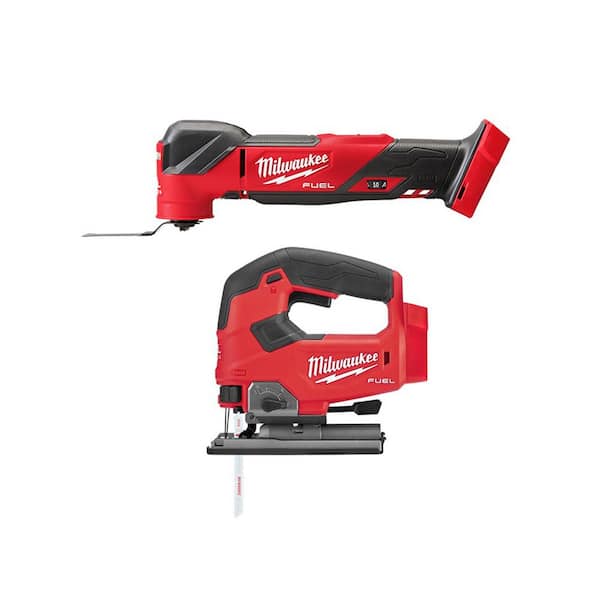
When you walk into a hardware store or browse online for power tools, the choices can feel overwhelming. Two tools that often catch the eye of both beginners and experienced DIYers are the jigsaw and the oscillating tool. They might look similar at first glance. Both are handheld, both cut, and both can be used for a wide range of projects. But under the surface, they are quite different—and each has unique strengths and weaknesses. Knowing when to use a jigsaw or an oscillating tool can save you time, money, and frustration. In this in-depth guide, you’ll discover what sets these tools apart, where each shines, common beginner mistakes, and how to choose the right tool for your needs.
What Is A Jigsaw?
A jigsaw is a handheld power tool designed for making curved, straight, or intricate cuts in wood, metal, plastic, or ceramic. The standout feature is its reciprocating blade that moves up and down rapidly. This motion allows the jigsaw to cut through materials with precision and control. Most jigsaws have a flat base (called a shoe) that rests on the work surface and helps guide the tool along your intended path.
Jigsaws are best known for their ability to cut curves and shapes that would be difficult or impossible with other saws. For example, if you want to cut a circle out of a sheet of plywood or make a jigsaw puzzle (where the tool gets its name), this is the tool you need.
Key Features Of Jigsaws
- Reciprocating blade (moves up and down)
- Variable speed settings for control
- Bevel adjustment for cutting angles (usually up to 45 degrees)
- Quick blade change mechanism on most modern models
- Dust blower or extraction port on advanced versions
Typical Jigsaw Uses
- Cutting intricate shapes in wood, plastic, or metal
- Making curved or circular cuts
- Cutting out sink openings in countertops
- Trimming laminate flooring to fit around corners
- Craft projects requiring custom shapes
A jigsaw is often the first power saw many people buy because it’s versatile, relatively safe, and affordable.
What Is An Oscillating Tool?
An oscillating tool, also known as a multi-tool, is a compact, handheld device that uses rapid side-to-side (oscillating) motion to move various attachments. Instead of a blade that goes up and down, the oscillating tool vibrates its accessory back and forth at a very small angle—usually 3 to 5 degrees, but at very high speeds (often over 20,000 oscillations per minute).
What makes the oscillating tool unique is its ability to accept many different attachments: straight blades, scrapers, sanding pads, grout removers, and more. This means the tool can handle a wide range of jobs, from cutting and sanding to scraping and grinding.
Key Features Of Oscillating Tools
- Interchangeable accessories for cutting, sanding, scraping, and grinding
- Variable speed control
- Compact size for working in tight spaces
- Quick-change accessory system (on most newer models)
- Corded or cordless options
Typical Oscillating Tool Uses
- Cutting pipes, nails, or trim in tight spots
- Undercutting door jambs for flooring
- Scraping old paint, glue, or caulk
- Sanding small or hard-to-reach areas
- Removing grout or mortar
Oscillating tools have become popular because they are extremely versatile. Many professionals call them “job savers” for their ability to handle tasks that would otherwise need special tools.
Jigsaw Vs Oscillating Tool: Core Differences
While both tools can cut, their design, movement, and ideal applications are very different. Understanding these differences will help you choose the right tool for your next project.
Cutting Action
The jigsaw’s blade moves up and down (reciprocates), while the oscillating tool’s accessory moves side to side (oscillates) in a very small arc.
- Jigsaw: Best for longer, continuous cuts—especially curves.
- Oscillating Tool: Best for plunge cuts, small cutouts, and detail work.
Material Versatility
Both tools can cut wood, metal, and plastic, but their effectiveness depends on the task.
- Jigsaw: Excels at cutting sheets or boards. Can handle thicker materials with the right blade.
- Oscillating Tool: Handles trim work, flush cuts, and difficult angles. Not ideal for long straight cuts in thick material.
Precision And Control
- Jigsaw: Good for controlled curves and shapes. Shoe keeps cuts straight if guided well.
- Oscillating Tool: Excellent for small, precise cuts in hard-to-reach areas. Less effective for cutting long lines.
Attachments And Accessories
The jigsaw mainly uses different blades for various materials. The oscillating tool uses a wide range of attachments for cutting, sanding, scraping, and more.
Size And Portability
- Jigsaws are usually larger and require more space for blade movement.
- Oscillating tools are more compact and easier to use in tight spaces.
Typical Projects: Which Tool Works Best?
Let’s look at some common DIY or renovation tasks and see which tool is best suited for each.
Cutting Curves In Plywood
A jigsaw is the clear winner. Its slim blade can turn smoothly, letting you cut arcs, circles, and custom shapes with ease. An oscillating tool would be slow, rough, and not precise.
Trimming Door Casings For New Flooring
An oscillating tool shines here. Its small, straight blade can make a flush cut right at floor level, even in tight corners. It’s much easier and safer than trying to use a jigsaw horizontally.
Cutting Out Sink Openings In Countertops
A jigsaw is ideal for this job. Drill a starter hole, insert the jigsaw blade, and follow your template to create smooth, rounded corners. The oscillating tool could do the job, but it would be slow and not as smooth.
Removing Grout Between Tiles
An oscillating tool with a carbide or diamond grout removal blade works perfectly. A jigsaw can’t do this task at all.
Flush Cutting Nails Or Pipes
Oscillating tools are often used by plumbers and carpenters to cut through protruding nails, screws, or pipes right up against a surface. A jigsaw simply can’t do this.
Making Long, Straight Cuts In Sheet Material
A jigsaw (with a guide) is much faster and straighter. Oscillating tools are too slow for long cuts and tend to wander.
In-depth Comparison: Performance, Cost, And User Experience
To help you see the real-world differences, here is a side-by-side comparison of the main factors that matter when choosing between a jigsaw and an oscillating tool.
| Feature | Jigsaw | Oscillating Tool |
|---|---|---|
| Typical Price Range | $40 – $200 | $60 – $250 |
| Best For | Curved & straight cuts in sheet material | Flush cuts, detail work, sanding, scraping |
| Average Blade/Accessory Cost | $5 – $15 per blade | $10 – $30 per accessory |
| Noise Level (dB) | 85-95 dB | 80-90 dB |
| Learning Curve | Moderate | Easy |
| Power Source | Corded or cordless | Corded or cordless |
Key insight: While the price ranges and power options are similar, the cost of accessories for oscillating tools is often higher, especially if you need many attachments.
Choosing The Right Tool For Your Needs
Selecting between a jigsaw and an oscillating tool depends mainly on your project type, budget, and how often you tackle DIY tasks.
When To Choose A Jigsaw
Go for a jigsaw if:
- You need to make curved or intricate cuts in sheet goods like plywood, plastic, or thin metal.
- You often cut out shapes (for example, installing sinks, vents, or creative woodworking).
- You’re working on crafts, art projects, or custom furniture.
Tip: Invest in a jigsaw with variable speed and orbital action for smoother cuts and better control.
When To Choose An Oscillating Tool
Choose an oscillating tool if:
- You need to make flush cuts (cutting wood, nails, or pipes right up to a surface).
- You work in tight spaces or need to reach awkward angles.
- You want a multi-purpose tool for cutting, sanding, scraping, and more.
- You do a lot of repair and renovation work (flooring, tile, trim, etc. ).
Tip: Buy a model with a universal accessory system, so you’re not limited to one brand’s blades and attachments.
Do You Need Both?
Many professionals and serious DIYers end up owning both. While there is some overlap, each tool has clear strengths. If you do a lot of home improvement or woodworking, you’ll quickly see how each saves time and effort in different scenarios.
Jigsaw And Oscillating Tool: Strengths And Weaknesses
Understanding where each tool excels—and where it falls short—will help you avoid common mistakes.
Jigsaw Strengths
- Curved cutting ability: Handles shapes, circles, and non-linear cuts with ease.
- Straight cuts with guide: Can be used for straight lines if paired with a fence or guide.
- Deep cuts: Can cut thick material (with proper blade).
- Affordable blades: Replacement blades are widely available and inexpensive.
Jigsaw Weaknesses
- Not for flush cuts: Cannot cut right up to a surface or into tight corners.
- Vibration: Can be harder to control, especially on thin materials.
- Rough edges: Can splinter wood if not used properly (use tape or special blades to prevent).
Oscillating Tool Strengths
- Versatile: Cuts, sands, scrapes, grinds—all in one tool.
- Flush and plunge cuts: Reaches places other tools can’t.
- Detail work: Excellent for small repairs and finishing touches.
- Compact: Fits into tight spaces and awkward angles.
Oscillating Tool Weaknesses
- Not for long cuts: Slow and difficult for making long straight or curved cuts.
- Accessory cost: Attachments can be expensive, especially if you need many types.
- Overheating: Can get hot during prolonged use.
Non-obvious insight: Many beginners don’t realize that a jigsaw can cut metal if you use a fine-tooth blade. Similarly, oscillating tools can sand and grind—functions that jigsaws simply cannot do.
Practical Examples: Real-life Scenarios
To see the differences in action, let’s look at three real project examples.
Scenario 1: Installing Laminate Flooring
You need to trim door jambs so that the new floor fits underneath. The oscillating tool is perfect here. Its flush-cutting blade makes it easy to cut just the jamb, right up to the wall, without damaging anything else. A jigsaw would be awkward and might damage the surrounding area.
Scenario 2: Making A Bookshelf With Curved Sides
You want to add a decorative curve to the side panels. The jigsaw makes this simple. Draw the curve, drill a starter hole if needed, and follow the line with the jigsaw. An oscillating tool could technically do this, but it would be slow and the result would be rough.
Scenario 3: Repairing A Broken Tile
You need to remove grout and cut out a damaged tile without disturbing the others. The oscillating tool (with a grout-removal blade) lets you work right up to the edge of the tile. A jigsaw is not suitable.
Common Mistakes Beginners Make
- Choosing the wrong tool for the job: Many people try to use a jigsaw for flush cuts or an oscillating tool for long straight lines—leading to poor results.
- Using the wrong blade or accessory: Each material needs a specific blade. For example, a wood blade on metal will dull quickly and can be dangerous.
- Forgetting to secure the workpiece: Especially with jigsaws, the material should be clamped down to prevent vibration and rough cuts.
- Not wearing safety gear: Both tools can create dust and debris. Always wear eye protection and, when necessary, a mask and ear protection.
- Rushing the cut: Let the tool do the work. Forcing the tool can lead to broken blades, rough edges, or even injury.
Non-obvious tip: When cutting laminate or plywood with a jigsaw, apply masking tape over the cut line to reduce splintering. For oscillating tools, let the blade reach full speed before making contact for a cleaner cut.
Maintenance And Blade/accessory Care
Proper care extends the life of your tools and improves safety.
Jigsaw Maintenance
- Clean after use: Remove dust and debris, especially from the blade holder.
- Change blades when dull: Dull blades make rough cuts and can overheat.
- Lubricate moving parts: Check your manual for guidance.
Oscillating Tool Maintenance
- Remove and clean accessories after each use.
- Check for overheating: Let the tool cool down during long jobs.
- Inspect accessories: Damaged blades or pads can cause poor results or injury.
Practical tip: Buy a small brush and a can of compressed air to clean tight spaces in your tools.
Safety Tips For Jigsaws And Oscillating Tools
Both tools are generally safe, but accidents can happen if you’re not careful.
- Always unplug or remove the battery before changing blades or accessories.
- Keep hands clear of the cutting area.
- Use clamps to secure your workpiece.
- Wear eye and ear protection.
- Do not force the tool—let the blade or accessory do the work.
Cost And Value: What Should You Expect?
Entry-level jigsaws can be found for under $50, but spending $80–$120 gets you a tool with better features like variable speed and orbital action. Oscillating tools start around $60 for basic models, but higher-end versions (especially cordless kits with batteries and multiple attachments) can cost $150–$250.
Biggest hidden cost: Accessories. Oscillating tool blades and pads are more expensive and wear out faster if used heavily. Budget accordingly if you plan to use your multi-tool for a lot of cutting or sanding.
Jigsaw Vs Oscillating Tool: User Experience
Here’s a look at user comfort and long-term experience.
| Factor | Jigsaw | Oscillating Tool |
|---|---|---|
| Fatigue (after 30 mins use) | Moderate (needs two hands) | Low to moderate (often one-handed) |
| Dust Control | Better (most have dust blowers) | Varies (few have dust collection) |
| Noise | Medium-high | Medium |
| Learning Ease | Medium | Easy |
Pro tip: If you have limited hand strength or need to work overhead, the lighter oscillating tool may be more comfortable for short jobs.
Environmental Impact And Longevity
Both tools are available in corded and cordless versions. Cordless tools use rechargeable lithium-ion batteries, which last several years but eventually require replacement. Corded tools, while less portable, can last many years with minimal maintenance.
Oscillating tool accessories tend to wear out faster than jigsaw blades, especially sanding pads and scrapers. Jigsaw blades can last longer if used on suitable materials and changed when dull.
Sustainability tip: When possible, choose tools with universal accessory systems. This reduces waste by letting you use third-party blades and pads, rather than needing special branded versions.
Advanced Uses And Modifications
Jigsaw Upgrades
- Parallel guides: Attachments for straighter cuts
- Circle cutting jigs: For perfect round shapes
- Specialty blades: For aluminum, ceramic tile, or plastic
Oscillating Tool Add-ons
- Dust extraction adapters: For cleaner sanding
- Carbide or diamond blades: For heavy-duty grout or mortar removal
- Polishing pads: For finishing metal or wood
Advanced insight: Some oscillating tools can be fitted with specialty blades for plunge-cutting electrical boxes or making ultra-precise cuts in drywall—tasks that a jigsaw cannot handle.
Brands And Quality Differences
Many major tool brands make both jigsaws and oscillating tools. Quality and price vary widely. Trusted brands include Bosch, DeWalt, Makita, Milwaukee, Dremel, and Fein.
- Bosch: Known for jigsaws with precise control and durability.
- Fein: Invented the oscillating tool and still makes premium models.
- Dremel: Popular for oscillating tools with many attachments.
Some brands use proprietary accessory systems, so check compatibility before buying extra blades or pads.
For up-to-date reviews and detailed tool tests, Popular Mechanics is a reliable resource.
How To Decide: Jigsaw Or Oscillating Tool?
If you can only buy one, ask yourself:
- Do I need to make curves, circles, or intricate shapes? Buy a jigsaw.
- Do I need to cut in tight spaces, flush with a surface, or perform many small repairs? Get an oscillating tool.
- Do I want one tool for many jobs (cutting, sanding, scraping)? Oscillating tool wins.
- Do I mainly work with large sheets of wood or metal? Jigsaw is better.
If your projects change often or you plan to do both carpentry and renovation work, owning both tools makes sense.
Frequently Asked Questions
What Materials Can A Jigsaw Cut?
A jigsaw can cut wood, plastic, thin metal, and even ceramic tile (with the right blade). Always use a blade designed for the specific material. For example, use a fine-tooth blade for metal and a carbide-grit blade for tile.
Is An Oscillating Tool Safe For Beginners?
Yes, oscillating tools are considered safe for most users. They have small, controlled movement, and the blades stop quickly when the tool is switched off. Still, always wear eye protection and follow safety instructions.
Can I Use The Same Blades For Jigsaw And Oscillating Tools?
No, jigsaw blades and oscillating accessories are not interchangeable. Each tool uses its own type of attachment. Always buy the correct blade or accessory for your tool.
How Do I Reduce Splintering When Cutting Wood With A Jigsaw?
To reduce splintering, use a fine-tooth blade, apply masking tape along the cut line, and cut with the finished side facing down. Some jigsaws also have anti-splinter inserts for better results.
Are Cordless Jigsaws And Oscillating Tools As Powerful As Corded Ones?
Modern cordless tools (with lithium-ion batteries) are nearly as powerful as corded models for most home and light professional tasks. For heavy or continuous use, corded models still offer unlimited runtime and consistent power.
Final Thoughts
Choosing between a jigsaw and an oscillating tool is less about which tool is “better” and more about matching the tool to your tasks. The jigsaw is your go-to for creative, curved, or long straight cuts in sheet materials, while the oscillating tool is the ultimate problem-solver for flush cuts, detail work, and finishing touches. Many DIYers and professionals find both tools essential, but even owning just one will open up a world of possibilities in home improvement, repair, and woodworking. Take the time to learn each tool’s strengths, invest in good blades and accessories, and you’ll be ready for almost any project that comes your way.