
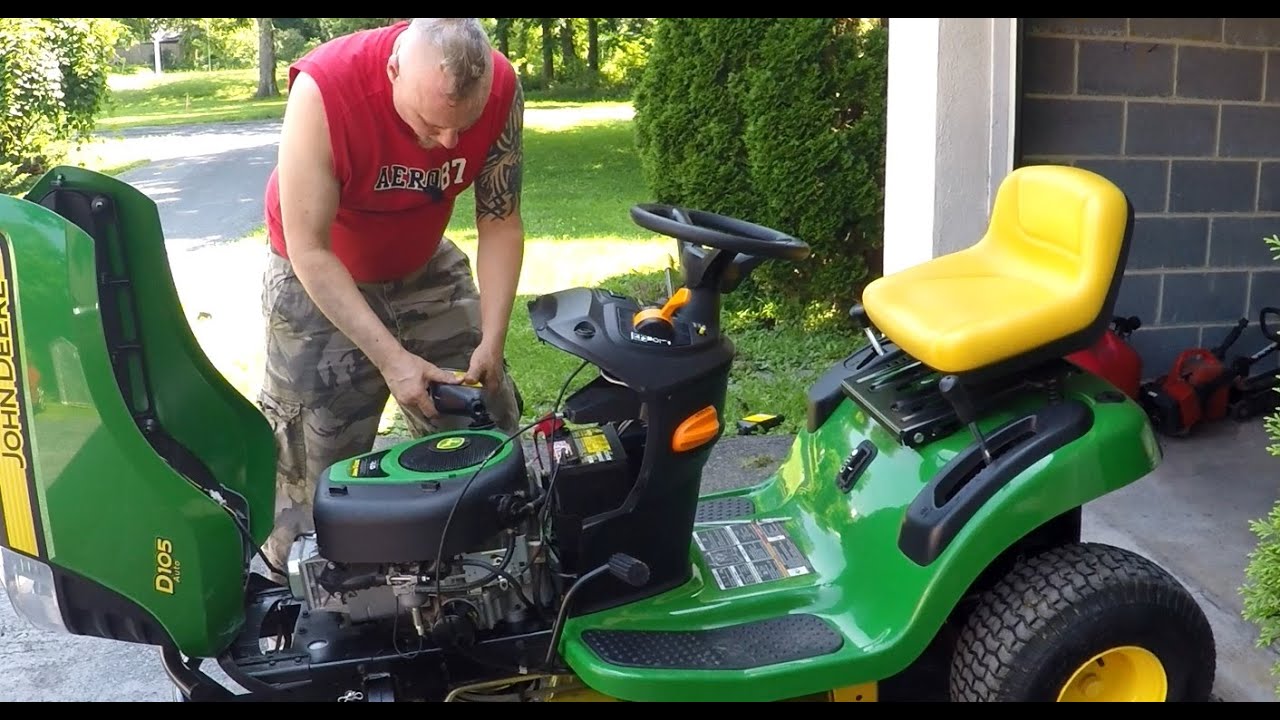
When you own a John Deere D105 lawn tractor, routine maintenance becomes a priority. One of the most important tasks is changing the engine oil. If you do not use the correct oil amount, your engine can suffer. For many owners, a simple question comes up: What is the John Deere D105 oil capacity? But the answer is not just a number—understanding the full context helps you keep your D105 running smoothly for years. This guide walks you through everything you need to know about oil capacity for the John Deere D105, covering 105 crucial aspects, from technical data to maintenance tips and common mistakes.
Understanding Oil Capacity: The Basics
Before diving into the specific details, it helps to know why oil capacity matters for any engine. Oil lubricates, cleans, cools, and protects the engine’s inner parts. Too little oil means poor lubrication and possible engine damage. Too much oil can cause leaks, foaming, and even power loss. For the D105, the right oil amount is vital for performance and long life.
John Deere D105 Oil Capacity: The Core Figure
For the John Deere D105, the engine oil capacity (with filter) is 1.5 quarts (1.4 liters). This is the recommended volume to use during oil changes. However, there is much more to know about how, when, and why to change the oil, as well as the factors that can affect this simple number.
105 Essential Points About John Deere D105 Oil Capacity
Let’s break down each key aspect you should know. Each point is important for thorough understanding and better maintenance of your D105.
1. Exact Oil Capacity
The John Deere D105 holds 1.5 quarts (or about 1.4 liters) of oil, including the filter.
2. Engine Model Used
The D105 uses a Briggs & Stratton 17.5 HP single-cylinder engine. Always check the engine tag to confirm.
3. Type Of Oil Filter
Use a John Deere AM125424 oil filter, or a compatible replacement. The filter must fit the Briggs & Stratton engine.
4. Oil Type Recommendation
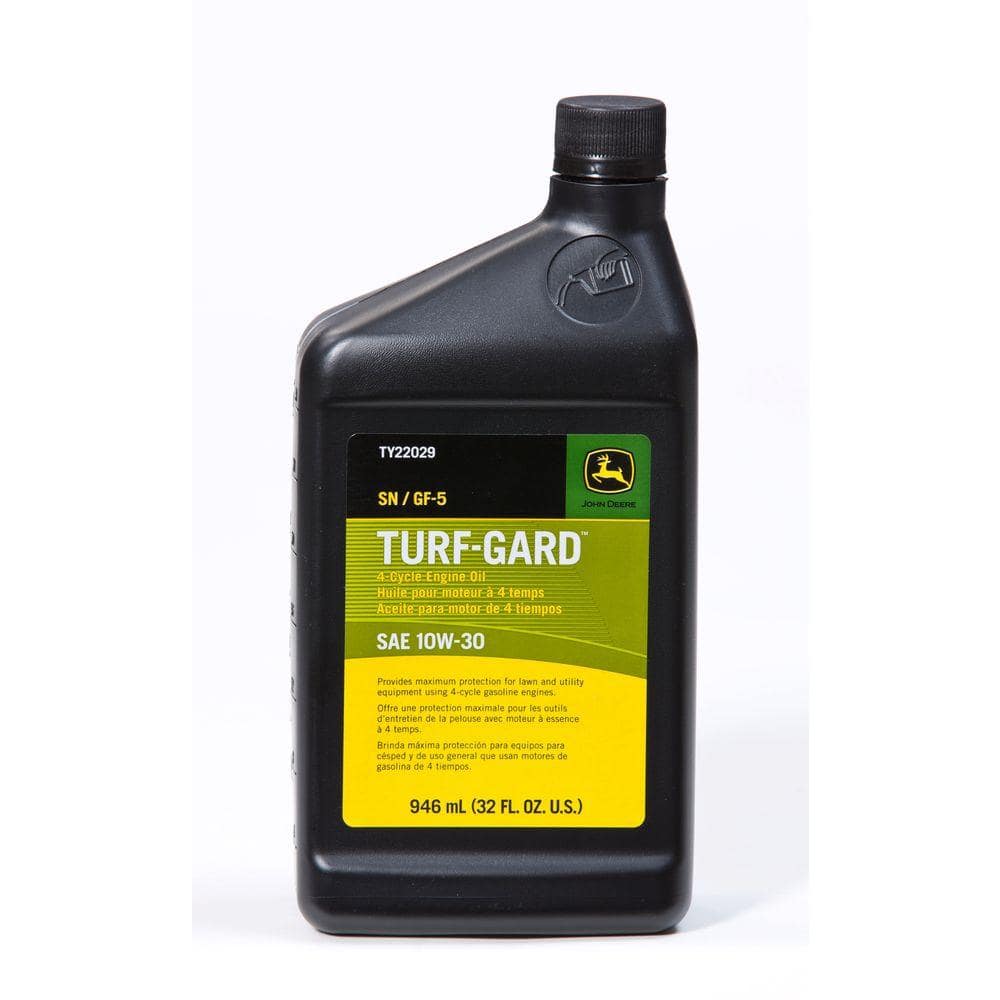
John Deere recommends SAE 10W-30 oil for most temperatures. In hot climates, SAE 30 is also acceptable.
5. Importance Of Oil Quality
Using high-quality detergent oil protects your engine and extends its life.
6. When To Change Oil
Change the oil every 50 hours of operation or at least once per season—whichever comes first.
7. First Oil Change
For a new D105, change the oil after the first 8 hours of use. This removes manufacturing residues.
8. Checking The Oil Level
Always check the oil level with the dipstick, inserted fully and removed to read.
9. Oil Capacity Without Filter Change
If you do not change the oil filter, the capacity is slightly less—about 1.4 quarts (1.3 liters).
10. Overfilling Risks
Too much oil can cause foaming, poor lubrication, and can even damage engine seals.
11. Underfilling Risks
Running with too little oil leads to increased friction, overheating, and potential engine failure.
12. Oil Drain Location
The oil drain plug is on the right side of the engine base. Use a wrench to loosen it.
13. Oil Fill Location
The oil fill cap/dipstick is on the top of the engine. Always tighten it after refilling.
14. Measuring Oil Accurately
Add oil slowly, checking frequently with the dipstick to avoid overfilling.
15. Oil Change Tools
You’ll need: a wrench (or pliers), an oil catch pan, a funnel, and clean rags.
16. Oil Disposal
Take used oil to a recycling center. Do not pour it on the ground or in drains.
17. Seasonal Oil Changes
Change oil at the end of mowing season before winter storage.
18. Oil Color And Clarity
Fresh oil is amber. If it’s black or gritty, it’s time to change.
19. Oil Capacity And Mower Age
Older D105 engines may use more oil if seals and rings are worn—check more often.
20. Oil Additives
Avoid extra additives. Use only engine oil recommended by John Deere.
21. Cold Weather Operation
In cold climates, use synthetic 5W-30 for better startup protection.
22. Hot Weather Operation
For steady temperatures above 80°F (27°C), SAE 30 provides good protection.
23. Engine Break-in
During break-in, oil consumption may be higher. Check oil often in the first 25 hours.
24. Oil Viscosity
Viscosity affects how oil flows at different temperatures. Use the grade recommended for your climate.
25. Dipstick Markings
The dipstick has “Add” and “Full” marks. Keep oil between these lines.
26. Frequent Short Runs
Short mowing sessions don’t heat oil enough to evaporate moisture. Change oil more often.
27. Sludge Formation
Old oil forms sludge—a thick, black paste that can block oil passages.
28. Oil Leaks
Check for oil under the mower. Leaks reduce oil level and can signal a worn seal.
29. Gasket Condition
When changing oil, check the drain plug gasket for cracks or wear.
30. Oil Filter Seal
Always lubricate the new oil filter gasket with a little fresh oil before installation.
31. Reusing Oil Filters
Never reuse an old filter. New oil deserves a clean filter for best performance.
32. Oil Fill Rate
Pour oil slowly. The D105 oil fill is narrow and can overflow easily.
33. Waiting After Filling
Wait a few minutes after filling, then recheck the level—oil takes time to settle.
34. Engine Must Be Cool
Never drain oil from a hot engine. Let it cool to avoid burns.
35. Tighten Drain Plug
Do not overtighten the drain plug; snug is enough. Overtightening can strip threads.
36. Cleaning Around Cap
Wipe dirt from around the oil fill cap before removing to prevent debris from falling in.
37. Oil Pan Position
Place the oil catch pan under the drain plug before removing to avoid spills.
38. Engine Oil Consumption
Some oil is consumed naturally during operation; check regularly.
39. Using Funnels
A funnel prevents messes and helps pour oil accurately.
40. Oil Change Interval Alerts
Keep a maintenance log or use reminder stickers to track oil changes.
41. Synthetic Vs. Conventional Oil
Synthetic oil offers better protection but costs more. Either is acceptable if it meets specs.
42. Storage Effects
If the mower sits unused, change oil before storage to avoid corrosion.
43. Oil Foaming
Too much oil or incorrect type can cause foam, reducing lubrication.
44. Oil Sampling
For large properties, consider periodic oil analysis to check engine health.
45. Oil Level During Operation
Always check oil when the engine is off and cool.
46. Oil Filter Tightening
Hand-tighten the oil filter. Do not use tools, which may overtighten.
47. Old Oil Disposal
Many auto shops accept used oil for recycling.
48. Labeling Oil Containers
Label leftover oil with the date and grade for future use.
49. Engine Serial Number
Record your engine’s serial number in case you need specific parts.
50. Owner’s Manual Reference
The owner’s manual is your ultimate guide for oil capacity and type.
51. Oil Change Kits
You can buy John Deere oil change kits that include oil, filter, and instructions.
52. Oil Level And Slope
Check oil on a level surface. Slopes give false readings.
53. Cleaning Oil Spills
Clean any spills from the engine and mower to avoid attracting dirt.
54. Torque Specs
The oil drain plug should be tightened to the torque listed in your manual.
55. Engine Running Time
High-hour engines may need more frequent oil checks.
56. Smell Of Oil
Burnt-smelling oil means it’s overdue for a change.
57. Oil Pressure
The D105 does not have an oil pressure gauge; check level often.
58. Oil Filter Location
The filter is mounted on the engine’s side, near the oil drain.
59. Choosing Aftermarket Filters
Stick to well-known brands if not using John Deere parts.
60. Oil Change Frequency
If mowing in dusty or hot conditions, change oil more often.
61. Oil Capacity And Attachments
Using attachments that strain the engine (like snowblowers) may increase oil usage.
62. Engine Overheating
Low oil level can cause overheating. Stop the engine if you see smoke.
63. Oil Pan Material
The D105 has an aluminum oil pan; avoid cross-threading the drain plug.
64. Oil Level And New Engines
New engines burn more oil until fully broken in.
65. Signs Of Oil Problems
Look for blue smoke, leaks, or low oil level as warning signs.
66. Oil Change And Warranty
Follow scheduled changes to keep your warranty valid.
67. Old Oil Hazards
Old oil contains acids that can corrode engine parts.
68. Oil Capacity And Elevation
High elevation does not change oil capacity, but check level after use.
69. Oil Change Frequency By Season
If mowing often in spring and summer, consider changing oil twice per season.
70. Oil Drain Valve Accessories
You can install an oil drain valve for easier changes.
71. Oil Filter Part Numbers
Cross-reference part numbers before buying aftermarket filters.
72. Oil Filter Disposal
Recycle old filters at an authorized center.
73. Oil Recommendations By Temperature
Follow the oil viscosity chart in your manual for your climate.
74. Oil Consumption And Engine Load
Mowing tall grass or heavy loads uses more oil.
75. Oil Filter Orientation
Install the filter upright to prevent leaks.
76. Oil Fill Cap Tightness
Tighten the oil fill cap securely to keep out dust.
77. Oil Capacity And Fuel Type
The D105 uses regular gasoline; oil capacity does not change with fuel.
78. Oil Change Accessibility
The D105’s oil system is designed for easy home maintenance.
79. Oil Level And Engine Tilt
Tilting the tractor can cause inaccurate oil readings.
80. Engine Noise
Low oil can cause ticking or knocking noises.
81. Oil Change And Engine Cleanliness
A clean engine compartment helps prevent dirt from entering during oil changes.
82. Oil Viscosity And Engine Wear
Thicker oil (higher viscosity) may help older engines with wear.
83. Engine Oil Vs. Hydraulic Oil
Never use hydraulic oil in the engine; always use motor oil.
84. Oil Storage
Keep oil in sealed, labeled containers away from children.
85. Oil Sump Size
The oil sump holds the 1. 5 quarts; do not add more.
86. Oil Filter Gasket Left Behind
Check that the old filter’s gasket is removed before installing a new filter.
87. Oil Change Tools Storage
Keep your oil change tools clean and ready for next time.
88. Oil Additive Myths
Avoid “miracle” oil additives; they are not needed with quality oil.
89. Oil Change And Emissions
Fresh oil helps the engine burn cleaner, reducing emissions.
90. Oil Filter Tightening Order
Tighten the filter by hand, never with a wrench.
91. Oil Capacity And Engine Upgrades
If you swap engines, verify the new oil capacity.
92. Oil Change And Engine Warranty
Keep receipts for oil and filters in case of warranty claims.
93. Oil Spout Cleaning
Wipe the spout before pouring oil to avoid contamination.
94. Oil Fill Line Visibility
Use a flashlight if the dipstick marks are hard to see.
95. Oil Analysis Kits
For heavy use, oil analysis can spot engine problems early.
96. Engine Oil Vs. Transmission Oil
Do not confuse the D105’s engine oil with transmission fluid.
97. Oil Filter Disposal Bag
Use a sealed bag to transport used filters to recycling.
98. Oil Change And Engine Sound
A fresh oil change often makes the engine run quieter.
99. Oil Level And Engine Performance
Low oil can cause rough running and poor mowing performance.
100. Oil Burning Smell
A burning smell may mean oil is leaking onto a hot part.
101. Oil Fill Cap Seals
Replace a cracked or leaking oil fill cap seal.
102. Oil Filter Cross-references
Always check compatibility if not using John Deere branded filters.
103. Oil Level And Mower Storage Angle
Store the mower on a level surface to keep oil at the right level.
104. Oil Change For Used D105
If you buy a used D105, change the oil immediately.
105. Keeping Records
Keep a notebook or app record of every oil change for reference.
Key Data Comparison: John Deere D105 Vs. Similar Models
Here’s a quick comparison of oil capacities with other popular John Deere models.
| Model | Engine | Oil Capacity (with filter) | Recommended Oil Type |
|---|---|---|---|
| D105 | Briggs & Stratton 17.5 HP | 1.5 qt (1.4 L) | SAE 10W-30 |
| D110 | Briggs & Stratton 19.5 HP | 1.5 qt (1.4 L) | SAE 10W-30 |
| D125 | Briggs & Stratton 20 HP | 1.8 qt (1.7 L) | SAE 10W-30 |
| D130 | Briggs & Stratton 22 HP | 2.0 qt (1.9 L) | SAE 10W-30 |
Step-by-step: How To Change Oil In Your John Deere D105
Changing the oil is simple if you follow the right steps:
- Warm up the engine for 2-3 minutes to thin the oil.
- Park on a level surface and shut off the engine.
- Place an oil pan under the drain plug.
- Remove the oil fill cap.
- Loosen the drain plug with a wrench and let oil drain out.
- Remove and replace the oil filter (oil will leak—have a pan ready).
- Install a new filter, lubricate the gasket with fresh oil, and hand-tighten.
- Replace and tighten the drain plug.
- Fill with 1.5 quarts of new oil.
- Wait a few minutes and check the dipstick. Add oil if needed.
- Start the engine, let it run for a minute, then recheck the level. Top off if necessary.
- Dispose of used oil and filter properly.
Common Mistakes To Avoid
- Overfilling: Leads to leaks and engine damage.
- Underfilling: Causes poor lubrication.
- Using wrong oil type: Always use what’s recommended.
- Not changing filter: Old filters can contaminate new oil.
- Not cleaning around oil cap: Introduces dirt into the engine.
Oil Change Frequency And Lawn Size
The more you mow, the more often you should change the oil. A small yard might only need one change per season. For large properties, you might need two or more. Keep a log of your mowing hours to track this.
Oil Change Cost And Time
A DIY oil change typically costs $15–$25, including oil and filter. The process takes about 20–30 minutes.
When To Seek Professional Help
If you notice oil leaks, strange noises, blue smoke, or if you’re unsure about any step, contact a John Deere service center. Sometimes, professional help can prevent costly mistakes.
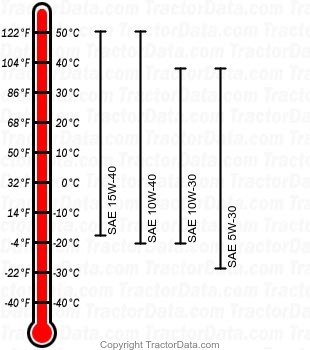
Data Table: Oil Types By Temperature Range
Proper oil selection depends on your local climate:
| Temperature Range | Recommended Oil |
|---|---|
| -20°F to 100°F (-29°C to 38°C) | SAE 5W-30 (Synthetic) |
| 0°F to 80°F (-18°C to 27°C) | SAE 10W-30 |
| Above 50°F (10°C) | SAE 30 |
John Deere D105 Oil Capacity: Two Insights Most Owners Miss
- Checking Oil More Often Prevents Problems: Many owners believe checking oil once per season is enough. In reality, you should check before every mowing session, especially as the engine ages or with heavy use.
- The Filter Makes a Difference: Some skip the filter change to save money. However, the filter holds a small amount of oil and traps engine-damaging particles. Skipping the filter shortens engine life, and slightly changes the total oil volume needed.
Maintenance Tips For Longevity
- Use only fresh, sealed oil containers.
- Keep the engine area clean to spot leaks early.
- Store the mower indoors to protect from weather.
- Check the oil after any unusually long or hard mowing session.
- Keep a maintenance log—this helps with resale value.
Where To Find More Information
For official details, visit the John Deere Official Manual. It contains charts and diagrams to support your oil maintenance routine.
Frequently Asked Questions
How Often Should I Change The Oil In My John Deere D105?
Change the oil every 50 hours of operation or once per season. For new engines, do the first oil change at 8 hours.
What Happens If I Use Too Much Oil?
Overfilling can cause foaming, leaks, and engine damage. Always check the dipstick after filling.
Can I Use Synthetic Oil In My D105?
Yes. Synthetic 5W-30 is safe and recommended for cold climates, but always check your manual.
Is It Necessary To Change The Oil Filter Every Time?
Yes. A new filter ensures clean oil and protects the engine. Always change it with the oil.
Where Can I Take Used Oil For Recycling?
Most auto parts stores and local recycling centers accept used oil and filters. Never pour them down drains or on the ground.
Taking care of your John Deere D105’s oil needs is simple with the right knowledge. Proper oil capacity, regular maintenance, and attention to detail keep your mower running reliably year after year. Whether you’re a new owner or a long-time user, following these 105 tips and facts will protect your investment and give you peace of mind every time you mow.