
If you own or work with small engines, you know how important oil is for their performance and lifespan. The Kawasaki FS691V is a popular engine used in lawn mowers and other equipment. Many people wonder about its oil capacity, the right type to use, and the best ways to maintain it. This article will give you everything you need to know about the Kawasaki FS691V oil capacity, including practical tips, common mistakes, and answers to questions most beginners miss.
Proper oil care does more than keep your mower running—it saves money, reduces breakdowns, and can even improve fuel efficiency. Whether you’re a homeowner with one mower or you manage a fleet, you’ll find clear answers here that can protect your investment.
Understanding The Kawasaki Fs691v Engine
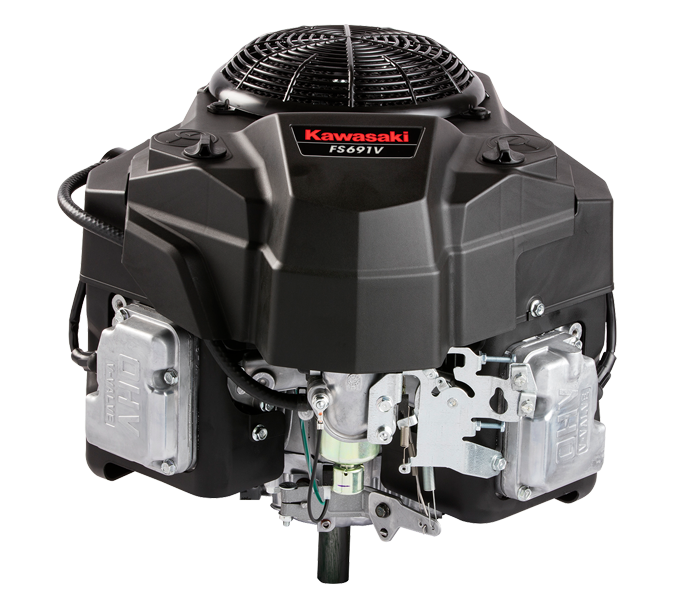
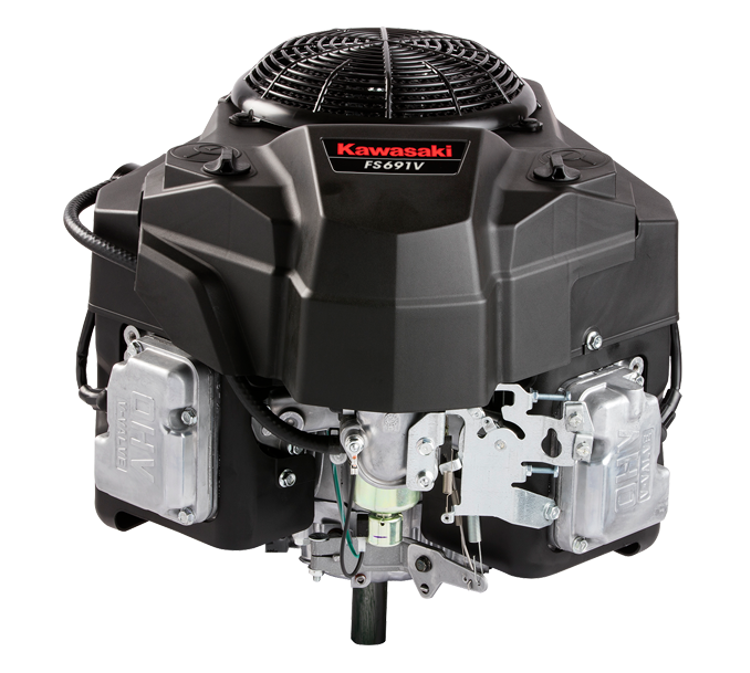
The Kawasaki FS691V is a V-twin, 4-stroke, air-cooled engine. It is widely used in commercial and residential lawn mowers. With a displacement of 726cc, it delivers strong power and is known for reliability. Like all engines, it needs proper lubrication to work smoothly and avoid wear.
This engine is part of Kawasaki’s FS Series, which is built to handle tough mowing jobs and long hours. The V-twin design means two cylinders work together, creating more balanced power and smoother operation compared to single-cylinder engines. Air-cooling keeps the engine from overheating, but it also means oil quality and level are even more critical, since there’s no liquid coolant to help regulate temperature.
Knowing the exact oil capacity is critical. Too much or too little oil can cause damage or reduce performance. Let’s break down the key facts about this engine, focusing on oil-related aspects.
A point many new users miss: even small engines like the FS691V have tight tolerances. That means they’re designed with little room for error. A small difference in oil level or type can lead to big problems over time, like increased wear or overheating.
Kawasaki Fs691v Oil Capacity: The Essential Data
The official oil capacity for the Kawasaki FS691V is 2.1 liters (approximately 2.2 US quarts) when changing oil and replacing the filter. If you change oil without the filter, the capacity is a bit less, about 1.9 liters (2.0 US quarts).
To help you understand these numbers, here is a simple comparison with similar engines:
| Engine Model | Oil Capacity (with filter) | Oil Capacity (without filter) |
|---|---|---|
| Kawasaki FS691V | 2.1 liters (2.2 US qt) | 1.9 liters (2.0 US qt) |
| Kawasaki FX691V | 2.0 liters (2.1 US qt) | 1.8 liters (1.9 US qt) |
| Kawasaki FR691V | 2.0 liters (2.1 US qt) | 1.8 liters (1.9 US qt) |
A few users wonder if they can just “eyeball” the amount of oil. This is risky. Slight differences between models mean you must always check the manual or the sticker on the engine itself, not just guess based on similar engines.
Key insight: Even engines with similar displacement can have slightly different oil requirements. Always check the manual or engine label before adding oil.
Another overlooked detail: some aftermarket oil filters are slightly larger or smaller than OEM ones. This can affect how much oil you need, so always double-check your oil level after an oil and filter change.
Credit: www.kawasaki-engines.eu
Why Oil Capacity Matters
Many beginners think any amount of oil is fine as long as it’s “not empty.” This is not true. Here’s why oil capacity is so important for the Kawasaki FS691V:
- Proper lubrication: Enough oil keeps moving parts slick and reduces friction. This prevents metal parts from grinding, which would cause permanent damage.
- Temperature control: Oil helps carry heat away from the engine, preventing overheating. With air-cooled engines, oil plays a big role in heat management.
- Contaminant removal: The right amount of oil ensures dirt and metal particles are carried to the filter. If oil is low, contaminants stay in the engine, causing wear.
- Engine life: Too little oil causes wear; too much can lead to leaks and pressure problems. Both situations shorten the engine’s lifespan.
Too much oil is actually more dangerous than many think. Overfilling can cause foaming, which reduces oil’s ability to lubricate. This can lead to overheating and damage to internal seals. If you notice oil leaks after a change, check that you haven’t added too much.
Common mistake: Overfilling the engine with oil can cause foaming, reduce lubrication, and even damage seals.
Choosing The Right Oil For Kawasaki Fs691v
Not all oils are the same. The Kawasaki FS691V needs SAE 10W-40 or SAE 20W-50 (depending on the climate). Kawasaki recommends API SJ or higher (such as SL, SM, SN) for best protection.
Here’s a simple guide for oil types based on temperature:
| Ambient Temperature | Recommended Oil Type |
|---|---|
| -10°C to 40°C (14°F to 104°F) | SAE 10W-40 |
| Above 40°C (104°F) | SAE 20W-50 |
| Below 0°C (32°F) | SAE 5W-30 (for cold starts) |
Tip: If you operate in very hot conditions, choose a thicker oil like SAE 20W-50.
The number before the “W” (like 10W) means how the oil flows in cold weather. Lower numbers help engines start in cold temperatures. The number after the “W” is how the oil protects in heat. If you mow early in the morning or late at night, or if you store your mower outside, this matters.
Some users ask if they can mix oil types or brands. As a rule, stick to one oil grade and brand if possible. Mixing can affect the oil’s additive package and performance.
Non-obvious insight: Buying oil with the wrong API rating (lower than SJ) can lead to sludge or deposits, especially if you use cheaper automotive oils not made for small engines.
How To Check Oil Level Correctly
Many people check oil level incorrectly, especially after changing oil. To get a true reading on the Kawasaki FS691V:
- Place the engine on a level surface. Even a slight tilt can give you a false reading.
- Remove the dipstick and wipe it clean.
- Insert the dipstick fully, then remove it and check the oil level.
- The oil should be between the “Full” and “Add” marks.
Never screw the dipstick in when checking—just rest it on the opening unless the manual says otherwise.
Non-obvious insight: If you check oil right after running the engine, oil will be higher on the dipstick. Wait 5–10 minutes after shutdown for oil to settle.
Also, make sure the oil is not above the “Full” mark. Some think “a little extra can’t hurt,” but this risks foaming and leaks, as mentioned earlier.
Step-by-step Oil Change For Kawasaki Fs691v
Changing oil is easy if you follow these steps. Here’s how to do it for the FS691V:
- Warm up the engine: Run it for 2–3 minutes so oil flows better. Warm oil drains more completely and carries out more contaminants.
- Turn off and cool: Shut down and let it cool for safe handling. Hot oil can burn you, so use gloves and be careful.
- Drain old oil: Place a pan under the drain plug. Remove the plug and let oil drain completely. Let it drip for a few minutes to get as much out as possible.
- Replace oil filter: Unscrew the old filter, apply a little oil to the new filter seal, and screw it in. Hand-tighten only—don’t overtighten.
- Add fresh oil: Pour in 2.1 liters (2.2 US quarts) of recommended oil. A funnel helps avoid spills.
- Check level: Use the dipstick to confirm the oil is at the “Full” mark. Top up slowly if needed—don’t rush.
- Run and recheck: Start the engine for 1–2 minutes, shut down, wait, and check oil again. Top up if needed.
Dispose of the old oil and filter properly. Wipe up any spills around the engine to avoid attracting dust.
Common mistake: Forgetting to replace the oil filter will result in old oil mixing with new oil, reducing effectiveness.
A practical tip: Keep a rag or old towel nearby to clean your hands and tools, making the process less messy.
Oil Filter: Why It Matters
The oil filter is not just a small part. It removes dirt, carbon, and metal particles from oil. For the FS691V, Kawasaki recommends changing the filter at every oil change.
A clogged or old filter can let contaminants circulate in your engine, which can cause scoring on cylinder walls and reduce power. Genuine filters are made to fit perfectly and have the right flow rate for your engine.
Tip: Always use a genuine Kawasaki filter or a trusted equivalent. Cheap filters may not fit well or filter properly.
When you buy filters in bulk for a fleet, make sure all are rated for your engine’s oil pressure. Some non-OEM filters can collapse or bypass oil too early.
Oil Change Interval For Kawasaki Fs691v
How often should you change oil? Kawasaki suggests:
- First oil change: After 8 hours of use (new engine break-in)
- Regular changes: Every 100 hours or annually, whichever comes first
If you work in dusty or hot conditions, change oil more often.
Practical example: If you mow 2 hours per week, change oil at least once a year.
Many users miss the first oil change. This is critical because new engines shed tiny metal particles during break-in. Skipping this step can lead to early wear.
Another tip: For commercial users, set a reminder on your phone or keep a maintenance log to stay on track.
Signs Your Kawasaki Fs691v Needs An Oil Change
Besides following intervals, watch for these signs:
- Oil looks dark or dirty: Fresh oil is amber and clear; dirty oil looks black or gritty.
- Engine sounds louder: Old or low oil increases engine noise and vibration.
- Performance drops: If your mower feels sluggish, check the oil first.
- Oil level drops quickly: This can mean a leak or the engine is burning oil.
- Visible smoke from exhaust: Blue smoke often means oil is burning inside the engine.
If you notice any of these, check oil immediately.
A less obvious sign: If your engine seems to run hotter than usual or cuts out after long sessions, check oil quality and level.
What Happens If You Use The Wrong Oil Capacity?
Adding too much or too little oil can cause problems:
- Too little oil: Engine parts rub together, causing wear and possible seizure.
- Too much oil: Pressure increases, seals may leak, and the engine may overheat or foam.
Data example: Engines with just 10% less oil can fail up to 50% faster due to heat and friction.
The repair cost for oil-related engine damage is often higher than replacing the engine entirely, especially for commercial equipment.
Credit: www.kawasaki-engines.eu
Oil Capacity And Engine Modifications
If you install aftermarket parts or modify your FS691V, oil capacity may change. For example, a larger oil pan or external cooler will increase the needed oil. Always check after modifications.
Non-obvious insight: Even tilt or angle of installation can affect oil level readings. Engines mounted at an angle need special checks.
If your mower is used on hills or slopes, check oil more often. Continuous operation at an angle can starve the engine of oil even if the level was correct when parked flat.
Oil Capacity Vs. Oil Consumption
Some engines naturally use a little oil during operation. The FS691V is not known for high oil consumption, but it’s wise to check oil every 20–30 hours of use.
Tip: If you see frequent drops in oil level, check for leaks or burning oil.
Inspect around the valve covers, oil drain plug, and oil filter for wet spots. Also, smell for burning oil during operation—a sharp, blue-smoke exhaust is a warning sign.

Credit: www.kawasakienginestore.com
Comparing Kawasaki Fs691v Oil Capacity With Other Engines
To help you understand where the FS691V stands, here’s a comparison with other popular mower engines:
| Engine Model | Displacement (cc) | Oil Capacity (liters) |
|---|---|---|
| Kawasaki FS691V | 726 | 2.1 |
| Briggs & Stratton 44S877 | 724 | 2.0 |
| Kohler Command PRO CH740 | 747 | 2.0 |
| Honda GX690 | 688 | 2.0 |
Key takeaway: The FS691V’s oil capacity is slightly higher than others in its class, providing extra protection.
This extra oil volume helps the engine handle long work periods and hot weather. If your equipment is used all day or in commercial landscaping, this is a real advantage.
Troubleshooting Common Oil Issues
If you notice problems with oil, try these solutions:
- Low oil pressure: Check for leaks, change the oil filter, and confirm oil level. A faulty oil pressure switch can also cause warning lights.
- Oil leaks: Inspect seals, gaskets, and the oil drain plug. Tighten loose parts and replace worn gaskets.
- Foamy oil: Drain and refill with proper amount; avoid overfilling. Foaming can also mean water entered the oil—check for creamy or milky appearance.
- Dirty oil: Change oil and filter, and check air filter for dust contamination. Dusty air can quickly dirty oil and lead to engine scoring.
Tip: Always keep a log of oil changes and issues. This helps track patterns and prevent future problems.
If you’re unsure about an oil issue, take a small sample and compare it to fresh oil. Any large color difference or odd smell can mean it’s time to change.
Storing Your Fs691v Engine: Oil Capacity Tips
If you plan to store your engine for winter or long periods:
- Change oil before storage to remove acids and dirt. Old oil can corrode engine parts.
- Fill oil to the correct capacity to protect internal parts.
- Run the engine briefly after adding fresh oil to coat moving parts.
Practical advice: Cover the engine and keep it dry; moisture can cause rust.
For longer storage, consider adding a fuel stabilizer and removing the battery. These steps help prevent starting troubles in spring.
Environmental Impact Of Oil Disposal
Used oil is dangerous for the environment. Never dump it outside or in drains. Take used oil to recycling centers or auto shops.
Data: One liter of used oil can pollute up to a million liters of water.
Always use a container with a tight lid for transporting used oil. Many cities have special drop-off points—check local rules before disposal.
Kawasaki Fs691v Maintenance Schedule
Following a maintenance schedule keeps your engine running well. Here’s a simple guide:
- Check oil level: Every 8 hours of use
- Change oil: Every 100 hours or yearly
- Replace oil filter: With every oil change
- Inspect for leaks: Every 50 hours
- Check air filter: Every 25 hours
Tip: Write down each maintenance event. Small details help with warranty and troubleshooting.
You can use a notebook, a digital app, or a wall chart in your garage. Keeping records can also increase resale value, as buyers trust well-documented equipment.
Choosing Between Synthetic And Conventional Oil
Both oil types can work for the FS691V. Synthetic oil lasts longer and performs better in extreme temperatures, but costs more. Conventional oil is cheaper but may need more frequent changes.
Example: If you run your mower in high heat, synthetic oil helps prevent breakdown.
Some users switch to synthetic after break-in for maximum protection. If you switch, there’s no need to flush the engine—just change oil and filter as usual.
Oil Capacity And Warranty
Kawasaki’s warranty depends on using the correct oil and capacity. Using the wrong oil or skipping changes can void your warranty.
Tip: Keep receipts and records of oil changes for proof.
If you need warranty service, these records show you followed maintenance rules. This can make the difference between free repair and a denied claim.
Real-world Case Studies
To make these ideas clearer, here are two real examples:
Case 1: Overfilling Oil
A lawn care company added 3 liters of oil to a FS691V, thinking “more is better. ” The engine leaked and overheated. Repairs cost over $300.
Case 2: Skipped Oil Filter
An owner changed oil but reused the old filter. The engine developed noise and lost power. After changing the filter and oil again, performance improved.
Lesson: Always follow the correct oil capacity and change both oil and filter.
A small oversight can lead to expensive repairs. Take time to double-check your work, especially if you’re doing maintenance for the first time.
Oil Capacity And Engine Break-in
New engines need special care. During the first 8 hours, the FS691V burns off tiny metal particles. Change oil after this period to remove them.
Tip: Use recommended oil and check level often during break-in.
The break-in period is also a good time to listen for unusual noises or check for leaks. Early detection saves money and hassle.
How Oil Capacity Affects Engine Longevity
Engines with correct oil levels last much longer. Studies show small engines lose up to 30% of their lifespan if oil is neglected.
Example: A well-maintained FS691V can last over 2000 hours. Poor oil care can cut this to 1200 hours or less.
If you plan to sell your mower, a long-lived engine means a higher resale value and less risk for the buyer.
Oil Capacity And Fuel Efficiency
Engines with proper oil levels use fuel more efficiently. Too little oil increases friction and fuel use. Too much oil can cause drag and lower power.
Data: Engines with optimal oil levels use up to 10% less fuel.
That means more mowing time per tank, which adds up over a season—especially for commercial users.
Expert Tips For Kawasaki Fs691v Oil Care
Here are some expert tips for getting the most from your FS691V:
- Always use a funnel to avoid spills and overfilling.
- Record oil changes and filter replacements.
- Use oil absorbent pads under the engine when changing oil.
- Check oil after every long mowing session.
- Store oil in a cool, dry place to keep it fresh.
Bonus tip: If you mow on steep slopes, check oil level more often. Hills can cause oil to move away from the pickup, even if the dipstick reads “Full.”
Frequently Asked Questions
What Is The Oil Capacity Of The Kawasaki Fs691v?
The Kawasaki FS691V oil capacity is 2.1 liters (2.2 US quarts) with a new oil filter. If you change oil without replacing the filter, use 1.9 liters (2.0 US quarts).
Which Oil Type Should I Use For The Fs691v?
Kawasaki recommends SAE 10W-40 or SAE 20W-50 depending on your local temperature. Always use API SJ or higher grade.
How Often Should I Change The Oil In My Fs691v Engine?
Change oil after the first 8 hours (break-in), then every 100 hours or once a year. In dusty or hot conditions, change more often.
Can I Use Synthetic Oil In The Kawasaki Fs691v?
Yes, synthetic oil is safe and can help in extreme temperatures. Always use the correct viscosity and check the engine label or manual.
What Should I Do With Used Oil After Changing?
Never dump used oil. Take it to a recycling center or an auto shop. For more details, visit the EPA’s oil recycling page.
Final Thoughts
Understanding and managing the Kawasaki FS691V oil capacity is simple but crucial. The right amount of oil, the correct type, and regular changes will keep your engine running smoothly for years. Avoid common mistakes like overfilling or skipping filter changes. Record your maintenance, use recommended oil, and respect environmental rules for disposal. With proper care, your FS691V will deliver reliable power and save you money on repairs and fuel. Take these tips seriously, and enjoy a trouble-free engine season after season.
Whether you’re new to engine care or have years of experience, paying attention to oil details can make all the difference. The extra minutes you spend checking and changing oil will reward you with more dependable equipment, fewer breakdowns, and even better mowing results.
Treat oil capacity as a key part of your maintenance routine, and your Kawasaki FS691V will serve you well for many years.