
When you own or maintain a Kawasaki FS730V engine, one detail you cannot overlook is the oil capacity. This engine is a popular choice for commercial mowers, landscaping machines, and other heavy-duty equipment. However, many users are unsure about the correct oil amount, the right type of oil, and the best practices for keeping the engine running smoothly. Using the wrong oil or not enough of it can lead to serious engine damage, while overfilling can cause its own set of problems.
This article breaks down everything you need to know about the Kawasaki FS730V oil capacity. We’ll look at official specifications, explain why oil levels matter, guide you through oil changes, and answer common questions. Even if you’re not a mechanic, you’ll find clear, simple advice to keep your engine healthy for years.
Understanding The Kawasaki Fs730v Engine
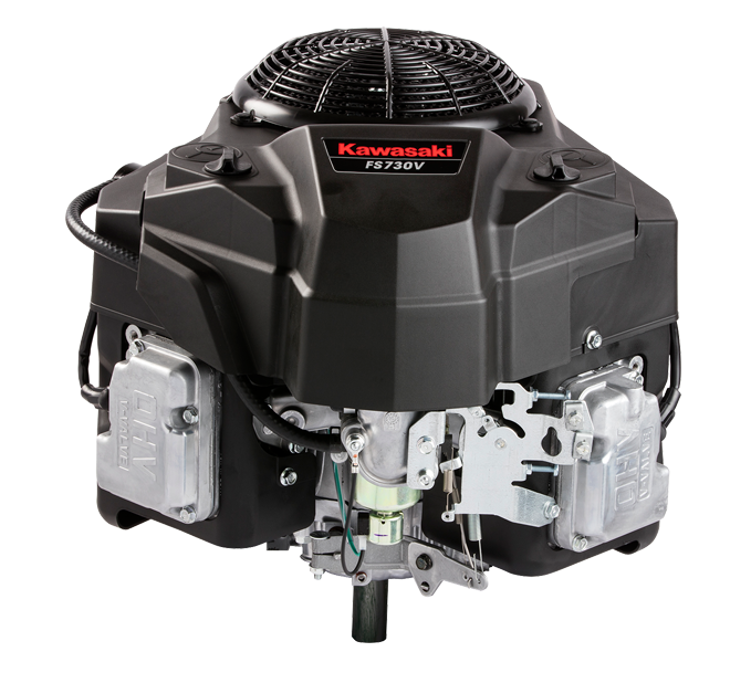
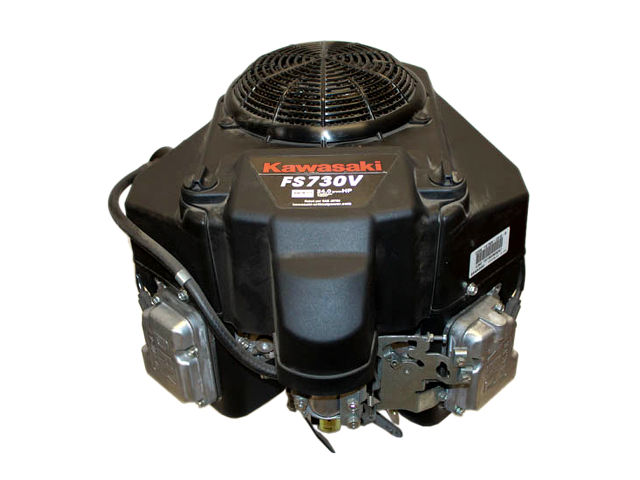
The Kawasaki FS730V is a 726cc, V-twin, 4-stroke engine. It’s known for its reliability and is used in a variety of commercial mowers, including brands like Scag, Hustler, and Gravely. With overhead V-valves, pressurized lubrication, and a cast-iron cylinder liner, this engine is designed to last.
But no matter how well an engine is built, the oil is its lifeblood. Regular maintenance and the right oil amount are crucial. Before focusing on the oil capacity, it’s important to understand why oil is so important for this specific engine type.
Why Oil Matters
- Lubrication: Oil reduces friction between moving parts.
- Cooling: It helps keep the engine temperature under control.
- Cleaning: Oil carries away dirt and debris, preventing buildup.
- Sealing: It helps seal tiny gaps between pistons and cylinder walls.
For an engine like the FS730V, which often runs for hours in hot conditions, oil quality and quantity can mean the difference between years of service and early breakdown.
Kawasaki Fs730v Oil Capacity: The Official Specification
The official oil capacity of the Kawasaki FS730V engine is 2.1 US quarts (2.0 liters) when the oil filter is also changed. If you only change the oil and not the filter, the amount might be slightly less, but it’s best practice to always replace the filter for proper maintenance.
Oil Capacity Table
Here’s a quick look at the specifications:
| Engine Model | Oil Capacity (with filter) | Oil Capacity (without filter) | Recommended Oil Type |
|---|---|---|---|
| Kawasaki FS730V | 2.1 US quarts (2.0 L) | Approx. 1.9 US quarts (1.8 L) | SAE 10W-40 or 10W-30 |
This is the amount you should aim for during every oil change, unless your owner’s manual says otherwise for your specific equipment configuration.
Choosing The Right Oil For The Fs730v
Using the correct oil type is as important as the quantity. For the FS730V, Kawasaki recommends:
- API Service Category: SJ or higher (for gasoline engines)
- Viscosity: SAE 10W-40 is preferred, but SAE 10W-30 is also acceptable
The choice depends on your climate. For most users, 10W-40 gives better protection, especially in warmer conditions or heavy commercial use.
Temperature And Oil Viscosity
Oil viscosity affects how well it flows at different temperatures. Choosing the right viscosity can protect your engine from cold starts and high heat.
| Temperature Range | Recommended Viscosity |
|---|---|
| -20°C to 40°C (-4°F to 104°F) | SAE 10W-30 |
| -10°C to 40°C (14°F to 104°F) | SAE 10W-40 |
If your mower or equipment runs in temperatures above 32°F (0°C) most of the time, SAE 10W-40 is generally best.
Synthetic Vs. Conventional Oil
Both types are acceptable, but many professionals prefer full synthetic oil for longer life and better protection in extreme conditions. However, always use oil that meets Kawasaki’s requirements.
How To Check Oil Level On The Fs730v
Checking oil level is a simple task, but it’s often done wrong. Here’s the correct process:
- Park on a Level Surface: Always check oil when the engine is cold and the equipment is on flat ground.
- Clean the Area: Wipe dirt from around the dipstick to prevent contamination.
- Remove and Wipe Dipstick: Unscrew and pull out the dipstick, wipe it clean.
- Reinsert the Dipstick: Place it back in (without screwing down), then remove again to check the level.
- Read the Oil Level: Oil should be between the “Full” and “Add” marks. Never overfill.
Pro Tip: Some FS730V engines have slightly different dipstick markings depending on equipment. Always double-check with your equipment’s manual.
Credit: www.kawasaki-engines.eu
Step-by-step Guide: Changing Oil On The Kawasaki Fs730v
Changing your engine oil isn’t difficult, but attention to detail is important. Here’s how to do it safely and effectively.
Tools And Supplies Needed
- Oil drain pan
- Socket wrench set
- New oil filter (Kawasaki OEM or equivalent)
- 2.1 quarts (2.0 liters) of recommended oil
- Funnel
- Clean rags or paper towels
- Gloves (optional)
Oil Change Steps
- Warm Up the Engine: Run the engine for 2-3 minutes. Warm oil drains better.
- Shut Off and Secure: Turn off engine, remove key, and let it cool slightly.
- Drain Old Oil:
- Place a drain pan under the oil drain plug.
- Remove the plug and let oil drain completely.
- Replace and tighten the drain plug.
- Remove Old Oil Filter:
- Unscrew the filter using your hand or a filter wrench.
- Wipe the mounting surface clean.
- Install New Oil Filter:
- Rub a little new oil on the filter’s gasket.
- Screw on the new filter until it’s snug, then tighten by hand.
- Add Fresh Oil:
- Insert a funnel into the fill port.
- Pour in about 2 quarts (slowly).
- Wait a minute, then check the dipstick. Add oil until it reaches “Full” (usually 2.1 quarts).
- Check for Leaks:
- Start the engine and let it run for 30 seconds.
- Shut off and inspect for leaks at the drain plug and filter.
- Re-check the oil level and top off if necessary.
Safe Disposal
Never pour used oil down the drain or on the ground. Most auto parts stores and recycling centers accept used oil and filters.
How Often Should You Change Oil?
Kawasaki recommends changing the oil every 100 hours of operation, or at least once per season. If you use your mower in dusty or hot conditions, consider changing oil more frequently—every 50 hours is a safe interval for commercial or heavy-duty use.
New engines should get their first oil change after just 8 hours, as this removes metal particles from the break-in period.
Common Mistakes With Fs730v Oil Changes
Even experienced users make errors. Here are some to watch for:
- Overfilling: Too much oil can create foaming, overheating, and leaks.
- Using the Wrong Oil Type: Low-quality oil or wrong viscosity reduces protection.
- Not Changing the Filter: Skipping filter changes means dirty oil stays in the system.
- Ignoring Leaks: Small leaks around the drain plug or filter can quickly lead to low oil levels.
- Not Warming Up the Engine: Cold oil leaves more residue behind.
Insider Tip: Always buy a few extra quarts of oil and filters. Running out leads to skipped maintenance.
Signs You Might Have An Oil Issue
Paying attention to your engine’s behavior helps prevent bigger problems:
- Low oil warning light (if equipped)
- Excessive smoke from the exhaust
- Knocking or ticking noises
- Overheating
- Sluggish performance
If you notice any of these, check the oil level immediately.
Credit: www.engine-specs.net
Troubleshooting: What If You Overfill Or Underfill?
Overfilling
If you pour in too much oil:
- Stop the engine immediately.
- Use a suction tool, turkey baster, or drain some oil until the level is correct.
- Overfilled oil can cause foaming, poor lubrication, and internal damage.
Underfilling
Running with too little oil:
- Risks engine seizure.
- Causes rapid wear and overheating.
- Always check the dipstick after every oil change.
Comparing The Fs730v With Other Kawasaki Engines
The FS730V is just one model in Kawasaki’s lineup. Here’s how it compares to other popular engines in oil capacity:
| Model | Displacement | Oil Capacity (with filter) | Common Application |
|---|---|---|---|
| FS730V | 726cc | 2.1 US quarts | Commercial mowers |
| FX730V | 726cc | 2.1 US quarts | Zero-turn mowers |
| FR730V | 726cc | 2.0 US quarts | Residential mowers |
| FS691V | 726cc | 2.0 US quarts | Mid-size mowers |
As you can see, the FS730V’s oil capacity is similar to other 726cc Kawasaki engines. This makes it easier to manage if you service several types of equipment.
Credit: www.columbiarivermoto.com
Best Practices For Oil Maintenance
To keep your Kawasaki FS730V running at its best, follow these habits:
- Check oil before every use: A quick check prevents surprises.
- Always use a clean funnel: This avoids contamination.
- Keep maintenance records: Log each oil change for warranty and troubleshooting.
- Store oil in a cool, dry place: Old or contaminated oil can cause problems.
- Replace the drain plug gasket if damaged: Leaks often start here.
Understanding Oil Consumption
All engines use a little oil over time, especially under heavy loads. Kawasaki considers up to 100cc (3.4 ounces) of oil per 10 hours of operation as normal.
If you notice higher consumption:
- Check for leaks around the filter, drain plug, and seals.
- Inspect for worn piston rings or valve guides (rare, but possible in older engines).
- Use the correct oil viscosity for your climate.
Environmental Factors: How Climate Impacts Oil
Extreme conditions affect oil performance:
- Hot, dusty weather: Oil breaks down faster. Change oil more often.
- Cold starts: Thicker oils make starting harder. Use 10W-30 in colder climates.
- Wet conditions: Water contamination is rare, but always store equipment properly.
If you mow on slopes, oil can move away from the pickup tube, increasing wear risk. Always fill to the correct level and avoid mowing at steep angles for long periods.
Oem Vs. Aftermarket Oil Filters
Kawasaki Recommends Using Their Own Oem Oil Filters. Why?
- OEM filters are tested for the correct flow rate and filtration size.
- Cheap aftermarket filters may not fit perfectly or filter as well.
However, many reputable brands make compatible filters (like Wix or Fram). Just make sure the filter is listed as compatible with the FS730V and meets or exceeds OEM specs.
Special Tips For Commercial Operators
If you run multiple machines, efficiency is key:
- Bulk oil storage: Keep a drum or large container for lower cost and less waste.
- Standardize filters and oil: Makes inventory easier.
- Train staff: Make sure everyone knows proper oil check and change procedures.
- Schedule regular maintenance days: Don’t wait for breakdowns.
How To Read The Oil Dipstick Correctly
Some users misread the dipstick, which leads to over or under-filling. Remember:
- The oil should touch the “Full” mark but not go above.
- Wipe and re-insert the dipstick for an accurate reading.
- Screw-in dipsticks should be checked without screwing them down, unless your manual says otherwise.
A handy tip: Always check the oil twice—once after filling, and again after running the engine for a minute. This ensures the oil has circulated and any air pockets have cleared.
What Happens If You Ignore Oil Maintenance?
The risks are serious:
- Increased engine wear: Lack of lubrication destroys bearings and pistons.
- Overheating: Old oil loses its cooling ability.
- Sludge buildup: Dirty oil clogs small passages.
- Voided warranty: Most warranties require proof of regular oil changes.
Major repairs cost far more than a few quarts of oil and a filter.
Real-world Example: A Costly Oil Mistake
A landscaping company in Florida ignored regular oil changes on their FS730V-powered mower. After 200 hours with the same oil, the engine began to smoke, lose power, and eventually seized. The repair bill? Over $1,200 for a new engine—far more than the cost of routine maintenance.
Lesson: Never skip oil changes, even in busy seasons.
Where To Find Official Information
Always consult the Kawasaki FS730V owner’s manual for the latest recommendations. If you don’t have a paper copy, you can download it for free from Kawasaki’s official website or check trusted sources such as Kawasaki Engines. These sources provide service schedules, oil type charts, and troubleshooting guides.
Frequently Asked Questions
How Much Oil Does A Kawasaki Fs730v Hold?
The FS730V holds 2.1 US quarts (2.0 liters) of oil when you also change the filter. Always check the dipstick after filling to confirm the level is correct.
What Type Of Oil Is Best For The Fs730v?
Kawasaki recommends SAE 10W-40 for most climates and SAE 10W-30 for colder temperatures. Both conventional and full synthetic oils are acceptable if they meet the API SJ (or higher) rating.
How Often Should I Change The Oil In My Fs730v?
Change the oil every 100 hours of use or at least once per season. For new engines, do the first oil change after 8 hours. In harsh conditions, change oil every 50 hours.
Can I Use Aftermarket Oil Filters With The Fs730v?
Yes, but only if they are listed as compatible and meet Kawasaki’s specifications. OEM filters offer the best fit and filtration, but quality aftermarket brands are also available.
What Happens If I Overfill The Oil In My Fs730v?
Overfilling can cause oil foaming, leaks, and engine damage. If you add too much, drain the excess immediately and always check the dipstick for accuracy.
The Kawasaki FS730V oil capacity is a simple specification, but following it is crucial for long engine life. By using the right oil, changing it regularly, and avoiding common mistakes, you’ll get the most from your equipment. Take oil maintenance seriously—your engine’s health and your wallet depend on it.