
The Kawasaki FX1000V engine is a powerhouse known for its performance and reliability in commercial zero-turn mowers and heavy-duty landscaping equipment. If you own or maintain machines with this engine, understanding its oil capacity is essential for keeping it running smoothly. Yet, the topic goes far beyond just a number of quarts or liters—getting oil changes right is about engine health, longevity, and efficiency. Many equipment owners skip details that can save money, prevent breakdowns, and avoid warranty issues. This guide will walk you through everything you need to know about the Kawasaki FX1000V oil capacity, including technical data, practical maintenance tips, oil change instructions, and answers to the most common questions.
Overview Of The Kawasaki Fx1000v Engine
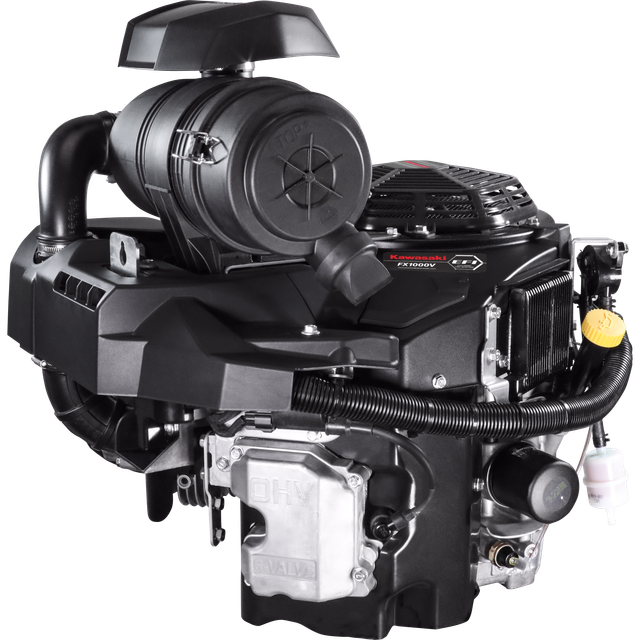
The Kawasaki FX1000V is a 4-stroke, V-twin, air-cooled gasoline engine with a displacement of 999cc. It delivers high horsepower, making it a popular choice for large, commercial-grade lawn mowers. The engine is designed for extended operation in tough environments, often running for hours at a stretch. This means regular maintenance, especially oil care, is critical.
Key Features:
- V-twin configuration for smooth operation
- Cast iron cylinder liners for durability
- Heavy-duty air filter system
- Electronic spark ignition for easy starting
The FX1000V’s robust construction is only as reliable as the maintenance it receives. Oil is the lifeblood of this engine, lubricating moving parts and preventing overheating and wear.
This engine stands out for its consistent power delivery, even when mowing thick grass or working on hilly terrain. Its V-twin design reduces vibration, which not only gives a smoother ride but also reduces wear on components over time. Many commercial operators choose the FX1000V because it can handle long hours and high workloads without faltering.
The cast iron sleeves add extra protection to the engine’s internal parts, making it less prone to damage from dust and debris.
Another advantage is its advanced cooling system. While air-cooled engines can sometimes struggle in hot climates, the FX1000V’s oversized fins and heavy-duty fan keep temperatures under control. This means less chance of oil breakdown and a longer engine life. However, this reliability depends strongly on proper oil level and quality, since oil helps with both lubrication and cooling.
Kawasaki Fx1000v Oil Capacity: The Exact Numbers
For the Kawasaki FX1000V, the oil capacity is not just a trivial detail. Using the correct amount ensures proper lubrication and cooling, prevents foaming, and helps keep contaminants in check.
- Oil capacity (with filter): 2.0 US quarts (1.9 liters)
- Oil capacity (without filter): 1.8 US quarts (1.7 liters)
Why the difference? The oil filter holds a small amount of oil, so when you change the filter during an oil change, you need to add a little more.
Here’s a quick reference:
| Oil Change Type | Oil Capacity |
|---|---|
| With Filter Replacement | 2.0 US quarts (1.9 liters) |
| Without Filter Replacement | 1.8 US quarts (1.7 liters) |
Always check the owner’s manual for your specific mower model, as oil pan shapes or mounting angles can sometimes cause minor differences.
It’s worth mentioning that small variations can occur between different mower frames or brands that use the FX1000V. Some manufacturers mount the engine at a slight angle, or design the oil pan shape differently to fit their chassis. This could slightly alter the actual oil needed to reach the “Full” mark on the dipstick.
If you ever notice the oil level is off despite following the recommended amount, always trust the dipstick reading over the bottle measurement.
Some users also ask about “dry fill” versus “wet fill. ” Dry fill is the amount needed for a brand-new engine with no oil residue inside, while wet fill (the numbers above) is for routine oil changes. For most, wet fill is what matters, since you’re rarely starting with a completely empty engine.

Why Oil Capacity Matters
Many users overlook the importance of using the correct oil capacity. Overfilling or underfilling can harm the engine:
- Too much oil: Increases pressure, causes leaks, and may foam, reducing lubrication.
- Too little oil: Leads to overheating, more wear, and possible engine seizure.
A well-maintained oil level helps the engine:
- Stay cool under heavy loads
- Reduce internal friction
- Trap and remove dirt and debris
Regularly checking and maintaining the right oil level is a simple step that can save you from expensive repairs.
Here’s a practical example: If you mow on steep slopes, oil can slosh away from the pickup point. If the oil level is too low, the pump may suck air instead of oil, starving the engine of lubrication for seconds at a time. This “oil starvation” can cause hidden damage that adds up over months. On the other hand, overfilling can cause the oil to reach the crankshaft, churning it into foam. Foamy oil loses its ability to lubricate, putting your engine at risk, sometimes without obvious warning signs.
Another detail often missed: the Kawasaki FX1000V is designed for commercial workloads. Many commercial engines run hotter and under more stress than residential units. That’s why the oil volume is carefully matched to the engine’s size and cooling system. Changing that balance—even by a few ounces—can affect performance.
Choosing The Right Oil For Your Fx1000v
Selecting the best oil is just as important as knowing how much to use. Kawasaki recommends using SAE 10W-40 oil for most conditions, which balances protection and performance in a wide temperature range. However, other grades may be more suitable in extreme temperatures.
Recommended Oil Types:
| Ambient Temperature | Recommended Oil |
|---|---|
| 0°F to 100°F (-18°C to 38°C) | SAE 10W-40 |
| Below 32°F (0°C) | SAE 5W-30 |
| Above 80°F (27°C) | SAE 20W-50 |
Other Tips:
- Use API Service Category SJ or later (such as SL, SM, SN)
- Avoid non-detergent oils
- Synthetic oils are allowed if they meet the above standards
Why does this matter? The right oil keeps your engine safe in both cold starts and hot summer days, while the wrong oil can cause thickening, poor flow, or insufficient protection.
Synthetic oil is becoming more popular, especially for commercial mowers. It resists breakdown at high temperatures and flows better at cold start, which helps if your workday begins early in the morning. However, it’s still important to use the correct viscosity.
For example, using 5W-30 synthetic in summer heat above 90°F (32°C) may not protect as well as 20W-50.
A real-world tip: If you run your machine in a dusty or sandy environment, a high-quality synthetic oil can help reduce engine deposits and sludge. However, even the best oil cannot compensate for skipped oil changes or ignoring the filter.
Many beginners believe that all oils are the same, but small differences in viscosity or additive packages can affect engine performance and warranty. Always check both the owner’s manual and the oil bottle for compatibility. Oils that are “energy conserving” or for automotive use only may contain friction modifiers that are not ideal for air-cooled engines like the FX1000V.
Step-by-step: How To Change Oil In The Kawasaki Fx1000v
Changing the oil regularly is one of the best ways to extend your engine’s life. Here is a detailed, practical guide based on real maintenance experience.
1. Gather Your Supplies
You will need:
- 2.0 US quarts (1.9 liters) of recommended oil
- New oil filter (if replacing)
- Oil drain pan
- Socket or wrench set
- Funnel
- Clean rags
- Gloves
If you’re working outdoors, it helps to have a piece of cardboard or old mat to kneel on, and a small flashlight to check for leaks after the change. Having extra shop towels ready makes cleanup much easier, especially if the drain plug is awkward to reach.
2. Prepare The Engine
Run the engine for about 5 minutes. Warm oil drains faster and removes more contaminants.
- Park on a level surface.
- Turn off the engine and remove the key.
- Let the engine cool for a few minutes.
A level surface ensures the oil drains completely and you get an accurate reading when refilling. If you park on a slope, some old oil may stay trapped inside, leading to inaccurate oil level after the change.
3. Drain The Old Oil
- Locate the oil drain plug (usually on the lower side of the engine).
- Place the drain pan under the plug.
- Use a wrench to loosen and remove the plug.
- Allow oil to drain completely (takes several minutes).
- Replace and tighten the drain plug securely.
Tip: Some FX1000V setups use a flexible drain hose for easier access. If your mower has this, attach the hose before loosening the plug to keep oil off the frame. Always check the old oil for metal shavings or milky color—these could signal deeper engine issues.
4. Replace The Oil Filter (optional But Recommended)
- Unscrew the old filter by hand or with a filter wrench.
- Wipe the filter mount with a clean rag.
- Apply a thin layer of new oil to the gasket of the new filter.
- Screw on the new filter until the gasket contacts the base, then tighten 1/2 to 3/4 turn further.
Oiling the filter gasket helps it seal properly and makes removal easier next time. Avoid overtightening—the filter only needs to be snug, not forced.
5. Add New Oil
- Place a funnel into the oil fill port.
- Pour in oil slowly. If you changed the filter, add 2.0 US quarts. Without filter change, add 1.8 US quarts.
- Wait a minute for oil to settle.
Pouring slowly helps prevent spills and gives the oil time to reach the sump. If you pour too quickly, oil can overflow before it settles, especially if the fill port is narrow.
6. Check The Oil Level
- Remove the dipstick, wipe it clean, reinsert fully, then remove again to check the oil level.
- The oil should be between the “Full” and “Add” marks.
- Add small amounts if needed. Do not overfill.
It’s easy to add oil but hard to remove it once overfilled. Add in half-cup increments if you’re unsure. Wait 30 seconds after each addition before rechecking the dipstick for the most accurate reading.
7. Final Steps
- Start the engine and let it run for 2-3 minutes.
- Check for leaks around the filter and drain plug.
- Stop the engine, wait a minute, and recheck the oil level. Top up if necessary.
Don’t skip the leak check, especially if you’re working in a dusty area—leaks will attract dirt and can quickly turn into bigger problems.
Practical Tips
- Change the oil after the first 8 hours on a new engine, then every 100 hours or seasonally.
- Always replace the oil filter at least every other oil change.
- Dispose of used oil at a recycling center.
If you’re unsure about your operating hours, use a logbook or the hour meter on your mower. Regular oil changes are far less expensive than engine repairs.
How Often Should You Change The Oil?
Oil change intervals depend on usage, climate, and operating conditions. Kawasaki’s guidelines are a good starting point:
- First oil change: After 8 hours (for new engines)
- Regular oil change: Every 100 hours of operation or at least once per season
If your equipment works in dusty, dirty, or very hot environments, change the oil more often. Contaminants and heat break down oil faster.
Real-world example: Commercial mowers running daily in hot weather may need changes every 50–75 hours. Always check the oil’s color and feel—dirty, dark, or gritty oil means it’s time to change.
If you mow mostly in clean, grassy areas and only a few hours a week, you might get away with seasonal changes. But if you notice the oil turning black or the engine sounding louder, don’t wait for the next scheduled change—take action immediately.
A practical insight: For machines stored over winter, always change the oil before storage. Old oil contains acids and moisture that can corrode internal parts during months of inactivity.
Signs You Need To Check Or Change Oil
Don’t just follow the hour meter. Watch for these signs:
- Oil level drops quickly (could mean leaks or burning oil)
- Engine runs hotter than usual
- Oil appears black or smells burnt
- Engine is noisier than normal
Ignoring these warnings can lead to serious engine damage, sometimes in just a few hours of operation.
Other signs to watch for include smoke from the exhaust (which could indicate oil burning), or sudden drops in performance. Sometimes, if the oil is too old or low, you may hear “knocking” sounds from the engine. These are early signs of bearing wear and should not be ignored.
If you find yourself topping up oil often, check for leaks around the valve covers, oil pan, or drain plug. Even a minor leak can add up over a season, and running low on oil just once can cause permanent damage.
Common Mistakes In Kawasaki Fx1000v Oil Maintenance
Even experienced users can make small errors that cost time and money. Here are mistakes to watch out for:
1. Overfilling The Oil
It’s easy to think “more is better,” but overfilling causes foaming and leaks.
2. Using The Wrong Oil Type
Oil that’s too thick or thin for the season can cause starting problems or poor lubrication.
3. Skipping The Oil Filter Change
The filter traps dirt and metal particles. A clogged filter lets debris circulate in the engine.
4. Not Checking Oil After Running
After filling, always run the engine and recheck. The oil level can drop as it fills the filter.
5. Ignoring Small Leaks
A tiny drip can become a big problem over time.
6. Forgetting To Tighten The Drain Plug Or Filter
Loose plugs and filters cause leaks or, worse, can fall out during operation.
An important insight: Many beginners forget that oil expands slightly when hot. Always check the level when the engine is cool, or you may get a false high reading.
Another common mistake is using leftover oil from previous years. Oil can degrade even while sitting on the shelf, especially if the container is not tightly sealed. Always use fresh, properly stored oil for each change.
One more overlooked detail: some operators rely only on warning lights or sensors. The FX1000V does not always have an oil pressure warning—so regular manual checks are essential.
Comparing Fx1000v With Other Kawasaki Engines
You might wonder how the FX1000V stacks up against other popular Kawasaki models in terms of oil capacity. Here is a quick comparison:
| Engine Model | Displacement (cc) | Oil Capacity (w/ filter) |
|---|---|---|
| FX600V | 603 | 1.8 US quarts (1.7 L) |
| FX730V | 726 | 2.1 US quarts (2.0 L) |
| FX850V | 852 | 2.1 US quarts (2.0 L) |
| FX1000V | 999 | 2.0 US quarts (1.9 L) |
Notice how the FX1000V’s oil capacity is only slightly different from other large V-twins, despite its bigger engine size. This is due to differences in oil pan design and internal oil flow.
This comparison shows that oil capacity does not always increase directly with engine size. Engineers balance oil volume with the engine’s cooling needs and crankcase design. For example, the FX850V holds slightly more oil than the FX1000V, even though the latter is larger.
This is not a mistake, but a reflection of how each engine’s internal passages and sumps are shaped.
If you maintain a fleet with several Kawasaki models, always check the correct oil amount for each one. Using the wrong figure, even by a few ounces, can affect reliability and warranty status.
Expert Tips For Maximizing Engine Life
You can get many years from your Kawasaki FX1000V with just a few simple habits:
- Check oil before every use
A two-minute check can prevent disaster from unnoticed leaks.
- Change oil and filter together
Old filters can contaminate new oil. Replace both for best results.
- Use high-quality oil
Cheap oil breaks down faster and may not protect well in tough conditions.
- Keep the cooling fins and air filter clean
Overheating accelerates oil breakdown. Regular cleaning helps oil do its job.
- Record oil changes
Keep a logbook. This helps with warranty claims and makes it easy to spot patterns if you have problems.
- Watch for oil color and smell
Oil that turns milky (cloudy) may indicate water contamination—a serious issue.
A non-obvious insight: Always check for fuel dilution in the oil. If the engine is hard to start or the oil smells like gasoline, fuel may be leaking into the crankcase. This can thin the oil and damage the engine quickly.
Another expert tip: During long working days, let the engine idle for a few minutes before shutting it off. Sudden stops after heavy work can leave hot oil sitting in the engine, which may “cook” the oil and form sludge. Idling helps stabilize temperatures.
Environmental And Warranty Considerations
Proper oil care is more than just good practice—it can affect your warranty and the environment.
- Warranty:
Kawasaki warranties may not cover damage from poor maintenance or using non-recommended oil. Always keep receipts and records.
- Disposal:
Used oil is hazardous waste. Take it to a certified recycling center. Never dump it in the trash, on the ground, or down a drain.
For more on responsible oil disposal, check resources like the U.S. EPA’s Used Oil Management guide.
It’s also important to note that spilled oil can harm local water supplies and soil. Always use a drain pan large enough to catch all the old oil, and clean up any drips immediately. Some towns have special days for oil recycling—check with your local public works department.
Documentation matters for warranty claims. If you ever need a repair under warranty, Kawasaki may ask for proof of oil changes and the type of oil used. Keeping a simple notebook or using your phone to snap photos of the oil bottle and receipt can protect you from denied claims.
Real-world Examples: Oil Issues And Solutions
Let’s look at two scenarios where oil capacity knowledge saved the day:
Example 1: The Overfilled Engine
A landscaping crew added too much oil, thinking it would help with long hot days. The engine started leaking and lost power. Draining the excess oil solved the problem—and taught the team to always check the dipstick, not just rely on memory.
Example 2: Missed Filter Change
A mower owner changed oil but not the filter for two seasons. The engine started running rough. After finally replacing the clogged filter and adding fresh oil, performance improved noticeably.
These stories show that even small details—like oil capacity and filter changes—can have big results.
Another situation: A property manager noticed his FX1000V’s oil level dropping slightly every week. Instead of just topping up, he checked the engine carefully and found a small leak at the oil drain plug. Fixing the gasket early prevented a much bigger, more expensive problem months later.
Frequently Asked Questions
What Is The Oil Capacity Of The Kawasaki Fx1000v Engine?
The Kawasaki FX1000V oil capacity is 2.0 US quarts (1.9 liters) when you replace the filter, and 1.8 US quarts (1.7 liters) if you do not.
Can I Use Synthetic Oil In My Fx1000v Engine?
Yes, synthetic oil is allowed if it meets API Service Category SJ or later. It offers better protection at extreme temperatures and longer intervals between changes.
How Often Should I Change The Oil In My Fx1000v?
Change the oil after the first 8 hours of use, then every 100 hours of operation or at least once per season. In tough conditions, change it more often.
What Happens If I Put Too Much Oil In The Engine?
Overfilling can cause high pressure, leaks, foaming, and poor lubrication, which may lead to engine damage. Always fill to the dipstick’s “Full” mark, not above.
Where Should I Take Used Oil For Disposal?
Take used oil to a certified recycling center or a service station that accepts used oil. Never pour it down drains or throw it in the trash.
Taking care of your Kawasaki FX1000V’s oil is simple but crucial. By knowing the exact oil capacity, choosing the right type, and following good maintenance habits, you keep your engine strong for years. Small details, like checking oil levels every day and changing filters regularly, make all the difference.
Whether you’re a landscape professional or a property owner, these habits protect your investment and make your work smoother. Remember, a well-oiled engine is a reliable engine—don’t overlook the basics.