
The Kubota D1105 diesel engine is popular for its reliability, low noise, and fuel efficiency. You’ll find it in tractors, generators, construction equipment, and more. But to keep this engine running smoothly, it’s vital to understand its oil capacity and the importance of proper maintenance.
Many owners or new mechanics only think about oil when the warning light comes on. But learning about the right oil type, how much to use, and how to check or change it can extend your engine’s life by thousands of hours.
Let’s explore everything you need to know about the Kubota D1105 oil capacity, along with maintenance tips, step-by-step instructions, and mistakes to avoid. This guide covers oil types, capacity details, and practical advice from experienced users.
Understanding The Kubota D1105 Engine
The Kubota D1105 is a three-cylinder, liquid-cooled, four-stroke diesel engine. With a displacement of 1. 123 liters (1,123 cc), it’s known for its compact size and efficiency. The engine’s design focuses on durability and low emissions. You’ll find it in many Kubota tractors, Bobcat equipment, and even some industrial generators.
If you’re using a Kubota D1105, oil is more than just a liquid. It’s the lifeblood of the engine. The right oil lubricates moving parts, reduces friction, and helps control engine temperature. Without enough oil, or with the wrong oil, your engine can wear out quickly or even fail.
Kubota D1105 Oil Capacity: The Key Number
The official oil capacity for the Kubota D1105 engine is 5.2 liters (5.5 US quarts) when you include the oil filter. If you change the oil but don’t replace the filter, you’ll need slightly less—about 4.8 liters (5.1 US quarts). Always check your owner’s manual for the exact amount, as some equipment may have small differences due to the shape of the oil pan or other modifications.
Why Exact Oil Capacity Matters
Using too little oil is risky. The engine may not get enough lubrication, which causes extra wear and overheating. Using too much oil is also a problem. Too much oil creates extra pressure, which can damage seals and gaskets or cause leaks.
In rare cases, it can even cause the engine to run poorly by “foaming” the oil.
Tip: Always fill the engine with oil slowly. Check the dipstick after adding oil to avoid overfilling.

Choosing The Right Oil For Your D1105
Choosing the right oil type is just as important as using the right amount. The Kubota D1105 engine works best with high-quality diesel engine oil. The recommended oil viscosity is usually SAE 10W-30 or 15W-40, depending on your climate.
- 10W-30: Good for colder climates or year-round use in mild temperatures.
- 15W-40: Ideal for warmer climates or heavy-duty use.
Check your owner’s manual for the manufacturer’s recommendation. The oil should meet or exceed the API Service Classification CD or higher. Most modern diesel oils meet these standards, but always check the label.
Synthetic Vs. Conventional Oil
- Conventional Oil: Less expensive, works fine for most standard uses.
- Synthetic Oil: More expensive, but offers better protection at high and low temperatures, and lasts longer between changes.
Some owners prefer synthetic oil for longer service intervals or harsher environments. If you’re using your equipment in extreme cold or heat, or for heavy work, synthetic oil is a smart choice.
A Common Mistake: Mixing Oil Types
Never mix different types or brands of oil unless you’re in an emergency. Different oils can have different additives, which may not work well together and could reduce protection. Always try to use the same brand and type of oil for each oil change.
When To Change The Oil
Changing your oil on time is critical. Kubota recommends changing the oil in the D1105 engine every 100 to 150 hours of operation, but always check your manual for your specific model and workload. If you’re working in dusty or very hot conditions, consider changing it more often.
Signs That You Need An Oil Change
- Oil looks dark or dirty: Fresh oil is amber or golden. Old oil becomes black and thick.
- Engine runs noisier than usual: Old or low oil doesn’t lubricate as well.
- Oil warning light comes on: This means oil pressure is low—check immediately.
- You smell burning oil: This could mean leaks, low oil, or overheating.
Ignoring oil changes can lead to expensive repairs, or even a ruined engine.
How To Check And Change The Oil On A Kubota D1105
Changing the oil is a basic skill every equipment owner should learn. It saves money and helps you spot small problems before they become big ones. Here’s a step-by-step guide:
What You’ll Need
- New engine oil (5.2 liters or as required)
- New oil filter (recommended every oil change)
- Oil drain pan
- Funnel
- Wrench set (for drain plug and filter)
- Clean rags
- Gloves (diesel oil can stain hands)
Step 1: Warm Up The Engine
Run the engine for 5–10 minutes to warm up the oil. Warm oil drains out more easily, taking dirt and particles with it.
Step 2: Turn Off And Secure The Engine
Shut off the engine and remove the key. Make sure the equipment is on level ground. Wait a few minutes so the oil settles.
Step 3: Locate The Oil Drain Plug And Oil Filter
Consult your owner’s manual or look under the engine for the drain plug. The oil filter is usually mounted on the side.
Step 4: Drain The Old Oil
- Place the drain pan under the plug.
- Use a wrench to loosen and remove the drain plug.
- Let the oil drain out completely (about 5–10 minutes).
- Replace the drain plug and tighten it securely (not too tight).
Step 5: Change The Oil Filter
- Use an oil filter wrench to remove the old filter.
- Before installing the new filter, smear a little fresh oil on the rubber gasket.
- Screw on the new filter by hand. Tighten firmly, but don’t overtighten.
Step 6: Add New Oil
- Place a funnel in the oil filler opening.
- Pour in new oil slowly. Start with about 5 liters.
- Wait a minute, then check the dipstick.
- Add more oil if needed, but do not go above the “FULL” mark on the dipstick.
Step 7: Check For Leaks And Recheck Oil Level
- Start the engine and let it run for a minute.
- Turn off the engine, wait a few minutes, then check the oil level again.
- Look for leaks around the filter and drain plug.
- Top up if necessary.
Step 8: Dispose Of Old Oil Responsibly
Take the old oil and filter to a recycling center or auto parts store. Never pour oil on the ground or down a drain.
Practical Example
Many new owners forget to warm up the engine or check for leaks after changing the oil. This can cause low oil pressure or a messy spill. Always run the engine briefly and double-check your work.
Oil Filter: Why It Matters
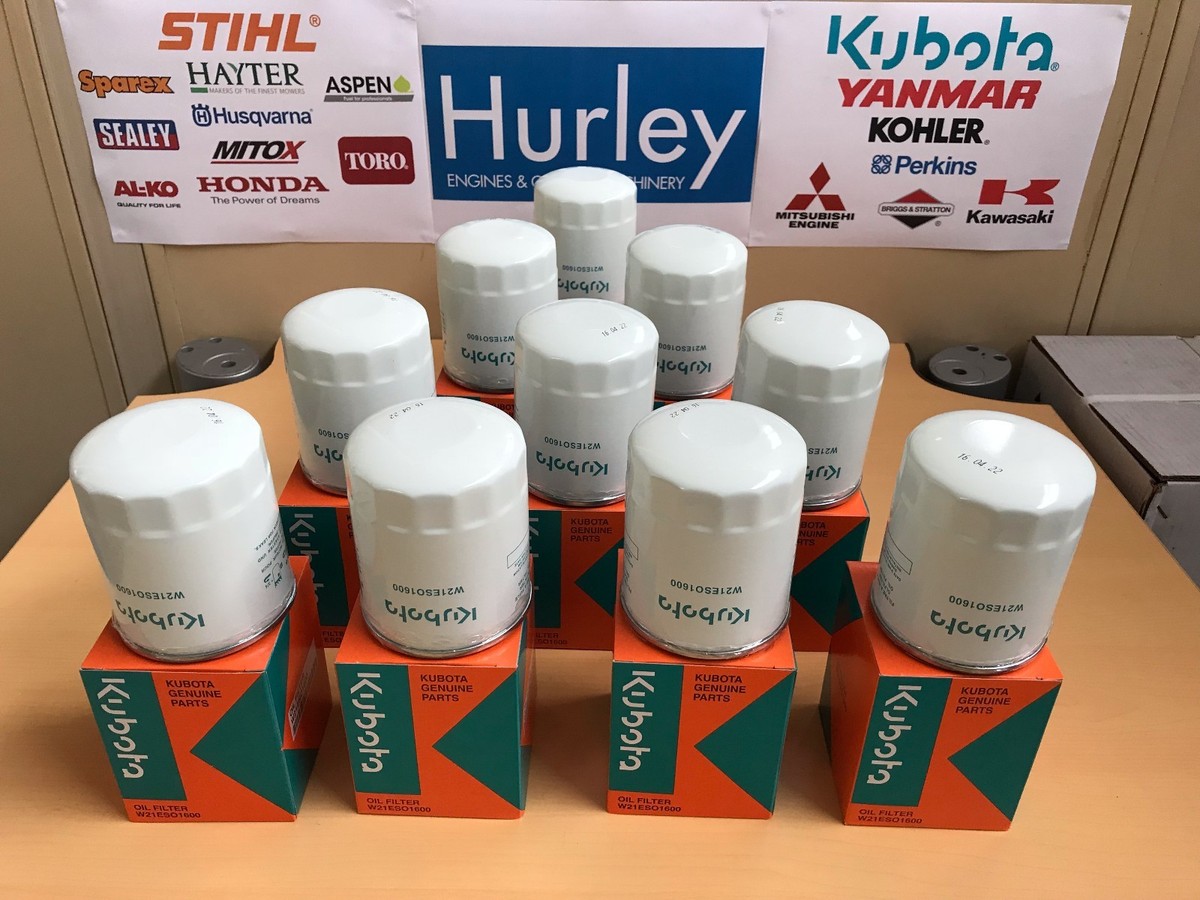
The oil filter removes dirt, metal particles, and debris from the oil. Changing the filter every oil change is cheap insurance for your engine. Some owners try to save money by skipping the filter change, but this can let dirty oil circulate, causing extra wear.
Oil filters for the Kubota D1105 are widely available. Look for filters that meet or exceed OEM (original equipment manufacturer) standards.
Non-Obvious Insight: Old or clogged filters can cause oil pressure to drop, which may trigger a warning light or reduce engine performance, even if you have enough oil.
Best Practices For Checking Oil Level
Checking oil is simple, but many people make mistakes:
- Always check with the engine off and after waiting a few minutes. This lets the oil settle in the pan.
- Wipe the dipstick clean before checking. Insert it fully, then remove to read the level.
- If you add oil, wait a minute before rechecking. Oil takes time to flow down to the pan.
Tip: If your oil level drops quickly after a change, check for leaks at the filter and drain plug.
Common Oil Problems And How To Solve Them
Even with good habits, problems can happen. Here are some common issues and solutions:
Oil Leaks
- Where to look: Around the oil filter, drain plug, valve cover gasket, and oil pan.
- How to fix: Tighten loose parts gently. If a gasket or seal is worn, replace it.
Oil Consumption
If your D1105 starts using oil between changes, check for blue smoke from the exhaust, leaks, or dirty oil. Excess oil use can mean worn piston rings or valve seals. Get it checked by a mechanic if the problem continues.
Oil Pressure Warning
If the oil pressure light comes on, stop the engine as soon as it’s safe. Check the oil level. If the oil is full, the problem may be a faulty sensor or oil pump—don’t ignore it.
Non-Obvious Insight: Some low-cost aftermarket filters can restrict oil flow, causing pressure problems. Always use quality filters.
Tips To Extend Engine Life
- Change oil and filter on schedule.
- Use high-quality oil and filters.
- Warm up the engine before heavy use.
- Don’t over-rev or overload the engine.
- Keep the air filter clean. Dirty air can contaminate oil faster.
- Store equipment in a dry, clean place. Moisture can cause rust inside the engine.
Extra Advice: If your engine sits unused for months, change the oil before storage and again before restarting after a long break. Old oil can turn acidic and damage internal parts.
Frequently Asked Questions
Can I Use Car Engine Oil In My Kubota D1105?
It’s not recommended. Diesel engines like the D1105 need oil with special additives for high pressure and soot. Use oil labeled for “diesel engines” with the right API rating.
What Happens If I Overfill The Oil?
Too much oil can cause leaks, foaming, or even engine damage. If you overfill, drain out the extra oil until the dipstick reads full.
How Do I Know If My Oil Is Still Good?
Check the color and feel. Good oil is usually clear or golden. Thick, black, or gritty oil is ready for changing. If in doubt, change it.
Should I Flush The Engine During Oil Changes?
Usually, just draining the oil is enough. Engine flushes are only needed if oil is extremely dirty or after a major repair. Too many flushes can damage seals.
How Can I Tell If My Oil Filter Is Clogged?
If you see the oil pressure light or hear the engine running louder, the filter could be clogged. Change the filter and check for improvement.
Real-world Stories
John, a small farm owner in Iowa:
“I used to wait too long between oil changes. One day, my D1105 started knocking and running rough. The mechanic said the oil was like tar. Since then, I change oil every 100 hours, and the engine runs like new.”
Maria, generator operator in Mexico:
“Our old generator had oil leaks around the filter. We found out the filter was not tight enough. Now, we always check after every oil change, and no more leaks. ”
Kumar, construction equipment supervisor in India:
“We switched to synthetic oil for our D1105 engines during summer. The engines ran cooler, and oil stayed clean longer. The extra cost is worth it for heavy use. ”
Mistakes To Avoid
- Ignoring the oil filter. Always change it with the oil.
- Using wrong oil type. Only use diesel-rated oil with correct viscosity.
- Skipping checks for leaks. Always inspect after changing oil.
- Not warming up the engine before draining oil. Cold oil leaves sludge behind.
- Forgetting to reset service reminders. Some equipment has electronic reminders—reset them after changing oil.
Maintenance Schedule At A Glance
- Check oil level: Every 8–10 hours of use, or daily.
- Change oil and filter: Every 100–150 hours, or as the manual recommends.
- Inspect for leaks: After every oil change and monthly.
- Replace air filter: Every 200–300 hours, or as needed.
Resources For More Information
For more details, always consult your Kubota D1105 owner’s manual. If you don’t have one, you can find service manuals on the official Kubota website. If you’re unsure about oil types or maintenance, talk to a trusted Kubota dealer or mechanic.
Summary: Keeping Your D1105 Running Strong
The Kubota D1105 engine is built to last, but only if you take care of it. Using the right oil, in the right amount, and changing it on schedule can add years to your equipment’s life. Remember to check for leaks, listen for new noises, and never ignore warning lights.
With these tips and regular care, your Kubota D1105 will give you reliable service for many years.
Taking a little extra time for oil maintenance saves money, prevents breakdowns, and keeps your engine running smoothly. Even a beginner can master these skills with practice. Don’t be afraid to ask for help, read your manual, or learn from others’ experience.
In the long run, good oil habits are the best protection for your Kubota D1105 engine.