
If you own a General Motors vehicle with an Lly Duramax engine, you probably care about how to keep your engine running smoothly for years. One of the most important things you can do for your engine is to know and manage its oil capacity correctly. It may seem like a simple detail, but getting it wrong can lead to reduced performance, engine wear, or even expensive repairs. This guide dives deep into the world of Lly oil capacity, covering what it is, why it matters, and how to handle it properly. Whether you’re a DIY enthusiast or just want to talk confidently with your mechanic, you’ll find everything you need right here.
Understanding The Lly Duramax Engine
The Lly Duramax is a 6.6-liter turbocharged diesel engine produced by General Motors between 2004 and 2005. It’s found in vehicles like the Chevrolet Silverado and GMC Sierra heavy-duty trucks. The engine is popular for its power, reliability, and towing capacity. But it’s also known for specific maintenance needs, especially when it comes to oil.
Key Features Of The Lly
- 6.6-liter V8 turbo diesel
- Direct injection
- Variable geometry turbocharger
- Output: Around 310 horsepower and 520 lb-ft of torque
This engine is robust, but it works hard, especially under heavy loads. That makes proper oil management even more critical.
What Is Oil Capacity?
Oil capacity refers to the total amount of engine oil needed for proper lubrication and cooling of all moving parts within the engine. For the Lly Duramax, this means both the oil in the crankcase and the oil filter after a full drain and oil change. If you underfill or overfill, you risk serious engine issues.
Why Oil Capacity Matters
- Engine Protection: Oil lubricates, cools, and cleans engine parts.
- Performance: The right amount ensures peak power and fuel efficiency.
- Longevity: Proper oil capacity prevents premature engine wear.
Many people don’t realize that too much oil can be just as harmful as too little. Overfilling may cause foaming, leaks, or blown seals, while underfilling leaves metal parts unprotected.
Lly Oil Capacity: The Official Numbers
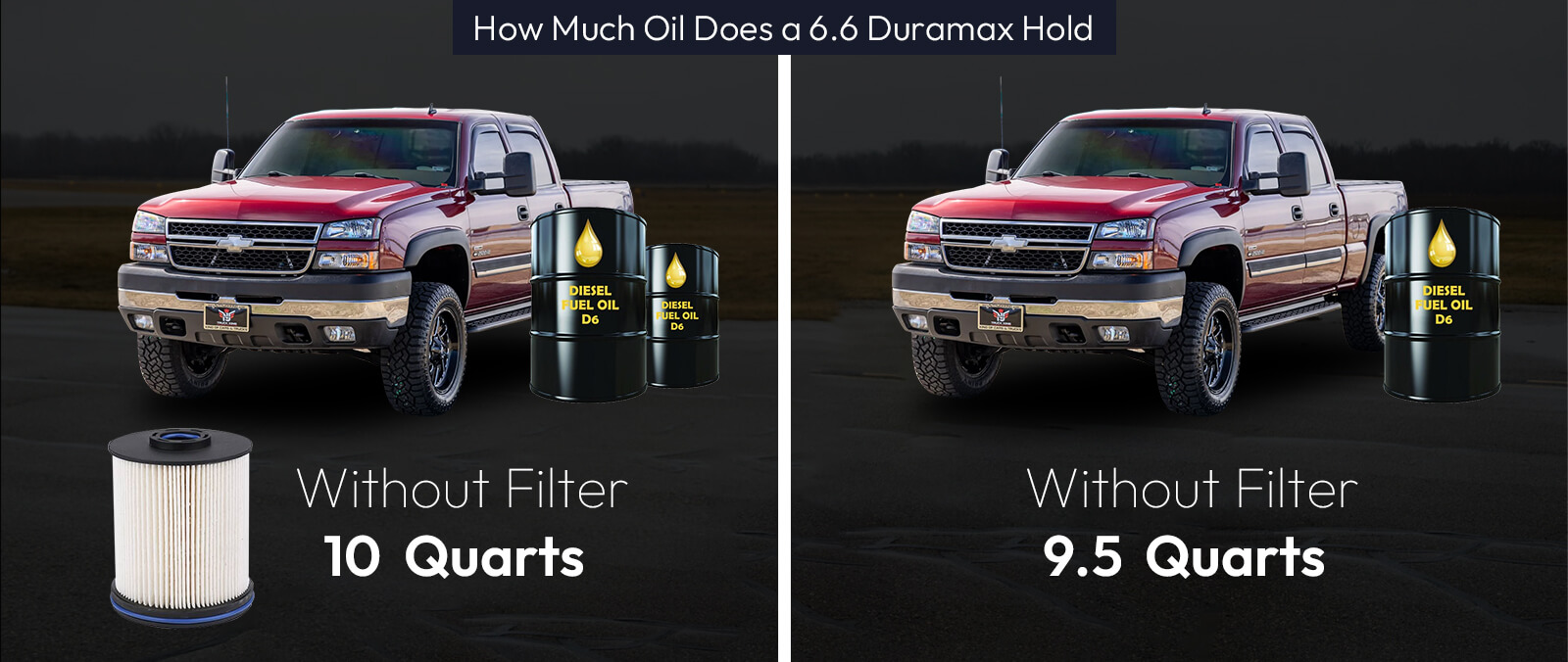
The official Lly oil capacity is 10 quarts (9.5 liters) with a new oil filter installed. This is the specification from both the vehicle’s owner’s manual and General Motors technical documents.
Lly Oil Capacity Table
Here is a quick reference for Lly oil capacity in different measurement systems:
| Measurement Type | Capacity |
|---|---|
| Quarts (U.S.) | 10 quarts |
| Liters | 9.5 liters |
| Gallons (U.S.) | 2.5 gallons |
This number is for a complete oil change, including the oil filter. If you change only the oil and not the filter, the number may be slightly lower, but always aim for the full 10 quarts during routine maintenance.
How To Check And Fill Lly Oil Correctly
Doing an oil change or simply topping up? Here’s how to get it right.
Step-by-step Oil Change Process
- Warm up the Engine: Let it run for a few minutes. Warm oil flows better and drains more completely.
- Park on Level Ground: This ensures accurate draining and checking.
- Remove the Oil Drain Plug: Use a catch pan to collect old oil.
- Remove and Replace the Oil Filter: The filter holds some oil, so always change it with the oil.
- Install the Drain Plug and New Filter: Tighten to the manufacturer’s torque specs.
- Add Fresh Oil: Pour in 10 quarts (9.5 liters) of quality diesel engine oil.
- Start and Run the Engine: Let it run for 1-2 minutes, then shut off and wait a few minutes.
- Check the Dipstick: Add a bit more if needed, but never overfill.
Practical Tips For Lly Owners
- Always use a diesel-rated oil meeting GM’s specifications.
- Check for leaks after filling.
- Dispose of old oil and filters responsibly.
A common mistake is not allowing enough time for the oil to settle before checking the dipstick, which can lead to overfilling.
Factors That Affect Lly Oil Capacity
While the official number is 10 quarts, a few factors can make the required amount slightly different.
Variations In Oil Capacity
- Aftermarket Oil Pans: Some trucks have larger pans for better cooling—these can need more oil.
- Remote Oil Filters or Coolers: Extra lines or filters can increase total system volume.
- Completely Dry Engines: If rebuilding an engine from dry, you may need a bit more than a routine oil change.
These scenarios are rare. Most Lly engines in everyday use should stick to the standard 10-quart fill.
What Kind Of Oil Is Best For The Lly?
Choosing the right oil is as important as using the correct amount.
Recommended Oil Type
- Viscosity: 15W-40 is the most common, but some climates may use 5W-40 (for cold starts).
- Certification: Look for oils that meet API CJ-4, CK-4, or later standards.
- Brand Examples: Shell Rotella T6, Mobil Delvac, and Chevron Delo are popular choices.
Synthetic Vs. Conventional
Synthetic oil offers better high-temperature protection and longer life, but costs more. Many owners with heavy towing needs or extreme temperatures prefer synthetic oil.
How Often Should You Change Lly Oil?
General Motors recommends changing oil every 7,500 miles (12,000 km) under normal use. But for heavy towing, frequent idling, or dusty conditions, shorter intervals are better—sometimes as often as 5,000 miles.
Oil Change Interval Table
| Usage Type | Recommended Interval |
|---|---|
| Normal driving | 7,500 miles (12,000 km) |
| Heavy towing/off-road | 5,000 miles (8,000 km) |
| Severe conditions (dust, short trips) | 5,000 miles (8,000 km) or less |
Many experienced owners track oil life with the in-dash Oil Life Monitor, but still check oil color and level regularly.
Signs You May Have The Wrong Oil Level
Not sure if you have too much or too little oil? Watch for these warning signs.
Symptoms Of Low Oil
- Oil warning light
- Ticking or knocking sounds
- Higher engine temperature
- Reduced performance
Symptoms Of High Oil
- Foamy oil on dipstick
- Smoke from exhaust
- Oil leaks
- Check engine light
If you notice any of these, check your oil level immediately.

How To Read The Lly Oil Dipstick
The dipstick is your friend, but many owners misread it. Here’s how to do it right.
- Park on level ground and wait 5-10 minutes after shutting off.
- Pull out the dipstick, wipe it clean, reinsert fully, and pull out again.
- The oil should be between the “Min” and “Max” marks—ideally closer to “Max” but not above.
A non-obvious tip: If the oil is very foamy or milky, it could mean overfilling or coolant contamination, not just an oil quantity issue.
Lly Oil Filter: Why It Matters
Changing the oil filter with every oil change is essential. The filter traps metal, soot, and dirt that would otherwise circulate and cause damage.
Recommended Lly Oil Filters
- ACDelco PF2232 (OEM part)
- WIX 57202
- Baldwin B1441
High-quality filters ensure the full oil capacity is circulating through the engine, not blocked or bypassed.
Common Mistakes Lly Owners Make
Even experienced DIYers can get things wrong. Here are mistakes to avoid:
- Not changing the oil filter: Old filters can block oil flow and reduce capacity.
- Overtightening the drain plug: This can strip threads and cause leaks.
- Forgetting to check for leaks: Always inspect under the engine after an oil change.
- Using gasoline engine oil: Diesel engines need special additives for soot and high pressure.
- Guessing the amount: Always measure; don’t “eyeball” oil levels.
A non-obvious insight: Aftermarket oil coolers or lines can add to total system capacity. If you’ve modified your truck, check your system’s actual volume.
Lly Oil Capacity Compared To Other Duramax Generations
If you own or work on more than one Duramax, you might wonder how the Lly compares.
Duramax Oil Capacity Comparison
| Engine Generation | Years | Oil Capacity (Quarts) |
|---|---|---|
| LB7 | 2001-2004 | 10 |
| LLY | 2004-2005 | 10 |
| LBZ | 2006-2007 | 10 |
| LMM | 2007.5-2010 | 10 |
| LML | 2011-2016 | 10 |
| L5P | 2017-present | 10 |
As you can see, most Duramax engines share the same oil capacity. That makes it easier for fleet owners or mechanics working with multiple generations.

How Oil Capacity Affects Performance
Some owners wonder if adding more oil can improve cooling or performance. Here’s the reality:
- Too much oil: Can lead to foaming, which reduces lubrication, not increases it.
- Too little oil: Causes overheating and increased wear.
- Correct oil capacity: Maintains oil pressure, cooling, and the right level of lubrication.
If you’re planning modifications for racing or heavy towing, talk to a specialist before changing oil system specs. Bigger oil pans or coolers must be matched to the rest of the system.
What To Do If You Overfill Or Underfill Your Lly
Mistakes happen. If you catch a mistake early, you can often fix it without long-term damage.
Overfilled Oil
- Do not drive: Excess oil can damage seals or foam up.
- Drain excess oil: Use the drain plug or a siphon.
- Recheck level: After running the engine briefly.
Underfilled Oil
- Add oil immediately: Running low even for a few miles can harm the engine.
- Check for leaks: If oil drops quickly, look for a leak.
Always double-check after an oil change, not just once but after the first drive as well.
The Role Of Oil Additives
Some owners like using oil additives for cleaning, reducing friction, or preventing leaks. While some products help, others are unnecessary or even harmful.
- Diesel engines: Usually don’t need extra additives if you use high-quality oil.
- Additives for leaks: These can swell seals but may cause other problems.
- Injector cleaners: These are added to fuel, not oil.
If you want to experiment, use only products approved for diesel engines, and never exceed recommended doses.
Environmental Impact Of Oil Changes
Used oil is considered hazardous waste. Never dump it in the trash, ground, or drains. Many auto parts stores and service stations recycle oil for free.
- Store used oil in a sealed container.
- Take it to a recycling center.
- Dispose of old filters properly.
This small step protects water sources, wildlife, and your community.
Lly Oil Change Cost: Diy Vs. Professional
Changing your oil at home is usually cheaper, but sometimes a shop is a better choice.
Cost Comparison
- DIY: $60–$100 (for oil and filter)
- Professional shop: $100–$180 (including labor)
Shops offer proper disposal and inspection, but DIY saves money and lets you check your truck closely.
When To Seek Professional Help
Even if you usually do your own oil changes, there are times when it’s smart to call a pro:
- Unusual engine noises after oil change
- Repeated low oil levels
- Signs of oil in coolant or vice versa
- You’re unsure about the process
Mechanics have tools and experience to diagnose hidden issues before they become big problems.
Lly Oil Capacity: Real-world Owner Experiences
Owners often share their stories online, and these can teach you a lot. Many report that after changing oil and filter with 10 quarts, the dipstick reads just below the “full” mark. This is normal, as some oil stays in the engine’s passages and coolers.
Others note that using a high-quality synthetic oil makes their engine run quieter and start easier in cold weather.
A few owners with aftermarket pans or oil coolers report needing 11 or 12 quarts. But unless you know your truck has these upgrades, stick to the standard fill.
Frequently Asked Questions
What Is The Exact Lly Oil Capacity With Filter?
The Lly Duramax requires 10 quarts (9.5 liters) of oil when you change both the oil and the filter. This amount ensures all engine parts receive proper lubrication. Always check the owner’s manual or under the hood for confirmation.
Can I Use 5w-40 Synthetic Oil In My Lly?
Yes, 5W-40 synthetic oil is suitable, especially in cold climates where easy starting is important. Just make sure the oil meets API CJ-4, CK-4, or newer diesel engine specifications. Many owners use 15W-40 in warmer weather and 5W-40 for winter.
What Happens If I Overfill My Lly Engine With Oil?
Too much oil can cause foaming, which reduces lubrication and may damage internal parts. It can also cause seals to leak and trigger warning lights. If you overfill, drain the excess oil before driving.
How Often Should I Change My Lly’s Oil?
Under normal conditions, change the oil every 7,500 miles (12,000 km). For heavy towing, off-roading, or severe conditions, change it every 5,000 miles (8,000 km) or even sooner. Always use the Oil Life Monitor as a guide but check the oil’s color and level manually.
Where Can I Find Official Oil Specifications For My Lly?
You can find official specifications in your owner’s manual or from trusted sources like the Chevrolet official website. Always use information for your specific model year and engine.
The Lly Duramax is a powerful and reliable engine, but only when you pay attention to the details—especially oil capacity. By following these tips, using the right oil, and avoiding common mistakes, you’ll keep your engine running strong for years to come. Taking a few extra minutes during each oil change could save you thousands in repairs and headaches down the road.