
Boating brings a sense of freedom you can’t find anywhere else. But, like any machine, your boat’s engine needs proper care to keep running smoothly. For owners of the Mercruiser 3.0, understanding the right oil type and oil capacity is essential. Using the wrong oil can lead to poor performance, higher wear, or even engine damage. But how do you know what oil to use, how much, and why it matters? This guide will give you clear answers and practical advice, whether you’re new to boating or just want to look after your investment better.
Let’s look at everything about Mercruiser 3. 0 oil type and capacity. You’ll learn which oils work best, how much to use, special considerations for climate or engine age, and common mistakes to avoid. We’ll also cover oil change steps and offer tips to extend your engine life.
By the end, you’ll feel confident caring for your Mercruiser 3. 0, save money on repairs, and enjoy more worry-free days on the water.
Understanding The Mercruiser 3.0 Engine
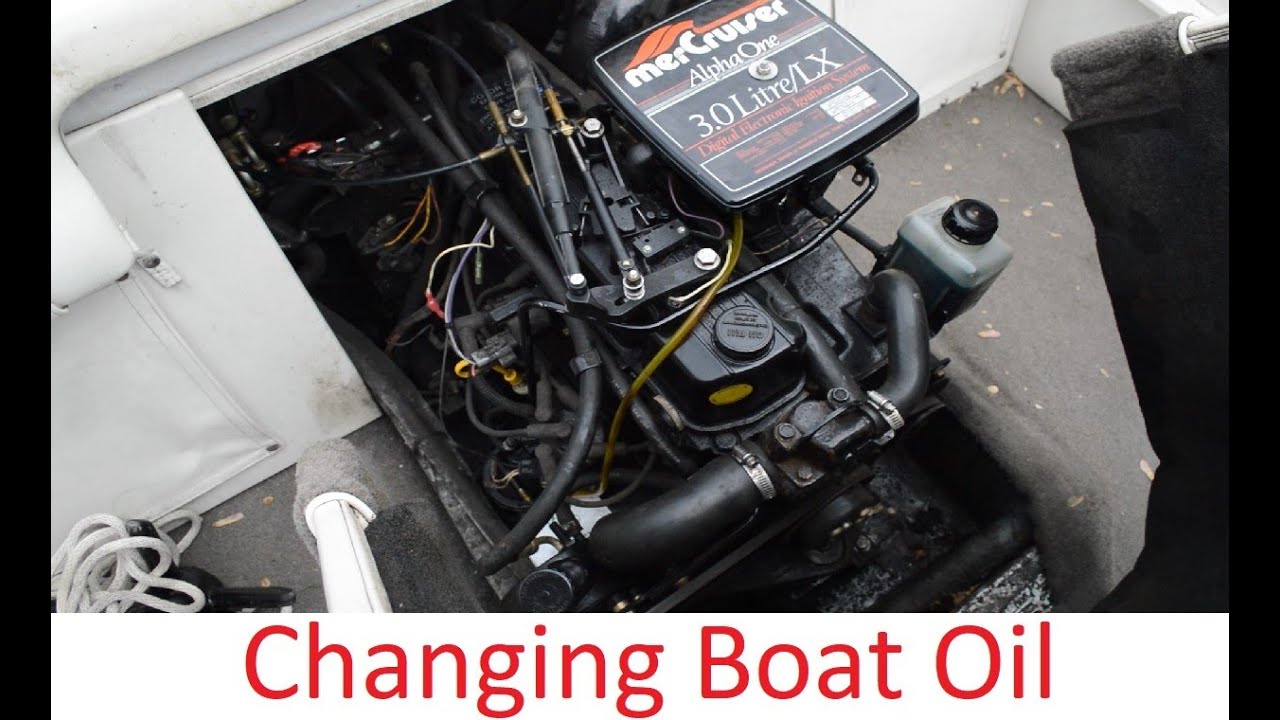
The Mercruiser 3.0 is a popular four-cylinder, 3.0-liter marine engine. Known for its reliability and efficiency, it’s commonly found in small to medium-sized boats. Its design is based on the GM 181 engine block, which means many parts, including oil systems, are similar to those in automotive engines. However, there are important differences due to the marine environment.
Marine engines often run at higher loads for longer periods. They also face unique challenges like moisture, saltwater, and varying temperatures. That’s why using the correct oil type and amount is more important for a boat engine than for many cars.
Why Oil Type And Capacity Matter
It’s easy to think that any engine oil will do. But for the Mercruiser 3.0, the right oil:
- Reduces wear on engine parts
- Prevents corrosion (a big problem in marine engines)
- Keeps the engine clean by carrying away dirt and particles
- Maintains performance even under heavy loads and high temperatures
If you use the wrong oil type, the protective film may break down, leading to metal-on-metal contact. Using too little oil leaves parts unprotected, while too much can cause leaks or foaming. Both situations risk serious engine damage.
Many beginners overlook the impact of humidity and water exposure. Marine engines often run cooler than car engines but face more moisture. That’s why marine oils have extra additives for rust and corrosion protection. Always look for oil marked as “marine grade” or meeting the NMMA (National Marine Manufacturers Association) FC-W standard.
Recommended Oil Types For Mercruiser 3.0
The engine oil you choose affects engine life, fuel economy, and even emissions. Here are the main options for the Mercruiser 3.0:
1. Mercruiser/mercury Marine 25w-40 Synthetic Blend
This is the manufacturer’s top recommendation. It’s specially designed for Mercruiser engines and meets all NMMA FC-W requirements.
Benefits:
- Excellent protection at high and low temperatures
- Strong corrosion resistance
- Good for both new and older engines
When to use: Ideal for most climates and conditions.
2. Mercruiser/mercury Marine 25w-40 Mineral Oil
This is the conventional, non-synthetic version.
Benefits:
- Good basic protection
- Lower cost than synthetic blends
When to use: Suitable for older engines or when synthetic is not available.
3. Other Nmma Fc-w Approved Marine Oils
Several other brands make NMMA FC-W approved oils in 25W-40 or 20W-40 grades.
Popular examples:
- Quicksilver 25W-40
- Mobil 1 Marine 25W-40
- Valvoline 4-Stroke Marine 25W-40
Key point: Always check the bottle for the FC-W logo. Oils for cars, even with the same viscosity, may lack marine additives.
4. Synthetic Oils
Full synthetic oils offer the highest protection, especially for engines under heavy stress or in extreme climates.
Benefits:
- Best oxidation resistance (less oil breakdown)
- Superior cold start protection
- Longest change intervals
When to use: Extreme use, such as towing or hot climates.
5. Multi-grade Vs. Single-grade Oils
Multi-grade (e. g. , 25W-40) oils flow well in both cold and hot conditions. Single-grade oils (like SAE 40) are rarely used now, except in very old engines or special cases.
Important: Never mix oil types or brands without checking compatibility.
Oil Viscosity Explained
Viscosity is how thick or thin oil is at different temperatures. For example, “25W-40” means:
- “25W” (Winter): Flows well at low temperatures for easy starting
- “40”: Remains thick enough at high engine temperatures to protect parts
Using the wrong viscosity can lead to poor lubrication, especially during cold starts or hot running. Stick to the recommended 25W-40 unless your manual clearly says otherwise.
Oil Capacity: How Much Oil Does A Mercruiser 3.0 Hold?
Knowing your engine’s exact oil capacity is crucial. Too much or too little oil can lead to problems.
The standard oil capacity for the Mercruiser 3.0 (with filter change) is:
- 4.5 US quarts (4.3 liters)
This includes the oil filter. If you change only the oil and not the filter, a little less oil may be needed.
Oil Fill Guide
After draining old oil and installing a new filter, pour in about 4 quarts (3. 8 liters), then check the dipstick. Add more, a little at a time, until you reach the “full” mark. Never overfill.
Oil Capacity For Different Model Years
While most Mercruiser 3. 0 engines (from the 1990s to current) use 4. 5 quarts, always check your owner’s manual or the sticker on the engine. Older models or those with aftermarket parts may vary by 0. 2-0. 3 quarts.
Here’s a quick comparison:
| Model Year | Oil Capacity (with filter) | Notes |
|---|---|---|
| 1990-2004 | 4.5 quarts (4.3L) | Standard for most 3.0L models |
| 2005-2012 | 4.5 quarts (4.3L) | No change from earlier years |
| 2013-present | 4.5 quarts (4.3L) | Same; check for changes in oil filter design |
If you’re unsure, check the engine serial number and consult the manufacturer’s guide.
How To Check Oil Level Correctly
Checking oil level seems simple, but mistakes are common:
- Park the boat level, not tilted.
- Let the engine cool for at least 5 minutes after running.
- Pull the dipstick, wipe it clean, and reinsert fully.
- Pull out again and read the oil level. It should be between the “add” and “full” marks.
Tip: If the oil looks milky or foamy, water may be in the oil—a sign of a leak or head gasket problem. Don’t run the engine; get it checked.
Step-by-step: Changing Oil In A Mercruiser 3.0
Many boat owners prefer to change oil themselves. Here’s how to do it safely and efficiently:
Tools And Supplies Needed
- 5 quarts of recommended oil (25W-40 marine oil)
- New oil filter (check model number)
- Oil extractor pump (for removing oil through dipstick tube)
- Oil catch pan or container
- Funnel
- Rags and gloves
- Wrench for oil filter (optional)
Oil Change Steps
- Warm up the engine for 5-10 minutes. Warm oil drains better.
- Shut off the engine and ensure the boat is level.
- Remove the dipstick. Insert the oil extractor tube down the dipstick tube.
- Extract old oil into the container. Take your time for a complete drain.
- Remove the old oil filter using a filter wrench. Be careful—some oil may spill out.
- Lubricate the new filter’s rubber seal with a dab of fresh oil.
- Install the new filter by hand. Do not overtighten—snug is enough.
- Add new oil through the fill cap, starting with 4 quarts.
- Check oil level with the dipstick. Add more as needed to reach “full.”
- Run the engine for 1-2 minutes. Shut off, wait, and recheck oil. Top up if needed.
Dispose of old oil and filter properly at a recycling center.
Common beginner mistake: Forgetting to check oil level after the engine has run with the new oil. The filter fills up, causing the oil level to drop.
Common Mistakes And How To Avoid Them
Changing oil isn’t hard, but small errors can cause big problems:
- Using automotive oil instead of marine oil. Car oils lack rust inhibitors.
- Overfilling the oil, which can blow seals or cause foaming.
- Leaving old oil in the filter. Always change the filter with the oil.
- Running the engine with low oil after a change. Always double-check the level.
- Ignoring oil leaks. Even small drips can lead to engine damage over time.
Non-obvious tip: Even if you use the best oil, if water gets into your engine (from a faulty gasket, cracked block, or poor winterization), oil alone won’t save it. Always check for milky oil and fix leaks fast.
Oil Change Intervals: How Often Should You Change Oil?
The general rule for the Mercruiser 3.0 is:
- Every 50 hours of operation or once per season, whichever comes first.
If you use your boat in saltwater, high humidity, or extreme heat, consider shorter intervals (every 30-40 hours).
Why so often? Marine engines work harder and face more contamination than car engines. Long periods of storage can also cause condensation, leading to water in the oil.
Pro tip: Change oil at the end of the season, not just the start. Old, dirty oil sitting in the engine over winter can corrode metal parts.
How Climate Affects Oil Choice
Not all boating locations are the same. Your oil needs may change based on climate:
Warm Climates (above 60°f/16°c)
- Use 25W-40 or 20W-40 marine oil.
- Synthetic blends handle heat better.
Cold Climates (below 50°f/10°c)
- 25W-40 is still good, but full synthetic offers better cold start protection.
- Let the engine warm up before running at high speed.
Humid/coastal Areas
- Always use marine-grade oil for extra corrosion inhibitors.
- Check oil more often for signs of water.
Storage In Freezing Temperatures
- Use oil recommended for your lowest expected temperature.
- Change oil before storage to remove acids and water.
Oil Filters: What You Need To Know
An oil filter is just as important as the oil. For Mercruiser 3. 0 engines, use a filter approved by Mercury Marine or one that meets the same specs.
Why does it matter?
- Cheap filters may not trap fine particles.
- Wrong-size filters can cause leaks or poor oil flow.
Always check the part number for your engine year. Some popular filters:
- Mercury Marine 35-866340K01
- Quicksilver 35-866340Q03
- Fram PH8A (cross-reference, but check compatibility)
Tip: Write the date and engine hours on the filter with a marker after each change.
Comparing Oil Brands And Types
With so many brands, how do you choose? Here’s a quick comparison of popular options:
| Brand | Type | Meets NMMA FC-W? | Approx. Price (per quart) |
|---|---|---|---|
| Mercury Marine | 25W-40 Synthetic Blend | Yes | $8-$10 |
| Quicksilver | 25W-40 Conventional | Yes | $7-$9 |
| Mobil 1 Marine | 25W-40 Full Synthetic | Yes | $11-$14 |
| Valvoline Marine | 25W-40 Synthetic Blend | Yes | $9-$11 |
Non-obvious insight: Cheaper oils often save money up front, but may lack key additives for marine use. Spending a little more for marine-grade or synthetic oil pays off in fewer repairs.

Signs Of Oil Problems In Mercruiser 3.0
Regular checks help spot issues early:
- Milky oil: Water contamination
- Black, sludgy oil: Overdue for change or overheating
- Low oil level: Leaks or burning oil
- Shiny metal flakes: Internal engine wear
If you notice any of these, stop using the engine and investigate further.
How To Extend The Life Of Your Mercruiser 3.0
Good oil habits can add years to your engine’s life. Here are some expert tips:
- Always use the correct oil type and change interval.
- Check oil level before every outing.
- Change oil and filter before winter storage.
- Store the boat with the bow slightly raised to help oil drain back.
- Run the engine after an oil change to circulate fresh oil.
- Use fuel stabilizer to reduce contamination.
- Keep engine compartment dry and clean.
Extra tip: If you run your boat in shallow or dirty water, check the oil more often. Silt or sand can find its way into the engine.

Frequently Asked Questions
What Is The Best Oil For Mercruiser 3.0?
The best oil is Mercury Marine 25W-40 Synthetic Blend. It meets all manufacturer and NMMA FC-W requirements. Other approved marine oils in the same grade are also suitable if they have the FC-W logo.
Can I Use Car Engine Oil In My Mercruiser 3.0?
No. Car oils lack the special rust inhibitors and detergents needed for marine engines. Always use oil labeled for marine use and approved by the NMMA.
How Often Should I Change The Oil In My Mercruiser 3.0?
Change the oil every 50 hours of use or once per season. In harsh environments (saltwater, high heat), change more often—every 30-40 hours.
What Happens If I Overfill The Oil?
Overfilling can cause foaming, leaks, or even blow engine seals. Always fill slowly, check the dipstick, and keep oil at the “full” mark—never above.
Where Can I Find Official Oil Recommendations?
Official recommendations are in your owner’s manual or on the Mercury Marine website. For more details, visit the Mercury Marine Oil Guide.
Boating is more enjoyable when you know your engine is protected. By using the right oil type and amount, changing it regularly, and avoiding common mistakes, you give your Mercruiser 3. 0 the best chance for a long, trouble-free life.
Take the time to check and maintain your oil—it’s a small effort for peace of mind on the water.