
Boaters often focus on horsepower, hull design, and electronics, but many overlook a crucial detail: the engine’s oil. If you own a Mercruiser 4.3 engine, understanding the right oil type and the correct capacity is as important as fueling up. The wrong oil or too much (or too little) can lead to poor performance, expensive repairs, and even a ruined day on the water. This guide will walk you through everything you need to know about the Mercruiser 4.3 oil type and capacity, including why these details matter, how to choose wisely, and practical steps for changing your oil confidently. Whether you’re new to marine engines or have years of experience, this article will help you keep your Mercruiser running smoothly for years to come.
Why Oil Type And Capacity Matter For Your Mercruiser 4.3
Many boat owners believe that oil is just oil. But marine engines like the Mercruiser 4.3 operate under different conditions compared to car engines. Boat engines often run at higher RPMs for longer periods, face moisture and salt exposure, and may sit unused for weeks or months. Using the right oil type ensures proper engine lubrication, keeps internal parts clean, and protects against corrosion.
Oil capacity is equally critical. Too little oil leads to poor lubrication, overheating, and potential engine seizure. Too much oil can cause foaming, pressure problems, and leaks. Both mistakes are costly and avoidable.
Understanding these basics is the first step to hassle-free boating and long engine life.
Overview Of The Mercruiser 4.3 Engine
Before diving into specifics, it helps to know what makes the Mercruiser 4.3 special. This engine is a 4.3-liter (262 cubic inches) V6, widely known for its balance of power and reliability. It’s popular in both runabouts and cruisers due to its efficient design and good fuel economy.
Over the years, Mercruiser has released several 4.3 variants, including carbureted, EFI (Electronic Fuel Injection), and MPI (Multi-Point Injection) models. While the core engine remains similar, there are small differences in oil system design and requirements. Always check your owner’s manual for the exact model year details, but this guide will cover the most common standards and practical advice for all 4.3 versions.
The Three Key Items: Oil Type, Oil Capacity, And Oil Change Best Practices
This topic revolves around three critical questions:
- What is the recommended oil type for the Mercruiser 4.3?
- How much oil does the Mercruiser 4.3 need (oil capacity)?
- What are the best practices for changing oil in this engine?
Let’s address each in detail.
1. Recommended Oil Type For Mercruiser 4.3
Choosing the right oil can be confusing. There are different brands, grades, and types (like synthetic vs. conventional). For the Mercruiser 4.3, Mercruiser and most marine experts recommend SAE 25W-40 marine engine oil.
Understanding Oil Viscosity
The oil grade, such as 25W-40, describes viscosity—how thick or thin the oil is at various temperatures. The “25W” means the oil stays fluid enough for cold starts, while “40” means it remains thick enough to protect the engine at high operating temperatures. Marine engines need this balance because they heat up quickly and often work hard in warm weather.
Why Not Use Automotive Oil?
It’s tempting to use car oil, but marine engines have unique needs:
- Moisture resistance: Marine oil is formulated with additives to resist water and prevent rust.
- High RPM durability: Boat engines often run at 80% or more of their max RPM for long periods, unlike cars.
- Shear stability: Marine oil maintains its protective properties even when subjected to intense pressure.
Synthetic Vs. Conventional Oil
You’ll find both conventional and synthetic marine oils. Here’s how they compare:
- Synthetic oil offers better protection at high temperatures, resists breakdown, and keeps the engine cleaner. It’s especially good if you boat in hot climates or run your engine hard.
- Conventional oil is less expensive and works well for moderate use and cooler climates.
Mercruiser-branded 25W-40 synthetic blend is widely available and meets all requirements. Other reputable marine oil brands that meet NMMA FC-W (National Marine Manufacturers Association Four Cycle Water-cooled) certification are also suitable.
Key Oil Specifications
When buying oil, check for these:
- SAE 25W-40 viscosity
- NMMA FC-W certification (look for this label)
- Marine engine specific (avoid “auto” or “automotive” only oils)
Using the wrong oil type can void warranties and cause engine damage.
Common Brands
Popular choices include:
- Mercury MerCruiser 25W-40 Synthetic Blend
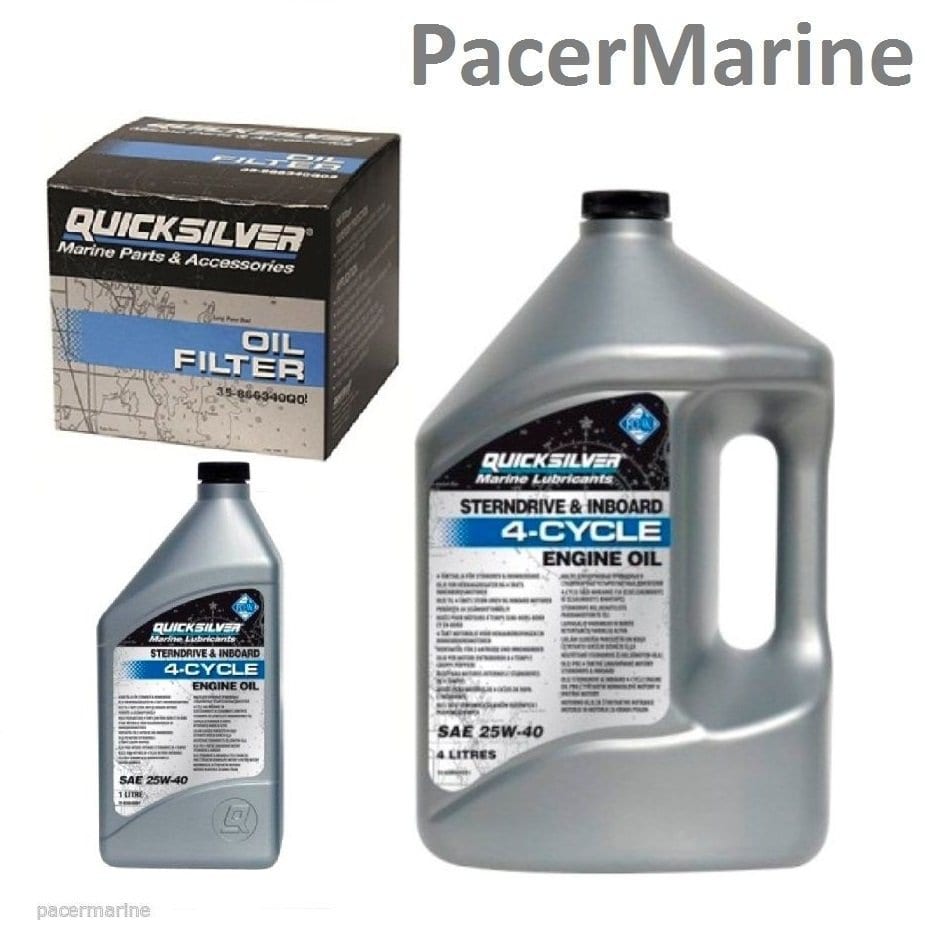
- Quicksilver 25W-40 Marine Engine Oil
- Yamalube 25W-40 Marine Oil (for multi-brand users)
Example: Cold Weather Boating
If you boat in colder climates, you might consider 10W-30 for early spring or late fall use, but only if it’s NMMA FC-W rated and your manual allows. Always return to 25W-40 for regular use.
Two Insights Beginners Often Miss
- Additive packages matter: Marine oil contains special rust inhibitors and detergents. Automotive oil lacks these, so even if the viscosity matches, the protection does not.
- Mixing oil types: Avoid mixing synthetic and conventional oil unless the manufacturer says it’s safe. This can reduce the effectiveness of additives and lead to engine sludge.
2. Oil Capacity Of The Mercruiser 4.3
Knowing how much oil to add is as important as using the right oil. Too much or too little can damage your engine.
Standard Oil Capacity
Most Mercruiser 4.3 engines have an oil capacity of 4.5 quarts (4.3 liters) with a new oil filter. This can vary slightly depending on model year, boat installation, and filter type.
- With filter change: 4.5 quarts (4.3 liters)
- Without filter change: Slightly less, about 4.0 quarts (3.8 liters)
Why Capacity Can Vary
The oil pan shape, remote oil filter setups, and even the boat’s angle in the water can affect how much oil drains out and refills. Always use the dipstick to confirm the correct level after an oil change. Never just pour in all 4.
5 quarts without checking, as old oil may remain in the pan.
Practical Example
You drain your engine, replace the filter, and add 4. 5 quarts. After running the engine for a few minutes and letting it sit, you check the dipstick. If the level is below “full,” add small amounts and recheck. If above, remove some oil.
A little time spent here prevents big problems later.
Table: Oil Capacity Comparison For Common Mercruiser V6/v8 Engines
Here’s how the 4.3 compares to other popular Mercruiser engines:
| Engine Model | Oil Capacity (with filter) | Oil Viscosity |
|---|---|---|
| Mercruiser 3.0 (4-cyl) | 4.0 quarts (3.8 L) | 25W-40 |
| Mercruiser 4.3 (V6) | 4.5 quarts (4.3 L) | 25W-40 |
| Mercruiser 5.0 (V8) | 5.0 quarts (4.7 L) | 25W-40 |
| Mercruiser 5.7 (V8) | 5.5 quarts (5.2 L) | 25W-40 |
Two Insights Beginners Often Miss
- Check oil level with the boat level: If your boat sits bow-up on the trailer, oil may pool away from the dipstick, giving a false low reading. Always check on level ground or in the water.
- Don’t forget the oil filter: The filter holds some oil. Skipping filter replacement means you’ll need slightly less oil, but it’s best practice to replace the filter every time.
3. Best Practices For Changing Oil In A Mercruiser 4.3
Changing your oil is more than just dumping and refilling. Doing it right can extend your engine’s life and help you spot problems early.
Tools And Supplies Needed
- 5 quarts (4.7 liters) of SAE 25W-40 marine oil
- New oil filter (Mercruiser or quality aftermarket)
- Oil filter wrench
- Oil extractor pump or drain hose
- Funnel
- Rags and absorbent pads
- Oil catch container
Step-by-step Oil Change Process
- Warm Up the Engine
- Run the engine for 5-10 minutes. Warm oil flows better and carries contaminants out.
- Shut Down and Prepare
- Turn off the engine. Let it cool for a few minutes to avoid burns.
- Remove Old Oil
- Use an oil extractor pump through the dipstick tube or the drain hose (if equipped). Pump out as much oil as possible.
- Replace Oil Filter
- Use the filter wrench to remove the old filter. Apply a little new oil to the gasket of the new filter and install it hand-tight.
- Add New Oil
- Use a funnel to pour in about 4 quarts. Wait a minute, check the dipstick, and add more to reach the “full” mark.
- Run and Recheck
- Start the engine for a few minutes to circulate new oil. Shut off and check for leaks around the filter. Wait 5 minutes, then recheck oil level and top up if needed.
- Dispose of Old Oil Properly
- Take used oil and filter to a recycling center. Never dump oil in the water or on the ground.
Table: Oil Change Supplies And Their Purposes
| Item | Purpose | Estimated Cost (USD) |
|---|---|---|
| SAE 25W-40 Marine Oil (5 qt) | Lubricates engine, protects parts | $30–$45 |
| Oil Filter | Removes contaminants from oil | $8–$18 |
| Oil Extractor Pump | Removes oil from engine | $25–$60 |
| Funnel | Prevents spills when adding oil | $2–$6 |
| Absorbent Pads | Catches drips, keeps area clean | $5–$10 |
Common Mistakes To Avoid
- Overfilling: More is not better. Overfilled oil can foam and lose its ability to lubricate.
- Underfilling: Too little oil causes friction and heat.
- Not changing the filter: Old filters trap dirt and can clog, reducing oil flow.
- Ignoring oil leaks: After changing oil, always check for leaks around the filter and drain area.
Extra Tip: Keep An Oil Log
Record the date, engine hours, and oil type every time you change oil. This helps diagnose future issues and proves regular maintenance if you sell your boat.

Credit: www.desertcart.in
Seasonal Oil Considerations For Mercruiser 4.3
Boating seasons and climate impact your oil decisions. Here’s what to consider:
Spring Startup
After winter storage, always change oil before the first trip. Old oil can absorb moisture over the winter and lose its protective qualities.
Summer Use
Stick with 25W-40 marine oil for hot weather. If you run long hours in high heat, synthetic oil can offer extra protection.
Fall/winterization
Change oil at the end of the season, not the start. This removes acids and contaminants that could harm internal parts during storage.
Table: Oil Type By Season
| Season | Recommended Oil Viscosity | Notes |
|---|---|---|
| Spring | 25W-40 (or 10W-30 in cold) | Fresh oil before first run |
| Summer | 25W-40 | Synthetic preferred for high heat |
| Fall | 25W-40 | Change oil before storage |
| Winter (storage) | N/A | Store with fresh oil inside |
How To Choose The Best Oil For Your Mercruiser 4.3
When faced with different brands, prices, and marketing claims, it’s easy to get overwhelmed. Here’s how to decide:
- Follow the owner’s manual. Always trust your engine’s manufacturer over generic advice.
- Look for NMMA FC-W certification. This shows the oil meets marine engine standards.
- Choose synthetic for hard use. If you run your boat hard, in hot weather, or want the best protection, go synthetic.
- Buy from trusted sources. Avoid bargain oils from unknown brands or unverified sources.
If you’re unsure, stick with Mercury/Quicksilver branded oil. It’s made specifically for Mercruiser engines.
Non-obvious Insight
Some boaters believe “thicker oil is better. ” In reality, using oil that’s too thick for your engine can reduce lubrication, especially on cold starts. Always use the viscosity recommended, not “heavier” oil.
Signs You Used The Wrong Oil Type Or Capacity
Boats rarely give instant feedback if you use the wrong oil, but over time, problems will appear. Watch for:
- High engine temperatures
- Low or fluctuating oil pressure
- Blue or white smoke from the exhaust
- Unusual engine noises (knocking, ticking)
- Oil leaks
If you spot these, stop the engine and check oil level and type immediately.
Importance Of Regular Oil Changes
Changing oil is the cheapest “insurance” for your Mercruiser. Fresh oil removes harmful contaminants, protects against rust, and extends engine life. Mercruiser recommends changing oil every 50-100 hours of operation or once per year, whichever comes first. If you operate in saltwater or run at high speed often, change oil more frequently.
Neglecting oil changes can lead to:
- Internal corrosion
- Sludge and varnish buildup
- Expensive repairs
A well-maintained Mercruiser 4. 3 can easily last thousands of hours with proper oil care.

Credit: www.youtube.com
Environmental Responsibility
Disposing of oil and filters properly is critical. Used oil can pollute water, harm wildlife, and is illegal to dump in most areas. Always take used oil to a recycling center or marine service facility. Many auto parts stores accept used oil for free.
Troubleshooting Common Oil Problems
If you notice oil issues after a change, here’s what to check:
- Oil on top of the engine: Usually a loose or double-gasketed oil filter.
- Milky oil: Water contamination, possibly from a leak or failed gasket.
- Oil level drops quickly: Possible leak or burning oil, check for blue exhaust smoke.
- Oil pressure warning: Could be low oil, clogged filter, or oil pickup problem.
Don’t ignore these signs. Catching a small problem early can save your engine.
Expert Tips For Long Engine Life
- Warm up your engine before running at high speed.
- Check oil level often, especially during the first few trips after an oil change.
- Keep extra oil and a filter on board for emergencies.
- Use high-quality fuel to reduce oil contamination.
- Inspect for leaks after every oil change.
Where To Learn More
For more details and the latest recommendations, visit the official Mercury Marine website. They offer up-to-date guides, official manuals, and technical bulletins.
Credit: pacermarine.co.uk
Frequently Asked Questions
What Oil Filter Should I Use With The Mercruiser 4.3?
Use a Mercruiser-branded oil filter or a marine-grade equivalent that meets Mercruiser specs. Part numbers vary by year, but the most common is 35-866340K01. Avoid cheap automotive filters, as they may not provide enough flow or filtering for marine use.
Can I Use Synthetic Oil In My Mercruiser 4.3?
Yes, synthetic 25W-40 marine oil is safe and can offer better protection, especially in hot climates or with heavy engine use. Make sure the oil is NMMA FC-W certified.
How Often Should I Change The Oil In My Mercruiser 4.3?
Change oil every 50-100 engine hours or once per year, whichever comes first. More frequent changes are recommended for saltwater use or high-speed operation.
What Happens If I Overfill Or Underfill The Oil?
Overfilling can cause oil foaming and leaks. Underfilling leads to poor lubrication and possible engine damage. Always use the dipstick to confirm the proper level after filling.
Is There A Difference Between Mercruiser And Quicksilver Oils?
Both Mercruiser and Quicksilver oils are made by Mercury Marine and meet the same standards. They are fully interchangeable if the viscosity and certification match.
Taking care of your Mercruiser 4.3’s oil type and capacity is one of the simplest ways to enjoy worry-free boating. A few careful steps and the right choices ensure that every trip starts with peace of mind and ends with a healthy, powerful engine.