
The BMW N55 engine is famous among car enthusiasts for its smooth power delivery and advanced engineering. One key aspect of keeping this engine healthy is understanding its oil capacity. Proper oil levels help prevent engine wear, maintain performance, and extend the engine’s life. But there’s more to oil capacity than just knowing a number. This article explores everything you need to know about the N55 oil capacity, including 55 detailed factors that can influence or relate to it. Whether you maintain your own BMW or just want to understand your car better, you will find practical insights, real-world examples, and clear answers to common questions.
N55 Oil Capacity Basics
1. Standard Oil Capacity
The BMW N55 engine typically holds 6.5 liters (6.9 US quarts) of engine oil, including the oil filter. This is the amount you need for a complete oil change. Always check your owner’s manual or the oil cap for confirmation, as some models or years may vary slightly.
2. Oil Pan Size
The oil pan is the reservoir at the bottom of the engine that collects oil after it circulates. For most N55 engines, the pan is designed to fit the full 6.5-liter capacity. If you replace the oil pan, ensure the new one matches the original size to avoid issues with oil starvation or overfilling.
3. Oil Filter Volume
The oil filter traps dirt and metal particles, keeping the engine oil clean. The filter itself holds about 0.3 to 0.5 liters of oil. Replacing the filter during each oil change is essential; otherwise, you may not be adding enough new oil.
4. Model Variations
The N55 engine was used in many BMW models, including the F30 335i, F10 535i, F25 X3 35i, and F15 X5 35i. Although the basic oil capacity is the same, always double-check for model-specific variations.
5. Oil Change Intervals
BMW recommends changing the oil every 10,000 miles (16,000 km) or once a year, whichever comes first. Using the correct oil capacity ensures fresh oil circulates properly and protects engine components.
6. Oil Level Sensors
The N55 uses an electronic oil level sensor instead of a traditional dipstick. This sensor can give precise readings, but you must follow the car’s procedure for checking oil levels—usually, this means checking after the engine is warm and the car is on a level surface.
7. Oil Consumption
Some oil is naturally burned during engine operation. The N55 can consume up to 1 quart every 1,000 miles under heavy driving. Monitoring oil levels regularly is important, especially between changes.
8. Oil Type Compatibility
The BMW N55 requires BMW Longlife-01 or LL-01FE approved oils, usually in 5W-30 or 0W-40 viscosity. Using the correct oil type ensures proper lubrication at the stated oil capacity.
9. Aftermarket Oil Coolers
Some enthusiasts install aftermarket oil coolers for better temperature control. These can slightly increase oil capacity, sometimes by 0.2 to 0.5 liters. Always account for this extra volume during oil changes.
10. Draining Old Oil
When draining old oil, allow sufficient time for all oil to exit the system. Residual oil may stay in the pan or filter housing, slightly affecting the total refill amount.
Factors Affecting N55 Oil Capacity
11. Engine Wear And Age
Older engines with worn seals or gaskets may burn or leak more oil. Over time, you might need to check and top up more often to maintain the correct capacity.
12. Oil Temperature
Oil expands when hot. Always measure oil levels when the engine is at the recommended temperature—usually after driving for at least 10 minutes.
13. Oil Residue
Some oil remains inside the engine even after draining. This leftover oil is typically less than 0.2 liters, but it’s important to consider if you’re measuring oil precisely.
14. Sump Design
The shape and design of the oil sump can affect how much oil is held. Some modified sumps for racing or off-road use might hold slightly more oil.
15. Oil Cooler Lines
If your N55 has external oil cooler lines, these add a small amount of extra volume to the system, usually less than 0.1 liter.
16. Oil Catch Cans
An oil catch can traps excess oil vapor before it returns to the intake. While it doesn’t change the main oil capacity, it may collect a small amount of oil (10–50 ml) over time.
17. Filter Housing Design
The filter housing on the N55 is designed for easy filter changes. Some aftermarket housings have different internal volumes, which can slightly alter oil needs.
18. Engine Angle
When parked on an incline, oil may not drain fully. Always perform oil changes and level checks on a flat surface for the most accurate readings.
19. Residual Oil After Failure
If the engine has experienced a failure (like a blown head gasket), more oil may remain trapped in the system. Flushing the engine may be necessary before refilling to the correct capacity.
20. Oil Pump Design
The oil pump pushes oil through the engine. High-performance pumps may have different flow rates but do not usually change overall oil capacity.
Practical Oil Maintenance For The N55
21. Oil Change Tools
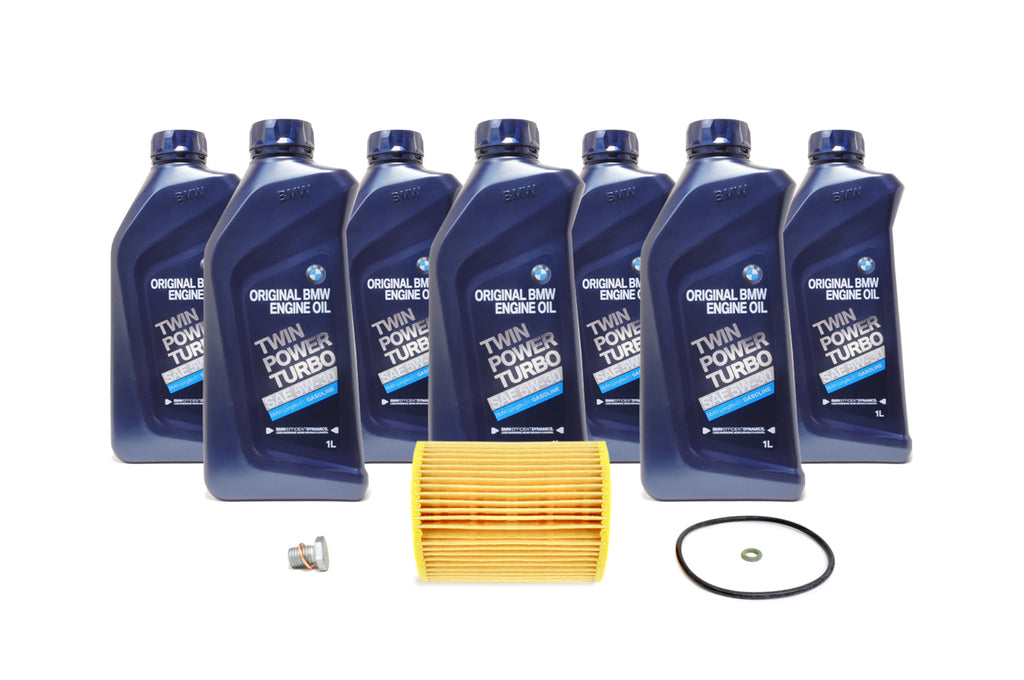
To change N55 oil, you need a 17mm socket, an oil filter wrench, a drain pan, and a funnel. Using the right tools helps avoid spills and ensures you refill the correct amount.
22. Oil Disposal
Never pour used oil down the drain. Most auto parts stores will accept used oil for recycling. Collect and transport it in a sealed container.
23. Measuring Oil Accurately
Because the N55 uses an electronic sensor, follow the dashboard prompts exactly. It may take a few miles of driving after an oil change for the reading to update.
24. Refilling Step By Step
Add about 6 liters first, then start the engine for 30 seconds. Shut it off, wait a few minutes, then check the oil level and top off as needed. This prevents overfilling.
25. Signs Of Overfilling
Too much oil can cause foaming, poor lubrication, and even engine damage. Watch for smoke, rough idle, or warning lights if you suspect an overfill.
26. Signs Of Underfilling
Low oil can cause lifter noise, overheating, or even a check engine light. If the oil level is below minimum, add oil immediately.
27. Oil Drain Plug Torque
The drain plug should be tightened to 25 Nm (18 lb-ft). Over-tightening can strip the threads, while under-tightening risks leaks.
28. Oil Filter Cap Torque
The oil filter cap should be tightened to 25 Nm (18 lb-ft) as well. Use a torque wrench for best results.
29. Crush Washer Replacement
Always replace the crush washer on the drain plug during each oil change to prevent leaks.
30. Oil Service Reset
After an oil change, reset the oil service reminder in your BMW’s iDrive or dashboard menu. This helps track oil change intervals accurately.
Detailed Oil Capacity Considerations
31. Cold Vs. Hot Fill
Oil contracts when cold and expands when hot. The official capacity is based on a warm engine. Always check and fill at operating temperature for accuracy.
32. Oil Aeration
If the oil is overfilled, it can foam or aerate, reducing its ability to lubricate. This is a hidden danger that can cause engine wear.
33. Oil Level Fluctuations
Aggressive driving or high-speed cornering can cause short-term oil level changes. Always check oil after the car has been parked on level ground for at least 5 minutes.
34. Engine Break-in
For new or rebuilt N55 engines, the first oil change is usually recommended after 1,200–2,000 miles. This helps remove metal particles from the break-in process.
35. Turbocharger Oil Needs
The N55’s turbocharger is lubricated by engine oil. This means the correct oil level is even more critical. Low oil can quickly damage the turbo.
36. Oil Capacity During Repairs
If you’ve replaced major engine parts (like the oil cooler or oil lines), you may need to add a bit more oil than usual to account for the new components.
37. Oil Cap Location
The oil fill cap on the N55 is located on the top of the valve cover. Always wipe off dirt before opening to avoid contamination.
38. Oil Level After Storage
If the car has been stored for a long time, check oil levels before starting. Oil can drain from passages and affect the initial reading.
39. Oil Additives
Some owners use oil additives for cleaning or extra protection. These usually do not affect oil capacity, but always follow product instructions to avoid overfilling.
40. Incorrect Oil Use
Using the wrong viscosity or oil not approved for the N55 can cause sludge or poor lubrication, even if the capacity is correct. Stick with manufacturer recommendations.
N55 Oil Capacity In Special Situations
41. Track Use
Frequent track driving causes higher oil temperatures and consumption. Check oil levels before and after every track session, and consider slightly higher fill within the safe range.
42. Towing And Heavy Loads
If you use your N55-powered car for towing or carrying heavy loads, oil breaks down faster. Stick to the full recommended capacity and shorten oil change intervals.
43. Cold Climates
Extreme cold can thicken oil and slow circulation. Use the correct cold-weather oil and always fill to the full recommended capacity.
44. Hot Climates
High heat can thin oil, increasing consumption. Regularly check oil levels and use the correct viscosity for your climate.
45. Short Trips
Frequent short trips don’t let the oil reach full temperature, leading to moisture buildup. This can affect oil quality but not capacity. Still, regular checks and changes are important.
46. Long-distance Driving
On long trips, oil temperature stays consistent, but higher speeds can use more oil. Carry extra oil for top-ups if you’re covering long distances.
47. Oil Leaks
Even small leaks can reduce oil below safe levels. If you notice oil spots under the car or oil smell, inspect and fix leaks immediately.
48. High-mileage Engines
Engines with over 100,000 miles (160,000 km) may use more oil. Check levels more often and top off as needed.
49. Modified Engines
If your N55 has been modified with a bigger turbo, larger sump, or other upgrades, the oil capacity may change. Consult your tuner or mechanic for the new specification.
50. Emergency Top-ups
If you must top up with a different brand or viscosity in an emergency, return to the correct oil as soon as possible. Never overfill.
Oil Capacity Compared Across Bmw Engines
Understanding how the N55 compares to other BMW engines can offer useful perspective. Here’s a quick look:
| Engine | Typical Oil Capacity (L) | Notes |
|---|---|---|
| N55 (3.0L Turbo I6) | 6.5 | Includes filter |
| N54 (3.0L Twin Turbo I6) | 6.9 | Slightly higher; similar design |
| B58 (3.0L Turbo I6) | 6.5 | Successor to N55 |
| N20 (2.0L Turbo I4) | 5.0 | Smaller displacement |
This comparison shows the N55’s oil capacity is typical for its engine size and type.

Common N55 Oil Capacity Mistakes
51. Not Checking After Refill
Many owners forget to check the oil level after refilling, especially with the electronic sensor. Always confirm the correct level before driving.
52. Ignoring Oil Warning Lights
If the dashboard shows an oil warning, stop and check immediately. Driving with low oil can cause severe damage.
53. Mixing Oil Brands
Mixing different oil brands or viscosities can affect performance, even if you maintain the right capacity. Stick with one type if possible.
54. Using Old Oil
Even with the correct capacity, old or degraded oil can’t protect your engine well. Follow change intervals strictly.
55. Overfilling During Top-off
When topping up between changes, add oil slowly and check frequently. It’s easy to overfill, especially with the N55’s electronic sensor.
N55 Oil Change Cost And Frequency
Most BMW dealers charge between $120–$200 USD for a professional oil change on the N55. DIY oil changes typically cost $50–$80 USD for oil and filter. Sticking to the correct oil capacity helps avoid unnecessary engine repairs, which can cost thousands.
Real-world Examples
BMW owners with the N55 engine often report that keeping the oil level at the upper range of the measurement system helps with engine smoothness and turbo reliability. For example, one 335i owner noticed better throttle response and lower engine noise after switching to the correct oil type and always filling to the full 6.
5-liter capacity.
Another common scenario: after an oil change, the electronic sensor may take a few minutes of driving to show the new level. Patience is important; don’t add more oil immediately, as this can lead to overfilling.
Useful Reference For Further Reading
For more technical details and in-depth engine specifications, you can visit the BMW N55 Wikipedia page.
N55 Oil Capacity At A Glance
Here’s a summary table for quick reference:
| Parameter | Value | Notes |
|---|---|---|
| Standard Oil Capacity | 6.5 L (6.9 qt) | Includes filter |
| Oil Filter Volume | 0.3–0.5 L | Part of total |
| Oil Change Interval | 10,000 miles / 1 year | Whichever comes first |
| Torque – Drain Plug | 25 Nm (18 lb-ft) | Use new crush washer |
| Torque – Oil Filter Cap | 25 Nm (18 lb-ft) | Hand-tighten, then torque |
Frequently Asked Questions
What Is The Exact Oil Capacity Of The Bmw N55 Engine?
The N55 engine requires 6.5 liters (6.9 US quarts) of oil, including the oil filter. Always check the oil level after changing, as small differences in draining and filters can affect the final amount.
How Often Should I Change The Oil In My N55?
BMW recommends changing the oil every 10,000 miles (16,000 km) or once a year. If you drive hard, tow, or track the car, consider more frequent changes.
What Type Of Oil Should I Use For The N55?
Use BMW Longlife-01 or LL-01FE approved oils in 5W-30 or 0W-40 viscosity. This ensures proper lubrication and turbocharger protection.
Can I Use A Different Oil Filter Brand For My N55?
It’s best to use OEM or high-quality aftermarket filters that meet BMW specs. Cheap filters may not fit well or filter effectively, which can impact engine health.
What Happens If I Overfill Or Underfill The Oil?
Overfilling can cause foaming, leaks, and engine damage. Underfilling can lead to poor lubrication, overheating, and even engine failure. Always fill to the recommended level and check with the sensor.
The N55 engine is a reliable performer when properly maintained. Understanding and respecting the oil capacity is a simple but critical part of caring for your BMW. With the right knowledge, you can enjoy smooth, powerful driving for many miles to come.