
When you drive a Nissan Altima, keeping your engine healthy is one of the most important things you can do. One simple, but often confusing, part of this is knowing the correct oil capacity for your Altima. If you use too much oil, it can damage the engine. Too little, and your car won’t run smoothly. Many Altima owners—even those who take good care of their cars—aren’t sure how much oil their car really needs, or how the number changes with different engines and years. This guide will clear up the confusion.
You’ll learn exactly how much oil your Nissan Altima needs, see the differences between models and engines, and get clear answers to common questions. Whether you change your own oil or go to a mechanic, understanding Nissan Altima oil capacity helps you avoid mistakes, save money, and keep your car running longer. Let’s break it down, step by step.
Why Oil Capacity Matters For Your Nissan Altima
Many drivers think oil changes are simple: just drain, refill, and go. But putting in the right amount is crucial. Too much oil can cause pressure problems, leaks, and even engine damage. Too little oil leads to poor lubrication, higher temperatures, and engine wear. For every Nissan Altima, the recommended oil capacity is carefully calculated by Nissan engineers to keep your engine running at its best.
Using the correct oil capacity also helps with:
- Fuel efficiency: The right amount of oil reduces friction, so your engine doesn’t work harder than it needs to.
- Engine life: Good lubrication means less wear on moving parts.
- Preventing costly repairs: Overfilling can break seals, while low oil can cause parts to overheat and fail.
A detail often missed is that the correct oil level helps your car’s emission control system work better. When there’s too much or too little oil, the engine can burn oil or run less efficiently, which increases emissions. This is important in places with strict emission tests.
Some Altima owners try to “top off” oil based on the dipstick, but the dipstick only tells you the current level—it doesn’t say how much you should add if you do a full oil change. That’s why knowing the exact oil capacity for your Altima is so important.
Understanding Oil Capacity: What Does It Mean?
Oil capacity is the total volume of oil your car’s engine needs for proper lubrication. It includes:
- Oil held in the oil pan (the main reservoir under your engine)
- Oil that circulates through the engine, filter, and other parts
When you change your oil and replace the filter, you usually need to add the full oil capacity. If you only drain the oil (without changing the filter), you’ll need a little less.
Think of oil capacity as the “blood volume” of your engine. Every part inside relies on clean, fresh oil to prevent friction and overheating. If you shortchange your engine—even by half a quart—some moving parts won’t get enough lubrication, especially during hard acceleration or long drives.
How Oil Capacity Is Measured
Automakers like Nissan list oil capacity in quarts (in the U.S.) or liters (in most other countries). One quart equals about 0.946 liters. Always check your car’s manual or trusted sources for the right number.
It’s worth noting that oil jugs in auto parts stores are often sold in 1-quart or 5-quart sizes. This makes it easier to buy the right amount, but don’t assume you need to use the full jug—always measure carefully as you pour.
Factors That Affect Oil Capacity
Not all Altimas use the same amount of oil. The oil capacity depends on:
- Engine size (2.5L, 3.5L, etc.)
- Model year (older Altimas may need less oil)
- Oil filter size (changing the filter affects total oil needed)
- Turbochargers: Turbo engines often use a bit more oil, since turbos get very hot and need extra lubrication.
Another non-obvious factor: Some aftermarket oil filters are larger or smaller than the factory filter. This can change your total oil needed by a few ounces. Always check your filter size when using non-Nissan parts.
Nissan Altima Oil Capacity By Model Year And Engine
The Altima has been around since 1993, with several generations and engines. Here’s a detailed look at the most common Altima models and their oil capacities.
| Model Year | Engine Type | Oil Capacity (with filter) | Oil Capacity (without filter) |
|---|---|---|---|
| 2023–2024 | 2.5L 4-cylinder | 4.8 quarts (4.5L) | 4.4 quarts (4.2L) |
| 2023–2024 | 2.0L Turbo 4-cylinder | 5.1 quarts (4.8L) | 4.7 quarts (4.4L) |
| 2019–2022 | 2.5L 4-cylinder | 4.8 quarts (4.5L) | 4.4 quarts (4.2L) |
| 2019–2022 | 2.0L Turbo 4-cylinder | 5.1 quarts (4.8L) | 4.7 quarts (4.4L) |
| 2013–2018 | 2.5L 4-cylinder | 4.9 quarts (4.6L) | 4.5 quarts (4.3L) |
| 2013–2018 | 3.5L V6 | 5.1 quarts (4.8L) | 4.7 quarts (4.4L) |
| 2007–2012 | 2.5L 4-cylinder | 4.9 quarts (4.6L) | 4.5 quarts (4.3L) |
| 2007–2012 | 3.5L V6 | 5.1 quarts (4.8L) | 4.7 quarts (4.4L) |
| 2002–2006 | 2.5L 4-cylinder | 4.2 quarts (4.0L) | 3.9 quarts (3.7L) |
| 2002–2006 | 3.5L V6 | 4.5 quarts (4.3L) | 4.2 quarts (4.0L) |
| 1998–2001 | 2.4L 4-cylinder | 3.7 quarts (3.5L) | 3.4 quarts (3.2L) |
| 1993–1997 | 2.4L 4-cylinder | 3.7 quarts (3.5L) | 3.4 quarts (3.2L) |
Key Takeaways From This Data
- Newer Altimas (2013 and up) use more oil than older models.
- V6 engines need more oil than 4-cylinder engines.
- Always check if the oil filter is being changed—it changes the total oil needed by about 0.3–0.4 quarts.
- Turbo engines (like the 2.0L Turbo) use slightly more oil to handle higher operating temperatures.
If you’re between oil change intervals and your dipstick shows low, add oil in small amounts—don’t just pour in what’s left in the bottle. This prevents accidental overfills.
How To Find Your Altima’s Oil Capacity
If you’re not sure which engine your Altima has, you can:
- Look under the hood for an engine label.
- Check your owner’s manual (usually in the “Lubrication” or “Specifications” section).
- Search for your VIN (Vehicle Identification Number) online.
Another method is to check your emissions sticker, usually found near the radiator or on the underside of the hood. This sticker lists the engine size and other details, which can help you find the correct oil capacity.
If you lost your manual, you can find most Nissan Altima owner’s manuals for free on the official Nissan website or through trusted automotive resources. Many modern cars also have digital manuals accessible through the infotainment system.
Step-by-step: Checking And Adding Oil To Your Altima
You don’t need to be a mechanic to check or refill your oil, but doing it right is essential. Here’s a clear process:
- Let the engine cool: Wait at least 10 minutes after driving. Hot oil expands and gives a false reading. On a cold morning, readings may be a bit lower, so aim for a “warm but not hot” engine.
- Find the dipstick: Usually a yellow or orange loop under the hood. If you’re unsure, look for an oil can symbol on the handle.
- Pull out the dipstick: Wipe it clean, put it back, then pull it out again to check the oil level. This “double dip” ensures you get a true reading.
- Read the level: There are marks for “Full” and “Add.” If oil is at or below “Add,” it’s time to refill. The ideal spot is between the two marks.
- Add oil slowly: Use a funnel. Add about half a quart at a time, then recheck the dipstick.
- Don’t overfill: Stop when oil reaches the “Full” mark. Overfilling can cause leaks or engine problems.
A practical tip: Always keep a clean rag in your trunk for checking oil. Dirty dipsticks are hard to read and can lead to mistakes.
Changing The Oil
If you are doing a full oil change (including the filter), follow these steps:
- Lift the car safely: Use a jack and jack stands, or ramps. Never rely solely on a jack—this is a key safety rule.
- Drain the old oil: Remove the oil drain plug and let oil flow into a pan. Wear gloves to avoid burns from hot oil.
- Replace the oil filter: Use an oil filter wrench. Smear a little new oil on the new filter’s gasket before installing. This prevents leaks and makes it easier to remove next time.
- Replace the drain plug: Tighten securely, but don’t overtighten. Stripped threads can be expensive to fix.
- Add new oil: Pour in the full recommended oil capacity for your engine.
- Run the engine: Let it idle for a minute, then turn off and wait 5 minutes. This circulates the oil and fills the filter.
- Check the level: Top up if needed.
Dispose of the old oil responsibly—most auto parts stores accept used oil for free.
Choosing The Right Oil For Your Nissan Altima
It’s not just about how much oil you use, but which oil. Nissan recommends specific oil grades for each Altima engine. Using the correct oil keeps your warranty valid and helps the engine last longer.
Recommended Oil Grades
Most recent Altimas use:
- 0W-20 for 2.5L engines (2013–2024)
- 5W-30 for older 2.5L and 3.5L engines
- 0W-20 or 5W-30 for turbo engines, depending on year
Always check your owner’s manual for the exact recommendation.
In extremely cold or hot climates, you may need to adjust oil grade slightly, but only if Nissan lists it as an option in your manual. For example, 5W-30 can be used in place of 0W-20 in some older models, but not all.
Synthetic Vs. Conventional Oil
- Synthetic oil lasts longer, offers better protection, and flows better in cold weather.
- Conventional oil is cheaper but needs changing more often.
Most new Altimas require full synthetic oil for best results.
A common mistake is mixing synthetic and conventional oils—this won’t hurt your engine short term, but you lose the benefits of full synthetic. Stick with one type if possible.
Oil Brand Doesn’t Matter—but Quality Does
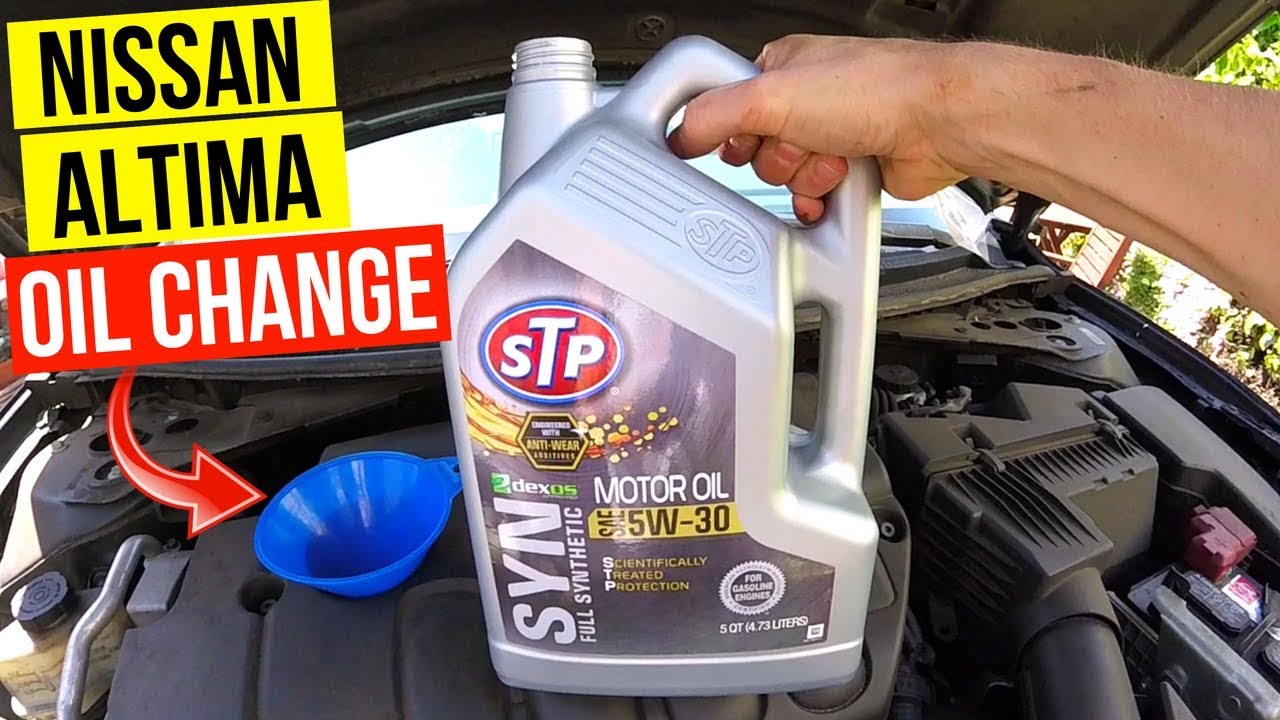
You don’t have to use Nissan-branded oil. Any oil that meets the recommended API and viscosity standards is safe. But avoid unknown brands or very cheap oils—they might not protect your engine as well.
When shopping, look for the starburst API symbol on the bottle to ensure the oil meets current standards. This little detail is often missed by beginners.
Credit: www.youtube.com
Oil Change Intervals: How Often Should You Change Oil?
Changing your oil too often wastes money, but waiting too long risks engine damage. Nissan usually recommends:
- Every 5,000–7,500 miles for most modern Altimas (using synthetic oil)
- Every 3,000–5,000 miles for older models or if using conventional oil
Driving conditions matter. If you often drive short trips, in hot weather, or in heavy traffic, change oil sooner.
Another tip: If your Altima has an oil life monitor, don’t ignore it. These systems measure how hard your engine is working, and may suggest oil changes at different intervals based on your driving style.
What Happens If You Overfill Or Underfill Oil?
Many car owners think “a little extra oil can’t hurt.” But with the Altima, even half a quart too much can cause problems:
- Too much oil: Can foam up, lose lubrication, and put pressure on seals. May cause leaks or engine damage.
- Too little oil: Not enough lubrication. Engine runs hotter, wears out faster, and can even seize.
If you accidentally overfill, drain out the extra. If you underfill, top up as soon as possible.
A less obvious risk: Overfilling can trigger the check engine light or cause sensors to fail, which can mean an expensive trip to the dealer.
Credit: www.altimaforums.net
Special Considerations For Older Nissan Altimas
If you drive an older Altima (2006 or earlier), pay extra attention to oil leaks and burning oil. Older engines can use more oil over time, so check your level more often—every 1,000 miles is a good habit.
Also, older Altimas may have less efficient oil seals and gaskets. Using high-mileage synthetic oil can help reduce leaks and keep your engine running longer.
If you notice blue smoke from the exhaust or a burning oil smell, have your engine checked for worn valve seals or piston rings. Fixing small leaks early can prevent bigger engine problems later.
Common Oil Capacity Mistakes (and How To Avoid Them)
Many Altima owners make simple mistakes during oil changes or top-ups. Here’s what to watch for:
- Not changing the oil filter: The filter holds extra oil. Skipping it means you might overfill.
- Forgetting to run the engine after filling: Oil needs to circulate before checking the final level.
- Using the wrong oil grade: Can void your warranty and damage your engine.
- Ignoring leaks: If you notice oil spots under your car, fix them quickly.
- Relying only on the dipstick: Always measure how much oil you pour in, not just the dipstick reading.
A non-obvious tip: Sometimes, the oil capacity listed in the manual is for a *dry* engine (one that’s never had oil). After a normal drain, your engine may need about 0.2–0.4 quarts less, because some oil stays trapped inside.
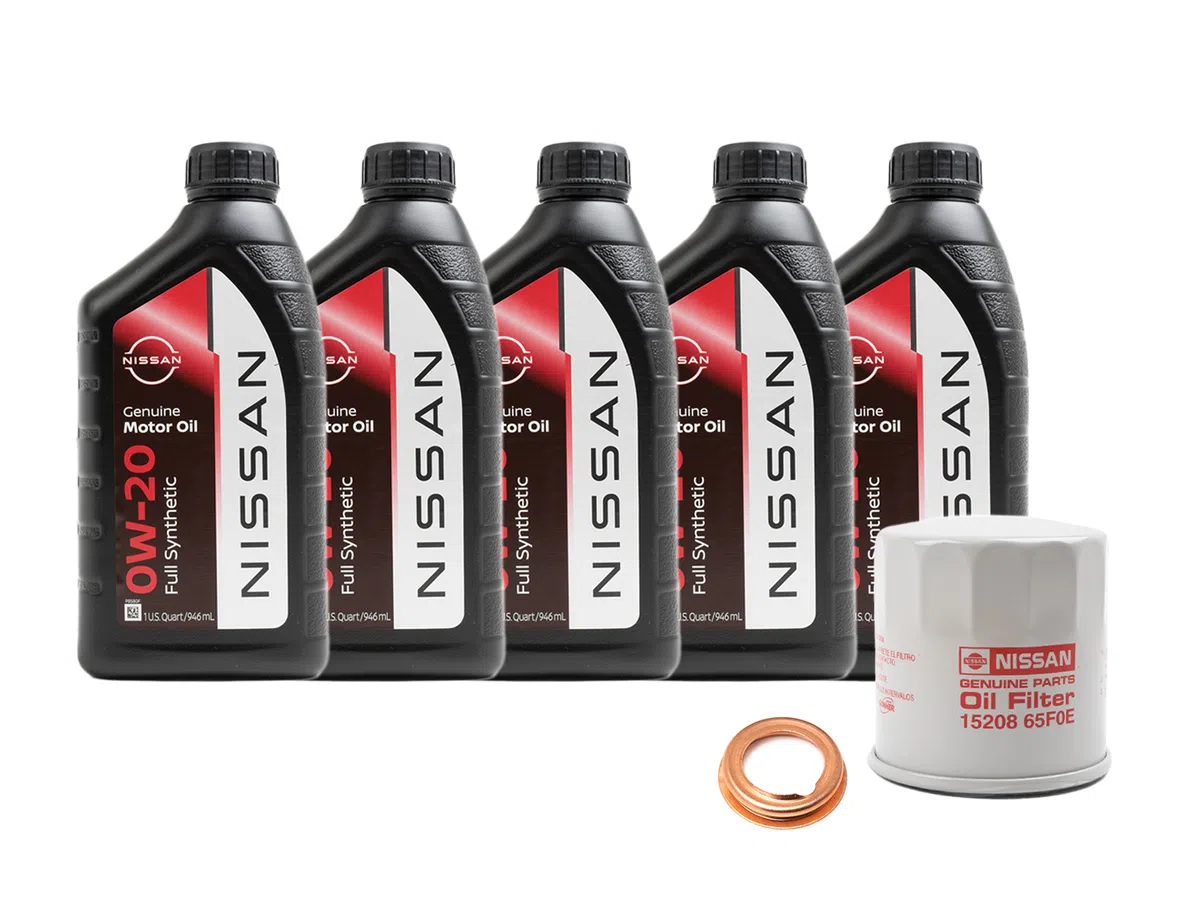
Another mistake is forgetting to replace the drain plug washer. This small part prevents leaks and is cheap to replace—never reuse a worn washer.
Comparing Nissan Altima Oil Capacity With Other Cars
Many owners wonder if the Altima uses more or less oil than similar cars. Here’s a quick comparison of popular midsize sedans:
| Car Model | Engine Size | Oil Capacity (with filter) |
|---|---|---|
| Nissan Altima | 2.5L 4-cylinder | 4.8–4.9 quarts |
| Honda Accord | 1.5L Turbo 4-cylinder | 3.7 quarts |
| Toyota Camry | 2.5L 4-cylinder | 4.8 quarts |
| Hyundai Sonata | 2.5L 4-cylinder | 5.1 quarts |
| Ford Fusion | 2.5L 4-cylinder | 5.7 quarts |
You can see the Altima is very similar to the Camry, slightly more than the Accord, and a bit less than the Fusion. This means oil costs and change intervals are about the same as other popular sedans.
What’s interesting: The Altima’s oil capacity is a good “middle ground” for most drivers. It’s big enough for strong protection, but not so large that oil changes get expensive.
How Oil Capacity Affects Oil Change Cost
The amount of oil your Altima needs affects how much you pay for oil changes. Here’s a rough estimate (for synthetic oil):
| Engine | Quarts Needed | Average Oil Cost | Filter Cost | Total (DIY) |
|---|---|---|---|---|
| 2.5L 4-cylinder | 4.8–4.9 | $24–$40 | $7–$12 | $31–$52 |
| 3.5L V6 | 5.1 | $28–$43 | $8–$13 | $36–$56 |
| 2.0L Turbo | 5.1 | $28–$43 | $8–$13 | $36–$56 |
Service shops will charge $50–$100, depending on location and oil type. Doing it yourself saves money, but always use the correct oil capacity for your engine.
If you drive a lot, consider buying oil in bulk (5-quart jugs). This is cheaper per quart and ensures you always have enough for a full change.
Practical Tips For Nissan Altima Owners
- Always buy a 5-quart jug of oil for most Altimas. You’ll have a little left over for top-ups.
- Write down the date and mileage every time you change your oil.
- If you’re unsure, add oil slowly and check the dipstick often—better to be cautious than to overfill.
- Use a funnel to avoid spills.
- Dispose of old oil at a recycling center—never pour it down a drain.
A tip many miss: If your Altima’s oil level keeps dropping between changes, check your PCV valve. A clogged PCV can cause excess oil consumption.
You can also keep a small notebook in your glove box to track oil changes, top-ups, and any leaks you notice. This record will help if you ever sell your car or need warranty work.
Where To Get Trusted Information
For the most reliable oil capacity data, always check:
- Your car’s owner’s manual
- The official Nissan website
- Trusted car maintenance websites (like Edmunds)
Avoid random online forums—wrong oil capacity info is a common mistake among DIYers.
If you’re ever uncertain, ask a certified Nissan mechanic. They can clarify any doubts and help you avoid costly errors.
Credit: www.z1offroad.com
Frequently Asked Questions
What Is The Oil Capacity For A 2021 Nissan Altima 2.5l Engine?
The 2021 Altima 2.5L 4-cylinder engine needs 4.8 quarts (4.5 liters) of oil when you change the filter. If you don’t change the filter, it uses about 4.4 quarts (4.2 liters).
Can I Use 5w-30 Oil In My Altima If It Calls For 0w-20?
It’s best to use the recommended oil grade. Nissan designed newer Altimas for 0W-20 oil. Using 5W-30 in cold weather may make starting harder and reduce efficiency. Only use 5W-30 if it’s listed as an approved alternative in your manual.
What Happens If I Overfill My Altima’s Oil By Half A Quart?
A small overfill (half a quart) can cause foaming and reduce lubrication. It’s safest to drain the extra oil. Persistent overfilling can damage seals and cause leaks.
How Often Should I Check My Altima’s Oil Level?
Check your oil level at least once a month, or before long trips. Older Altimas or high-mileage engines should be checked every 1,000 miles.
Does Oil Capacity Include The Filter?
Yes, oil capacity with filter means the total oil needed when you also change the oil filter. If you only drain and refill the oil (no filter change), you’ll need about 0.3–0.4 quarts less.
Whether you’re a first-time Altima owner or have driven these cars for years, understanding the exact oil capacity helps you keep your engine safe, efficient, and long-lasting. With the right knowledge and a little care, your Nissan Altima will run smoothly for many years and miles to come.