
When you work with heavy-duty engines, you know how important it is to use the right oil and maintain the correct oil capacity. The Paccar PX9 is a popular engine choice for medium and heavy-duty trucks, buses, and industrial equipment. It’s known for its reliability and performance, but to keep it running strong, understanding its oil requirements is essential. Many owners and mechanics ask: What is the oil capacity of the Paccar PX9? Why does it matter? And how do oil type, service intervals, and other maintenance factors fit into the picture?
This guide explains everything you need to know about Paccar PX9 oil capacity. Whether you’re a fleet owner, a truck driver, a technician, or just curious about this engine, you’ll find clear answers here. We’ll cover all 9 key areas: the exact oil capacity, oil type, oil change intervals, oil filter details, capacity variations, filling procedures, troubleshooting, common mistakes, and expert tips for long engine life. You’ll also see practical tables and a FAQ section to help you avoid costly errors and keep your PX9 running smoothly.
1. Paccar Px9 Oil Capacity: The Essential Number
The standard oil capacity for the Paccar PX9 engine is 24 quarts (about 22.7 liters) when including the oil filter. This number is not just a recommendation—it’s the manufacturer’s specification for most on-road applications and moderate-duty cycles. Filling your engine with less oil can lead to overheating and damage, while overfilling may cause leaks or foaming.
However, it’s important to note that some configurations, especially those with optional oil pans or used in severe-duty applications, might have slightly different capacities. Always check your engine’s manual or the data plate on your specific vehicle for confirmation.
Real-world Example
Let’s say you’re performing a full oil change on a 2022 Kenworth T370 equipped with a PX9. After draining and replacing the filter, you pour in 24 quarts of oil and check the dipstick. It should show “full” or close to it.
If it doesn’t, wait a few minutes, recheck, and top off as needed, but do not exceed the maximum mark.
It’s also smart to note that temperature and engine angle can influence the reading. If the truck is parked on a slope, even a slight incline, your dipstick might show an inaccurate level. Always double-check on a level surface and after the engine has cooled for a more consistent reading. If you’re new to the PX9, take time to get familiar with where the “full” mark sits, as some dipsticks have two lines: one for “safe to run” and one for “do not add more.”
2. Recommended Oil Type For Px9 Engines
Using the correct oil type is just as important as using the right amount. The Paccar PX9 is designed to run on API CK-4 or FA-4 certified oils, which are formulated for modern diesel engines. The most common viscosity grades are 15W-40 for general use and 10W-30 for colder climates or improved fuel economy.
Choosing The Right Oil
- 15W-40: Best for most climates and heavy-duty use. Offers strong protection against wear, keeps viscosity stable under high heat, and is a go-to for long hauls or heavy loads.
- 10W-30: Lower viscosity; good for colder regions or fleets seeking better fuel efficiency. This oil flows better at lower temperatures, making cold starts easier and reducing engine strain in winter.
- 5W-40: Sometimes chosen for extreme cold, though less common for the PX9, it can help if you operate in areas with harsh winters.
Always select a high-quality, name-brand oil. Low-quality or non-diesel engine oils can lead to sludge, poor lubrication, and increased wear. PX9 engines use modern emissions systems (like EGR and DPF), which need oils that prevent ash and soot buildup.
Oil Comparison Table
Here’s a quick look at how different oil viscosities compare for the PX9:
| Viscosity Grade | Climate Suitability | Fuel Economy | Wear Protection |
|---|---|---|---|
| 15W-40 | All climates | Standard | Excellent |
| 10W-30 | Cold/Moderate | Improved | Very Good |
| 5W-40 | Extreme cold | Good | Good |
Non-obvious insight: Many owners think thicker oil is always better, but using oil that’s too thick for cold climates can make starting difficult and delay lubrication. Modern engines, including the PX9, are engineered with tighter clearances and emissions systems that work best with the recommended viscosity—not necessarily the thickest oil you can find.
Also, always check the oil’s additive package. Some “universal” oils lack the detergents or dispersants necessary for heavy-duty diesel engines, leading to buildup inside turbochargers or EGR valves. Using the proper oil protects both your engine and your emissions equipment.
3. Oil Change Intervals For Paccar Px9
Changing oil at the correct interval keeps your engine clean and prevents wear. For the PX9, the standard oil change interval is:
- 25,000 miles (40,000 km) or every 12 months for normal on-highway use
However, intervals can change based on:
- Severe duty (frequent idling, stop/start, dusty environments): Every 10,000–15,000 miles
- Short trips or cold starts: Consider shorter intervals
Always use the engine hour meter as well as mileage to judge the interval. For trucks that idle a lot, every 500 engine hours is a safe rule.
Practical Example
If your delivery truck spends a lot of time in city traffic, idling at stops, or runs in dusty areas, check your oil more often and change it sooner. Oil analysis is a smart way to know exactly when to change.
Fleets often use oil analysis to tailor intervals. For example, a company running PX9 engines in refuse trucks may find that oil degrades faster due to short trips and heavy loads. In this case, oil analysis can spot rising wear metals or soot, signaling the need for shorter intervals—even if the truck hasn’t hit the mileage limit.
Non-obvious insight: Idling counts toward oil wear as much as driving miles. Don’t ignore engine hours. Additionally, repeated cold starts can cause more condensation and fuel dilution in the oil, both of which can reduce oil life even if mileage looks low.
4. Oil Filter Requirements And Replacement
The oil filter plays a critical role in keeping contaminants out of your engine. The Paccar PX9 uses a specific filter type, typically matching OEM part numbers or high-quality aftermarket equivalents.
- OEM Part Number: Paccar 5262310 or Fleetguard LF16035 (always confirm for your year/model)
- Replacement interval: With every oil change (never reuse an old filter)
- Capacity note: The oil filter holds about 1 quart (0.95 liters) of oil, included in the total oil capacity
How To Replace The Oil Filter
- Drain the engine oil.
- Remove the old filter using a filter wrench.
- Lubricate the gasket on the new filter with fresh oil.
- Install the new filter, hand-tightening only.
- Add new oil, start the engine, and check for leaks.
Pro tip: Always pre-fill the new oil filter before installation if possible. This reduces dry starts and protects your engine.
Some PX9 engines may be fitted with remote-mount or dual filters, especially in specialized chassis. If your truck uses a dual filter setup, always replace both filters at the same time. Never mix filter brands or types in a dual setup.
If the filter is hard to reach, consider using an extension tool or a strap wrench. And when removing the old filter, check that the gasket comes off with it. Leaving the old gasket behind can cause leaks or a dangerous blowout when the engine runs.
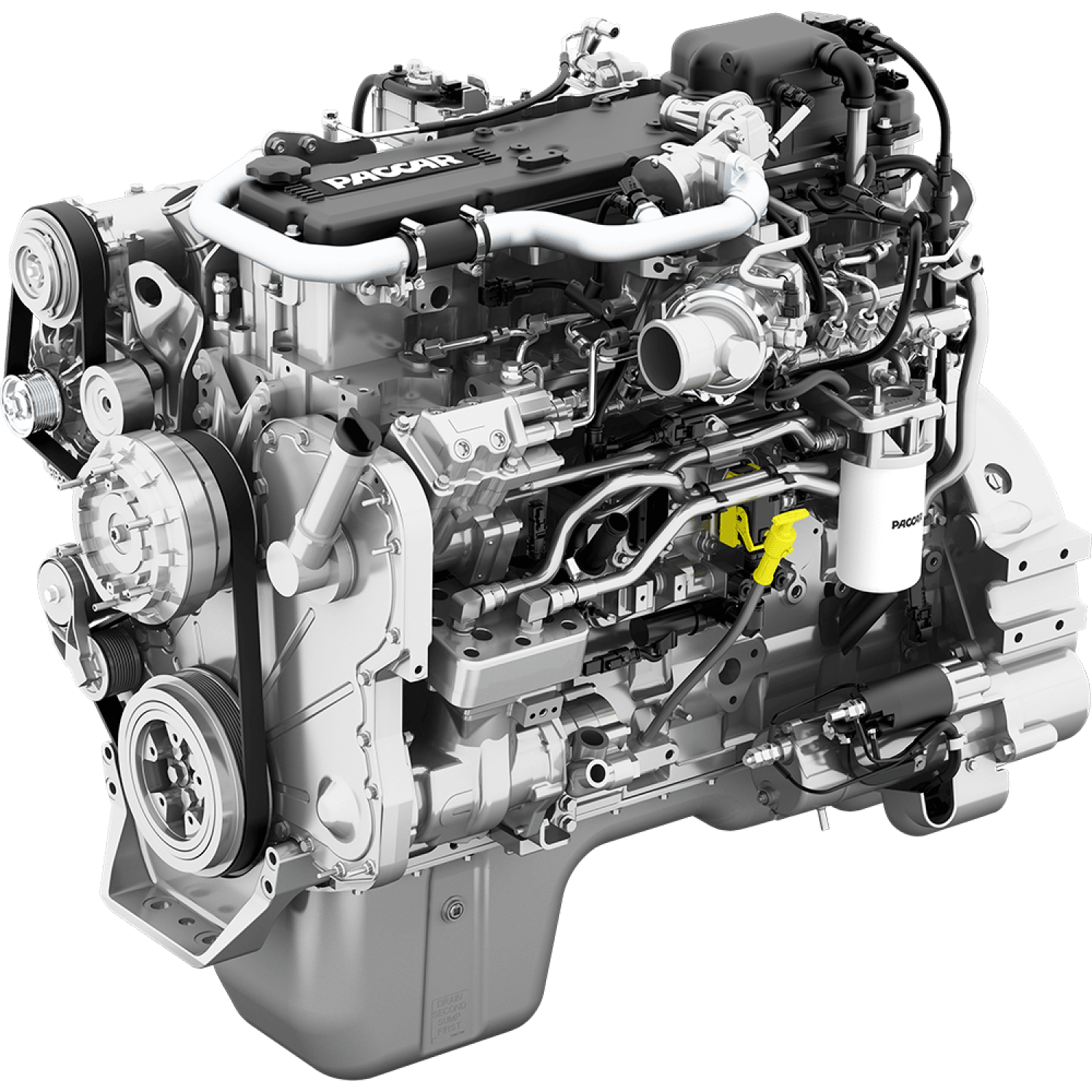
5. Variations In Oil Capacity: Why Numbers Can Differ
Not every PX9 will take exactly 24 quarts. Variations can occur due to:
- Oil pan size: Some trucks have deep-sump or shallow oil pans.
- Engine accessories: PTO units, auxiliary pumps, or aftermarket upgrades can change oil needs.
- Filter type/size: Larger or dual filters increase total oil volume.
- Chassis configuration: Some vehicles have tighter engine bays, affecting component sizes.
Comparison Table: Px9 Oil Capacity Variations
| Configuration | Oil Capacity (quarts) | Notes |
|---|---|---|
| Standard PX9 | 24 | Typical for most applications |
| Deep sump pan | 26–28 | Used in severe/heavy-duty trucks |
| Auxiliary filter | +1–2 | Additional filter increases volume |
Non-obvious insight: Always check the dipstick after filling, not just the manual. Custom truck builds may not match factory specs.
If you have a fleet with mixed truck models, make sure each PX9 engine’s oil pan and filter configuration is documented. Some vocational trucks (like cement mixers or fire trucks) use non-standard pans or extra coolers, which can add up to 3 quarts more oil than a typical highway truck.
If in doubt, fill slowly and use the dipstick and manual together.
6. Proper Oil Filling Procedures
Filling oil into the PX9 engine should be done carefully to avoid overfilling or underfilling. Here’s the best practice:
- Make sure the engine is cool and parked on a level surface.
- Remove the oil fill cap.
- Pour in 20 quarts first.
- Wait a few minutes, then check the dipstick.
- Continue adding oil in 1-quart increments, waiting and checking each time, until the dipstick shows “full.”
- Start the engine, run for a minute, turn off, and recheck after 5 minutes. Top off if needed.
Filling Tips
- Avoid dumping all 24 quarts in at once. Oil needs to settle.
- Double-check the dipstick after running the engine, as the filter and oil passages fill up.
- Never fill above the “full” mark. More is not better.
Expert tip: If you’re using a new or different oil filter, the amount needed may change slightly. Always use the dipstick as your final guide.
When adding oil, use a clean funnel to prevent dirt from falling into the engine. If you spill oil, wipe it up right away—oil on the engine can attract dust, and if it drips onto hot exhaust parts, it may smoke or even catch fire.
Take your time during refills. Rushing increases the chance of spilling or missing the correct level.
If your engine has an oil cooler, factor in the small amount of oil that fills that space after startup. Some mechanics make the mistake of checking the oil level before running the engine for a minute, which can show “full” even though the oil hasn’t yet filled all the passages.
Always double-check after the first run cycle.
7. Troubleshooting Oil Capacity Issues
Sometimes, you might find the oil level doesn’t match the expected capacity. Here’s what to check:
Common Problems
- Oil level too high: Could be overfilling, a stuck oil return valve, or fuel/coolant leaking into the oil.
- Oil level too low: May be due to leaks, burning oil, or incomplete draining during oil change.
- Foamy oil: Overfilling can cause foaming, which reduces lubrication and may damage the engine.
How To Fix
- Always drain the oil completely, including the oil filter and cooler if possible.
- If oil appears milky or foamy, do not run the engine. Investigate for coolant leaks.
- Use UV dye or talcum powder to find oil leaks if the level drops mysteriously.
Non-obvious insight: A sudden increase in oil level can be a warning sign of diesel fuel leaking into the crankcase—a serious problem needing immediate repair.
If you notice that your oil level rises over time without adding oil, check for a strong diesel smell in the oil. This can happen if an injector or high-pressure fuel pump seal leaks. Fuel dilution thins the oil, reducing its protective qualities and risking catastrophic engine damage.
If you suspect this, stop driving and call a professional.
Similarly, if the oil is milky or frothy, you could have a coolant leak from a failed EGR cooler or head gasket. Coolant in oil is very harmful and can ruin bearings quickly.
8. Common Mistakes When Handling Px9 Oil Changes
Even experienced mechanics can make mistakes when changing oil. Here are some to avoid:
- Not changing the filter: Skipping the filter lets old contaminants stay in the system.
- Using the wrong oil type: Non-diesel oils or wrong viscosity can harm the engine.
- Overfilling: Too much oil causes leaks, foaming, and increased crankcase pressure.
- Underfilling: Too little oil can lead to starvation and overheating.
- Ignoring the dipstick: Manuals are helpful, but always use the dipstick for the final check.
- Forgetting to check for leaks: Always inspect under the truck after the oil change.
- Using non-OEM filters: Cheap filters may not fit right or filter well.
- Not following torque specs: Over-tightening the drain plug or filter can strip threads.
- Failing to reset maintenance reminders: Many trucks have digital reminders—reset them after service.
Quick Checklist For A Successful Oil Change
- Gather all tools and supplies before starting
- Use only recommended oil and filter
- Drain oil completely and dispose of responsibly
- Pre-fill the new oil filter if possible
- Fill oil slowly, check often
- Inspect for leaks after running the engine
- Log the date, miles, and hours in your maintenance records
Non-obvious insight: Some PX9 engines have two oil drain plugs. Missing one means old oil stays in the engine.
It’s also easy to forget to inspect the old oil after draining. Look for metal flakes or unusual color. These can be early signs of bearing wear or internal coolant leaks. Always record any observations in your maintenance log.
If you’re working in a fleet environment, make sure all technicians are trained on the PX9’s unique requirements. Having a step-by-step checklist posted in the shop can reduce mistakes, especially for new staff.
9. Expert Tips For Extending Px9 Engine Life
Proper oil care is the best way to make your PX9 last for hundreds of thousands of miles. Here are some expert strategies:
- Use oil analysis: Sending a sample to a lab can tell you exactly when to change oil, what contaminants are present, and if there’s internal wear.
- Monitor oil pressure: Low pressure after an oil change may mean a problem with the oil pump, filter, or wrong oil type.
- Warm up your engine: Letting the PX9 idle for a minute before driving helps oil reach all moving parts.
- Avoid cheap filters: Always use OEM or top-quality aftermarket filters.
- Keep records: Track oil changes, filter changes, and any top-offs. Patterns of oil loss can reveal hidden issues.
- Inspect the breather system: A clogged crankcase breather can cause pressure buildup and oil leaks.
- Replace seals and gaskets as needed: Small leaks can lead to big problems if ignored.
Maintenance Data Table
Let’s see how following best oil practices affects engine lifespan:
| Maintenance Quality | Average Engine Life (miles) | Repair Frequency |
|---|---|---|
| Excellent (correct oil, intervals, filters) | 600,000+ | Low |
| Average (occasional delays, generic filters) | 400,000–500,000 | Medium |
| Poor (wrong oil, skipped changes) | Under 300,000 | High |
Expert insight: Investing in good oil and filters pays off with fewer repairs and longer engine life. Consider oil analysis for fleets—it’s cheaper than major repairs.
Another tip: Monitor engine operating temperature. If your PX9 runs hotter than usual, it could mean low oil, old oil, or a cooling system issue. Early detection and action will save you from expensive repairs. Also, listen for changes in engine sound after an oil change—a sudden knock or rattle can indicate a problem with oil pressure or the wrong filter installed.
Lastly, keep a close eye on emissions system health. The PX9’s aftertreatment devices rely on good oil to stay clean. Neglecting oil care can cause DPF clogs, which are expensive to fix. Good oil habits help your whole powertrain, not just the engine.

Frequently Asked Questions
What Is The Exact Oil Capacity Of The Paccar Px9 Engine?
The most common oil capacity for the Paccar PX9 is 24 quarts (22.7 liters) including the oil filter. However, some versions with deep oil pans or extra filters may require slightly more—always check your manual and dipstick.
Which Oil Type Should I Use In My Px9?
The PX9 is designed for API CK-4 or FA-4 certified diesel engine oil, with 15W-40 being the most popular choice. In colder climates or for better fuel economy, 10W-30 is also approved. Always use oil from a reputable brand.
How Often Should I Change The Oil In My Px9?
For normal on-highway use, change the oil every 25,000 miles (40,000 km) or 12 months. In severe duty, shorten intervals to 10,000–15,000 miles or every 500 engine hours. Always replace the oil filter at the same time.
Why Does My Oil Level Seem Too High Or Too Low After A Change?
If the oil level is too high, you may have overfilled, or there could be a problem like fuel dilution. Too low might mean a leak, incomplete draining, or burning oil. Always fill slowly and use the dipstick for final checks.
What Are The Risks Of Using The Wrong Oil Or Filter?
Using the wrong oil can lead to poor lubrication, sludge, and engine wear. The wrong filter might not fit properly, allow dirt to pass through, or cause leaks. Always use products that meet Paccar’s specifications.
How Can I Spot Early Signs Of Oil-related Problems In My Px9?
Look for warning lights on the dash, dropping oil pressure, sudden changes in oil level, or unusual noises from the engine. Also, monitor exhaust smoke—blue smoke can indicate oil burning, while white can suggest coolant mixing with oil.
Can I Switch Between 15w-40 And 10w-30 Oil Seasonally?
Yes, you can use 10W-30 in colder months for easier starts, then switch back to 15W-40 in hotter weather or heavy use. Always fully drain the old oil before changing viscosity grades and never mix types.
Taking care of your Paccar PX9 engine’s oil needs is not just a routine job—it’s the foundation for long life and strong performance. By understanding the correct oil capacity, using the right products, and following smart practices, you’ll avoid common problems and keep your engine working hard for years to come. For more technical details, you can visit the official Paccar Powertrain page.
Whether you’re a professional mechanic or a first-time owner, following these guidelines will help you get the most from your PX9 engine. Remember, when it comes to oil, careful attention is always worth the effort.