
If you are planning a DIY project or working in construction, you will likely need to cut wood, metal, or plastic at some point. Two of the most popular power tools for cutting are the reciprocating saw and the circular saw. Both are incredibly useful, but they serve different purposes and shine in different situations. Knowing which one to use can save you time, effort, and frustration. For many beginners, the differences are not always obvious. This guide will break down everything you need to know about reciprocating saws vs circular saws. By the end, you will be able to pick the right tool for your next job with confidence.
What Is A Reciprocating Saw?
A reciprocating saw is a handheld power tool with a straight blade that moves back and forth, like the motion of a handsaw. This tool is sometimes called a Sawzall (a popular brand name), but there are many brands that make these saws. The main feature is the push-pull motion of the blade, which allows you to cut through many materials quickly, even in tight or awkward spaces.
Reciprocating saws are most often used for demolition work, remodeling, or when you need to make rough cuts. For example, if you are tearing down an old wall, cutting through pipes, or trimming tree branches, a reciprocating saw is an excellent choice.
These saws are valued for their versatility and ability to cut through materials that are hard to reach with other saws.
Most reciprocating saws are powered by electricity (corded or cordless), and they use replaceable blades that come in different lengths and tooth patterns. The blades can be changed easily to cut wood, metal, plastic, or even bone.
What Is A Circular Saw?
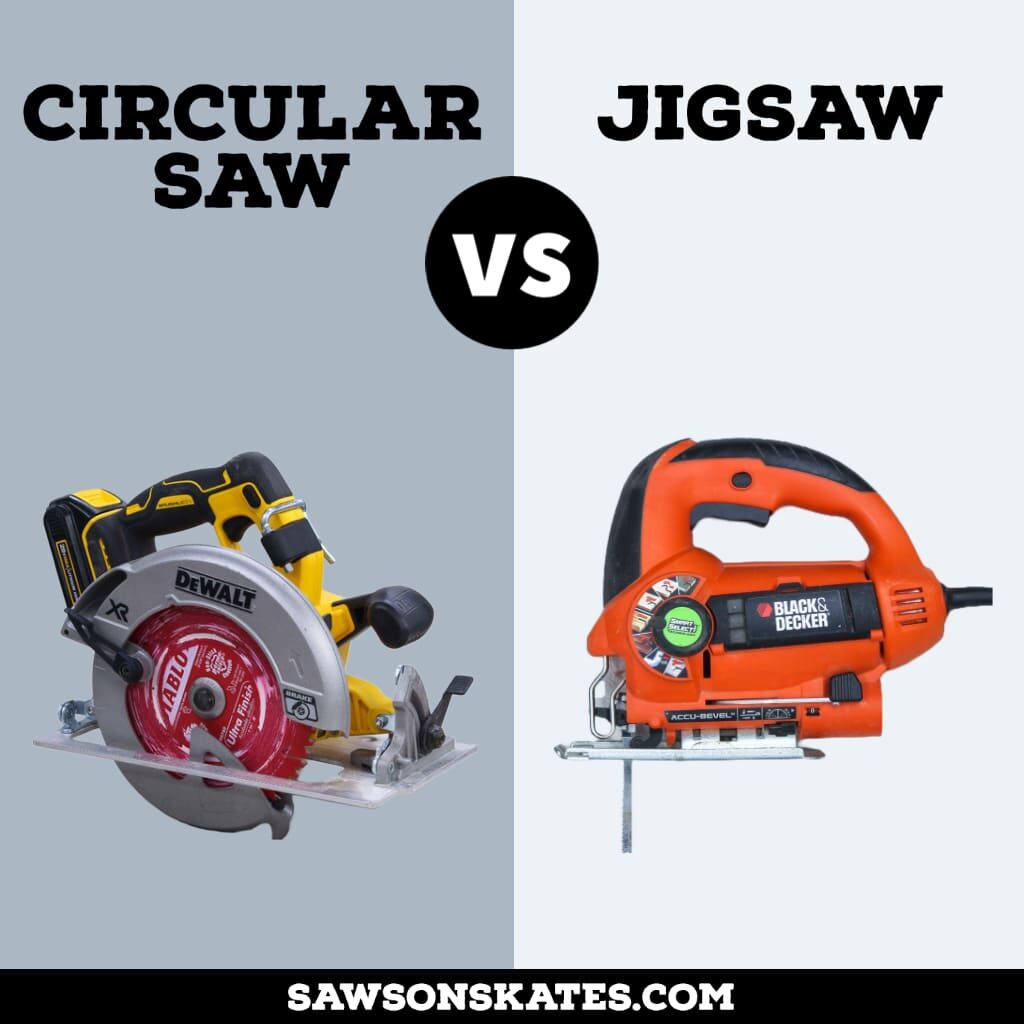
A circular saw uses a round, spinning blade to make straight cuts through material. This tool is often used for making long, straight cuts in wood, such as cutting plywood or framing lumber. There are handheld versions (the most common) and larger, stationary versions used in woodworking shops.
Circular saws are designed for precision and speed. The fast-spinning blade makes smooth, even cuts. If you need to cut a sheet of plywood, trim a door, or make accurate cuts in framing, a circular saw is usually the best option.
These saws can be corded or cordless, and the blades come in different sizes and types for cutting wood, metal, masonry, and more. Changing the blade allows the saw to handle different jobs. Some models include features like adjustable depth, bevel cutting (angle cuts), and safety guards to make them easier and safer to use.
Key Differences: Reciprocating Saw Vs Circular Saw
It is easy to get confused between these two saws, but they have some important differences. Understanding these differences will help you choose the right tool.
| Feature | Reciprocating Saw | Circular Saw |
|---|---|---|
| Blade Motion | Back-and-forth (reciprocating) | Spinning (rotary) |
| Best For | Demolition, rough cuts, hard-to-reach places | Straight, accurate cuts, sheet materials |
| Precision | Low | High |
| Typical Materials | Wood, metal, plastic, drywall, pipes | Wood, plywood, some metals, masonry |
| Ease of Use | Easy, but less control | Requires steady hand, more control |
| Blade Change | Simple and fast | Simple but less frequent |
| Safety | Moderate (kickback possible) | Needs careful handling (kickback, blade exposure) |
Common Uses: When To Use Each Saw
Knowing which saw to use depends on the job you need to do. Here are some common scenarios where each saw is best.
When To Use A Reciprocating Saw
- Demolition Work: If you are tearing down walls, floors, or ceilings, the reciprocating saw is perfect. It can cut through wood, nails, drywall, and even pipes.
- Cutting in Tight Spaces: Its long, thin blade can reach places a circular saw cannot. For example, cutting out a section of pipe inside a wall.
- Pruning Trees and Shrubs: With the right blade, a reciprocating saw can quickly trim branches.
- Cutting Metal: Use a metal-cutting blade to cut pipes, rebar, or bolts.
- Removing Windows or Doors: If you need to remove an old window or door frame, the reciprocating saw can cut through nails, screws, and wood easily.
When To Use A Circular Saw
- Making Long, Straight Cuts: Perfect for cutting plywood, boards, or panels.
- Cutting Lumber to Length: If you need to cut a 2×4 or similar wood for framing or furniture, the circular saw is ideal.
- Angle Cuts (Bevel Cuts): Many circular saws allow you to tilt the blade for angled cuts.
- Sheet Goods: Cutting large sheets of material like MDF, OSB, or laminate flooring.
- Home Improvement Projects: Tasks like building shelves, decks, or fences.
Strengths And Weaknesses Of Reciprocating Saws
Understanding the main advantages and disadvantages of reciprocating saws will help you decide when they are the best choice.
Strengths
- Versatility: Cuts wood, metal, plastic, and even masonry with the right blade.
- Access: Can reach into tight or awkward spaces where other saws cannot fit.
- Speed: Fast for rough cutting and demolition.
- Easy Blade Change: Most models have quick-release systems.
Weaknesses
- Lack of Precision: Hard to make straight, clean cuts.
- Rough Finish: Cuts are usually jagged.
- More Vibration: Can be tiring to use for long periods.
- Not Ideal for Clean Lines: Not suitable for finish carpentry or furniture making.
Strengths And Weaknesses Of Circular Saws
Circular saws also have clear pros and cons depending on your needs.
Strengths
- Straight, Clean Cuts: Great for jobs that need accuracy.
- Speed: Cuts through material quickly.
- Adjustable Depth/Angle: Can make shallow or deep cuts, and many models can cut angles.
- Smooth Finish: Leaves a cleaner edge than a reciprocating saw.
Weaknesses
- Limited in Tight Spaces: Bulky and not suitable for awkward angles or small spaces.
- Danger of Kickback: Improper use can cause the blade to bind and kick back.
- Requires Steady Hands: Harder for beginners to make perfectly straight cuts without a guide.
- Changing Material: Not as versatile with mixed materials (nails, pipes, etc.) Unless you use a special blade.
Performance Factors: What To Look For
Choosing the right saw involves thinking about several key factors.
Power Source
Both saws come in corded and cordless versions. Corded tools are generally more powerful and do not run out of battery, but they need to be plugged in. Cordless tools offer more freedom, but battery life is a limit.
Blade Choice
For both saws, the blade is critical. Using the correct blade for the material makes a huge difference. For example, a wood blade will not work well on metal, and vice versa. Pay attention to teeth per inch (TPI): lower TPI for wood (faster, rougher cuts), higher TPI for metal (slower, smoother cuts).
Cutting Capacity
Circular saws usually have a maximum cutting depth, depending on blade size (common sizes are 6.5-inch, 7.25-inch, and 8.25-inch). Reciprocating saws depend on blade length, but are not meant for deep, straight cuts.
Weight And Comfort
Heavy saws can be tiring, especially during long jobs. Some reciprocating saws vibrate a lot, which can fatigue your hands and arms. Look for ergonomic grips and vibration reduction features.
Safety Features
Safety matters for both types. Circular saws often have blade guards and electric brakes. Reciprocating saws may have trigger locks and shoe plates for stability.
Comparing Cut Quality
For most people, cut quality is a top concern. If you need a clean, straight line, a circular saw is the better choice. Reciprocating saws make rougher cuts, which is fine for demolition or quick trimming, but not for finished work.
Here’s a simple comparison of cut quality:
| Task | Reciprocating Saw | Circular Saw |
|---|---|---|
| Demolition | Excellent | Good |
| Straight Cuts | Poor | Excellent |
| Finish Carpentry | Poor | Excellent |
| Cutting Metal | Good | Possible (with right blade) |
| Pruning Branches | Excellent | Poor |
Safety Tips For Each Saw
Both saws are powerful and can be dangerous if not used properly. Here are some key safety tips.
Reciprocating Saw Safety
- Wear eye protection to guard against flying debris.
- Hold the saw with both hands for control.
- Keep body parts away from the blade at all times.
- Check for hidden wires/pipes before cutting into walls.
- Let the blade stop fully before setting the saw down.
Circular Saw Safety
- Always use a sharp blade and the right type for your material.
- Never disable the blade guard.
- Hold the saw firmly and keep both hands on it.
- Stand to the side of the saw, not behind it, to avoid kickback.
- Support the workpiece so it does not pinch the blade as you finish the cut.
A non-obvious safety tip: For reciprocating saws, always check that the shoe (the flat plate at the base) is pressed firmly against the material. This reduces vibration and makes cutting safer and smoother. With circular saws, use a guide rail or straight edge for cuts whenever possible—this not only makes your cuts straighter, but also helps prevent the blade from binding.
Cost And Value
The price for these saws can vary widely based on brand, power, and features. On average:
- Reciprocating saws: $40–$250, depending on whether you choose a basic corded model or a high-end cordless one with extra features.
- Circular saws: $50–$300, with more expensive saws offering higher power, better accuracy, and more safety features.
Remember, you may need to buy extra blades for different materials, which can add to the cost.
A practical tip: Many professionals own both types of saws. If you are just starting, think about the projects you will do most. For general home renovation, a circular saw is often the first tool to buy. For demolition or cutting mixed materials, a reciprocating saw is more useful.
Choosing The Right Tool For Your Project
It can be confusing to pick the right saw, especially if you are new to these tools. Here are some practical questions to help you decide:
- Do you need straight, accurate cuts? Choose a circular saw.
- Are you working in tight or awkward spaces? Use a reciprocating saw.
- Are you doing demolition or rough work? Reciprocating saw is better.
- Do you need to cut long boards or sheets? Circular saw is best.
- Will you be cutting metal, nails, or pipes? Reciprocating saw with a metal blade is ideal.
If you are not sure, visit a local tool store and try holding both tools in your hands. This can help you judge which feels more comfortable and manageable for you.
Practical Examples And Real-world Scenarios
Let’s look at a few real-world situations and see which saw is best.
Example 1: Remodeling A Bathroom
You need to cut out old wall studs, remove nails, and cut through some old copper pipes. The reciprocating saw is perfect, because it can handle wood, nails, and metal without changing tools. You do not need perfect cuts, just fast removal.
Example 2: Building A Bookshelf
You need to cut boards to precise lengths and make clean, straight edges. The circular saw is the right choice. Use a straight edge as a guide for best results.
Example 3: Pruning Trees In The Yard
A small reciprocating saw with a pruning blade will cut branches quickly and safely, even high up or in tight spots. A circular saw would be dangerous and hard to use here.
Example 4: Cutting Plywood For A Subfloor
You need long, straight cuts. The circular saw is designed for this job. It will give you clean edges and fast results.
Example 5: Emergency Rescue Work
Firefighters and rescue teams often use reciprocating saws to cut through roofs, walls, or metal in emergencies, because the tool is fast, powerful, and works in many positions.

Common Mistakes To Avoid
Many beginners make the same mistakes when using these saws. Here are a few to watch out for:
- Using the wrong blade: Always match the blade to the material. A wood blade on metal will dull quickly and may be dangerous.
- Trying to make precise cuts with a reciprocating saw: These saws are not designed for clean, straight cuts.
- Not supporting material: For circular saws, the workpiece must be supported on both sides of the cut to avoid pinching the blade.
- Not wearing safety gear: Both saws can throw debris or cause injury.
- Forcing the tool: Let the saw do the work. Forcing it can cause damage or kickback.
Advanced Tips For Better Results
Here are two insights that even many experienced users overlook:
- Use a variable speed trigger on reciprocating saws for better control. Slower speeds help start cuts or when working with metal, while higher speeds are better for fast wood cutting.
- Score your cut line first with a utility knife before using a circular saw on plywood. This reduces splintering and gives a cleaner edge.
Another useful trick: For circular saws, you can use a clamp-on straight edge to guide your saw. This almost guarantees a straight cut, even for beginners.
Environmental And Health Considerations
Both saw types create dust and debris. Always work in a well-ventilated area and wear a dust mask when cutting materials like wood or drywall. Some blades are available with coatings that reduce dust and friction. If you are sensitive to vibration, look for reciprocating saws with anti-vibration features.
Disposing of old blades and batteries (for cordless models) should be done safely. Many local hardware stores offer recycling programs.
Popular Brands And Models
Some of the most respected brands in the power tool world include DeWalt, Makita, Milwaukee, Bosch, and Ryobi. Each offers a range of reciprocating and circular saws.
For beginners, the DeWalt DWE305 (reciprocating) and Makita 5007MG (circular) are both highly rated for reliability and value. Cordless models like the Milwaukee M18 Fuel Sawzall and DeWalt DCS570B circular saw are great options for portability.
For deeper technical comparisons and reviews, the Consumer Reports Power Tools Guide is a trusted resource.
Comparison Table: Quick Reference
Here’s a side-by-side look at the main differences:
| Aspect | Reciprocating Saw | Circular Saw |
|---|---|---|
| Type of Cut | Rough, fast, any direction | Straight, clean, mostly straight lines |
| Common Materials | Wood, metal, plastic, drywall | Wood, plywood, some metals, masonry |
| Precision | Low | High |
| Ideal Use Case | Demolition, pruning, rescue | Carpentry, framing, flooring |
| Skill Level Needed | Beginner-friendly | Some practice needed |
| Price Range | $40–$250 | $50–$300 |
Frequently Asked Questions
What Is Safer For Beginners: A Reciprocating Saw Or A Circular Saw?
Both tools have risks, but a reciprocating saw is often considered safer for beginners because the blade is less exposed during use, and there is usually less risk of kickback. However, both tools require proper safety precautions.
Can A Circular Saw Replace A Reciprocating Saw?
A circular saw cannot fully replace a reciprocating saw. Circular saws are best for straight, accurate cuts, while reciprocating saws excel in demolition and tight spaces. Most professionals own both for this reason.
What Kind Of Projects Should I Use A Reciprocating Saw For?
Use a reciprocating saw for demolition, removing old fixtures, cutting pipes, trimming tree branches, and any job where precision is not a top concern.
How Do I Choose The Right Blade For My Saw?
Match the blade type to your material. For wood, use a blade with fewer, larger teeth. For metal, use a blade with more, smaller teeth (higher TPI). Always check the packaging for the recommended use.
What Is Kickback, And How Do I Prevent It?
Kickback is when the saw suddenly jumps back toward you, usually because the blade binds in the material. To avoid this, keep the blade sharp, support the material on both sides, and never force the saw. Stand to the side of a circular saw, not directly behind it.
Choosing between a reciprocating saw and a circular saw depends on your project. Each tool has its own strengths, and understanding these can help you work faster, safer, and more effectively. With the knowledge from this guide, you are ready to take on your next cutting job with confidence.