
Choosing between a table saw and a circular saw is a common challenge for anyone interested in woodworking or home improvement. Both tools cut wood and other materials, but they do the job in different ways. Picking the right one can make your work easier, safer, and more precise. If you are planning your first workshop, working on DIY projects, or upgrading your tools, this article will help you make an informed decision. We’ll cover everything from how these saws work, their strengths and weaknesses, to practical advice and common mistakes. By the end, you’ll know which saw fits your needs best.
Understanding The Table Saw
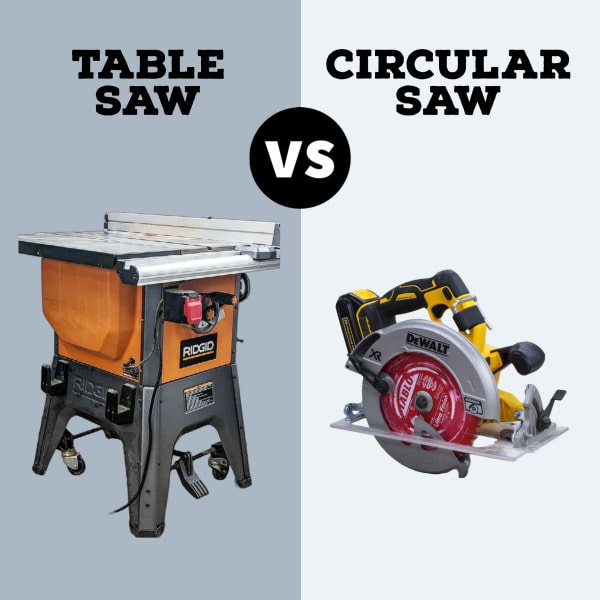
A table saw is a stationary power tool with a circular blade protruding from a table surface. Material is pushed against the blade to make straight cuts. Table saws are a core tool in many workshops because they provide accuracy, repeatability, and speed for a wide range of projects.
How A Table Saw Works
The saw blade is mounted on an arbor and powered by an electric motor. The blade’s height and angle can usually be adjusted. The flat table provides support for the workpiece, and a fence guides the cut for straight, repeatable results.
The operator pushes the material through the blade, not the blade through the material.
Main Types Of Table Saws
- Benchtop Table Saw: Portable, lightweight, and sits on a workbench. Good for small workshops and light use.
- Contractor Table Saw: Larger and heavier, often on a stand with wheels. Offers more power and cutting capacity.
- Cabinet Table Saw: Heavy, powerful, and designed for professional use. Enclosed base for dust collection and noise reduction.
- Hybrid Table Saw: Combines features of contractor and cabinet saws, balancing performance and price.
Key Features
- Rip Fence: Ensures straight, parallel cuts.
- Miter Gauge: Allows angled crosscuts.
- Blade Guard: Covers the blade for safety.
- Riving Knife: Reduces kickback by keeping the cut kerf open.
- Dust Collection Port: Connects to a vacuum for cleaner operation.
What Table Saws Excel At
- Ripping large sheets of wood accurately (like plywood)
- Making repeatable, identical cuts
- Cutting dados and grooves (with special blades)
- Crosscutting with a miter gauge or sled
- Bevel cuts by tilting the blade
Common Uses
- Building furniture and cabinets
- Framing and home construction
- Making shelving, boxes, and frames
- Cutting large panels down to size
Understanding The Circular Saw
A circular saw is a handheld power tool with a rotating blade. The user moves the saw across the material to make the cut. Circular saws are versatile, portable, and suitable for many types of cuts and materials, including wood, plastic, and even metal (with the right blade).
How A Circular Saw Works
The blade spins rapidly as the user pushes the saw along the cut line. Most models have adjustable depth and angle settings. The base plate (or shoe) rests on the workpiece and can be tilted for bevel cuts.
Main Types Of Circular Saws
- Sidewinder (Inline) Circular Saw: Motor is alongside the blade. Lighter and faster, common for general use.
- Worm Drive Circular Saw: Motor is behind the blade, providing more torque. Heavier, often used in construction.
- Corded Circular Saw: Runs on mains power for long, uninterrupted cutting.
- Cordless Circular Saw: Battery-powered, very portable, but may have less power and run time.
Key Features
- Blade Size: Most common is 7-1/4 inches, but sizes vary.
- Bevel Adjustment: Allows for angled cuts.
- Depth Adjustment: Controls how deep the blade cuts.
- Blade Guard: Covers the blade when not in use.
- Laser Guide: Some models project a laser line for accuracy.
What Circular Saws Excel At
- Crosscutting boards
- Making quick rip cuts
- Breaking down large sheets on the job site
- Cutting in places without a workshop
- Working on roofs, floors, and framing
Common Uses
- Cutting plywood, 2x4s, and framing lumber
- Trim and finish carpentry
- Outdoor projects like decks and fences
- Home repairs and remodeling
Table Saw Vs Circular Saw: Key Differences
Comparing these tools side-by-side helps you see where each one shines. Here’s a quick look at their main differences.
| Feature | Table Saw | Circular Saw |
|---|---|---|
| Portability | Stationary, heavy | Handheld, portable |
| Accuracy | Very high (with fence/guide) | Moderate, depends on user |
| Cutting Speed | Fast for repeat cuts | Fast for single cuts |
| Setup Time | Requires setup and space | Minimal, quick to start |
| Versatility | Best for straight cuts, dados | Wide variety: straight, bevel, plunge cuts |
| Cost | Usually higher initial cost | Generally more affordable |
| Safety | Stable but risk of kickback | Kickback possible, blade exposed |
Performance: What Each Saw Does Best
Both tools can cut wood and other materials, but their strengths are different.
Table Saw Strengths
- Precision: The fence, miter gauge, and stable table make it easy to get accurate, repeatable cuts. This is important for furniture and cabinet work where every millimeter counts.
- Speed for Multiple Cuts: If you need to cut many pieces to the same size, a table saw is much faster.
- Specialty Cuts: Dados, rabbets, and other joinery cuts are easiest on a table saw.
Circular Saw Strengths
- Portability: Take the saw to the material, not the other way around. Perfect for job sites or working outdoors.
- Cutting Large Sheets: Breaking down 4×8 plywood sheets is easier with a circular saw, especially if you don’t have room for a big table.
- Versatility: With a guide rail, a circular saw can handle long, straight cuts. It also works well for cutting at odd angles or in tight spaces.
Limitations And Weaknesses
No tool is perfect. Understanding where each tool struggles helps you avoid frustration.
Table Saw Limitations
- Size and Weight: Not easy to move. Needs permanent space.
- Dangerous if Misused: Kickback and blade contact are real risks.
- Setup Time: Takes time to adjust fence, blade height, and angle.
- Not for On-Site Work: Hard to transport for jobs away from the workshop.
Circular Saw Limitations
- Accuracy Depends on Skill: Freehand cuts can wander. A guide rail or straight edge helps.
- Limited for Small, Repetitive Cuts: Hard to make many identical small pieces quickly.
- Less Power (Cordless Models): Battery life can limit long jobs or heavy cuts.
- More Dust and Noise: No built-in dust collection.
Safety Considerations
Power saws are dangerous if not used correctly. Both types have specific risks.
Table Saw Safety
- Kickback: When wood binds and is thrown back at high speed. Always use a riving knife and push sticks.
- Blade Contact: Hands are close to the blade. Keep guards in place and never reach over the blade.
- Dust and Hearing: Wear ear and eye protection, and connect to a dust collector.
Circular Saw Safety
- Blade Exposure: More of the blade is exposed. Always wait for the blade to stop before setting the saw down.
- Kickback: Happens if the blade binds or pinches. Hold the saw firmly and use sharp blades.
- Loose Material: Secure your workpiece. Never cut unsupported wood.
Non-obvious tip: For both saws, always check for nails or screws in the wood before cutting. Hitting metal can destroy the blade and cause kickback.

When To Choose A Table Saw
A table saw is the center of most woodworking shops for a reason. Choose a table saw if:
- You need to make many identical cuts
- Precision and straightness are critical
- You have space for a stationary tool
- You want to do advanced joinery like dadoes or rabbets
- You work mostly with solid wood or large panels
If you plan to build cabinets, furniture, or do a lot of home improvement, a table saw is a smart investment.
Practical Example
Imagine building a bookshelf. You need to rip long boards to the same width and cut shelves to exact length. A table saw makes these tasks easy and accurate, saving hours compared to measuring and cutting each piece by hand.
When To Choose A Circular Saw
A circular saw is the best pick if:
- You need portability and flexibility
- You work on job sites, roofs, or outdoors
- You often cut plywood sheets or framing lumber
- Space or budget is limited
- You need a tool for both rough construction and finish work
Contractors, remodelers, and DIYers often start with a circular saw because it handles most common jobs and fits in a small tool kit.
Practical Example
Suppose you are repairing a fence. You need to cut boards to length outside, maybe far from power outlets. A cordless circular saw lets you work right at the fence line, quickly making straight or angled cuts as needed.
Cost Comparison: Table Saw Vs Circular Saw
Budget is often a big factor when choosing tools. Here’s a look at typical costs.
| Tool Type | Entry-Level Price | Mid-Range Price | Professional Price |
|---|---|---|---|
| Table Saw | $150 – $250 | $350 – $800 | $1,200+ |
| Circular Saw | $40 – $60 | $90 – $200 | $250+ |
Non-obvious insight: Table saws often require extra costs for accessories like quality blades, push sticks, sleds, and dust collection. Circular saws might need guide rails and spare batteries.
Space And Storage
Space is a real concern for many users, especially those working in a garage or small workshop.
- Table saws need a flat, stable area and room for infeed and outfeed (material support before and after the blade). Even benchtop models take up space.
- Circular saws can be hung on a wall or stored in a toolbox. They are easy to transport and don’t need much setup space.
If your workspace is tight, a circular saw is the more practical choice.
Learning Curve And Skill Level
Table Saw
- Easier to get straight, repeatable cuts once set up
- Requires learning about setup, safety, and adjustments
- Mistakes can be dangerous (e.g., standing in the wrong place during a cut)
Circular Saw
- Quick to start, but straight cuts require a steady hand or guide
- Easier for beginners to learn, but harder to master for precision work
- Mistakes are less likely to ruin your project, but safety still matters
Practical tip: Many woodworkers start with a circular saw and add a table saw as their skills and projects grow.
Versatility And Upgrade Path
Both saws grow with your needs, but in different ways.
- Table saws can use specialty blades (for dadoes, fine cuts, or non-wood materials) and sleds for better accuracy.
- Circular saws become more versatile with guide rails, blades for different materials, and compact track systems.
If you want a tool that adapts to many jobs, consider what accessories are available.
Maintenance And Durability
Table Saw Maintenance
- Clean dust from inside and around the motor
- Lubricate moving parts (arbor, height adjustment)
- Keep the top surface rust-free
- Check and align the fence and miter gauge
Circular Saw Maintenance
- Clean sawdust from vents and motor housing
- Check the power cord or battery regularly
- Sharpen or replace blades as needed
- Lubricate the blade guard pivot
Experience-based tip: A well-maintained circular saw can last decades. Table saws, especially high-quality ones, often become family heirlooms.
Common Mistakes When Choosing
- Ignoring workspace size: Buying a table saw for a small apartment rarely works.
- Expecting a circular saw to do fine joinery: Even with guides, it’s hard to match a table saw’s precision.
- Skipping safety gear: Both saws require eye and ear protection. Don’t let speed tempt you to skip it.
- Buying the cheapest model: Poor tools slow down work and can be dangerous. Invest in quality if you can.
- Not checking blade compatibility: Both saws need the right blade for the material and type of cut.
Accessories That Improve Results
- Table Saw: Outfeed tables, crosscut sleds, featherboards, zero-clearance inserts, digital angle gauges.
- Circular Saw: Guide rails, clamps, dust ports, specialty blades, saw horses.
These small upgrades often have a big impact on safety and cut quality.
Which Saw Is Right For You?
Think about your main projects, space, and budget.
- If you build furniture, cabinets, or do lots of woodworking, a table saw is a game-changer.
- If you need to cut lumber on-site, remodel, or want maximum flexibility, a circular saw is hard to beat.
- Many professionals eventually own both: Circular saw for rough work, table saw for precision.
Tip: Borrow or rent both before buying, if possible. Hands-on experience will show you which one feels right.
Comparing Real-world Scenarios
Let’s look at a few everyday projects and see which tool is best.
| Project | Best Saw | Reason |
|---|---|---|
| Breaking down plywood sheets | Circular Saw | Easy to move around large panels |
| Making cabinet doors | Table Saw | High accuracy and repeatability |
| Deck building | Circular Saw | Portability and speed outdoors |
| Frame construction | Circular Saw | Cutting 2x4s on-site |
| Cutting small trim pieces | Table Saw | Safe, precise small cuts |
Environmental And Health Considerations
Both saws produce dust and noise. Table saws often have dust collection ports, which help keep your workshop clean. Circular saws usually do not, so always wear a dust mask, especially indoors. Noise levels are high for both tools; hearing protection is strongly recommended.
Non-obvious insight: Fine dust from cutting MDF or plywood can be harmful. Use a vacuum or dust extractor if possible, and always ventilate your workspace.
Recommendations For Beginners
- Start with a circular saw if you’re new, have a low budget, or work outdoors.
- Save for a table saw as your skills, space, and project needs grow.
- Take the time to learn proper technique and safety. Many accidents happen because people rush or skip safety steps.
If you buy only one saw, a circular saw covers most basic needs. As projects get more complex, adding a table saw will improve your results.
Trusted Resources
For more in-depth information on saws, woodworking safety, and tool reviews, you can explore resources like the Wikipedia Table Saw article.
Frequently Asked Questions
What Is Safer, A Table Saw Or A Circular Saw?
Both tools have risks. Table saws are more stable, but kickback can be dangerous. Circular saws expose more blade, but the user has more control over placement. Safety comes down to using the right technique and protection for each saw.
Can A Circular Saw Replace A Table Saw?
For many jobs, yes. Circular saws can make straight cuts with a guide rail. But for high accuracy, repeatable cuts, or advanced joinery, a table saw is much better. Most professionals use both tools for different tasks.
What Size Blade Should I Use?
Table saws usually use a 10-inch blade for most tasks. Circular saws most commonly use a 7-1/4-inch blade. Always use a blade matched to your saw’s specifications and the material you are cutting.
Are Cordless Circular Saws Powerful Enough?
Modern cordless circular saws are strong enough for most home projects, especially with lithium-ion batteries. For heavy, all-day use or thick hardwood, a corded saw may be better.
How Do I Make Straight Cuts With A Circular Saw?
Use a guide rail or clamp a straight board to your workpiece as a fence. Mark your line clearly and take your time. For best results, let the saw reach full speed before starting the cut and move steadily.
Choosing between a table saw and a circular saw is not just about the tool—it’s about how you want to work, what you want to build, and where you want to build it. Each saw has its own strengths and weaknesses.
By understanding these differences and thinking about your own needs, you can make a smart choice that will help you build better, safer, and more enjoyable projects for years to come.