
Brad point drill bits are often seen in the hands of woodworkers and carpenters, but their full potential is not always clear to beginners. These special tools have a unique design that makes them ideal for certain tasks and materials. If you’ve ever wondered why your regular twist drill bit struggles with wood or why your holes sometimes come out messy, understanding the brad point drill bit can change your results completely.
This guide will give you a detailed look into what brad point drill bits are used for, how they stand out from other bits, and why they’re a favorite for anyone working with wood. You’ll also discover how to use them correctly, where they perform best, and even a few advanced tips that many miss.
Whether you’re new to woodworking or want to improve your results, this article will help you make better choices with drill bits and get cleaner, more accurate holes every time.
What Is A Brad Point Drill Bit?
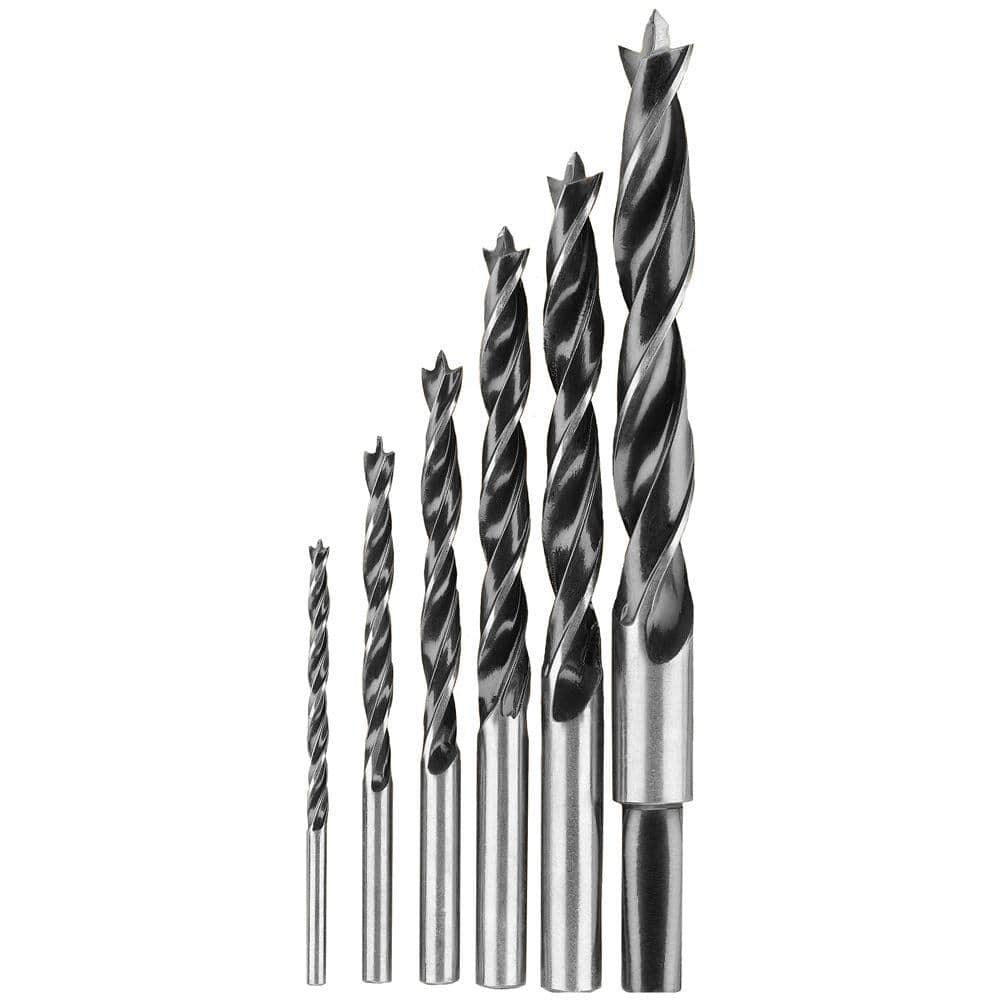
A brad point drill bit is a type of drill bit made mainly for wood and similar soft materials. It is sometimes called a “spur point” bit. The key feature is the sharp, pointed tip in the center, which looks like a small spear. This point helps the bit start drilling exactly where you want, with no wandering.
On each side of the tip, two sharp “spurs” cut the wood fibers cleanly. The main body of the bit removes the wood as it drills, while the spurs keep the edges neat. The center point guides the bit and holds it steady, which is why holes made by brad point bits are straight and smooth.
Most brad point bits are made from high-speed steel or carbon steel. Some have special coatings or are made from tougher materials for extra durability. They come in many sizes, from tiny bits for small holes to large bits for bigger projects.
Why Brad Point Drill Bits Are Different
To understand what brad point drill bits are used for, it’s important to see how they compare to other types of drill bits.
Key Design Features
- Sharp Center Point: This keeps the bit from slipping and helps you drill exactly where you mark.
- Cutting Spurs: These slice the wood fibers around the edge before the main part of the bit removes material. This prevents splintering.
- Wide Flutes: These channels carry wood chips out of the hole, preventing jams.
Brad Point Vs. Twist Drill Bits
Here’s a quick comparison:
| Feature | Brad Point Bit | Twist Bit |
|---|---|---|
| Best for | Wood, soft plastics | Metal, wood, plastic |
| Tip design | Sharp center point | Angled tip |
| Hole quality | Clean, precise | Can tear wood, less clean |
| Wandering | Rarely wanders | Often wanders on wood |
The main difference is that brad point bits are built for clean, accurate holes in wood, while twist bits are more general-purpose but can cause rough edges in wood.
Main Uses Of Brad Point Drill Bits
Brad point drill bits are not just for any job. They shine in certain tasks where clean results are important. Here are the main uses:
1. Drilling Precise Holes In Wood
The sharp tip helps you place the bit exactly where you want. This is important for wood joinery and when drilling holes that must line up perfectly.
- Cabinet making: When you need shelf pin holes or dowel joints.
- Furniture building: For joining parts with hidden dowels or screws.
- Toy making: For small, detailed pieces.
2. Making Clean Through-holes
A through-hole is a hole that goes all the way through a piece of wood. Brad point bits keep the edges neat both at the entry and exit, which is hard with other bits.
- Shelving: For adjustable shelf pegs.
- Handles: In tools or kitchenware.
3. Drilling Partial Holes (blind Holes)
A blind hole does not go all the way through. The flat bottom and clean edges are important when the hole will be seen or used for a dowel.
- Dowel joints: For connecting furniture parts invisibly.
- Hardware installation: For hidden screws or fixtures.
4. Working With Soft Plastics And Acrylic
The sharp point and spurs also work well with soft plastics, reducing cracks and chips.
- Plastic enclosures: For electronics or models.
- Acrylic sheets: When you want clear, chip-free holes.
5. Boring Holes For Hinges And Hardware
Precise holes are needed for door hinges, cabinet hardware, and locks. Brad point bits give a tight, accurate fit.
- Cup hinges: For kitchen cabinets.
- Drawer pulls: Clean holes for screws.
6. Template And Jig Construction
Jigs and templates need repeatable, accurate holes. A brad point bit’s center tip allows you to hit the same spot every time.
- Drill guides: Making templates for shelf pins or dowel placement.
- Router jigs: For guide pins and stops.
7. Drilling Plywood And Veneer
Plywood and veneer can chip easily. The spurs on brad point bits slice cleanly through these layers, leaving neat holes.
- Cabinet sides: For shelf pins.
- Laminated boards: For hardware and assembly.
8. Making Large-diameter Holes
Brad point bits are available in larger sizes for tasks where a bigger hole is needed. The design still prevents tear-out.
- Pipe and cable pass-throughs: For desks or entertainment centers.
- Large dowels: For strong joints.
9. Accurate Depth Drilling
The center point allows for easy use with depth stops. You can drill many holes to the same exact depth, which is crucial for joinery.
- Adjustable shelves: Matching holes at the same height.
- Dowel joints: Consistent depth for strength.
10. Fine Detail Work
Small brad point bits are perfect for model making, musical instruments, and other delicate projects where normal bits would cause splits.
- Model airplanes and ships
- Guitar building: For bridge pin and tuner holes.
How To Use Brad Point Drill Bits Effectively
Getting the best results from brad point bits is about more than just choosing the right tool. Here’s how to use them like a pro.
Marking The Hole Location
Use a sharp pencil or an awl to mark where you want the hole. The center point of the bit will fit right into your mark. This helps prevent mistakes, especially when accuracy matters.
Setting The Drill Speed
Brad point bits work best at moderate speeds. Too fast can burn the wood, too slow can cause rough holes. For hardwoods, go a bit slower. For softwoods, a medium speed is good.
Clamping The Workpiece
Always clamp your wood down. This keeps it from moving and prevents accidents. For thin wood or veneer, put scrap wood underneath to avoid tear-out.
Drilling Technique
- Start with light pressure. Let the center point bite into the wood.
- Keep the drill straight and steady. Tilting can make the hole larger or uneven.
- Drill just deep enough for your needs. For through-holes, slow down as the bit exits to avoid splinters.
Backing Up Thin Material
Place a piece of scrap wood under thin boards or plywood. This gives the bit something to cut into as it exits, reducing tear-out on the back side.
Clearing Chips
Brad point bits make a lot of shavings. Pull the bit out halfway if you notice chips building up. This prevents jams and keeps the hole clean.
Checking For Sharpness
A dull bit makes messy holes and can burn wood. Sharpen brad point bits with a small file, or replace them if they’re too worn.
Credit: www.reddit.com
Common Mistakes And How To Avoid Them
Even with the right bit, mistakes can happen. Here are some issues and how to prevent them:
- Using the Wrong Bit for the Material
- Brad point bits work best in wood and soft plastics. Don’t use them on metal or hard materials.
- Forcing the Drill
- Let the bit do the work. Forcing it can cause splits or break the bit.
- Not Backing Up Thin Material
- This leads to splinters and rough holes. Always use a backing board.
- Skipping Pilot Holes for Large Bits
- For big holes, start with a small pilot hole to guide the larger bit and reduce stress.
- Ignoring Chip Buildup
- Stop and clear chips to prevent overheating or stuck bits.
- Drilling Too Fast
- This can burn the wood or make the bit skid. Adjust your speed based on material and bit size.
Brad Point Drill Bits Vs. Other Specialty Bits
Many beginners wonder when to use a brad point bit instead of another type. Here’s a side-by-side look at common alternatives:
| Drill Bit Type | Main Use | Strengths | Weaknesses |
|---|---|---|---|
| Brad Point | Wood, soft plastics | Clean holes, no wandering | Not for metal or masonry |
| Twist Bit | General purpose | Works in many materials | Rough holes in wood |
| Forstner Bit | Flat-bottom holes in wood | Very clean, flat holes | Needs more power, slow |
| Spade Bit | Large rough holes in wood | Fast, cheap | Splinters, rough finish |
Brad point bits are the top choice for accuracy and clean edges in wood. Forstner bits are better for large, flat-bottom holes, but they’re slower and need more power. Spade bits are good for fast, rough work but not for fine furniture.

Credit: www.mcfeelys.com
Types And Sizes Of Brad Point Drill Bits
Brad point bits come in many sizes and materials to fit different needs.
Standard Sizes
Common metric sizes range from 3mm to 16mm. Imperial (inch) sizes go from 1/8” to 1/2” or more. Specialty bits can be even larger.
Material Options
- High-Speed Steel (HSS): Good for most wood.
- Carbide-tipped: Lasts longer, good for hardwood and laminated boards.
- Titanium-coated: Extra durability and less friction.
Specialty Brad Point Bits
Some have extra-long shanks for deep holes. Others have stepped tips for drilling pilot holes and countersinks in one pass.
Sets
Most woodworkers buy brad point bits in sets, covering the most common sizes. This saves time and ensures you always have the right bit.
Choosing The Right Brad Point Drill Bit
Picking the right brad point bit is about more than just size. Here’s what to look for:
Bit Size
Match the bit size to the hole you need. For dowels, use the same size as the dowel. For screws, pick a bit slightly smaller than the screw’s core.
Material
- For softwood, HSS is usually enough.
- For hardwood or plywood, carbide-tipped bits last longer.
- For plastic, use sharp, clean bits to avoid melting.
Tip Quality
Check the center point and spurs. They should be sharp and well-formed. Cheap bits often have dull points, which wander and tear wood.
Brand And Price
Better brands make bits that stay sharp longer. Cheap bits wear out fast and can ruin your work. Spending a bit more is worth it if you care about results.
Storage
Brad point bits are delicate. Store them in a case or rack to protect the tips.
Advanced Tips And Insights
Even experienced woodworkers sometimes miss these useful tips:
1. Use A Drill Press For Perfect Results
A drill press keeps the bit perfectly vertical and lets you control the depth precisely. For repeated holes or large bits, this makes a big difference. It also reduces the risk of wandering or uneven holes.
2. Sharpening Brad Point Bits
Most people throw away dull bits. But you can sharpen brad point bits with a small file. Focus on the spurs and center point. It takes practice, but extends the life of your bits.
3. Use Tape For Depth Control
If you don’t have a depth stop, wrap a piece of masking tape around the bit at the desired depth. Stop drilling when the tape touches the surface.
4. Mark Both Sides Of The Workpiece
For cleanest results when drilling through, start from one side until the center point just breaks through. Then flip the board and finish from the other side. This keeps both sides splinter-free.
5. Lubricate For Hardwoods
A little wax or soap on the bit can help reduce friction in tough woods, making drilling smoother and reducing heat.
Brad Point Drill Bits In Professional Woodworking
In high-end woodworking, the details matter. Brad point bits are standard for cabinetmakers, luthiers (guitar builders), and fine furniture makers. They’re used for:
- Precision dowel joints: Invisible but strong connections.
- Template making: For repeatable, exact holes.
- Hardware installation: Perfectly aligned handles and hinges.
Professionals often have full sets of brad point bits in both metric and imperial sizes. They sharpen and care for these bits as carefully as their chisels or saw blades.
Credit: www.homedepot.com
Brad Point Drill Bits For Diy And Home Use
Even for home projects, using brad point bits can make your work look professional. If you’re building a bookshelf, fixing a cabinet, or making a garden planter, these bits help your holes look clean and fit together well. They’re a simple upgrade from basic twist bits, with a big improvement in results.
When Not To Use Brad Point Drill Bits
While brad point bits are great for wood, they are not for every job.
- Metal or Masonry: Use twist bits, masonry bits, or special metal bits.
- Ceramic or Glass: Needs special bits designed for those materials.
- Sheet Metal: Brad point bits will dull quickly.
If you use a brad point bit on the wrong material, you risk breaking the bit or damaging your project.
Real-world Examples
Let’s look at a few scenarios where brad point drill bits shine:
- Building a Bookshelf: You need many shelf pin holes, all perfectly spaced. A brad point bit keeps the holes clean, and the pins fit snugly.
- Installing Cabinet Hinges: The hinge screws need precise holes. The bit’s center point prevents slipping, so your doors align perfectly.
- Making Wooden Toys: Small parts need tiny holes. A brad point bit drills without splitting the wood, keeping the toy safe and smooth.
- Fixing a Door Handle: You want to replace a loose handle. A brad point bit makes a new, clean hole for the screw, so it holds tightly.
Maintenance And Care For Brad Point Drill Bits
Good bits last longer with a little care.
- Keep Them Clean: Wipe off dust and resin after use.
- Store Properly: Use a bit case or rack to protect the tips.
- Sharpen as Needed: Learn to touch up the spurs and center point.
- Avoid Overheating: Drill at the right speed and clear chips often.
With proper care, a quality brad point bit can last for years and deliver perfect holes every time.
Where To Buy Brad Point Drill Bits
Brad point bits are sold at hardware stores, woodworking shops, and online. Well-known brands include Bosch, Irwin, Festool, and DeWalt. For most people, a set of 6-10 bits covers the most common sizes. Specialty bits can be bought as needed for larger holes or special tasks.
For more on drill bit types and uses, you can check Wikipedia’s Drill Bit Article.
Frequently Asked Questions
What Materials Can Brad Point Drill Bits Be Used On?
Brad point drill bits are made mainly for wood, including softwood, hardwood, plywood, and MDF. They also work well on some soft plastics and acrylics. They are not suitable for metal, masonry, or glass.
Why Do Brad Point Drill Bits Make Cleaner Holes Than Twist Bits?
The sharp center point and cutting spurs slice wood fibers before the main bit removes material. This keeps the hole edges neat and prevents splintering, especially at the exit. Twist bits cut less cleanly and tend to tear wood.
Can I Use Brad Point Drill Bits In A Hand Drill?
Yes, brad point bits work well in both hand drills and drill presses. The center point helps start holes accurately, even without a drill press. For best results, clamp your workpiece and drill straight.
How Do I Sharpen A Brad Point Drill Bit?
Sharpening requires a small file or a fine sharpening stone. Focus on the outer spurs and center point. It takes patience and practice, but it can extend the life of your bits. If unsure, take them to a professional sharpening service.
What Is The Best Way To Prevent Tear-out When Drilling Through Plywood?
To avoid tear-out:
- Use a sharp brad point bit.
- Clamp a scrap board under your plywood.
- Drill at a steady speed, and slow down as the bit exits.
- For perfect results, drill halfway from each side, meeting in the middle.
Brad point drill bits are a simple upgrade that bring professional results to any wood project. By choosing the right bit, using the right technique, and caring for your tools, you’ll enjoy cleaner, more precise holes—and better finished projects—every time.