
If you’ve ever sanded wood, metal, or even plastic, you know how important the right sanding tool is for a smooth finish. Today, many professionals and hobbyists use hook and loop sanding discs. These round abrasive pads are popular in workshops, auto shops, and home garages. But what are they exactly, and why are they so widely used? Let’s explore everything you need to know about hook and loop sanding discs: how they work, their benefits, the different types, and how to choose the best one for your job.
What Are Hook And Loop Sanding Discs?
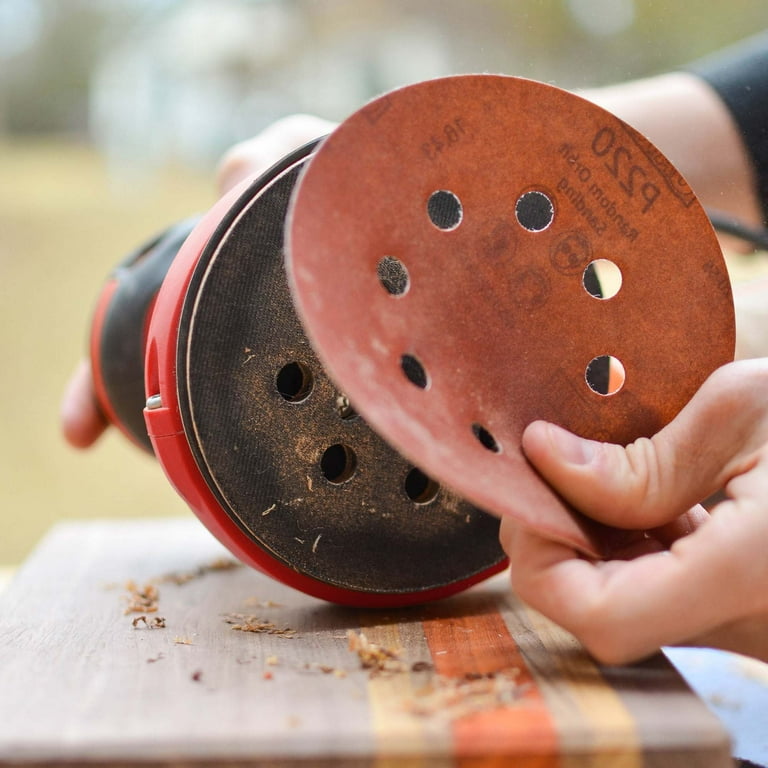
Hook and loop sanding discs are circular abrasive pads designed to attach to power sanders using a special fastening system. The “hook and loop” system is similar to Velcro. One side of the disc has tiny loops, while the matching side on the sander’s pad has tiny hooks. When pressed together, these grip tightly but can also be pulled apart easily. This makes changing sanding discs quick and simple, with no glue or screws needed.
The discs themselves come in various sizes, grits, and materials, designed for different surfaces and sanding needs. Most commonly, you’ll see them in woodworking, automotive refinishing, and metalworking, but they are also useful for many other applications.
The Hook And Loop System Explained
The hook and loop system was originally invented in the 1940s, inspired by the way burrs stick to clothing. In sanding discs, hooks are small, stiff fibers that catch and grip the soft, flexible loops on the matching material. This creates a strong hold, but it’s not permanent. You can easily peel off a used disc and stick on a new one in seconds.
Hook and loop systems are sometimes called “Velcro” discs, though Velcro is a brand name. The idea is the same: a reusable, fast, and reliable way to attach and remove discs.
Why Use Hook And Loop Instead Of Adhesive?
Traditional sanding discs often use glue or adhesive to stick to the sander. While this can work well, there are several drawbacks:
- Messy removal: Adhesive discs can leave behind sticky residue.
- Time-consuming changes: Swapping discs takes longer.
- Less flexibility: Once stuck, it’s hard to change discs mid-job.
Hook and loop systems solve these problems. You can swap discs as often as you need, try different grits, and even reuse partially worn discs.
Types Of Hook And Loop Sanding Discs
There are many types of hook and loop sanding discs, each designed for specific tools, surfaces, or tasks. Here are the main types you’ll find:
By Size
Hook and loop sanding discs come in a range of diameters. The most common sizes are:
- 5-inch (125mm): Very popular for random orbital sanders.
- 6-inch (150mm): Used for larger sanders and heavy-duty tasks.
- 3-inch and 4-inch: For detail sanders and smaller projects.
- 7-inch and 8-inch: Industrial or floor sanders.
Always match the disc size to your sander’s pad. Using the wrong size can cause poor performance or even damage your tool.
By Grit
Grit refers to the coarseness of the abrasive particles. The lower the number, the rougher the disc.
- Coarse (40–80 grit): Removes material quickly, ideal for stripping paint or smoothing rough wood.
- Medium (100–150 grit): For general sanding, preparing surfaces for paint or finish.
- Fine (180–240 grit): For smoothing and finishing work.
- Extra fine (320+ grit): Used for final polishing or sanding between coats.
Changing grits is very easy with hook and loop discs—just peel off one and attach another. This flexibility is a big advantage over adhesive discs.
By Abrasive Material
The type of abrasive affects performance and durability. Common materials include:
- Aluminum oxide: Versatile and long-lasting, good for wood, metal, and plastics.
- Silicon carbide: Harder and sharper, best for metal, stone, and glass.
- Zirconia alumina: Extremely tough, good for heavy sanding and grinding.
- Ceramic: Premium performance, stays sharp for longer periods.
Each material has its strengths. Aluminum oxide is the “all-around” choice, while silicon carbide and ceramic are for more demanding jobs.
By Hole Pattern
Many hook and loop sanding discs have holes for dust extraction. These holes line up with the sander’s vacuum system to pull away dust as you work.
- No holes: For sanders without dust collection.
- Multiple holes: Common patterns include 5, 6, 8, or even 15 holes.
Proper alignment is important. If the holes on your disc don’t match your sander, dust collection won’t work well.
By Backing Type
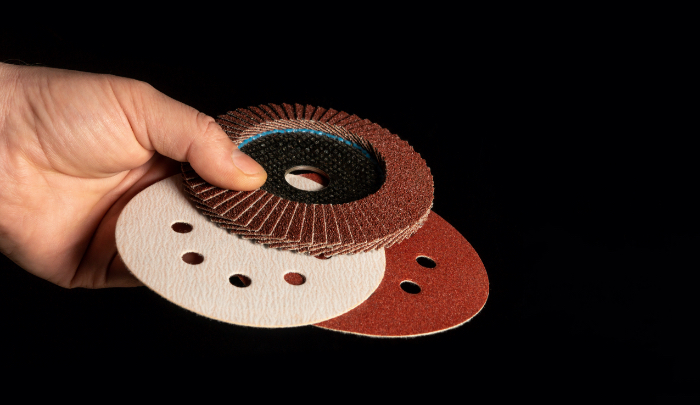
The backing is the material the abrasive is attached to. Most hook and loop discs use:
- Paper backing: Most common, flexible, and affordable.
- Cloth backing: Stronger, lasts longer, good for tough jobs.
- Film backing: Smooth, durable, and resists tearing.
Choosing the right backing helps the disc last longer and work better for your project.
How Hook And Loop Sanding Discs Are Used
Hook and loop sanding discs are used with power tools, mainly random orbital sanders, disc sanders, and sometimes angle grinders with special pads. Here’s how they fit into a typical sanding workflow:
- Attach the disc: Line up the holes (if any) with your sander’s pad and press the disc firmly onto the hook and loop surface.
- Sand the surface: Move the sander evenly over your workpiece, letting the tool do the work. Don’t press too hard—let the abrasive do its job.
- Check progress: When the disc gets clogged or worn, peel it off and attach a new one.
- Change grits: Start with a coarse grit for shaping or stripping, then move to finer grits for smoothing and finishing.
This quick-change system saves time, especially when moving through several grits on the same project.
Example: Sanding A Wooden Table
Suppose you’re refinishing an old wooden table:
- Start with an 80-grit disc to remove old finish and smooth rough areas.
- Switch to 120-grit to even out the surface.
- Finish with 220-grit for a smooth, paint-ready finish.
- Each disc change takes just seconds, with no sticky mess.

Benefits Of Hook And Loop Sanding Discs
The popularity of hook and loop sanding discs isn’t just hype. They offer real advantages over traditional sanding discs:
1. Fast And Easy Changes
The biggest benefit is how quickly you can change discs. When sanding large areas or switching between grits, this saves time and keeps your workflow smooth.
2. Cleaner Work Area
Discs with dust extraction holes help keep your work area cleaner. When paired with a vacuum sander, dust is pulled away before it can become airborne. This improves visibility and air quality.
3. Reduced Waste
Because you can remove a disc easily, you can switch back and forth between grits. If a disc isn’t fully worn, save it for later. This reduces waste and lowers costs.
4. Consistent Results
The secure hook and loop attachment keeps discs flat and centered. This means more even sanding and a better final finish.
5. Versatility
Hook and loop discs work on many materials: wood, metal, plastic, drywall, fiberglass, and more. You can find specialized discs for almost any application.
6. Longer Tool Life
A good hook and loop system protects your sander’s pad. Adhesive residue can build up and damage the pad, but hook and loop systems avoid this problem.
Limitations And Common Issues
No tool is perfect. Hook and loop sanding discs have a few drawbacks you should know:
1. Cost
They can be slightly more expensive than plain adhesive discs. However, the cost is often offset by longer life and less waste.
2. Hook And Loop Wear
If you change discs very often, the hooks or loops can wear out. This makes the disc attachment weaker. High-quality sanders and discs reduce this problem, but eventually, pads may need replacing.
3. Not For All Sanders
Some older or specialized sanders don’t support hook and loop discs. Always check your tool’s compatibility before buying.
4. Misalignment
If the holes on your disc don’t line up with the sander’s dust ports, dust collection will be poor. Take care to match patterns for the best results.
How To Choose The Right Hook And Loop Sanding Disc
With so many options, choosing the right disc can seem confusing. Here’s a practical guide to help you decide.
1. Match The Size To Your Sander
Always check your sander’s manual or measure the pad. Common sizes are 5-inch and 6-inch, but others exist.
2. Select The Correct Grit
Choose based on your project:
- For removing paint or heavy material: 40–80 grit.
- For smoothing wood or preparing for paint: 100–150 grit.
- For finishing: 180–320 grit.
It’s common to use several grits on one project, moving from coarse to fine.
3. Pick The Right Abrasive
- Wood: Aluminum oxide or zirconia.
- Metal: Silicon carbide or ceramic.
- Paint removal: Zirconia or aluminum oxide.
High-end ceramics last longer but cost more. For most home users, aluminum oxide is a safe bet.
4. Consider Dust Collection
If your sander has dust extraction, make sure your discs have matching holes. This keeps your workspace cleaner and safer.
5. Check The Backing Material
Paper backing works for most jobs. For heavy-duty or wet sanding, consider cloth or film backing.
6. Buy Quality Brands
Cheap discs may save money up front but often wear out quickly or shed grit. Well-known brands like 3M, Mirka, and Norton are trusted by professionals.
7. Buy In Packs
You’ll go through a lot of discs on big projects. Buying in multi-packs saves money and ensures you have the right grit on hand.
Comparison: Hook And Loop Vs. Psa (adhesive) Sanding Discs
Let’s compare hook and loop sanding discs with the older PSA (Pressure Sensitive Adhesive) type. This helps you see why many users switch to hook and loop.
| Feature | Hook and Loop Discs | PSA (Adhesive) Discs |
|---|---|---|
| Attachment Method | Reusable hook and loop system | Single-use adhesive backing |
| Disc Changes | Quick and easy | Slow, adhesive can stick |
| Residue | No sticky mess | Can leave residue on pad |
| Reusability | High – can swap and reuse | Low – single use |
| Cost per Disc | Usually higher | Usually lower |
| Pad Wear | Gentle on pad | Adhesive can damage pad |
Credit: www.walmart.com
Practical Tips For Using Hook And Loop Sanding Discs
1. Keep The Pad Clean
Dust and debris can clog the hook and loop surface, reducing grip. Clean your sander’s pad regularly with a soft brush or compressed air.
2. Don’t Press Too Hard
Let the sander’s weight and motion do the work. Pressing down hard wears out discs faster and can overheat the surface.
3. Store Discs Properly
Keep unused discs flat, dry, and away from direct sunlight. This prevents warping and keeps the hook and loop backing in good condition.
4. Align Holes Carefully
If your disc and sander both have dust holes, line them up for maximum dust extraction. Misaligned holes reduce performance.
5. Inspect Discs Before Use
Look for tears, uneven wear, or grit loss. Damaged discs can scratch surfaces or fail during use.
6. Replace Worn Pads
If your sander’s hook and loop pad loses grip, replace it. Many sanders have peel-and-stick replacement pads available.
Popular Uses For Hook And Loop Sanding Discs
Hook and loop sanding discs are not just for woodworking. Their versatility means they’re used in many trades and hobbies:
- Woodworking: Furniture making, cabinetry, floors, and trim.
- Automotive: Paint prep, rust removal, and bodywork.
- Metalworking: Polishing, deburring, and surface prep.
- Drywall: Smoothing joints and repairs.
- Boat building: Sanding fiberglass and marine finishes.
- DIY and crafts: Model making, art projects, home repairs.
Their quick-change system is especially helpful when projects need different grits or abrasive types.
Comparison: Common Grits And Their Uses
Choosing the right grit is key for a good finish. Here’s a comparison of common grits and their best uses:
| Grit Number | Description | Best For |
|---|---|---|
| 40-60 | Very coarse | Stripping paint, shaping wood |
| 80 | Coarse | Smoothing rough surfaces, first-pass sanding |
| 120 | Medium | General sanding, prepping for finish |
| 180-220 | Fine | Final sanding before finishing |
| 320+ | Very fine | Between coats, polishing |
How To Maintain And Extend The Life Of Your Sanding Discs
Proper care can make your hook and loop sanding discs last longer:
- Clean discs: After use, tap them gently or use a soft brush to remove dust and debris. For stubborn clogs, a rubber cleaning stick can help.
- Rotate usage: If you have several discs of the same grit, rotate them to wear them evenly.
- Avoid moisture: Keep discs dry. Water can weaken the hook and loop bond.
- Don’t overload: Using the wrong grit (too fine for heavy work) causes overheating and wears out discs quickly.
- Replace on time: Worn discs not only work poorly but can damage your surface.
Environmental Impact And Recycling
Most sanding discs are disposable, but some manufacturers offer recyclable or eco-friendly options. If you’re concerned about waste, look for:
- Recyclable backings: Some discs use paper or eco-friendly materials.
- Longer life: Higher-quality discs last longer, reducing total waste.
Proper disposal is important, as used discs often contain paint or other chemicals. Some local recycling centers accept abrasive products—check your area for options.
Common Mistakes When Using Hook And Loop Sanding Discs
Even experienced users can make mistakes. Here are a few to avoid:
- Using the wrong grit: Starting with too fine a grit wastes time; too coarse can damage surfaces.
- Ignoring dust collection: Not using dust holes or a vacuum makes sanding messy and less healthy.
- Forgetting to check disc wear: A worn disc can leave swirl marks or uneven finishes.
- Mixing incompatible discs and pads: Not all hook and loop systems are identical; always use matching brands or check compatibility.
- Pressing too hard: Heavy pressure overheats discs and shortens their life.
Non-obvious Tips For Better Sanding
Here are two key insights many beginners miss:
- Let the Disc “Glide”: For the smoothest finish, keep the sander moving at all times. Stopping in one spot can create uneven surfaces or “pigtail” marks.
- Reuse Partially Worn Discs: When changing grits, don’t throw away discs that still have life. Store them in labeled envelopes for future use on similar projects.
Table: Popular Brands Of Hook And Loop Sanding Discs
Here’s a comparison of some top brands and their standout features:
| Brand | Notable Features | Price Range |
|---|---|---|
| 3M | High durability, wide grit range, advanced dust control | $$$ |
| Mirka | Premium performance, excellent dust extraction, flexible backing | $$$$ |
| Norton | Affordable, reliable, good grit selection | $$ |
| DEWALT | Strong hook and loop bond, good for heavy-duty use | $$$ |
| Festool | Professional quality, optimized for Festool sanders | $$$$$ |
For more information on the history of abrasive technology and standards, check out the Wikipedia page on sandpaper.
Frequently Asked Questions
What Is The Main Advantage Of Hook And Loop Sanding Discs?
The main advantage is their quick and easy attachment and removal. This allows you to change grits or replace worn discs in seconds, improving efficiency and saving time on any project.
Can I Use Hook And Loop Discs On Any Sander?
No, your sander must have a hook and loop compatible pad. Some older or specialized sanders use adhesive pads or other systems. You can often upgrade to a hook and loop pad if needed.
How Do I Know When To Replace A Hook And Loop Sanding Disc?
Replace the disc when you notice reduced cutting power, visible wear, or if the disc starts to clog and cannot be cleaned. Using a worn disc can harm your project’s finish.
Are Hook And Loop Sanding Discs Reusable?
Yes, you can reuse discs that are not completely worn out. Store them in a dry, clean place. You can switch back and forth between grits or partially used discs as needed.
Do Hook And Loop Sanding Discs Work With Dust Extraction Systems?
Yes, most hook and loop discs are available with pre-cut holes for dust extraction. Make sure the hole pattern matches your sander for best results in dust collection.
In summary, hook and loop sanding discs have changed the way professionals and DIYers tackle sanding projects. Their fast, flexible, and reliable system saves time and delivers great results. With the right disc and good technique, you can achieve a smooth, even finish on almost any surface.
Whether you’re building furniture, restoring a car, or just fixing up your home, these sanding discs are a smart choice for getting the job done right.